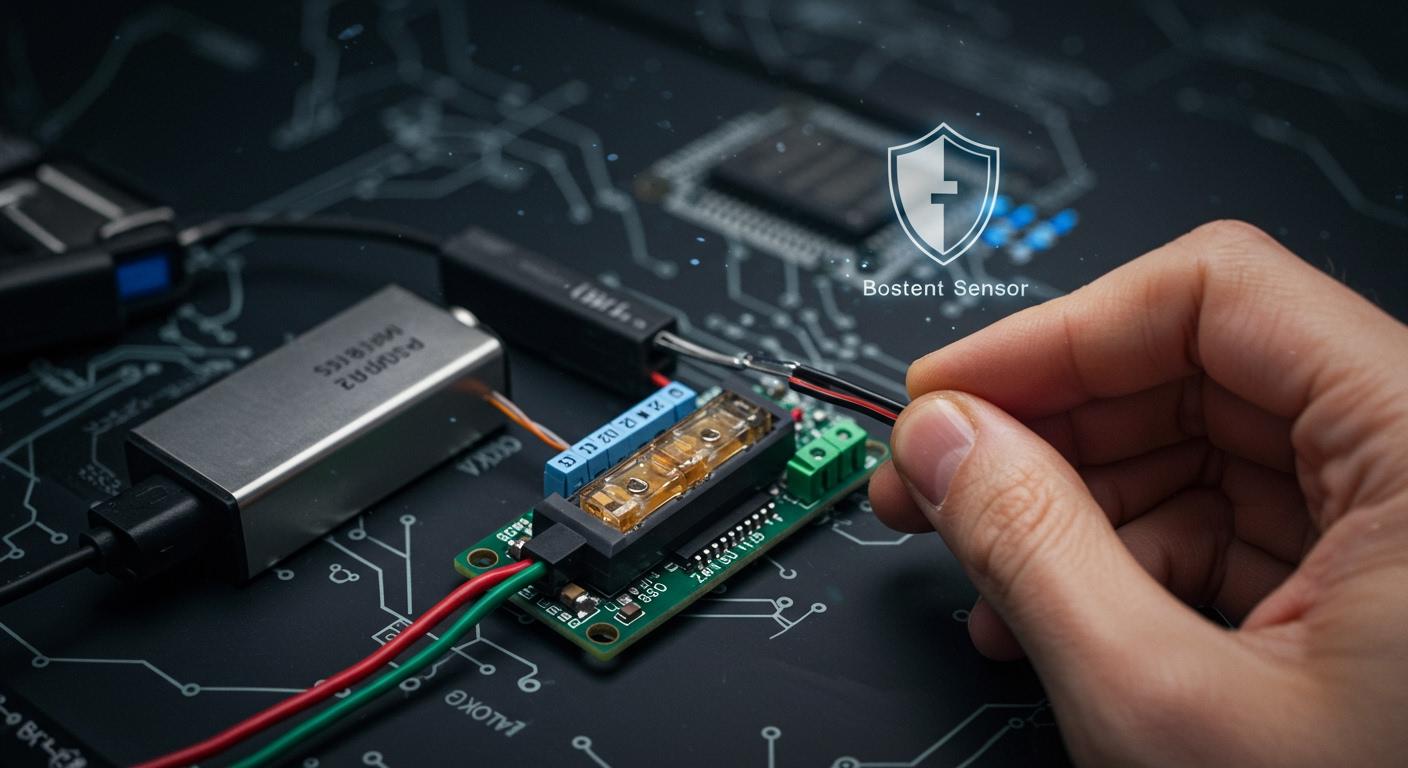
You might ask if you can skip using a battery current sensor in your system. Some people try this when they notice problems like wrong connections of electrical accessories to battery terminals. Others do it when corrosion or damage makes the sensor not work right.
⚠️ Always remember: skipping the sensor can be dangerous for you and your system. Use trusted products like AVAQ Semiconductor’s sensors to keep your battery safe and working well.
Wrong connections of electrical accessories can make the sensor give wrong readings.
Corrosion or damage may make some people skip the sensor.
Key Takeaways
Battery current sensors are very important for checking battery health. They give real-time information about how much current is flowing. This helps stop damage and keeps things safe.
Bypassing a battery current sensor is very dangerous. Without it, you might get wrong readings. Your battery could get too hot or even catch fire.
Always use the right steps if you need to bypass a sensor. Get ready and check everything carefully. This helps you avoid mistakes and keeps your system safe.
Buy good battery current sensors. They make things safer and help your battery work better. Good sensors also help your battery last longer.
Check your battery often and take care of it. Look at voltage, current, and temperature. This helps you find problems early and keeps your battery safe.
Battery Current Sensor Basics
What It Does
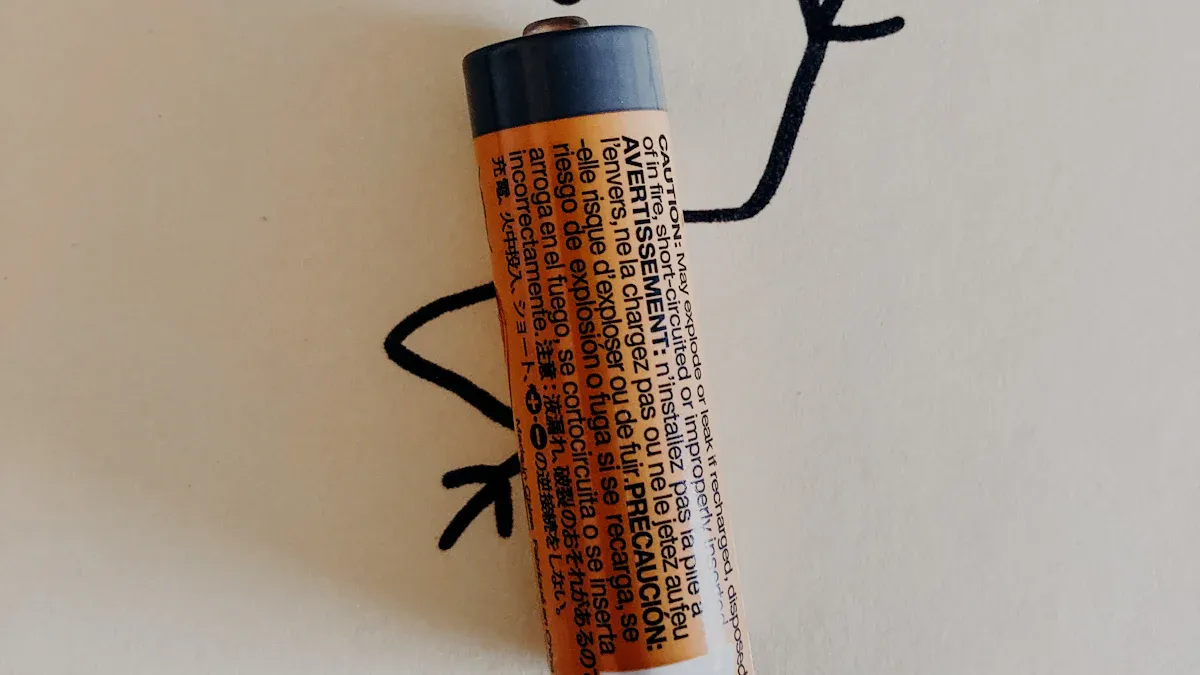
A battery current sensor checks how much electric current goes in and out of your battery pack. You use it to see how much energy your battery has and uses. The battery current sensor gives your system live data. This helps you know if your battery is charging or losing power.
You can find a battery current sensor in electric vehicles and energy storage systems. It works like a guard, always watching the current. When you use a battery current sensor, you can find problems early. For example, if the current gets too high, the sensor warns your system.
🛠️ Tip: Always put the battery current sensor in the right spot. This helps you get correct readings and keeps your battery safe.
Why It Matters
The battery current sensor is important for keeping your battery healthy. It helps you watch the charge level and health of your battery pack. When you use a battery current sensor, you can find problems in your electric drive system. This is important for safety and for clean energy systems to work well.
A battery current sensor also keeps your battery from getting damaged. It checks the current during charging and discharging. If the current gets too high, the sensor helps stop it. This keeps your battery safe and helps it last longer. The battery current sensor helps your battery management system work better. You get better performance and your battery lasts longer.
Benefits of a battery current sensor:
Makes batteries safer
Helps batteries last longer
Helps use energy better
Remember, a battery current sensor is more than just a part. It is a key tool for keeping your battery and system safe.
Risks of Bypass Battery Current Sensor
Safety Concerns
If you skip the battery current sensor, you take real safety risks. The battery current sensor helps you watch how electricity moves in your system. Without it, you lose a layer of protection. Your system cannot tell if the battery charges too fast or drains too quickly. This can cause dangerous problems.
Here are some safety issues you could face:
Sudden shutdowns or battery damage
Getting too hot or having electrical problems
You might think your battery is fine, but without the battery current sensor, you cannot trust the numbers you see. The battery can get hot very fast. If you do not catch the problem, fires or shocks can happen. Always think about these dangers before you skip the battery current sensor.
System Impact
The battery current sensor does more than keep you safe. It also helps your system work right every day. If you take out this sensor, your battery management system cannot do its job. Your battery may not last as long. Your system could stop working without warning. Other parts of your device could get damaged.
Many places have rules for battery safety. These rules protect you and the environment. Here is a table with some important standards:
Region/Standard | Description |
|---|---|
UN 38.3 | Tests for moving lithium batteries |
IEC 62133 | Safety rules for rechargeable batteries |
UL 2054 | Rules for rechargeable batteries in North America |
UL 1642 | Rules for lithium cells in North America |
Battery Directive (2006/66/EC) | EU rules for recycling and the environment |
CE marking | Follows many EU rules like EMC and RoHS |
If you do not use a battery current sensor, you might break these rules. This could mean fines or having to recall your product. Always use a battery current sensor to keep your system safe and follow the law.
How to Bypass Battery Current Sensor
Bypassing a battery current sensor is a serious task. You should only try this if you have no other choice and understand the risks. If you skip this step, your system may lose important safety features. Always think about your safety and the health of your battery system first.
Preparation Steps
Before you start, you need to get ready. Careful preparation helps you avoid mistakes and keeps you safe.
Read the Manual: Check your battery pack manual. Some packs have a bypass feature. Look for any special instructions about the battery current sensor.
Gather Tools: You will need insulated tools, safety gloves, and eye protection. Make sure you have a multimeter to check voltages.
Turn Off Power: Disconnect the battery from all loads and chargers. This step keeps you safe from electric shock.
Watch a Guide: If your battery pack maker provides a video, watch it. For example, some guides start at a certain time stamp to show the bypass process.
Check Connections: Make sure you know where the battery current sensor sits in your system. Do not skip the bypass part before you connect the JST plug to the battery management system (BMS).
⚠️ Note: Always follow each step. Missing a step can damage your battery or cause injury.
Bypass Procedure
Now you can start the bypass process. Move slowly and double-check your work.
Locate the Sensor: Find the battery current sensor in your system. It usually sits near the main battery terminals.
Remove the Sensor: Use your insulated tools to disconnect the sensor from the circuit. Keep the wires apart to avoid short circuits.
Connect the Bypass: Join the wires that went to the battery current sensor. Use a jumper wire or a special bypass connector if your system has one.
Secure the Connection: Make sure your new connection is tight and safe. Loose wires can cause sparks or heat.
Reconnect the BMS: Plug the JST connector back into the BMS. Do not skip this step, or your system may not work.
Check for Errors: Look for warning lights or error messages on your system display.
🛑 Warning: Only bypass the battery current sensor if you have no other option. This action removes a key safety feature from your battery system.
After Bypass Checks
After you bypass the battery current sensor, you must check your system. These checks help you spot problems early and keep your battery safe.
Check the state of charge. Compare what your system shows with the real amp-hour count.
Watch the DC bus ripple. Large swings can hurt your capacitors.
Look for current imbalance. If one phase draws more current, you may have a hidden problem.
Measure converter switching losses. High losses mean your system may overheat.
Test protection trip time. Your system should react fast to over-current or over-voltage.
Check the temperature across all cells. Hot spots can lead to battery failure.
You should also set up good monitoring practices:
Make sure all sensors are installed the right way. Bad installation can cause wrong readings.
Set alarm thresholds based on your system’s needs. Early alarms help you catch problems before they get worse.
Do regular maintenance checks. Test your alarms and run discharge tests at least once a year.
💡 Tip: Careful checks and regular monitoring help you catch early signs of trouble. Even after you bypass the battery current sensor, you can protect your system with good habits.
If you want to know how to bypass battery current sensor safely, always follow these steps and check your work. Remember, bypass battery current sensor only if you understand the risks and have no other choice. The battery current sensor protects your system, so use this guide with care.
System Protection and Solutions
Sensor Features
Picking a high-quality battery current sensor helps protect your system. These sensors use shunt and magnetic sensing. This makes them more accurate and reliable. You get exact current measurements. This helps your battery management system work better. Some sensors use active compensation. This keeps readings correct at low and high currents. Your system can handle different loads and stay safe.
High-quality sensors have backup parts. If one part stops, another keeps working. This lowers the chance of hidden problems.
Sensors from AVAQ Semiconductor follow strict rules for electric vehicles and energy storage. They help stop overcharging and over-discharging.
Smart sensors measure temperature, voltage, and current together. This helps you make batteries last longer and find problems early.
Wireless monitoring lets you check your battery from far away. You do not need extra wires or heavy gear.
Here is a table that shows how new battery current sensors help your system:
Feature | Description |
|---|---|
Measurement Accuracy | Accurate within 1% up to 1,300 A and 1.7% up to 1,500 A |
Size | Small and easy to fit (29.1 × 35.5 × 49.9 mm) |
High-Voltage Isolation | Handles over 800 V, keeps your system safe and lowers EMI |
🛡️ Tip: Using a good battery current sensor helps stop overcharging and keeps your battery safe.
Best Practices
You can keep your battery safe by following best practices. Always watch important things like voltage, current, and temperature. This helps you find problems before they get bad. Use impedance measurement to check battery health early. Backup systems in your monitoring add more safety.
Proactive Measure | Description |
|---|---|
Monitoring Key Parameters | Check voltage, current, and temperature to stop cell damage |
Impedance Measurement | Find battery health problems before they get serious |
Redundancy in Monitoring | Use backup systems to check main readings and make safety better |
Watching each battery string all the time helps you find failures linked to the battery current sensor. Real-time checks on string voltage, float current, and cell voltage are important. A good monitoring system finds problems, sets off alarms, and stops overcharging. This protects your battery and helps it last longer.
💡 Note: Good habits and regular checks help you stop over-discharging and keep your battery working well.
If you bypass a battery current sensor, you take big risks. You lose safety features and could hurt your system.
Skipping these protections might seem helpful at first, but it makes your system much more likely to fail or break. It is not a good idea.
Pick good sensors and check your battery often. Use smart ways to keep your system safe:
Strategy | Description |
|---|---|
Improve thermal management | Put cooling units in the right spots to control heat. |
Enhance ventilation | Make sure air can move so gas does not build up. |
Predict potential issues | Let your battery management system use sensor data to find problems early. |
You can trust AVAQ Semiconductor to keep your battery safe and make it last longer.
FAQ
What happens if you bypass a battery current sensor?
You lose key safety features. Your system cannot watch battery health or stop overcurrent. This can make your battery get too hot or break. You could have a fire or your system might stop working.
Can you use your battery system without a current sensor?
You can use it, but it is not safe. The battery management system cannot keep your battery safe. You might not see problems until it is too late.
How do you know if your battery current sensor is faulty?
You might see wrong numbers or error signs. Your battery could charge or lose power too fast. Use a multimeter to check if the current is right.
Why should you choose AVAQ Semiconductor sensors?
AVAQ sensors give you correct numbers and strong safety. They follow strict safety rules. Your battery lasts longer and you have fewer problems.