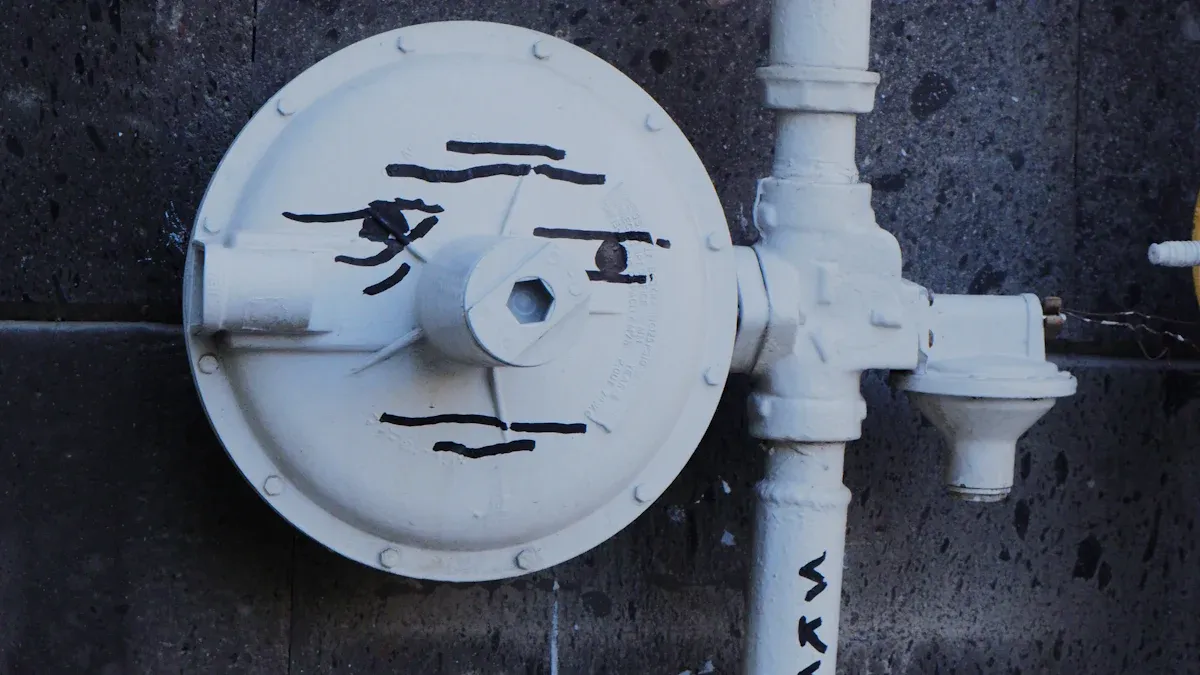
Picture yourself climbing a ladder to read a pressure gauge on a high pipe. You risk injury, waste time, and hope the reading is correct. This manual check happens daily in many facilities. How does bluetooth transmission make this task easier? You can check pressure from a safe distance using a mobile device, thanks to advanced Pressure Sensing technology.
This article explains the technology behind wireless pressure sensors. You will learn how to pick the right sensor for your needs, with a focus on Pressure Sensing accuracy and reliability. You will also find setup steps and ways to connect it to your monitoring system.
You will gain practical skills to switch from wired to wireless with confidence. This guide covers design ideas, clinical uses, and noninvasive sensing options, all built on robust Pressure Sensing principles. You will see how each device sends data for accurate diagnosis. Your monitoring tasks become safer and more efficient with bluetooth technology. The mobile app connects you directly to your system, giving you real-time Pressure Sensing insights at your fingertips.
Key Takeaways
Wireless pressure sensors lower installation costs by 40 to 60 percent.
Bluetooth Low Energy helps sensors run for up to 10 years on a single battery.
On-board data logging saves all readings when the sensor is out of range.
You can check pressure readings from a mobile device no matter where you are.
Cloud integration sends instant alerts and monitors pressure changes over time.
How Bluetooth Pressure Sensing Works
Core Components and Signal Path
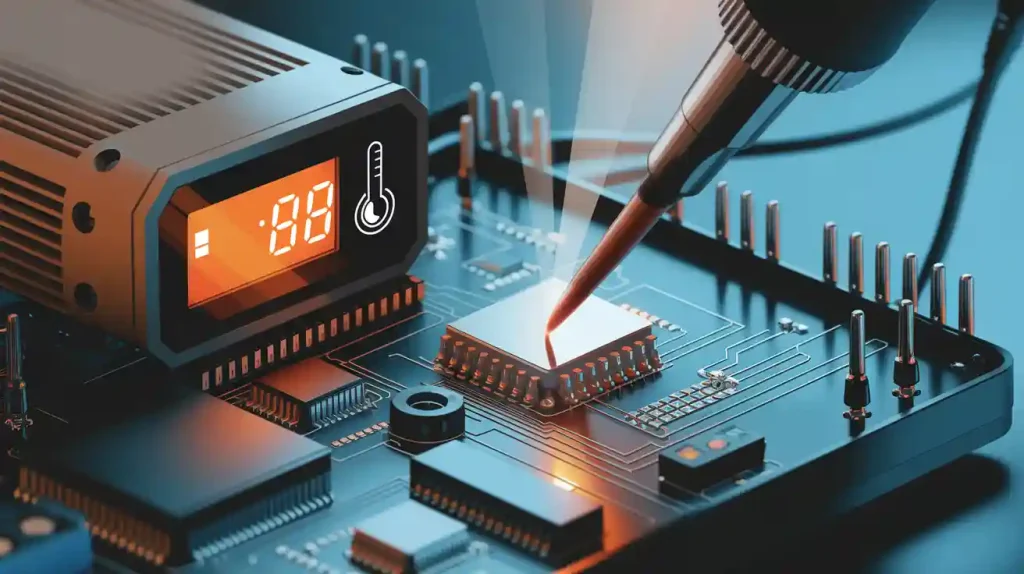
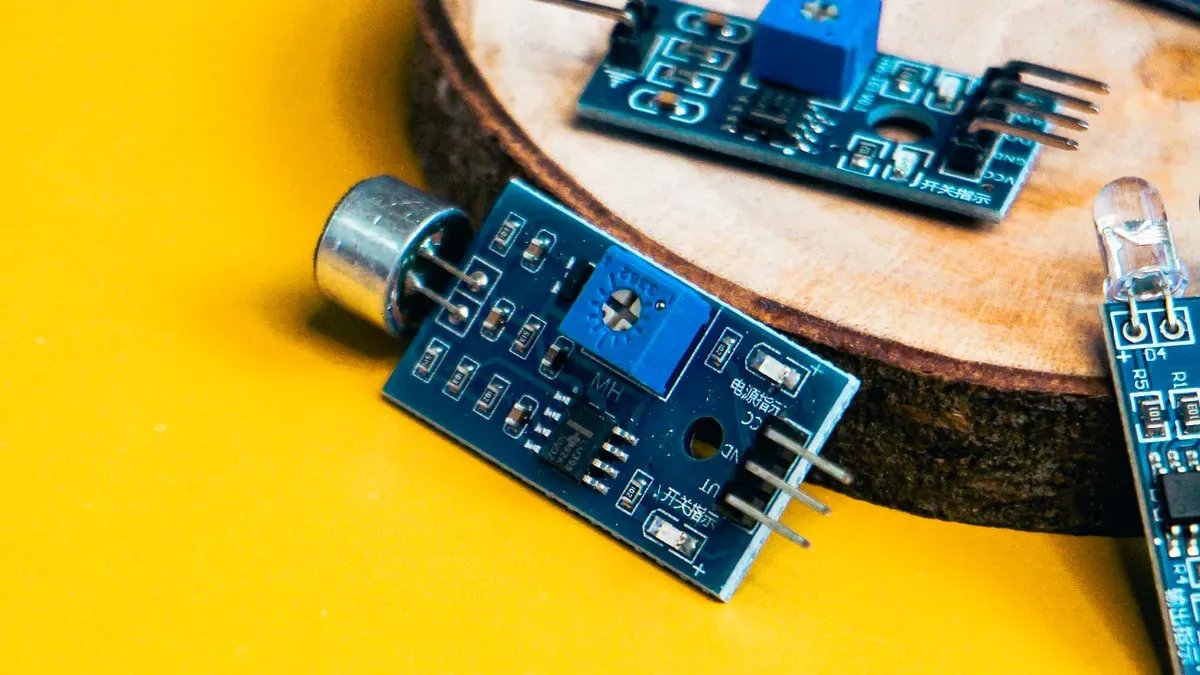
Every wireless pressure sensor uses the same basic design. The process starts with the sensing element. Most modern devices use a piezoresistive or capacitive element that reacts to physical force. When pressure pushes against this element, its electrical properties change in a measurable way. This change creates a small analog voltage that shows the current pressure level.
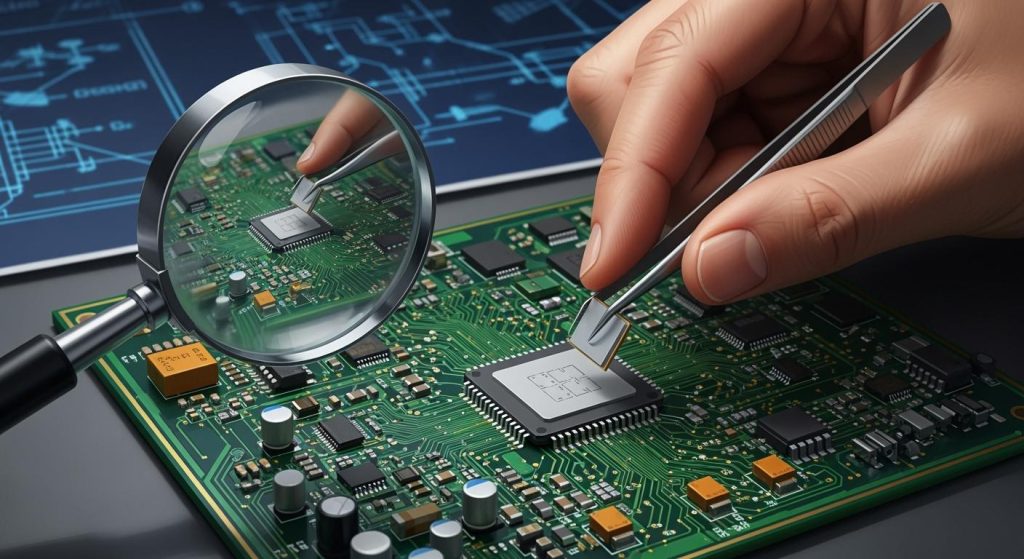
That analog signal moves to an analog-to-digital converter, or ADC. The ADC changes the continuous voltage into discrete digital numbers. A microcontroller then processes these numbers, applying calibration corrections and getting the reading ready for transmission. Finally, a Bluetooth radio module takes over. This module packages the processed data and sends it wirelessly to your paired receiver, which could be a smartphone, tablet, or gateway device.
The BluePSI sensor shows this design in action. It works smoothly with the free MultiGage software, letting you take quick measurements directly from your mobile device. You simply open the application, connect to the sensor, and see the pressure value instantly.
Bluetooth Low Energy, or BLE, makes this whole process very efficient. The technology relies on three key principles:
Duty Cycling Mechanism: The device spends most of its time in deep sleep, waking only for short preset windows to broadcast or listen. Parameters like broadcast interval and connection interval control the balance between power use and response time. For pressure sensing, longer intervals, such as reporting every few minutes, reduce power draw.
Streamlined Protocol Stack: The BLE stack has a simpler structure than classic Bluetooth. Connection setup happens in milliseconds, and packet overhead stays low. This allows quick data transmission and fast return to sleep, which is vital for intermittent pressure readings.
Optimized Data Path: After connection, the master and slave exchange data during brief, regular connection events. The RF section turns off completely between these events. This greatly lowers average current, giving your sensors long battery life.
From Analog Reading to Wireless Data Packet
The change from physical pressure to wireless data packet follows a clear sequence. Your sensor captures the analog reading, the ADC converts it, and the microcontroller formats it into a standard BLE structure. This packet contains the pressure value, a timestamp, and device identification information.
The transmission happens during those brief connection events mentioned earlier. Your mobile application receives the packet, decodes the information, and shows the reading on your screen. This whole process takes milliseconds, yet the device returns to sleep right away.
This wireless approach changes monitoring compared to traditional wired systems. Consider the differences:
Improvement Area | Bluetooth/Wireless Advantage | Traditional Wired System |
|---|---|---|
Installation | 5-minute setup, no complex wiring | Requires complex wiring infrastructure |
Cost | 40-60% reduction in installation costs | $500-2000 per point for conduit, wiring, junction boxes |
Accessibility | Works in remote/hazardous locations without power sources | Limited to areas with existing wiring infrastructure |
Configuration | Smartphone app via Bluetooth/NFC, easy parameter storage | Manual configuration at the sensor site |
Security | Modern encryption standards | Not specified as a feature |
Installation costs for traditional wired systems can reach $500-2000 per point when factoring in conduit, wiring, and junction boxes. Wireless sensors remove these infrastructure needs, cutting installation costs by 40-60% and allowing monitoring of previously hard-to-reach locations.
This design approach goes beyond industrial settings. In clinical environments, a pressure sensor can provide continuous bluetooth transmission of critical readings. This enables noninvasive monitoring for patients who need close observation. The noninvasive diagnosis approach lowers patient discomfort while keeping accurate data collection. This pressure measurement technology keeps evolving, with each new device generation improving battery life, range, and reliability. Your monitoring system benefits directly from these advances, whether you track industrial processes or support patient care.
Setting Up Your Wireless Pressure Sensors
Choosing the Right Sensor for Your Environment
Picking the right pressure sensor starts with what you need. Look at three things: pressure range, accuracy class, and environment. The pressure range tells you what the sensor can measure. Choose a range that is 1.5 to 2 times your highest working pressure. An 8 MPa system works fine with a 0 to 12 MPa range.
Accuracy class affects how reliable your readings are. ASME accuracy grades give a standard way to compare pressure gauges. Each class fits certain jobs. Class 0.1 is for precise lab work. Class 0.2 works for compressors. Class 1.0 handles general control tasks. Class 1.5 fits atmospheric monitoring. Class 2.5 works for coarse control. Absolute error equals range times accuracy class. A 10 MPa gauge with Class 1.0 accuracy gives ±0.1 MPa error. Keep working pressure between one‑third and two‑thirds of full range.
Environment matters too. Many models offer high accuracy and standard connections. Check temperature ratings, IP ratings, and material compatibility. Safety includes proper handling. Ensure system compatibility. Use correct mounting techniques. Provide personnel training. Use safety gear for high‑pressure materials. Stay within the sensor’s specified pressure range. Check for wear regularly. Ensure sensor suitability for temperature, pressure, and media. Use sensors certified for hazardous areas like ATEX or IECEx. All wireless sensors share similar core principles. These sensors work well in many environments.
The same ideas apply to clinical settings. A pressure monitoring system uses the same wireless pressure sensing design. The device captures pressure readings and sends them via bluetooth transmission. This enables noninvasive diagnosis for patients needing close observation. The sensor design follows the same core components. The sensing element, ADC, microcontroller, and bluetooth radio work together. The device uses continuous power management. The system provides continuous readings for patient care. You can monitor pressure trends using a mobile application.
Installation, Pairing, and Configuration
The physical installation removes the need for complex wiring. Mount the sensor securely. Ensure a proper seal using the correct thread type and sealant. For sensors with standard pipe thread connections, use appropriate sealant. Power the device. Most wireless pressure sensors use internal batteries. The battery life depends on your configuration choices.
Pairing the sensor with your mobile device happens through a mobile application. The app scans for nearby bluetooth devices. Select your sensor from the list. The connection establishes in seconds. You use the mobile application to configure settings.
Configuration settings control how the sensor behaves. Set the recording interval. The options include 15 choices. You can select 1, 2, 5, 10, 15, 20, or 30 seconds. You can also choose 1, 2, 5, 10, 15, 20, 30, or 60 minutes. Changing the interval deletes all stored data in the remote unit. You also set the auto transmission of recorded data. Turn this ON or OFF. These settings affect battery life.
A typical sensor shows the ease of this setup. Mount the device and power it on. Pair with the app and configure settings. The process takes minutes. The device sends data to your mobile application. You can view pressure readings in real time. The system handles logging automatically. If the sensor goes out of range, the device stores data locally.
For monitoring in clinical settings, the setup follows the same logic. The sensor connects to a bedside monitor. The bluetooth transmission sends pressure readings continuously. You view the readings on the mobile application. The system provides readings for decisions. Readings appear on your screen. The application displays trends clearly. The wireless design reduces cables and improves comfort.
Your wireless pressure sensor is now ready for use. The configuration stays in the device memory. You can change settings later through the app. The system runs autonomously. You check the readings on your device. The wireless design eliminates manual gauge checks. Your monitoring becomes safer and more efficient.
Key Features of Wireless Pressure Sensors
Range, Battery Life, and Data Accuracy
The choice between Bluetooth Classic and BLE changes how your wireless pressure sensors work. BLE uses less than 15mA when sending data, while Classic Bluetooth uses about 30mA. Data transfer speeds are different too. BLE sends data at 200 Kbps, which is good for single pressure values. Classic Bluetooth gives 2-3 Mbps for constant waveform streaming. Connection time is also important. BLE connects in about 3ms, so the device can wake up, send a reading, and go back to sleep quickly. Classic Bluetooth takes about 100ms. For sensors that run on batteries, BLE is the better choice.
Your transmission interval directly affects battery life. The chart below shows how this works:
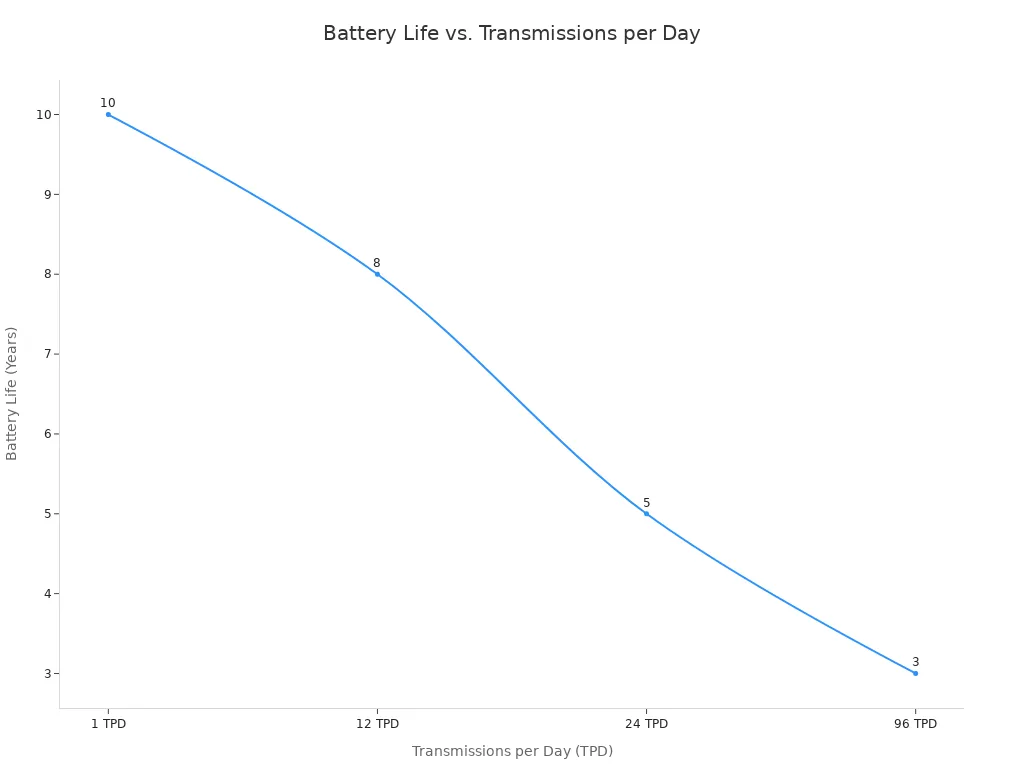
A sensor that sends data once per day can last 10 years. Sending data 96 times per day cuts battery life to 3 years. You choose between these based on what you need to monitor. Data accuracy stays high for all options because the sensor’s design keeps readings precise through calibration.
Data Logging and Sampling Rate Considerations
The sensor records data at the configured interval. The recording interval has 15 options: 1, 2, 5, 10, 15, 20, 30 seconds, and 1, 2, 5, 10, 15, 20, 30, 60 minutes. The sensor can automatically transmit recorded data when the auto transmission feature is enabled. This allows you to balance data recording frequency with battery life.
In clinical settings, accurate sampling is important for reliable patient monitoring. The recording interval choices allow you to match the data capture rate to the clinical need. The wireless transmission sends data to your mobile device when the connection is available. The system helps clinical decisions with reliable data. Your diagnosis depends on this steady pressure sensing approach. The device gives continuous readings for patient care. The app shows trends on your mobile device. This design allows noninvasive diagnosis for patients. The system uses wireless tech for pressure measurement. The sensor captures data for the mobile app. Each device supports your clinical monitoring needs. The pressure readings help with patient diagnosis. The app records data for your system analysis.
Integrating Wireless Pressure Sensors with Cloud Platforms
Bridging Bluetooth to Wi-Fi or Cellular Networks
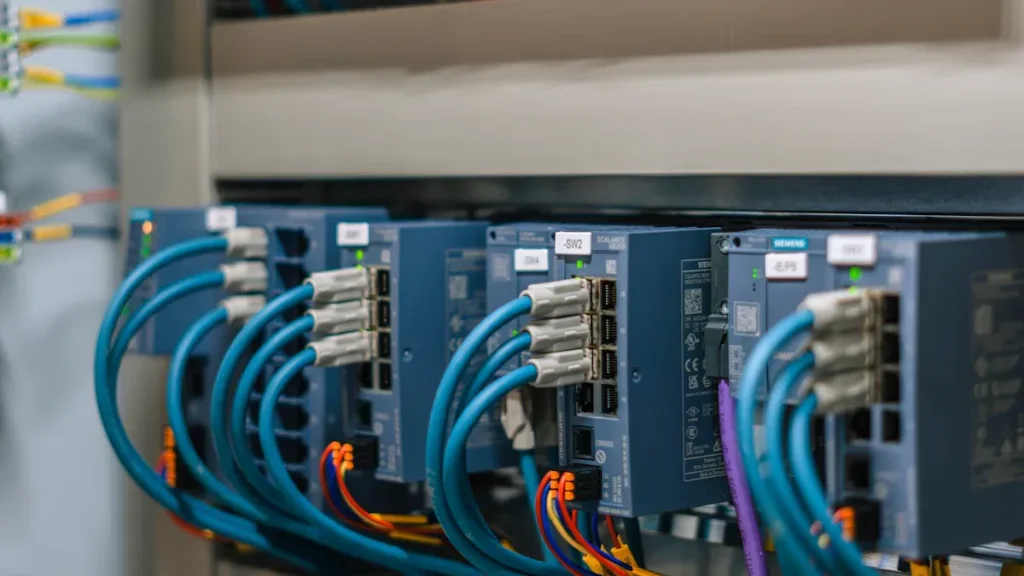
Your bluetooth sensor works well close by. But what if you need data from across a building or a faraway site? You need a gateway device. This bridge takes bluetooth signals and sends them to the internet through Wi-Fi, Ethernet, or cellular networks. The gateway acts as a translator between your sensor’s short-range signal and the larger network setup.
Some sensors are designed for long-range communication using protocols that can achieve distances of several kilometers, but such details are not covered in the available evidence. Bluetooth still helps for setup and checks. A technician on site can use a mobile app to set up the sensor, pull logs, and confirm readings. BLE offers 10-40 m indoor range, which works well for hands-on tasks. Your monitoring system might use both: bluetooth for local setup, and other protocols for ongoing data sending.
Visualizing and Analyzing Data in the Cloud
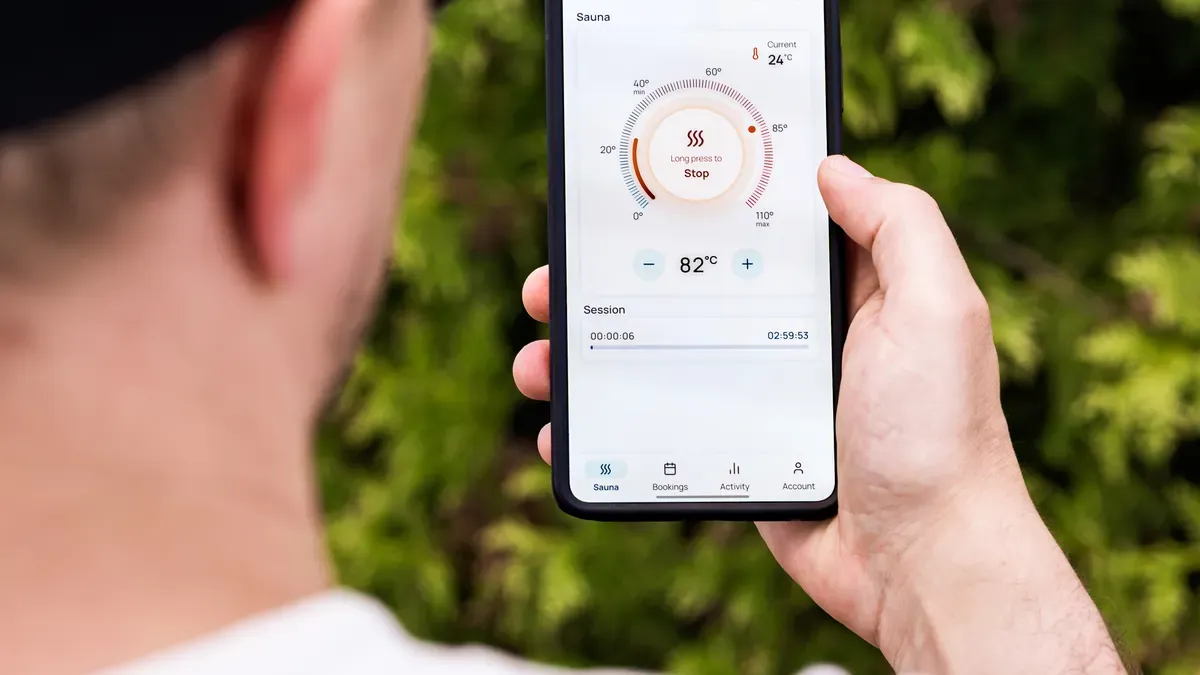
Once your sensor data hits the cloud, you get strong tools. You can watch readings 24/7 from anywhere. Your mobile device shows current pressure numbers with past trends. This full view gives you both quick awareness and long-term context.
Cloud platforms allow automated monitoring and analysis. You can set up alerts for pressure deviations to ensure timely response. This helps you stay in line with rules.
Set up real-time alerts by creating deviation rules and limits for pressure values. When a limit is crossed, alerts go out through teams, email, or SMS. This makes sure you respond fast to pressure problems.
The benefits reach condition monitoring in factories:
Showing compliance through steady data streams in cloud-based logs
Getting conditions-based alerts when an event happens
Knowing exactly what to fix to stop future issues
Earlier fault detection shortens the time between fault onset and detection, providing additional lead time for repair planning. Early detection lets you fix things during low-impact times, cutting costly unplanned stops. A continuous data record shrinks root-cause investigations from days to hours. This data base supports machine learning models for reliable failure predictions.
For medical uses, a pressure sensor sends readings through the same cloud setup. The system allows noninvasive monitoring for patients. The design supports constant patient watching. Your mobile app shows trends clearly. This clinical monitoring method reduces cables and boosts patient comfort. The device captures data for your system analysis. The pressure readings help with patient diagnosis. The app records data for your monitoring needs.
Bluetooth transmission transforms pressure sensing into a wireless, safe experience. You eliminate wiring hassles, enable remote monitoring, and access real-time data from your mobile application. When selecting wireless pressure sensors, evaluate range, battery life, and accuracy carefully.
The evolution of Bluetooth technology continues to extend range and capabilities, while IoT integration expands your monitoring options.
Your sensor choice matters. Each wireless device offers unique benefits. The clinical application simplifies patient care. This sensing technology continues advancing rapidly.
Explore available options today. Build your own wireless monitoring system. Your pressure sensing application becomes simpler, safer, and smarter with each wireless device you deploy.
FAQ
How far can your wireless sensor transmit data?
Most bluetooth sensors work within 10-40 meters indoors. That range covers a typical room or small workshop. For larger facilities, you need a gateway device. The gateway gets the bluetooth signal and sends it through Wi-Fi or cellular networks. This lets you monitor across entire buildings.
How long does the battery last on a wireless pressure sensor?
Battery life depends on how often you send data. A sensor sending data once daily can last 10 years. Sending readings 96 times per day cuts battery life to 3 years. Your settings directly control this balance between fresh data and battery life.
Can you use these sensors for patient monitoring?
Yes. Wireless pressure sensors can be used for patient monitoring, such as in blood pressure cuffs or other clinical applications. The noninvasive design reduces discomfort while keeping accurate pressure data.
What happens when your sensor goes out of range?
The sensor records data at the set interval. When the connection is lost, the recorded data is stored locally. Once the sensor reconnects, it automatically transmits the stored data if the auto transmission feature is enabled. You never lose information. This feature proves essential for remote locations or intermittent connectivity.
Do you need special training to set up these devices?
No. The setup process takes minutes. You mount the sensor, power it on, and pair it with your mobile device through the application. Configuration options appear clearly in the app interface. The wireless design eliminates complex wiring and technical expertise requirements.