




PCB Layout Design Services
PCB Layout Design Services are a critical aspect of the electronics industry. They provide the necessary expertise and tools to transform a circuit concept into a physical product.

Our PCB Layout Services Content
We offer a wide range of services, including:
- Schematic Capture: We convert your circuit ideas into a detailed schematic diagram.
- PCB Layout Design: We design the physical layout of the PCB, optimizing for performance, reliability, and manufacturability.
- Design for Manufacturing (DFM): We ensure that your design is ready for efficient and cost-effective production.
- Fabrication Files: We generate manufacturing files for you, like Gerber files.
- Prototype Testing: We can assist with prototype testing to verify the functionality and performance of the design.
- Production Run: We also provide PCB Manufacturing and Assembly Services for your production run.

PCB Layout Software we use

Altium Designer

Allegro

Allegro
PCB Layout Services Process
The creation of a PCB layout is a detailed procedure that involves converting a schematic into a physical blueprint, deciding the location of each component on the board, and establishing the interconnections among them. Here are the primary stages involved in formulating a PCB layout:
Schematic Design: The journey begins with the creation of a detailed schematic diagram of your circuit.
Component Placement: The subsequent stage involves determining the location of each component on the board.
Routing: This stage involves the creation of paths (traces) that electrically interconnect the components.
Design Rule Check (DRC): This is a process automated by software that checks if the layout adheres to the rules set by the PCB fabrication house.
Gerber Generation: The final stage involves the generation of Gerber files, which are the standard file format for manufacturing PCBs.
In addition to these stages, there are several factors to consider during the PCB layout process:
Component Placement Optimization: Components should be strategically placed to minimize trace lengths and prevent crossing signal paths.
Signal Traces and Routing: Special care should be taken to avoid signal integrity issues such as crosstalk and electromagnetic interference.
Thermal Considerations: The layout should consider heat dissipation, especially for high-power components.
Ground Plane Design: A well-designed ground plane can help reduce noise and improve signal integrity.
Design Rule Checks (DRCs): Regular DRCs should be conducted throughout the design process to identify and correct errors early.
Manufacturer Collaboration: Close collaboration with the PCB manufacturer can help ensure the design is optimized for manufacturability.
Remember, the design of a PCB layout requires careful planning, meticulous attention to detail, and compliance with industry standards and guidelines. I hope this provides a comprehensive overview of the PCB layout process. If you have any more questions, don’t hesitate to ask!
Why Choose Us as PCB Layout Supplier
Expertise
Our team has extensive experience in PCB design across various industries and applications.
Quality
We adhere to strict quality standards to ensure the reliability and longevity of your products
Efficiency
We use advanced design tools and techniques to optimize the design process and reduce time-to-market.
Support
We provide ongoing support throughout the design process, from initial concept to final production.
Our white pape of PCB Layout

Altium Designer PCB Layout Tutorial: From Schematic to Finished Board (Step-by-Step Guide)
Introduction Welcome to this comprehensive Altium Designer PCB layout tutorial. This guide gives complete step-by-step instructions for transforming your finished schematic design into a professional, manufacturing-ready printed circuit board. Whether you’re designing your first PCB or refining your skills, this tutorial covers every essential stage with practical, hands-on examples. Altium
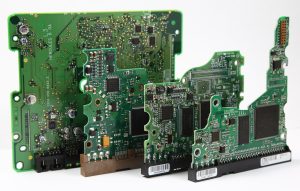
Improving Signal Integrity in High-Speed PCB Layouts
Enhance signal integrity in high-speed PCB layout design with strategies to reduce EMI, control impedance, and optimize trace routing for better performance.
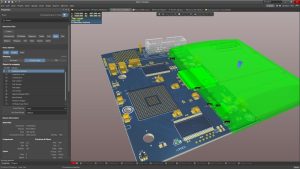
Beginner’s Guide to Designing a PCB Layout
Learn how to design a PCB layout step by step. From schematics to routing, discover essential tools, tips, and techniques for efficient PCB layout design.
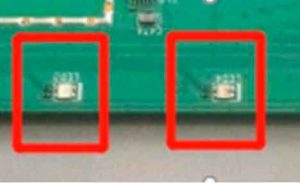
The Importance of Component Layout Near PCB Edges in PCBA
The proper placement of electronic components on a PCB (Printed Circuit Board) is a critical factor in reducing soldering defects. A well-planned layout plays a significant role in the overall quality of the assembly. When designing the layout, components should be placed in areas with minimal bending and internal stress,

PCB Layout Review Checklist
Top 14 points of the PCB Layout checklist Top 14 points of the PCB Layout checklist 1. Common practices When designing PCB, to make the design of high-frequency circuit boards more reasonable and have better anti-interference performance, the following aspects should be considered:(1) Reasonably select the number of layers. When
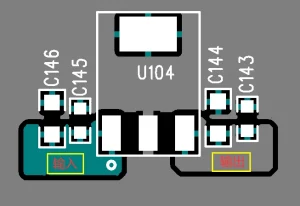
How to Quickly Design the Layout of an LDO Power Module
In today’s world, where electronic devices are omnipresent, the design and application of power modules have become central to electronic engineering. The Low Dropout (LDO) linear regulator power module is particularly valued for its superior linear characteristics and stability. To meet the increasing performance demands of modern electronics, optimizing the
