
EMI/EMC Testing
Electromagnetic compatibility (EMC) is defined in the International Electrotechnical Commission (IEC) standard as: a system or device can work normally in the electromagnetic environment in which it is located, and will not interfere with other systems and devices. EMC includes EMI (electromagnetic interference) and EMS (electromagnetic tolerance).
(1) EMI is the electromagnetic noise generated by the machine itself in the process of performing its functions, which is detrimental to other systems (such as snoring too loudly, affecting the sleep of people around it);
(2) EMS refers to the ability of a machine to be unaffected by the surrounding electromagnetic environment in the process of performing its functions.

Why consider EMC for electronic products?
EMC issues are related to the reliability of our products. Product EMC design, which involves life safety, needs to be highly valued.
- Market access and national regulatory requirements: technical trade barriers;
- Access requirements for special industries: military, railway, automobile and other industries;
- Electromagnetic compatibility requirements for components and EMC performance requirements for the product itself;
- Reliability requirements: good electromagnetic compatibility guarantees the reliability of market applications and requires consideration of various extreme working conditions;
- Special applications, such as EMC information security: radio information interception, 433 traditional car wireless key interference, etc.
Three Elements of EMC
For EMC problems, we can use circuit models to build EMC problem models and provide solutions. First, let’s introduce the three requirements of EMC: interference sources, propagation paths, and sensitive sources. Among them, the interference path is the most difficult to judge. Interference sources and sensitive devices can be identified through experience.
The interference sources of electronic products in the electromagnetic environment are various, such as:
(1) Wireless transmission (4G, 5G, walkie-talkie): RS interference
(2) Lightning: surge interference
(3) Human body: ESD interference
(4) Operation of electrical switches: EFT/CS interference
(1) Conduction,
(2) Spatial coupling:
(2-1) Mutual capacitance coupling:
(2-2) Inductive coupling:
such as reset circuits, sensor sampling circuits, data communication circuits, audio and video processing circuits, etc. are all considered sensitive circuits.
How to deal with electronic interference
EMC is mainly used to solve interference problems. The main methods currently include
- Shielding
- Filtering
- Grounding
- Others
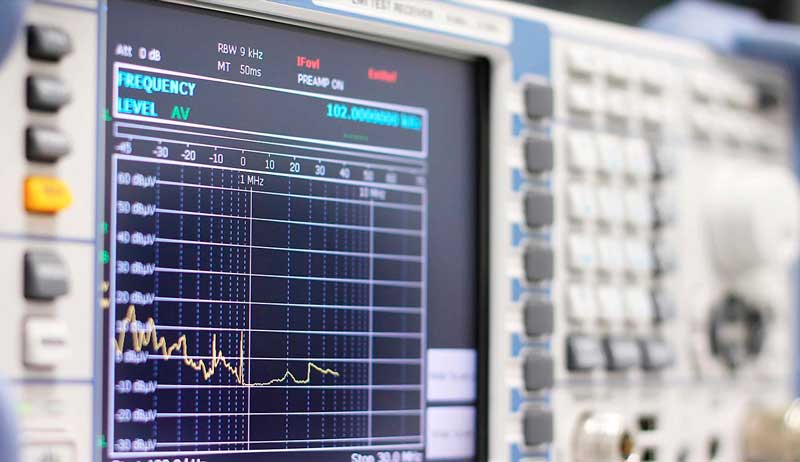
What products need to be tested for EMC?
- Multimedia equipment: including laptops, speakers, amplifiers, cameras, etc.
- Audio equipment: such as speakers, amplifiers, etc.
- Broadcast receiver equipment: such as radios, etc.
- Household appliances: such as washing machines, air conditioners, refrigerators, etc.
- Lighting equipment: such as table lamps, neon tubes, etc.
- Information technology equipment: such as microcomputers, portable computers, printers, etc.
- Video equipment: such as cameras, camcorders, etc.
- Entertainment lighting control equipment: such as DMX consoles, etc.
- Electric tools: such as electric drills, etc.
- Industrial and medical equipment: such as microscopes, medical electrical equipment, etc.
What products need to be tested for EMC?
we do EMC testing for all kinds of products, so don’t hesitate to contact to discuss your electronics products.
Multimedia equipment
including laptops, speakers, amplifiers, cameras, etc.
Information technology equipment
such as microcomputers, portable computers, printers, etc.
Audio equipment
such as speakers, amplifiers, etc.
Video equipment
such as cameras, camcorders, etc.
Broadcast receiver equipment
such as radios, etc.
Entertainment lighting control equipment
such as DMX consoles, etc.
Household appliances
such as washing machines, air conditioners, refrigerators, etc.
Equipment with RF function
such as routers, Bluetooth devices, etc.
Lighting equipment
such as table lamps, neon tubes, etc.
Industrial and medical equipment
such as microscopes, medical electrical equipment, etc.