Printed circuit boards (PCBs) are key parts of electronics. They power devices like phones and factory machines. PCB protection is essential to help devices work well and last longer. Without proper protection, they can get damaged by rust, water, or pressure. These problems may lead to expensive fixes, safety risks, or broken devices.
Think about this:
Good care and PCB protection help them work in tough situations.
Finding problems early saves money on repairs and recalls.
Reliable devices, supported by PCB protection, make users happy and meet strict rules.
By protecting PCBs, you protect your money and feel secure.
Key Takeaways
Keeping PCBs safe from water and chemicals makes them last longer.
Checking seals and moisture levels often avoids expensive fixes and breakdowns.
Strong materials and coatings protect PCBs from harm caused by the environment.
Stress tests make sure PCBs can handle hard conditions and stay dependable.
Using sensors to watch the environment helps find moisture problems early.
Understanding Environmental Hazards

Corrosion Risks to PCBs
Causes of Corrosion
Corrosion happens when PCB parts react with things like water, air, or chemicals. Too much moisture in the air can speed this up, especially in factories with lots of chemicals. Harmful substances like sulfur dioxide and chlorine can break down PCB materials, making them work poorly.
Tip: Use materials that resist chemicals and seal PCBs well to stop corrosion.
Effects of Corrosion on Functionality
Corrosion can damage PCB connections, causing them to fail or stop working. It might also create short circuits, which harm moisture-sensitive parts. Factories with high PCB levels, like paper plants, face more corrosion risks. For example, PCB levels in the air can go as high as 2300 ng m−3 in paper industries, showing how serious the problem is.
Environment Type | Location | PCB Concentration (ng m−3) |
|---|---|---|
Manufacturing Plants | Various Locations | 709 |
Paper Industry | Air | Up to 2300 |
E-waste Recycling | North-Rhine Westphalia, Germany | 38,000–330,000 |
Humidity and PCB Damage
Sources of Moisture
Moisture can get into PCBs from spills, condensation, or humid air. In places with changing temperatures, condensation becomes a big issue. Factories, schools, and offices often have too much humidity, which weakens PCB protection. For instance, dust in Quingyuan, China, has PCB levels between 568 and 11,500 ng g−1, showing how moisture in the air can harm PCBs.
Impact of Humidity on Components
Humidity can cause PCBs to swell, peel, or lose insulation. Poorly ventilated or very humid places make PCBs break down faster. Research shows that equipment in humid air wears out quicker. Studies also prove that humidity directly shortens PCB lifespan.
Note: Pick parts with high IP ratings to protect against humidity damage.
Mechanical Stress Factors
Types of Mechanical Stress
Mechanical stress includes forces like shaking, bending, or hitting that harm PCBs. These stresses happen during shipping, setup, or use in tough conditions. Fragile PCB parts are more likely to crack or break under stress.
Consequences of Physical Damage
Physical stress can ruin PCB pathways, making devices stop working. It can also let in water or chemicals, causing more damage. Studies show that workers near PCBs often have skin and eye problems. Stronger PCB designs help them handle stress better.
Tip: Add shock-absorbing materials to PCBs to reduce stress and make them last longer.
Environmental Conditions
Temperature Changes
Changes in temperature can harm PCBs a lot. Quick switches between hot and cold make materials expand and shrink. This movement weakens solder joints and harms parts. For example, during electrical issues, transformer cases can get as hot as 316°C (600°F). Such heat can bend the PCB or melt small parts.
Hot temperatures speed up chemical reactions, breaking down PCB materials faster. Cold weather makes PCBs stiff, which can cause cracks. To protect them, use heat-proof materials and add good airflow in devices.
Chemical Dangers
Chemicals in the air can also hurt PCBs. Things like cleaning sprays, factory fumes, and dust can damage PCB surfaces. In some places, PCB levels in the air range from 41.94 µg/m³ in vaults to 0.73 µg/m³ on higher floors. Surface contamination can be very high, like 280,000 µg/100 cm² in basements.
These chemicals wear away protective layers and expose fragile parts. Over time, this can cause short circuits and device failure. To protect PCBs, use strong coatings and keep them away from areas with lots of chemicals.
Why PCB Protection Matters
Making Them Last Longer
Protecting PCBs helps them work for a long time. Things like temperature changes and chemicals can make them wear out faster. Using strong materials and protective layers keeps them safe. For example, controlling temperature and moisture in storage stops damage and slows wear.
Long-lasting PCBs mean fewer replacements and less trash. This saves money and helps the planet.
Saving on Repairs
Protecting PCBs lowers repair costs. Damage from heat, moisture, or chemicals can be expensive to fix. For instance, replacing damaged parts or fixing broken solder joints costs a lot.
By taking care of PCBs early, you avoid these costs. Simple actions like sealing cases and checking conditions save money over time. Strong PCBs also make devices work better, keeping users happy and reducing complaints.
Proven Protection Methods

Material Selection and PCB Design for Enhanced Durability
Picking strong materials and designing PCBs to last is important. Materials like laminates help keep PCBs safe from moisture and damage. Old laminates can break down in wet places, causing problems. To stop this, choose laminates that avoid issues like resin loss and weak spots. These problems can make PCBs less sturdy and shorten their life.
How materials handle heat and pressure also matters. Stiffness and how much they expand show if they can handle tough conditions. Testing for conductive anodic filament (CAF) helps check if parts stay safe in wet air. CAF tests make sure moisture-sensitive parts work well in humid places. Using good materials and smart designs stops bending and breaking, keeping PCBs working in hard environments.
Tip: Pick materials that resist wet air and temperature changes to make PCBs last longer.
Protective Coatings and Encapsulation for PCB Protection
Adding protective coatings and covering PCBs keeps them safe from moisture. Coatings block water and chemicals from hurting parts. Epoxy coatings work best, cutting down PCB damage on surfaces. Polyurethane coatings are okay, but latex and petroleum-based paints don’t protect as well.
Coating Material | Performance Ranking | Key Findings |
|---|---|---|
Epoxy Coatings | 1 | Best at stopping PCB damage on surfaces. |
Polyurethane Coatings | 2 | Works moderately well against PCB harm. |
Latex Paint | 3 | Less effective than epoxy and polyurethane. |
Petroleum-based Paint | 4 | Worst at protecting PCBs. |
Barrier Model Insights | N/A | Helps rank materials based on how well they block damage. |

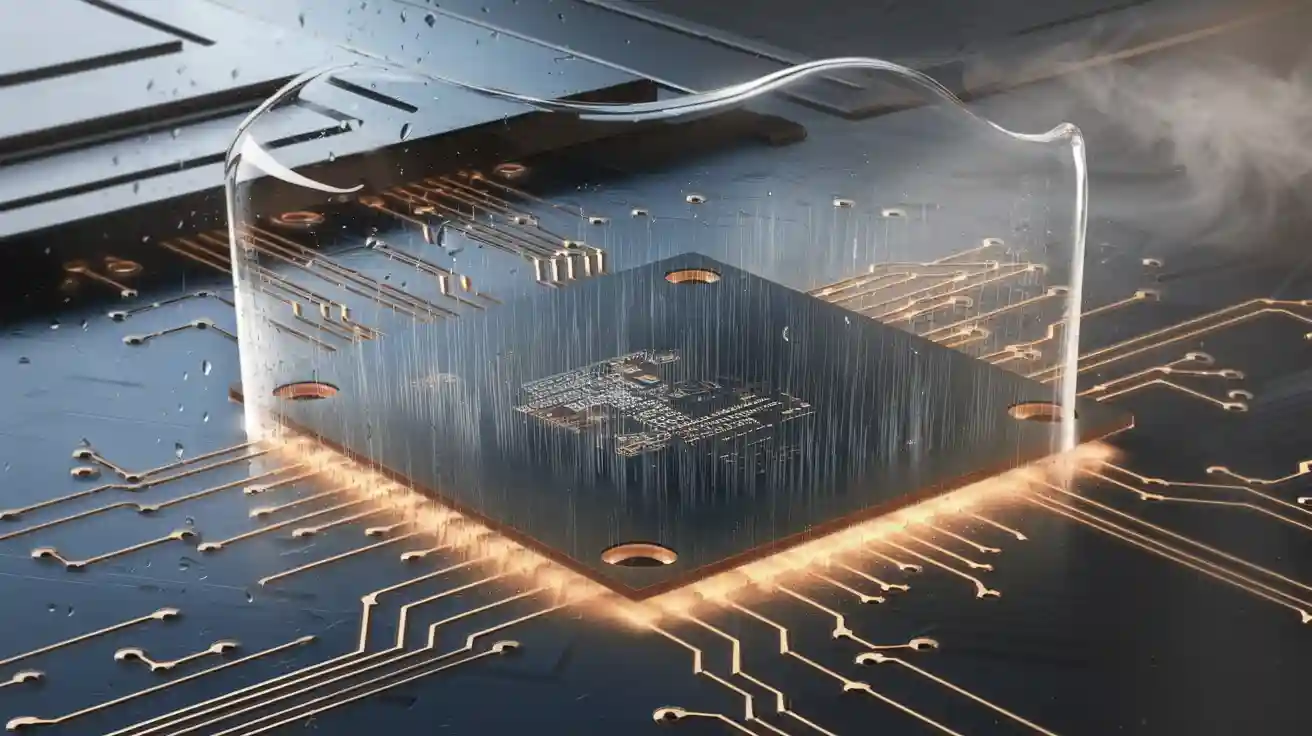
Covering PCBs fully with encapsulation adds extra safety. It stops water from reaching sensitive parts, avoiding rust and short circuits. When picking coatings or covers, check how well they block moisture and handle tough conditions. This keeps PCBs working even in bad environments.
Enclosure Design and Sealing to Protect Electronics from Humidity
Good enclosures keep electronics safe from wet air. Enclosures should use seals to stop water from getting inside. IP-rated enclosures are great for blocking water and dust. High IP ratings mean better protection, especially in very humid places.
Sealing is key to stopping moisture damage. Using seals with drying agents like silica gel keeps the inside dry. Studies show that seal placement and starting humidity levels affect how much moisture gets in. Careful design lowers the chance of moisture problems.
Benefit | Description |
|---|---|
Predicts long-term desiccant needs | Helps decide how much drying agent is needed over time. |
Tests materials and sealing methods | Checks how materials affect enclosure durability. |
Lowers failure risk | Reduces problems caused by moisture exposure. |
Saves money | Finds ways to cut costs while keeping enclosures effective. |
Cuts maintenance costs | Helps lower service expenses for moisture control. |
Reduces design risks | Fixes problems in enclosure plans to stop moisture issues. |
Keeping the right temperature and humidity inside enclosures is also important. Temperature changes happen faster than humidity shifts inside. Focus on sealing and airflow to keep conditions steady. Fixing these design details helps prevent failures and makes PCBs last longer.
Note: Check enclosures often and replace drying agents to keep moisture out.
Watching and Caring for PCBs to Stop Moisture Damage
Keeping an eye on the environment helps protect PCBs from moisture. By checking humidity and doing regular care, electronics last longer. This also lowers the chance of expensive fixes.
Why Watching the Environment Helps
Watching the environment finds moisture problems before they cause harm. Sensors inside cases can check humidity and warn about issues. These tools give live updates, so you can act fast to keep electronics safe.
Benefits of using sensors include:
Better performance of coatings that block moisture on PCBs.
Stronger enclosures with good seals to handle tough weather.
Spotting moisture early to stop big problems later.
Tip: Put sensors in cases to check moisture levels and avoid failures.
Care Tips for Long-Lasting Protection
Taking care of PCBs keeps them safe for a long time. Follow these easy steps to protect your electronics:
Check Seals Often
Look at seals for damage. Fix or change broken seals to block water and dust. Good seals keep parts safe inside the case.Change Drying Agents Regularly
Use silica gel to soak up extra moisture in cases. Over time, these gels stop working, so replace them often. This keeps the air dry and protects PCBs.Watch Temperature and Humidity
Keep track of the air inside the case. Quick temperature changes can make water form, which hurts PCBs. Monitoring tools help keep conditions steady and safe.Test Cases for Weak Spots
Check cases to find places where water might get in. High IP-rated cases are great, but testing makes sure they work well. Fixing weak spots stops future damage.
Why Regular Care is Worth It
Regular care saves money and keeps devices working well. Fixing problems early avoids big repair costs and makes electronics last longer. It also cuts downtime, so everything runs smoothly.
Care Task | How It Helps |
|---|---|
Seal Checking | Blocks water and keeps parts safe. |
Changing Drying Agents | Keeps the air inside cases dry. |
Watching the Environment | Finds problems early and stops moisture damage. |
Testing Cases | Finds weak spots and improves moisture protection. |
Note: Using sensors and regular care together builds strong protection against moisture problems.
By following these steps, you can keep PCBs safe from moisture and other dangers. This not only makes electronics last longer but also saves money and reduces downtime.
Testing and Validation
Stress Testing for PCB Protection
Stress testing checks if PCBs can survive tough conditions. It uses tests to find weak spots and stop moisture damage. Common tests include shaking, heating, cooling, and dropping boards. These tests measure how strong and heat-resistant the boards are.
For example, vibration testing shakes PCBs like they would in real use. Steady vibration tests mimic regular movements, while random ones copy unexpected shakes. Shock testing drops or hits boards to check solder strength and toughness.
Environmental stress testing adds more challenges like heat changes, wet air, and sudden temperature shifts. These tests show if PCBs can handle moisture and keep working. HALT and HASS are advanced tests that push boards hard to find problems early.
Test Method | What It Does |
|---|---|
Temperature Cycling | Switches between hot and cold to test material strength. |
Vibration Testing | Mimics shaking to check mechanical stability. |
Drop/Shock Testing | Drops boards to test impact resistance. |
Environmental Stress Testing | Tests boards in wet air, heat, and shaking conditions. |
HASS/HALT | Pushes boards to their limits to find early failures. |
Tip: Stress testing often helps protect electronics from wet air and other dangers.
Quality Assurance to Ensure Moisture Protection and Reliability
Quality assurance makes sure PCBs meet high standards for moisture safety. Certifications like ISO 9001 and IPC-A-610 prove boards follow industry rules. These rules focus on good assembly and quality systems.
Detailed inspections like AOI and X-ray find problems that could let moisture in. ICT checks electrical parts to make sure boards work well. Traceability systems track parts and processes to spot issues early.
Metric Type | What It Does |
|---|---|
Certifications and Standards | ISO 9001 and IPC-A-610 ensure good assembly and quality systems. |
Comprehensive Inspection | AOI and X-ray find defects and check electrical parts. |
Traceability and Data Analysis | Tracks parts to improve quality and fix problems early. |
To make boards last longer, use moisture safety steps like sealing and drying agents. These steps stop wet air damage and help PCBs work longer. Regular tests and checks keep conditions safe and lower risks.
Note: Mixing strong quality checks with stress tests gives full protection against moisture and other dangers.
Keeping PCBs safe from environmental dangers helps electronics stay strong and work well. Use good materials, add protective coatings, and build sturdy enclosures to guard against moisture, rust, and physical damage. Regular care, like checking seals and changing drying agents, makes them last longer.
Why Protecting PCBs Matters:
Cuts down on repair costs and delays.
Makes electronic parts last longer.
Helps devices perform better in tough places.
Research shows that weather changes can increase PCB risks. This proves why custom protection plans are so important. Different PCB residues also change how dangerous they are, so specific data is key for safety.
Start by watching the environment and testing for weak spots in enclosures. These actions keep your devices working and safe, even in bad conditions.
FAQ
How can you keep PCBs safe from moisture?
Use cases with high IP ratings to block water and dust. Add silica gel to absorb moisture and keep air dry. Check seals often and replace damaged ones quickly.
How do you make sure PCB cases work well over time?
Look for weak spots or broken seals during regular checks. Change silica gel often to keep the inside dry. Use sensors to watch humidity and fix problems early.
Why are coatings important for protecting PCBs?
Coatings protect PCBs from water and harmful chemicals. Epoxy coatings work best to stop rust and keep parts lasting longer.
What happens to PCB cases with temperature changes?
Quick temperature changes can create water inside cases. This water harms PCBs. Use materials that handle temperature changes and add airflow to keep things steady.
Why is watching the environment important for PCB safety?
Sensors help find moisture or heat problems inside cases. They give live updates so you can fix issues fast and protect electronics.