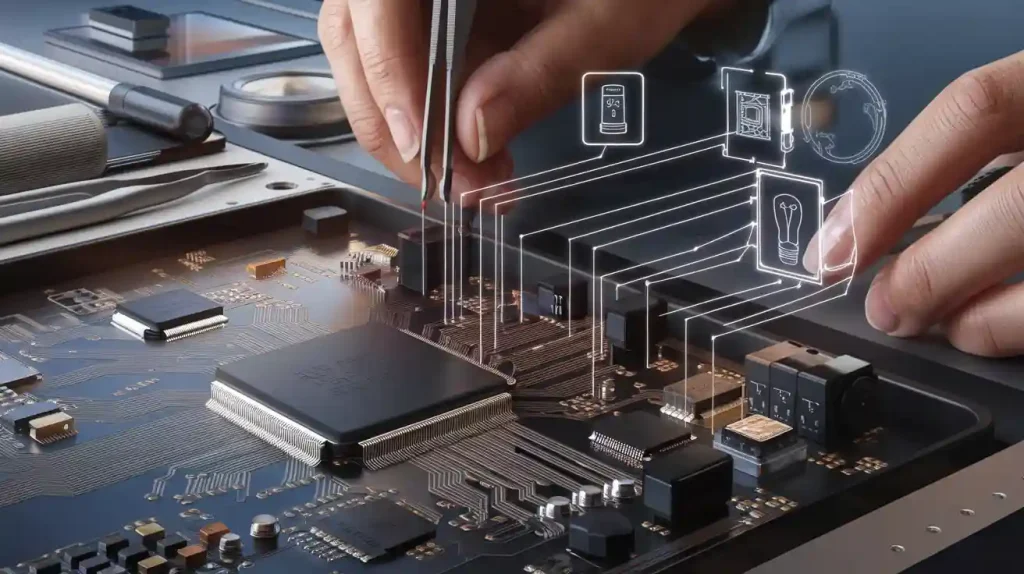
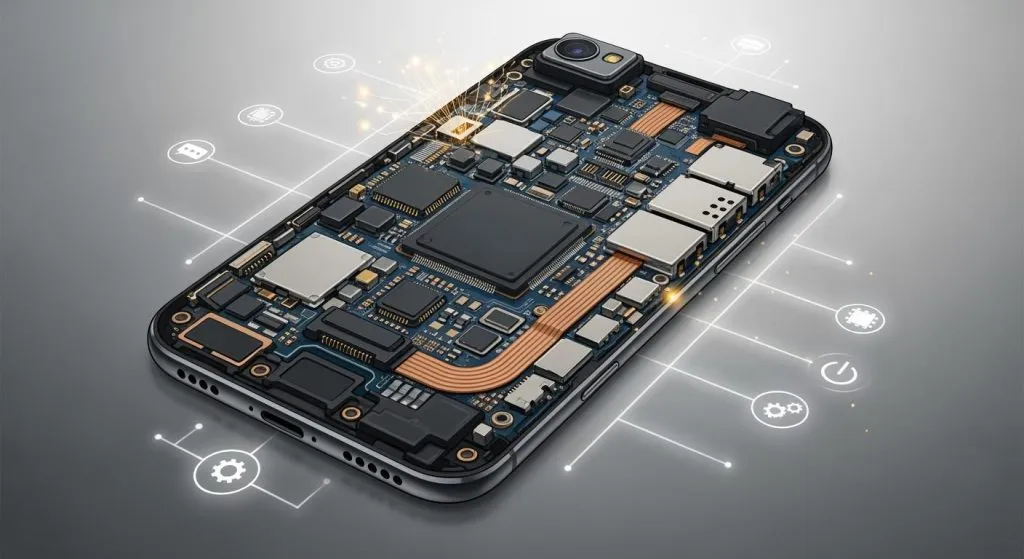
A printed circuit board helps control many parts in electric vehicles. The main components PCB in cars link sensors, power supplies, and processors. These vehicles need a PCB to handle energy, monitor safety, and improve functionality. Engineers use the main components PCB to support critical systems in each vehicle. Printed circuit boards help run electric motors and keep the EV working efficiently. Every electric vehicle requires a PCB to ensure optimal performance and safety.
Key Takeaways
Printed circuit boards (PCBs) link and control important parts in electric vehicles, like batteries, motors, and safety systems. PCBs help these parts work together.
Special PCBs watch each battery cell to keep the battery safe and make it last longer. This helps manage battery health.
There are different PCB types, like heavy copper and flexible boards. These help with heat, space, and power needs to make things work better.
Engineers make PCBs strong against heat, shaking, and interference. This makes sure electric vehicles work safely and well.
Smaller and smarter PCBs help electric vehicles be lighter and use less energy. They also let cars have more cool features.
PCB of Main Module
Printed circuit boards are very important in electric vehicles. The main Module PCB help many systems work safely and well. Engineers make these boards to handle lots of power and control electronics. They also connect sensors and processors. The table below shows where PCBs are used in electric vehicles and how common they are:
PCB Application Area | Role in Electric Vehicles (EVs) | Prevalence in Current EV Models |
|---|---|---|
Battery Management Systems | Critical for monitoring and managing battery performance and safety | Widely used in passenger cars, electric buses, and trucks |
Motor Control | Controls electric motor operation, essential for EV propulsion | Common in all EV types including commercial vehicles |
Charging Infrastructure | Manages charging processes and interfaces | Increasingly integrated in EVs with fast-charging capabilities |
Powertrain Control Modules | Coordinates power delivery and energy efficiency | Present in passenger and commercial EVs |
Infotainment Systems | Provides connectivity, navigation, entertainment, and integration with smartphones | Dominant in passenger EVs, especially mid-range and luxury cars |
Advanced Driver-Assistance Systems (ADAS) | Supports safety and autonomous driving features | Growing adoption in newer EV models |
Multi-layer PCBs | Supports complex circuitry for battery, motor controllers, and ADAS | Fastest growing PCB type, essential in modern EVs |
Battery Management System
The battery management system uses the main components PCB to watch and control the battery. These boards check cell voltage, temperature, and current. They help keep the charge even and stop overcharging or overheating. This keeps the battery safe and helps it last longer. The battery management system can also turn off the battery if there is a problem. Engineers trust the main components PCB to make sure the battery works well and safely.
Motor Control
Motor control is another big job for the main components PCB. These boards help run the electric motor that moves the vehicle. The PCB in the motor control unit gets orders from the vehicle control unit. It changes the motor’s speed and torque. Some advanced motors use special PCB stators to make movement smooth. Some systems use 24-bit encoders for very accurate control. These boards are small, so they fit in tight spaces. They are light and powerful, which helps the battery last longer. The main components PCB in motor control also make less noise and last longer.
Charging and Power Distribution
Charging and power distribution need the main components PCB to handle strong currents and voltages. These boards control how electricity flows during charging. They also send power to different parts of the vehicle. The vehicle control unit PCB watches over everything. The motor control unit PCB changes the motor as needed. The battery management system PCB checks the battery while charging and using power. Engineers use thick copper and special insulation to keep the boards safe and cool. Good spacing between copper lines helps prevent problems with high voltage. The main components PCB also let the vehicle use both AC and DC charging. Power semiconductors on these boards help control electricity well.
Infotainment and Connectivity
Infotainment and connectivity systems use the main components PCB for fun, maps, and talking. These boards connect to screens, speakers, and wireless devices. Different connectors link the parts together. Waterproof connectors keep out dust and water. Flexible connectors fit into small spaces. Some connectors make it easy to put parts together and last longer. The main components PCB in infotainment systems move data fast and block interference. They also work in tough conditions. These features let drivers use smartphones, voice commands, and get help while driving.
Safety Systems
Safety is very important in electric vehicles. The main components PCB help with airbags, ABS, and stability control. Sensors on these boards notice crashes and changes in movement. The PCB sends signals to turn on safety features fast. The main components PCB also control lights like LED headlights. Heating and air conditioning systems use these boards too. Power semiconductors help manage energy for these jobs. The main components PCB in safety systems must be strong and work all the time to keep people safe.
Note: The main components PCB in electric vehicles have many mounted parts, like resistors, capacitors, sensors, and power semiconductors. These parts work together to control, watch, and protect every system in the vehicle.
The table below lists some important parts found on the main components PCB and what they do:
Component Category | Key Components Mounted on PCBs | Contribution to System Performance |
|---|---|---|
Security Systems | Airbag sensors, ABS, stability control | Enhance vehicle safety by detecting collisions and controlling braking and stability |
Car Entertainment Systems | Audio/video systems, multimedia navigation, rear-seat entertainment | Improve user experience with high-quality audio and video |
Electric Control Systems | Battery management system (BMS), electric drive, charging control | Ensure safe operation and efficient performance of electric vehicles |
Dashboard and Control Units | Speedometers, tachometers, fuel and temperature indicators | Provide driver with real-time vehicle status and control |
Vehicle Communication Systems | Bluetooth, wireless networks, GPS navigation | Enable vehicle connectivity and communication with external devices |
Engine Control Unit (ECU) | Sensors and actuators controlling engine performance | Optimize engine efficiency and operation |
Lighting Systems | LED headlights, interior lighting | Provide energy-efficient and effective lighting |
Control Modules and Sensors | Air conditioning, brake control, reversing radar sensors | Monitor vehicle status and control specific functions |
Charging Equipment | Charging piles and equipment | Manage charging process, monitor current and voltage |
The main components PCB are the backbone of electric vehicles. They connect and control all the big systems, like the battery, motor, infotainment, and safety. Engineers keep making these boards better for new vehicles. As electric vehicles get more advanced, the main components PCB will become even more important for performance, safety, and new ideas.
Electric Vehicle Battery Management System
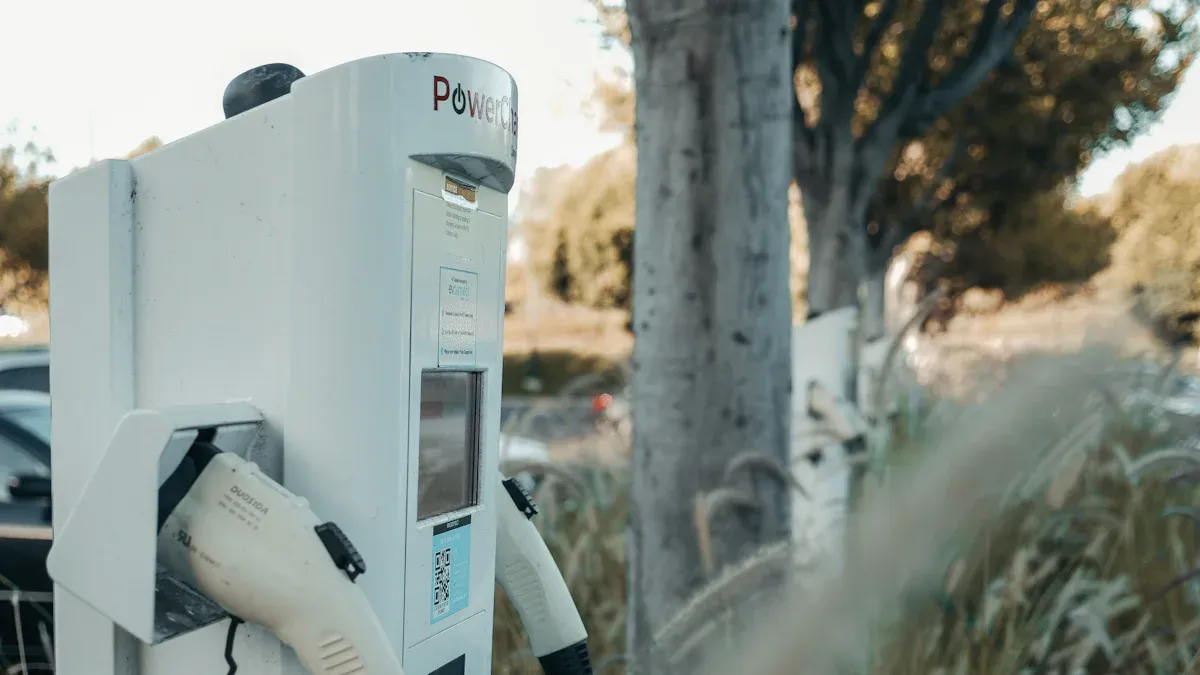
The electric vehicle battery management system keeps the battery safe. It controls how the battery works in every electric car. This system uses a pcb to link sensors, controllers, and other parts. The pcb helps the battery management system check each battery cell. It makes sure the battery stays safe. Engineers design these systems to make batteries work better. They also help the battery last longer and hold more energy.
PCB Role in BMS
The pcb is the main part of the battery management system. It holds sensors and microcontrollers that watch the battery. These sensors check voltage, temperature, and current for each cell. They also check how much charge each cell has. The pcb gathers this data and sends it to the battery management system. This helps control charging and discharging. The pcb lets the system talk to other parts of the car. Flexible and multilayer pcb designs fit many circuits in a small space. This makes the system work better and more reliably.
Note: The pcb in the battery management system helps control power flow. It also protects the battery from getting damaged.
Cell Monitoring and Balancing
The battery management system uses the pcb to watch every battery cell. Each cell can charge or lose power at different speeds. If one cell gets too much charge or loses too much, it can hurt the battery. The pcb helps by:
Checking voltage, temperature, and current for each cell.
Making sure all cells have the same charge (cell balancing).
Stopping overcharging or deep discharging.
Collecting data and sending it to the main controller.
Adjusting charging and discharging to keep the battery healthy.
The pcb lets the battery management system balance cells and stop problems. This keeps the battery safe and helps it last longer. The system also uses the pcb to check battery capacity. It makes sure the battery works as well as possible.
Safety and Reliability
Safety is very important for the battery management system. The pcb adds safety features to protect the battery and the car. Some important safety and reliability features are:
Extra monitoring systems that check each other for mistakes.
Special chips that watch each cell and the whole battery pack.
Timers and self-checks that make sure the system works right.
Protection against short circuits and high currents.
Always-on monitoring that uses little power.
Checks to find early signs of damage or aging.
The battery management system uses the pcb to watch for unsafe things. If it finds a problem, it can turn off the battery to stop accidents. The pcb also helps balance the need for more sensors with simple design. Engineers trust the pcb to keep the battery safe and manage discharging. It also helps the battery work better.
Tip: A good battery management system with a strong pcb can stop thermal runaway and other dangers before they happen.
The electric vehicle battery management system needs the pcb for cell monitoring, balancing, and safety. This system helps the battery give power safely and efficiently. It makes electric vehicles more reliable and helps them last longer.
New Energy Vehicle PCB Types
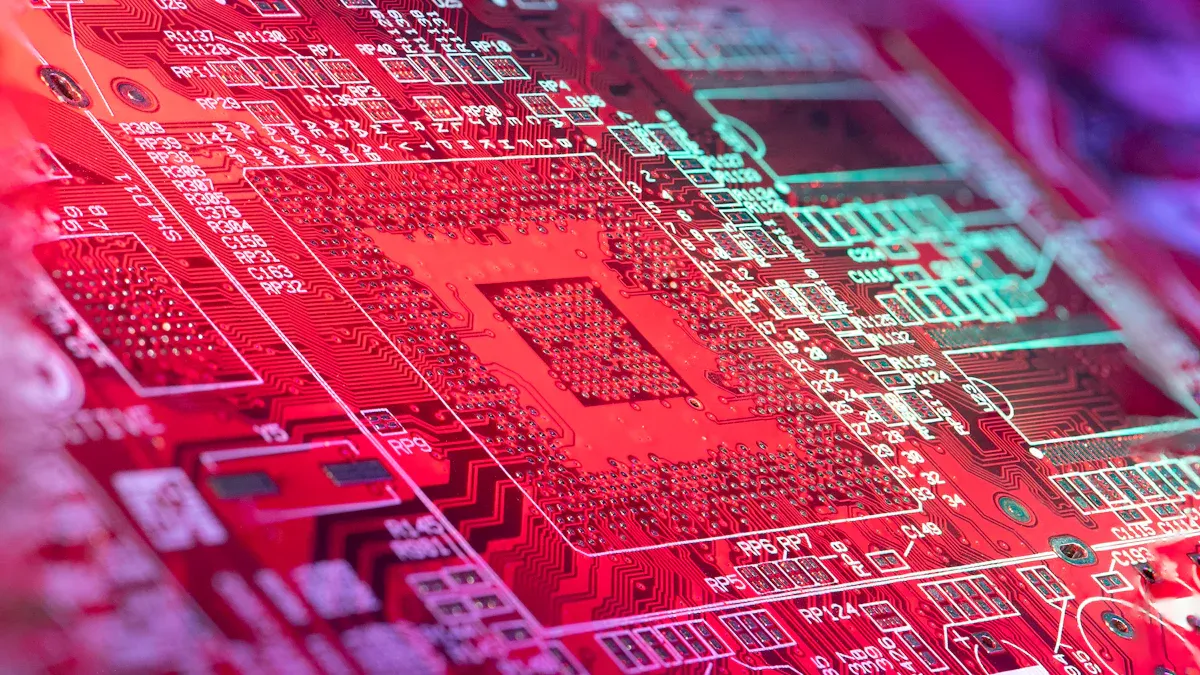
New energy vehicle pcb designs use different boards for electric vehicles. Each board type has special features to help parts work better. These features also help parts last longer. Picking the right high-density pcb can make cars safer and more reliable. It also helps them use energy better.
Heavy Copper PCB
Heavy copper new energy vehicle pcb has thick copper layers. This helps the board carry more current and move heat away. Motor controllers and charging systems need strong boards like this. Heavy copper boards make connectors and holes tougher. They also let the board be smaller, which saves space in high-density pcb layouts.
Heavy copper pcbs can handle lots of current.
They spread heat to keep things cool.
These boards make connector spots stronger.
Smaller boards fit better in tight spaces.
Heavy copper boards are good for motor control and charging.
HDI PCB
High-density pcb, or HDI pcb, fits many circuits in a small space. This new energy vehicle pcb uses thin lines and tiny holes. HDI pcb helps advanced parts like sensors and control units. These boards save space and make the car lighter. They also move data fast, which is good for smart systems.
HDI pcb lets more things fit in less space.
It makes new energy vehicle pcb lighter and smaller.
High-density pcb helps signals move faster and with less noise.
Flexible and Rigid-Flex PCB
Flexible and rigid-flex new energy vehicle pcb can bend or fold. This helps them fit in small or odd-shaped places. Many parts like sensors, lights, and screens use these boards. Flexible boards are light, so the battery lasts longer. They also stand up to shaking and heat, so they are reliable.
Flexible pcb saves space and weight in cars.
Rigid-flex pcb can handle shaking and heat changes.
These boards need fewer connectors, so they cost less.
They carry high current and fast signals for batteries.
Insulated Metal Substrate PCB
Insulated metal substrate (IMS) new energy vehicle pcb has a metal base, often aluminum. The metal base moves heat away fast, keeping parts cool. IMS boards are used in power electronics, lights, and motor drives. They are strong and can handle shaking.
IMS pcb moves heat away quickly.
The metal base keeps parts from getting too hot.
IMS helps new energy automobile parts stay safe and work well.
These boards meet strict rules for electric vehicles.
SMT PCB
SMT pcb uses surface-mount technology to put parts on the board. This lets high-density pcb designs fit more parts in less space. SMT pcb is used in battery management and motor control. Machines put the parts on fast and correctly.
SMT pcb fits lots of parts in a small area.
It makes signals move faster by using short paths.
SMT helps new energy vehicle pcb handle shaking and heat.
Machines make SMT assembly quick and high quality.
Note: New energy vehicle pcb uses many materials. Some common ones are fiberglass (FR-4), polyimide, and metal cores like aluminum. These materials are strong, resist heat, and work well with electricity. The table below shows some materials and how they are used:
Material | Description and Properties | Typical Use Cases in EV PCBs |
|---|---|---|
Fiberglass, flame retardant, strong, affordable | Standard new energy vehicle pcb | |
Polyimide | High thermal resistance, flexible | Flexible and rigid-flex pcb |
Metal Core | Aluminum base, high heat dissipation, strong | IMS pcb, power electronics, lighting |
PTFE/Rogers | Low signal loss, good for high-frequency, heat management | High-density pcb, ADAS, communication units |
New energy vehicle pcb types help electric vehicles get safer and smarter. They also help cars use energy better and last longer. The right high-density pcb and materials make new energy automobile parts work their best.
Design and Manufacturing
Making a pcb for an electric vehicle is hard. Engineers have to fix problems with heat, space, and making sure it works well. The pcb must handle high voltages and work in rough places.
Thermal Management
Heat is a big issue for high-power pcbs. These boards can have voltages up to 280 or 360 volts. If the pcb gets too hot, it can hurt the battery or other parts. To help, makers use thermal interface materials. These materials fill spaces between hot parts and heat sinks. They move heat away fast and keep the pcb cool. Special machines put these materials in the right spots. This stops air pockets from forming. It keeps the battery and other systems safe.
EMI and Environmental Resistance
Electromagnetic interference, called EMI, can cause trouble in a car’s systems. Engineers use different ways to stop EMI. The table below shows some common ways:
Technique | Description | Purpose/Effectiveness |
|---|---|---|
Nanocrystalline Core | Used in chokes to block noise in high voltage circuits. | Stops unwanted signals between 150 kHz and 120 MHz. |
Y-capacitors | Connect to the chassis to filter high-frequency noise. | Improve filtering and reduce emissions above 5 MHz. |
X2Y capacitors | Cancel out unwanted signals and provide shielding. | Offer low-inductance decoupling and save space. |
Grounding Design | Use a single ground point and keep high voltage lines separate. | Reduces EMI and keeps signals clean. |
DC Link Design | Keep power lines short and close together. | Lowers noise and improves performance. |
Engineers also use shields and special ground planes. These protect the pcb from dust, water, and bumps.
Miniaturization
There is not much space inside an electric vehicle. Miniaturization helps fit more circuits in a small area. Smaller pcbs weigh less and make the car lighter. This helps the battery last longer and makes the car work better. Some boards can control many systems at once. This saves space and makes things easier.
Tip: Miniaturization lets engineers add more features without making the car bigger or heavier.
Reliability
Reliability is very important for every pcb in an electric vehicle. These boards face heat, shaking, and water. Common problems are broken solder joints, getting too hot, and electrical stress. Engineers use strong materials and careful building to stop these problems. They match how parts and boards grow when hot to stop cracks. They also test for dirt and use special coatings to keep out dust and water. Good design and testing help the battery and other systems last longer.
Printed circuit boards make electric vehicles safer and smarter. They help important systems like battery management and motor control. Infotainment systems also use these boards. New PCB technology lets designers put more parts in small spaces. This makes electric vehicles work better.
In the future, PCBs will get smaller and more flexible. They will also use materials that are better for the environment.
Knowing how PCBs work helps engineers build better cars. It also helps them keep up with new ideas.
Learn about new PCB changes to see how they change transportation in the future.
FAQ
What does a PCB do in an electric vehicle?
A PCB links electronic parts in the car. It helps the battery, motor, and safety systems work together. Engineers use PCBs to keep the car safe and running well.
Why do electric vehicles need special PCBs?
Electric vehicles use lots of power and get hot. They also shake and can get wet. Special PCBs are made to handle these hard conditions. They use tough materials and smart designs to keep the car safe and working.
How do PCBs help with battery safety?
PCBs in the battery management system watch each battery cell. They check voltage and temperature for each one. If something is wrong, the PCB can stop the battery from getting hurt.
What materials do engineers use for EV PCBs?
Material | Main Benefit |
|---|---|
FR-4 | Strong and affordable |
Polyimide | Flexible and heat-resistant |
Aluminum | Good for cooling |
These materials help PCBs last longer and work better in electric vehicles.
Can PCBs make electric vehicles more energy efficient?
Yes! PCBs help control how power moves in the car. They make sure energy goes where it is needed. This helps the battery last longer and the car use less energy.