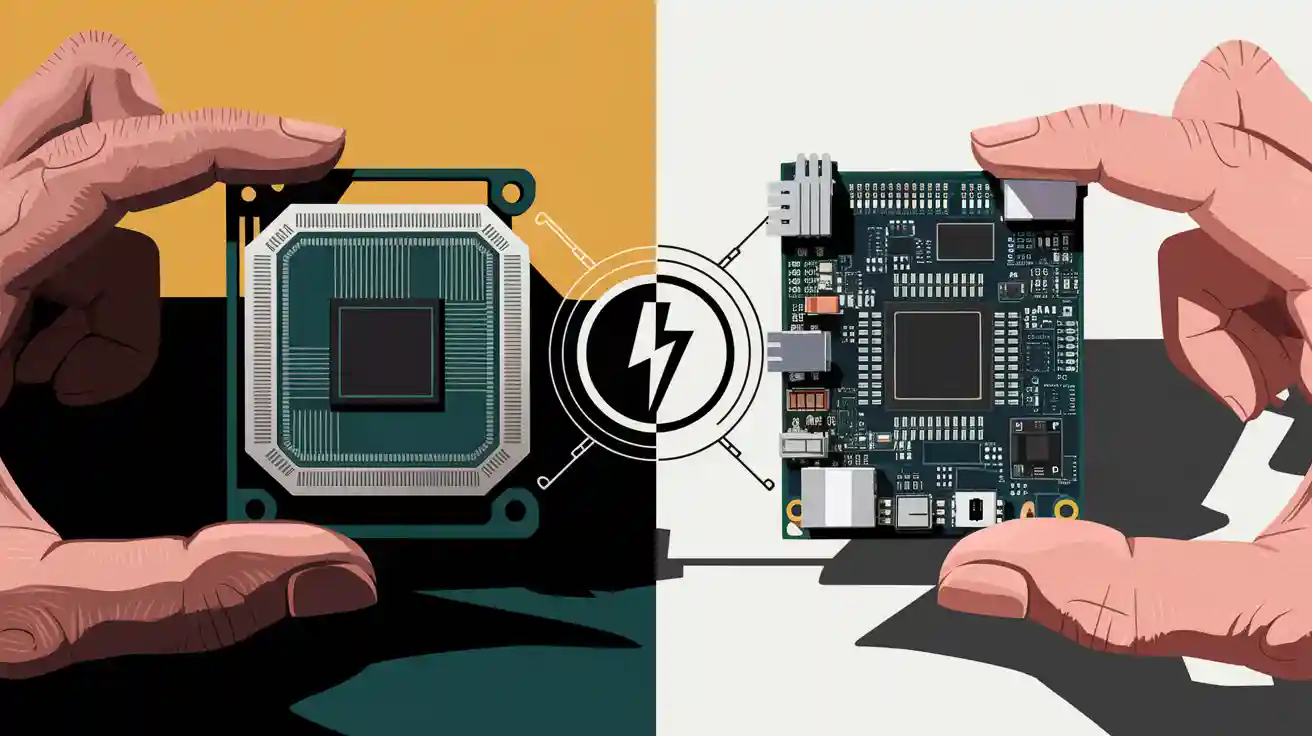
Metal substrate PCBs, like aluminum and copper core types, work well for power devices that need good heat control. Heavy copper PCBs are also important in power uses, especially when high current and great heat flow are needed. Around the world, aluminum-based PCBs make up about 60-65% of the market. Copper-based PCBs, including heavy copper, make up about 35%. Heavy copper PCBs are used more and more in solar inverters and other tough jobs. Engineers look at heat, strength, and price when picking the best PCB for each device.
Key Takeaways
Metal core PCBs have a metal base like aluminum or copper. They move heat away fast. This makes them good for devices where heat control is more important than carrying a lot of current.
Heavy copper PCBs have very thick copper layers. They carry high currents and handle heat and stress well. This makes them great for hard jobs like EV chargers and big power systems.
Aluminum core PCBs are light and do not cost much. They work well for medium-power devices like LED lights. Copper core PCBs control heat best and are very strong, but they cost more.
Picking the right PCB depends on the device’s heat, current, and where it will be used. The right PCB helps devices last longer and work better.
Talking to PCB experts about things like copper thickness and layers helps you get the best fit for your device’s needs and budget.
Metal Core PCB vs Heavy Copper PCB

Structure and Materials
Metal core PCBs and heavy copper PCBs are both used in power devices. Their structures and materials are not the same. Metal core PCBs have a metal base layer. This base is usually aluminum or copper. The metal base helps move heat away from important parts. Aluminum is picked most often. It is light, not too expensive, and moves heat well. Copper core PCBs use copper as the base. Copper moves heat even better and is stronger. But copper costs more than aluminum.
Heavy copper PCBs do not have a metal base. They use thick copper layers inside the board. These copper layers are much thicker than in normal PCBs. Sometimes, they are several ounces for each square foot. Thick copper lets these boards carry high currents. It also helps them avoid damage from heating and cooling over and over.
Feature | Metal Core PCB (Aluminum/Copper) | Heavy Copper PCB |
|---|---|---|
Base Material | Aluminum or copper substrate | Standard FR-4 (no metal substrate) |
Copper Layer Thickness | Standard | Very thick (up to 20 oz/ft²) |
Heat Dissipation | Excellent (especially copper core pcb) | Very good (via thick copper) |
Mechanical Strength | High (copper core pcb strongest) | High (from thick copper) |
Weight | Aluminum is light, copper is heavier | Moderate |
Note: Aluminum core PCBs are a good mix of price and performance. Copper core PCBs are best for heat control and strength in tough jobs.
Manufacturing Differences
Making metal core PCBs and heavy copper PCBs is not the same. Metal core PCBs start with a metal base, usually aluminum or copper. A special layer is put on the metal base. Then a copper circuit layer goes on top. The layers must stick together well. If not, the board can bend because metal and other layers expand differently.
Copper core PCBs are harder to drill and cut than aluminum ones. Copper is tougher, so tools wear out faster. This makes copper core PCBs take longer to make. Aluminum core PCBs are easier to work with. That is why they are used more when making many boards at once.
Heavy copper PCBs use a normal FR-4 base. They need special steps to make the copper layers thick. Makers plate and etch the copper many times. This takes longer and needs careful checks. If not done right, there can be holes or uneven copper.
Both types of PCBs must meet industry rules:
IPC-6012 tells how good and strong rigid PCBs must be, including metal core PCBs.
Heavy copper PCBs must also meet these rules, even if not named in IPC-6012.
UL Certification checks for safety. UL 94 rates how easy it is for the board to catch fire, which is important for power devices.
Aerospace rules like AS9100 and AS9102 are used for metal core PCBs in important jobs.
Both types must follow rules about the environment and where materials come from, like REACH and conflict minerals.
Heavy copper PCBs last longer in tough places. Their thick copper makes them strong and able to carry more current. They handle heat and stress better than metal core PCBs. In factories and power plants, heavy copper PCBs last longer and need less fixing. Metal core PCBs, especially with aluminum, are good at moving heat and are flexible. But they do not last as long as heavy copper PCBs in rough conditions.
Metal Substrate Types
Aluminum Core PCB
Aluminum core PCB has an aluminum base as its main part. This kind of PCB is good because it is not too heavy or expensive. It also works well for many uses. Aluminum lets electricity and heat move through it pretty well. It helps keep important parts from getting too hot. Most aluminum core PCBs have a special layer between the aluminum and the copper circuit. This layer slows down how fast heat can move. But the board still works well for many power devices.
The table below shows how well aluminum core PCB and copper core PCB move heat:
PCB Type | Thermal Conductivity (W/mK) | Notes |
|---|---|---|
Aluminum Core PCB | 1 to 9 | Most commonly 1 to 2; limited by dielectric layer between aluminum substrate and copper layer |
Copper Core PCB | Close to 400 | Achieved especially with thermoelectric separation technology; significantly higher than aluminum |
Aluminum core PCB is light and does not cost much. It is best for things like LED lights. These need good heat control and low price. Many engineers pick aluminum because it is easy to make and works well in medium-power devices. Aluminum does not rust easily. This makes it good for use outside or in wet places.
Copper Core PCB
Copper core PCB uses copper as its main metal part. Copper lets heat move much faster than aluminum. This means copper core PCB can cool down parts very quickly. Its thermal conductivity can get close to 400 W/mK. This is much higher than what aluminum core PCB can do. Copper also makes the board stronger and tougher.
Copper core PCB is best for high-power jobs. These include strong LED lights, car lights, stage lights, and big air-conditioning systems. Copper core PCB can handle big changes in temperature and lots of heat. Copper costs more and is heavier. But its great heat control and strength make it the best choice for hard power device jobs.
Note: Engineers pick copper core PCB when they need the best heat control and strength, even if it costs more.
Thermal Conductivity Properties
Heat Dissipation
Getting rid of heat is very important in power devices. Metal core PCBs, especially with copper, are great at moving heat away. They have high thermal conductivity, so heat leaves parts fast. Aluminum core PCBs also move heat well, but not as well as copper. Heavy copper PCBs have thick copper layers. These layers help heat spread out and keep the board cool. This stops hot spots and keeps the device safe.
Engineers pick metal core PCBs when they need to cool things down fast. LED lights, car electronics, and power supplies use these boards for cooling. Heavy copper PCBs also help move heat, especially in circuits with lots of current. Their design stops heat from building up. This helps the device work well all the time. Both types use their special build to move heat and keep things cool.
Tip: Picking the right PCB for heat can make power devices last longer and need less fixing.
High-Temperature Performance
Working well in high heat is important for power electronics. Heavy copper PCBs are strong and can handle a lot of heat. They can work safely up to about 150°C, depending on what they are made of. This makes them good for tough jobs like car systems and big power machines. Metal core PCBs, especially copper ones, also move heat fast. How hot they can get depends on the glass transition temperature (TG) of the laminate.
Both types help cool things down and move heat away. This means power devices keep working even when it is very hot. Engineers trust these boards because they manage heat well and work the same in hard jobs.
Electrical and Mechanical Performance
Current Carrying Capacity
Engineers pick PCBs by how much current they can handle. Heavy copper PCBs are best for high current jobs. They have thick copper layers. This helps them carry a lot of current without getting too hot. Many power devices use this, like factory controllers and EV chargers. The copper pcb design lowers resistance and boosts how well it works.
Aluminum core PCBs are used for high current too. But they cannot carry as much current as copper core PCBs. Aluminum moves heat well, but copper moves heat and electricity better. For jobs that need a lot of current, copper pcb is more reliable and works better.
Note: Copper pcb technology keeps things stable and safe in high current jobs.
Mechanical Strength
Mechanical strength is important for PCBs in tough places. Copper core PCBs are very strong because copper is tough. These boards do not bend or warp easily. This helps them last longer in power devices that shake or get hit. Heavy copper PCBs also keep their shape and work well in high current jobs. That is why they are picked for power systems that need to be strong.
Aluminum core PCBs are strong too. Aluminum is light and does not rust, which helps the board last. Many engineers use aluminum core PCBs in LED lights and car power systems. They are a good mix of strength, weight, and price. But when power needs are very high, copper core PCBs are the best for strength and trust.
PCB Type | Current Carrying Capacity | Mechanical Strength | Best Use Case |
|---|---|---|---|
Aluminum Core | Moderate | Good | LED, automotive, power LEDs |
Copper Core | Excellent | Excellent | High current applications |
Heavy Copper PCB | Outstanding | Excellent | Industrial, EV, power grids |
Cost Considerations
Material Costs
Picking the right material changes how much a PCB costs. Aluminum core PCBs use aluminum, which is cheaper than copper. This makes them a good pick for projects that need to save money. Heavy copper PCBs need a lot more copper, so they cost more. Copper core PCBs also cost more because copper is worth a lot.
The table below shows how much each type usually costs:
PCB Type | Base Material | Relative Cost | Notes |
|---|---|---|---|
Aluminum Core PCB | Aluminum | Low | Good for budget projects |
Copper Core PCB | Copper | High | Best for top thermal needs |
Heavy Copper PCB | FR-4 + Copper | High | Needed for high current jobs |
Note: Aluminum core PCBs are a good mix of price and heat control. Heavy copper and copper core PCBs are better at moving heat but cost more.
Long-Term Value
Engineers think about more than just the first price. Long-term value means how well the board handles heat, current, and stress over time. Heavy copper PCBs last longer in hard places. Their thick copper layers stop damage from heating and cooling again and again. This means less fixing and less time when things are broken.
Aluminum core PCBs work well in many power devices. They control heat well and do not cost a lot. If a device does not face really hard jobs, aluminum core PCBs are a strong choice for the long run. Copper core PCBs give the best heat control and strength. They are best for high-power devices where you need them to work all the time.
Heavy copper PCBs: Best for long use in hard jobs.
Aluminum core PCBs: Good for saving money and okay heat needs.
Copper core PCBs: Best for top heat and strength needs.
Tip: Picking the right PCB can save money over time and help devices last longer.
Power Device Applications
When to Use Metal Core PCB
Engineers pick a metal core pcb when devices get hot but do not need very high current. These boards are great for jobs where heat control matters most. The metal base, often aluminum, helps heat leave important parts fast. This keeps the device working longer and makes it more reliable.
Metal core pcbs are used in many places:
High-power LED lights, like street lamps and stadium lights.
LED signs and displays, such as billboards and traffic lights.
Car lights, including headlights and dashboard lights.
Electronics with LED backlights or camera flashes.
Indoor farm lights for growing plants.
Power supplies and converters for homes and factories.
Motor controls in electric and hybrid cars.
Solid state relays and voltage controllers.
Solar panels and solar cells.
These uses need the metal core’s good heat control. For example, in LED street lights, the metal core pcb keeps LEDs cool. This stops them from breaking early and keeps them bright. In car headlights, the board moves heat away from strong LEDs. This helps the lights work safely in any weather. Power supplies and converters use these boards to keep parts cool. This protects the circuits inside.
Note: Metal core pcbs are a smart choice when heat control is more important than carrying lots of current.
When to Use Heavy Copper PCB
Heavy copper pcb is used for jobs that need to carry a lot of current and handle heat well. These boards have thick copper layers. This lets them move big currents and work in tough places. Engineers use heavy copper pcb when devices face power surges, shaking, or very hot and cold temperatures.
Heavy copper pcbs are found in these jobs:
Scenario / Application Area | Reason for Heavy Copper PCB Preference | Key Features / Benefits |
|---|---|---|
Electric Vehicle (EV) Charging Stations | Handles high current and heat well | Helps with power changes and battery safety; stops overheating |
Industrial Automation (Robots, Control Boards) | Needs steady current and good heat control | Keeps systems safe and stable |
Automotive Power Control Systems | Stays strong with shaking and temperature changes | Strong and reliable |
Solar Power Inverters | Moves lots of current and heat | Works well even when used a lot |
Military Electronics (Radar, etc.) | Works in very hard conditions | Lasts long and controls heat |
Renewable Energy Converters | Handles high power all the time | Keeps working in tough places |
Power Supply Systems | Removes heat and carries current | Uses special holes, heat sinks, and thick copper |
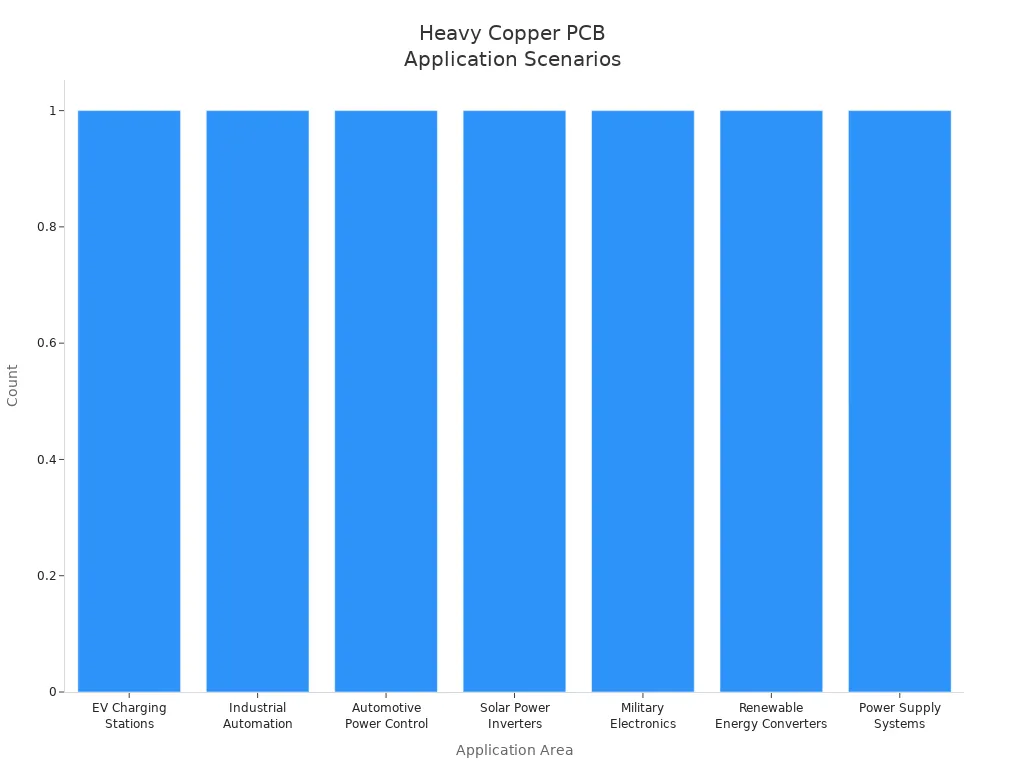
Heavy copper pcb boards are important in EV charging stations. They help with power changes and keep batteries safe. In factory robots, these boards carry big currents and move heat away. This keeps the robots working right. Solar inverters use heavy copper pcb to stay efficient when the sun is strong and current is high.
Military and green energy jobs also use heavy copper pcb because they last long and work well. These boards can take a lot of heat, shaking, and work for a long time. This makes them good for important systems.
Tip: Heavy copper pcb is best for jobs with lots of power, sudden current jumps, or tough working places.
PCB Selection Summary
Picking the right pcb for power devices is important. Engineers think about heat, current, and tough places. They also look at price and how easy it is to make.
Moving heat is very important. Copper cores move heat better than aluminum. Copper is best for high-power jobs. Aluminum is lighter and costs less. It is good for saving money.
Where the board is used matters. Hot, wet, or shaky places need strong boards. These boards need a high glass transition temperature (Tg).
The layer between the metal core and circuit matters too. It affects both safety and how heat moves.
Price and how well it works are both important. Aluminum core pcbs are good for LED lights and cheap projects. Copper core and heavy copper boards are better for hard jobs. These include power converters and car parts.
Engineers should talk to makers about what they need. This includes how many layers and what the surface looks like.
How thick the copper is and the finish also matter. These things help decide which board is best.
Comparison Table
Feature | Aluminum Core PCB | Copper Core PCB | Heavy Copper PCB |
|---|---|---|---|
Thermal Conductivity | Moderate (1-2 W/m·K) | High (3-8 W/m·K) | High (depends on copper) |
Mechanical Strength | Good | Excellent | Excellent |
Weight | Light | Heavy | Moderate |
Cost | Low | High | High |
Best Applications | LED lighting, displays | Power converters, automotive | Industrial, EV, solar |
Current Carrying Capacity | Moderate | Excellent | Outstanding |
Environmental Durability | Good | Excellent | Excellent |
Tip: Engineers should check all needs before picking a pcb. The right board helps devices last longer and work better.
Engineers should match the right pcb to each power device. Aluminum core pcb works well for LED lighting and projects with a lower cost. Copper core and heavy copper pcb handle high current and heat in tough jobs like EV chargers and solar inverters. Each type offers unique benefits. Readers should review their needs and speak with pcb experts for complex projects.
FAQ
What is the main difference between metal core and heavy copper PCBs?
Metal core PCBs have a metal base. This base is usually aluminum or copper. The metal base helps control heat. Heavy copper PCBs have thick copper layers inside the board. These layers are much thicker than normal. Each type is good for different power device needs.
Which PCB type works best for high-current applications?
Heavy copper PCBs are best for high current jobs. Their thick copper layers carry more current. They also resist heat damage well. Engineers use them in EV chargers, robots, and power grids.
Are aluminum core PCBs suitable for outdoor use?
Yes, aluminum core PCBs work well outside. They do not rust and can handle rain and sun. People use them in LED street lights and solar panels.
How does cost compare between aluminum core and copper core PCBs?
PCB Type | Cost Level |
|---|---|
Aluminum Core | Low |
Copper Core | High |
Aluminum core PCBs cost less money. Copper core PCBs cost more but control heat better.
Can heavy copper PCBs improve device lifespan?
Heavy copper PCBs last longer in hard jobs. Their thick copper layers stop damage from heat and stress. Devices with these boards often need fewer repairs.