When making circuit boards, fr4 pcb is the most popular material. It has strong and reliable features like toughness and good insulation. Many PCBs, whether one-sided, two-sided, or layered, use fr4 pcb. This material is made from glass fabric and epoxy resin. It is cheap and dependable, which is why it is widely used. fr4 pcb meets the needs of modern electronics, so it will still be important in 2025.
Key Takeaways
FR4 is a top material for PCBs because it is strong, cheap, and insulates well.
FR4 PCBs can be used in many fields like electronics, cars, and airplanes.
FR4 has some downsides, like not working well with high frequencies or very high heat.
New FR4 improvements aim to handle heat better and be more eco-friendly.
FR4 is still a low-cost option, perfect for custom PCB designs in a tough market.
Understanding FR4 Material
What is FR4?
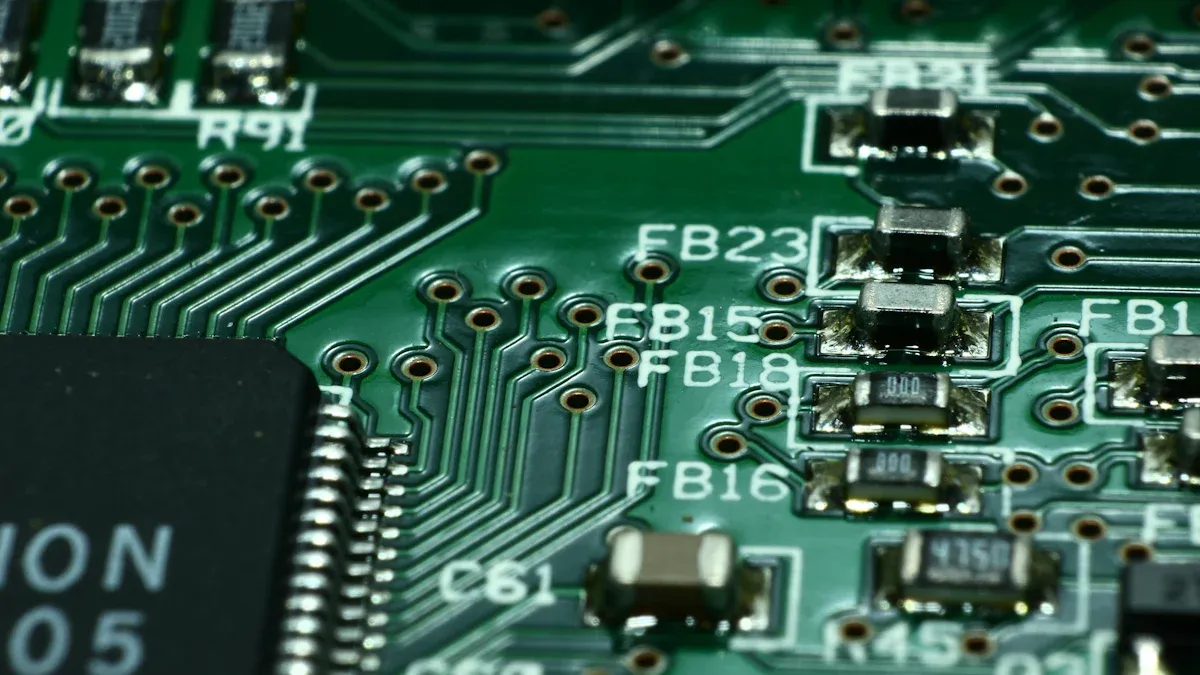
FR4 is a common material used to make PCBs. It is made from fiberglass cloth and epoxy resin that resists fire. “FR” means “Flame Retardant,” and “4” is its NEMA rating. FR4 became popular because it is strong, safe, and handles heat well. It has helped the electronics industry grow and is now a key part of PCB production.
Composition and Structure of FR4
FR4 is made of fiberglass cloth and epoxy resin. Fiberglass gives it strength to handle physical stress. Epoxy resin stops electricity from leaking and keeps signals clear. Together, they make FR4 tough and reliable for electronics. FR4 also absorbs little water, so it stays stable in wet or dry places.
Key Properties of FR4
Electrical Insulation
FR4 is great at stopping electricity from leaking between circuits. The epoxy resin keeps signals clear and prevents short circuits. This makes FR4 safe and efficient for electronic devices.
Flame Retardancy
FR4 can stop fires from spreading. It meets the UL94 V-0 standard, meaning it puts out flames by itself. This makes devices safer, especially in risky situations.
Mechanical Strength
FR4 is very strong and can handle bending without breaking. Its flexural strength is between 250 and 400 MPa. Its tensile strength, between 200 and 350 MPa, adds to its durability for tough uses.
Thermal Stability
FR4 handles heat well, with a glass transition temperature of 130°C to 180°C. It works reliably in hot environments. But it holds heat, which can be a problem in some cases.
Benefits of FR4 in PCB Manufacturing
Cost-Effectiveness of FR4 PCBs
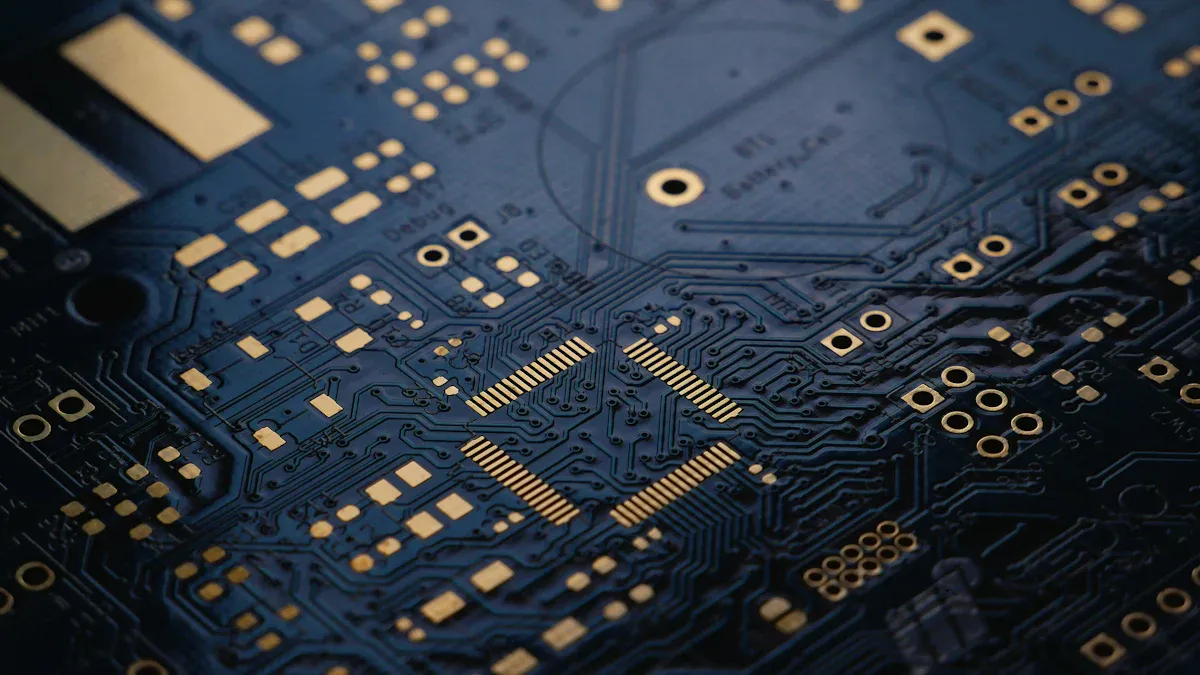
FR4 PCBs are a budget-friendly choice for manufacturers. They cost less than other special materials, lowering production expenses. FR4’s low price comes from its simple fiberglass and epoxy resin makeup. But, costs can change based on thickness and design. For example, adding layers or holes raises the price.
FR4’s affordability is great for projects with tight budgets.
Advantage | Description | Impact on PCB Design |
|---|---|---|
Cost-Effectiveness | FR4 is affordable and easy to produce. | Cuts down costs for many types of projects. |
This low cost lets you make good PCBs without overspending.
Versatility Across Applications
FR4 works well in many industries because of its useful features. Its insulation and strength make it fit for different uses.
Consumer Electronics
FR4 is common in phones, tablets, and laptops. It’s cheap and reliable, perfect for making lots of devices.
Industrial Equipment
In factories, FR4 PCBs are used in machines and systems. They last long and handle tough conditions well.
Automotive and Aerospace
FR4 is key in car electronics like safety systems and EV parts. In planes, it’s lightweight and strong, ideal for high-tech uses.
Durability and Reliability of FR4 Printed Circuit Boards
FR4 PCBs are tough and last a long time. Research shows adding copper layers improves heat resistance and reduces damage. This makes them great for tough jobs needing steady performance. FR4’s strength also helps PCBs handle stress without breaking.
Works Well with Modern Manufacturing Methods
FR4 is a key material for making PCBs today. It works perfectly with advanced production methods, making it efficient and reliable.
One big reason FR4 is popular is its support for multi-layer PCBs. These are needed for modern gadgets with small, dense circuits. FR4 insulates layers well, so complex designs work without problems.
FR4 helps build detailed, multi-layer PCBs with strong insulation and durability.
FR4 PCBs are made using proven methods. These methods are standard, so manufacturers can make good boards every time. For example, FR4 works with photoengraving, etching, and soldering. These techniques save time and cut costs.
Feature | Benefit |
|---|---|
Easy to Make | FR4 PCBs use trusted methods for steady quality. |
Works with Techniques | FR4 fits with common PCB production steps. |
FR4 is also affordable, which is great for manufacturers. It lets them make strong, reliable PCBs without spending too much. This mix of low cost, good insulation, and strength keeps FR4 a top choice in the industry.
Limitations of FR4 Material
Thermal Limits of FR4 PCBs
FR4 handles heat well but struggles with very high temperatures. Extreme heat can damage FR4, affecting circuit board performance. Tests show FR4-I Cu loses 29.8% of its mass at 360°C. FR4-II Cu does better, losing 23.5% at higher temperatures. Both materials burn and weaken under heat, which can harm their structure.
Material | Mass Loss (%) | Heat Start (°C) | Strength | Rivet Issues | Burning Level |
|---|---|---|---|---|---|
FR4-I Cu | 29.8 | 360 | Lower | More | Moderate |
FR4-II Cu | 23.5 | Above 360 | Higher | Less | Severe |
These heat limits make FR4 less useful for machines or planes that face high heat for long periods.
Not Ideal for High-Frequency Uses
FR4 is cheap and fire-resistant but struggles with high-frequency signals. Its higher dissipation factor (Df) causes more signal loss at high frequencies. Special laminates with a Df of 0.004 keep signals clearer than FR4’s Df of 0.020.
FR4 loses more signals at high frequencies.
Special laminates have lower Df and work better.
Signal strength stays steady with these laminates.
Material Type | Dissipation Factor (Df) | Signal Loss at High Frequencies |
|---|---|---|
FR4 | 0.020 | More signal loss, weaker at high frequencies |
Special Laminates | 0.004 | Less signal loss, stronger at high frequencies |
For devices like 5G or IoT systems, FR4 may not perform well enough.
Environmental Problems and Recycling Issues
Making FR4 uses energy and non-renewable resources. The process creates waste like copper sludge and chemicals. Recycling FR4 is hard because it mixes fiberglass and resin layers.
To fix this, companies are trying halogen-free FR4 and better recycling methods. They also look into bio-based materials and systems that reuse chemicals. These ideas help, but FR4 still has environmental problems for electronics makers.
Why FR4 PCBs Stay Important in 2025
New Improvements in FR4 Technology
Better Heat Handling
FR4 now handles heat much better than before. It spreads heat faster, making it good for powerful devices. This helps keep signals clear and devices reliable. Companies are also making FR4 without harmful chemicals. These changes make FR4 safer and stronger for modern gadgets.
More Eco-Friendly Options
New FR4 materials are better for the environment. Some use bio-based resins or can be recycled. These options cut down on waste and support green manufacturing. Also, fixing and reusing FR4 PCBs is becoming more popular. This reduces trash and helps devices last longer.
Still a Budget-Friendly Choice
FR4 is still a cheap option for making PCBs. It’s strong, insulates well, and works for many industries. Companies now want custom FR4 PCBs for specific needs. This flexibility keeps FR4 useful in a competitive market.
Year | Market Size (USD Billion) | Growth (%) |
|---|---|---|
2023 | 15.2 | – |
2032 | 24.8 | 5.6 |
The growing market shows FR4 is still in high demand.
Works with New Technologies
IoT Gadgets
FR4 is great for IoT devices. It’s reliable, affordable, and works well in small designs. It also helps connect sensors and modules for smooth communication.
Wearable Tech
Wearable devices need light and strong PCBs. FR4 is perfect because it’s durable and handles heat well. It also supports tiny circuits for smartwatches, fitness bands, and medical tools.
5G Networks
5G needs PCBs that handle fast signals. FR4 fits because it’s easy to make and adapts well. It keeps signals clear, making it reliable for 5G systems.
FR4 keeps improving to meet new tech needs. It stays a key material for making PCBs.
FR4 is still the top choice for PCBs in 2025. It is affordable and has special features like insulation and strength. Its fire resistance also makes it safe for many uses. Even though FR4 has some downsides, new technology has made it better and more eco-friendly. These changes keep it useful for today’s electronics. If you need a strong and reliable PCB material, FR4 is a great option.
FAQ
Why is FR4 a popular material for making PCBs?
FR4 is popular because it is strong, cheap, and insulates well. Its fiberglass and epoxy structure make it tough and safe. It is used in many things, like gadgets and factory machines.
Can FR4 handle high heat?
FR4 can handle medium heat, between 130°C and 180°C. But it doesn’t work well in very high heat for a long time. Extreme heat can weaken it and cause problems.
Is FR4 good for the environment?
FR4 is hard to recycle because it mixes fiberglass and resin. This makes it less eco-friendly. New materials and recycling ideas are helping reduce its impact.
What are the main features of FR4?
FR4 is great at stopping electricity leaks and is very strong. It also resists fire and water, staying stable in different places. These qualities make it useful for many industries.
How does FR4 compare to other PCB materials?
FR4 costs less than special materials. It’s not the best for high heat or fast signals. But it’s affordable and works well for regular PCB designs.