SMT (Surface Mount Technology) processing is a crucial technique in the manufacturing of electronic devices. For procurement personnel new to this field, understanding the process flow of SMT assembly is fundamental. This article outlines the main steps in SMT processing to help you quickly grasp the core aspects of this technology.
Basic Concept of SMT Processing
SMT processing involves directly mounting electronic components onto the surface of printed circuit boards (PCBs) and soldering them using methods such as reflow soldering or wave soldering. Compared to traditional through-hole technology, SMT offers advantages like higher assembly density, smaller size, lighter weight, greater reliability, and higher production efficiency, making it widely used in modern electronics manufacturing.
The SMT processing workflow mainly includes the following steps:
PCB Design and Fabrication
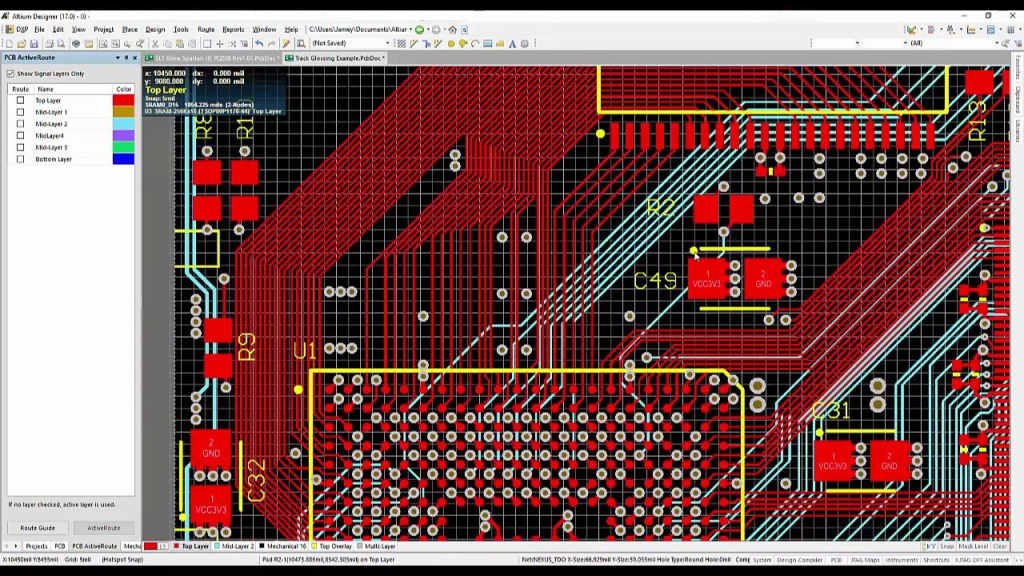
The first step in SMT processing is designing and fabricating a PCB that meets the requirements. PCB design must consider component layout, routing, and soldering process requirements. Once designed, specialized PCB manufacturing equipment produces the PCB substrate that meets SMT processing standards.

Advertisement (wonderfulchip.com)
Component Procurement and Inspection
Before SMT processing, the required electronic components must be procured and rigorously inspected. This step ensures that the component quality meets production standards, avoiding issues in subsequent processing. Inspections cover electrical performance, appearance, and dimensions.
Application of Solder Paste/ Adhesive
To enhance component adhesion on the PCB, a layer of solder paste or adhesive may be applied. This step helps secure components in place, preventing movement or detachment during further processing.
Pick and Place of Components
The pick-and-place machine is one of the core devices in SMT processing. It retrieves components from feeders and accurately places them on the PCB according to preset coordinates. During this process, the machine uses high-precision positioning and vision recognition systems to ensure accurate placement.
Reflow Soldering
After placement, the assembled PCB (PCBA) is sent to a reflow oven for soldering. The oven precisely controls temperature and airflow to melt the solder paste, ensuring proper wetting of the component leads and PCB pads, forming reliable solder connections. This step is crucial, directly impacting soldering quality.
Cleaning and Inspection
Once soldering is complete, the PCBA must be cleaned to remove residual solder paste and flux. After cleaning, thorough inspections are conducted, including visual checks, electrical performance testing, and reliability assessments, to ensure product quality meets standards.
Repair and Packaging
Products identified as defective during inspections require repair. After repairs are completed, another round of inspection ensures quality. Finally, qualified products are packaged for subsequent sales and shipping.
Considerations for SMT Processing
When conducting SMT processing, the following aspects should be considered:
Temperature and Humidity Control: SMT processing requires specific environmental conditions. Generally, temperatures should be maintained between 22-28°C, and humidity should be kept at 45%-70% RH to ensure process stability and product quality.
Static Electricity Precautions: Electronic components are sensitive to static electricity, so strict ESD (electrostatic discharge) measures must be implemented, such as wearing anti-static clothing and using anti-static workstations.
Component Storage: The storage conditions of components also affect product quality. Components should be stored in a dry, ventilated environment free from corrosive gases to prevent moisture absorption or oxidation.
Equipment Maintenance: SMT processing equipment like pick-and-place machines and reflow ovens require regular maintenance to ensure precision, stability, and prolonged lifespan.
SMT processing is a complex and precise craft involving multiple stages and various devices. For beginners, understanding and mastering this technology’s workflow is fundamental. Through this article, readers should have gained a comprehensive understanding of SMT processing steps. Continuous learning and practical experience are essential for improving SMT processing quality and efficiency.