1. FPC Material Cutting
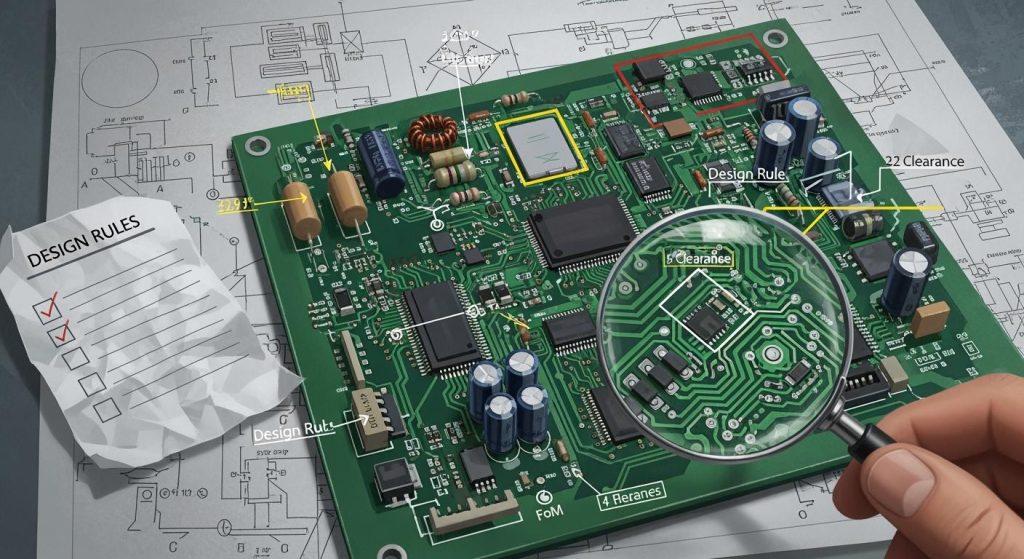
Except for certain materials, most of the materials used in flexible printed circuits (FPC) come in rolls. Since not all processes require roll-based techniques, some processes, such as drilling metallized holes in double-sided flexible PCB, must be done with sheet-form materials. The first step for double-sided flexible PCB is cutting the material into sheets.
Flexible copper-clad laminates have very low tolerance to mechanical stress and can be easily damaged. Any damage during the cutting process can significantly affect the yield of subsequent processes. Therefore, although cutting may seem simple, great care must be taken to ensure the material quality. For small quantities, manual cutting machines or rotary cutters can be used. For large-scale production, automatic cutting machines are preferable.
Whether it’s single-sided or double-sided copper-clad laminates or cover films, cutting precision can reach ±0.33 mm. The cutting process is highly reliable, and the cut material is automatically stacked neatly, with no need for manual handling at the output. The process minimizes material damage, and the material remains almost free from wrinkles or scratches. Moreover, advanced equipment can automatically cut FPCs etched in roll format using optical sensors that detect etched alignment patterns, achieving cutting accuracy of 0.3 mm. However, the cut edges should not be used for alignment in subsequent processes.
2. FPC Hole Drilling
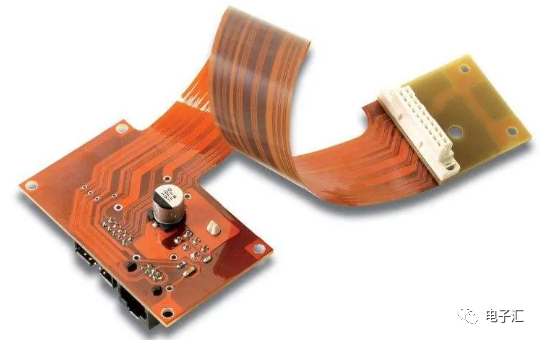
Like rigid printed circuit boards (PCB), through-holes in flexible PCB can be drilled using CNC drilling. However, CNC drilling is not suitable for roll-based double-sided circuits with metallized through-holes. As circuit designs become denser and through-hole diameters smaller, the limitations of CNC drilling have led to the adoption of other hole-drilling techniques such as plasma etching, laser drilling, micro-punching, and chemical etching. These newer techniques are more compatible with the roll-based process requirements.
CNC Drilling
Most through-holes in double-sided flexible PCB are still drilled using CNC machines. These CNC machines are essentially the same as those used for rigid PCB, though some conditions differ. Since flexible PCB are thin, multiple sheets can be stacked for drilling. Under favorable conditions, 10 to 15 sheets can be drilled simultaneously. Phenolic paper-based laminates or glass-fiber epoxy laminates can be used as backing and cover sheets, or aluminum plates with a thickness of 0.2 to 0.4 mm can also be used. Drill bits used in flexible PCB are available on the market, and bits used for drilling rigid PCB can also be used for flexible ones.
The conditions for drilling, milling the cover film, and shaping the reinforcement board are generally similar. However, due to the adhesive’s softness used in flexible PCB materials, it can easily adhere to the drill bit, requiring frequent inspection of the drill bit’s condition and a suitable increase in its rotation speed. Extra care must be taken when drilling multilayer flexible PCB or rigid-flex PCB.
Punching
Micro-punching is not a new technique and has been used for mass production. Since roll-based processes involve continuous production, many cases exist where through-holes are punched in roll format. However, mass punching is limited to hole diameters of 0.6–0.8 mm, and compared to CNC drilling, punching takes longer and requires manual operation. The initial process often involves large dimensions, which makes punching dies correspondingly larger and more expensive. Though mass production can reduce costs, equipment depreciation is significant, and for small-batch production, CNC drilling offers more flexibility and cost efficiency.
In recent years, however, significant advancements have been made in both punching die precision and CNC drilling. Punching has now become more feasible for flexible PCB. The latest die technologies can create holes as small as 75 µm in adhesive-free copper-clad laminates with a substrate thickness of 25 µm. Under suitable conditions, holes as small as 50 µm can also be punched. Punching machines have also been automated, and smaller dies are now available, making punching a viable option for flexible PCB. However, neither CNC drilling nor punching is suitable for processing blind holes.
Laser Drilling

Laser technology can drill the smallest through-holes. Several types of laser drilling machines are used for flexible PCB, including excimer lasers, CO₂ lasers, YAG (yttrium aluminum garnet) lasers, and argon lasers.
CO₂ lasers can only drill insulation layers, while YAG lasers can drill both the insulation layer and copper foil. Drilling the insulation layer is significantly faster than drilling the copper foil, so using a single laser for all drilling processes is inefficient. Typically, the copper foil is first etched to form the hole pattern, and then the insulation layer is removed to form the through-hole. This method allows for extremely small hole diameters to be drilled by lasers. However, the positioning accuracy between the top and bottom holes may limit the hole diameter. For blind vias, the issue of vertical alignment doesn’t arise, as only one side’s copper foil is etched.
Excimer lasers are capable of drilling the finest holes. Excimer lasers use ultraviolet light that directly breaks down the molecular structure of the substrate resin, generating minimal heat, and limiting damage to the area around the hole. This results in smooth, vertical hole walls. If the laser beam can be further reduced in size, holes with diameters of 10–20 µm can be drilled. However, as the aspect ratio increases, wet copper plating becomes increasingly difficult.
A key issue with excimer laser drilling is that the resin decomposition produces carbon black residue on the hole walls, which must be cleaned before plating. Additionally, the uniformity of the laser can lead to bamboo-like residues when processing blind holes. The biggest challenge with excimer laser drilling is its slow speed and high cost, limiting its use to applications requiring high precision and reliability for very small holes.
CO₂ laser drills, by contrast, are much faster and less costly but have poorer hole quality, with diameters typically ranging from 70 to 100 µm. However, the processing speed is significantly faster than excimer lasers, making CO₂ laser drilling more cost-effective, especially for high-density hole arrays.
When using CO₂ lasers to drill blind vias, it’s crucial that the laser only reaches the copper surface. Organic material removal from the surface is unnecessary, but post-processing with chemical or plasma etching may be needed to clean the copper surface.
3. Hole Metallization
The hole metallization process for flexible PCB is similar to that used for rigid PCB. Recent advancements have replaced chemical plating with direct plating using carbon-based conductive layers. This technique has also been introduced in flexible PCB manufacturing.
Because flexible PCB are soft, special fixtures are required to secure the boards during metallization. These fixtures not only hold the PCB in place but also ensure stability in the plating bath. Otherwise, the uneven copper plating thickness can lead to issues like shorts and bridging during etching. To achieve uniform copper plating, the flexible PCB must be stretched tightly within the fixture, and careful attention must be paid to electrode positioning.
4. Copper Foil Surface Cleaning
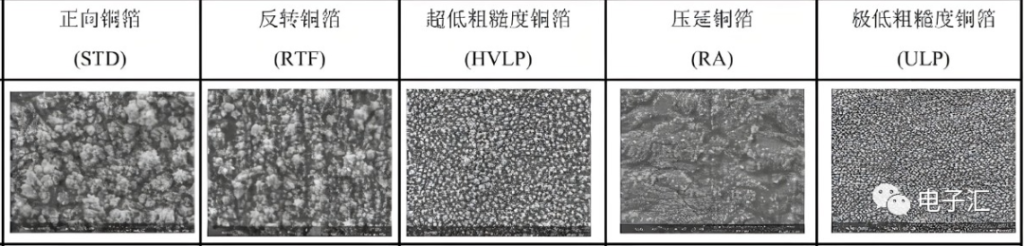
To improve the adhesion of the resist mask, the copper foil surface must be cleaned before applying the resist. Even though this seems like a simple process, special care must be taken for flexible PCB.
Typically, cleaning involves both chemical and mechanical methods. For precision patterns, both methods are often combined. Mechanical brushing can be tricky; if the brush is too hard, it may damage the copper foil, but if it is too soft, cleaning may be insufficient. Generally, nylon brushes are used, and the length and hardness of the brushes must be carefully selected. Two brush rollers are placed above the conveyor belt, rotating in the opposite direction of the belt movement. However, excessive pressure from the brush rollers can elongate the substrate, leading to dimensional changes.
If the copper surface is not properly cleaned, the adhesion of the resist mask will be poor, reducing the yield of the etching process. Due to the improved quality of copper foil laminates in recent years, surface cleaning can be skipped for single-sided circuits. However, for precision patterns under 100 µm, surface cleaning remains essential.