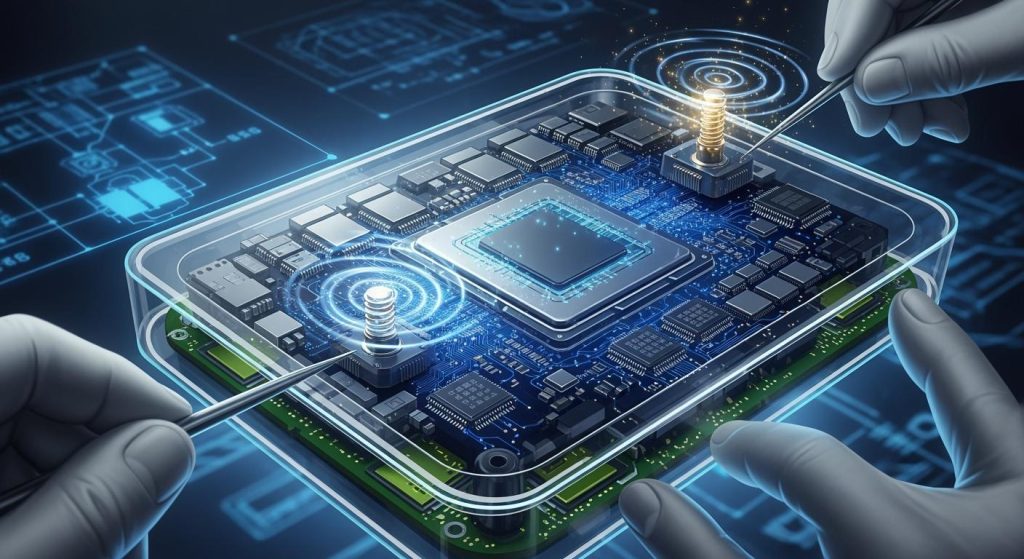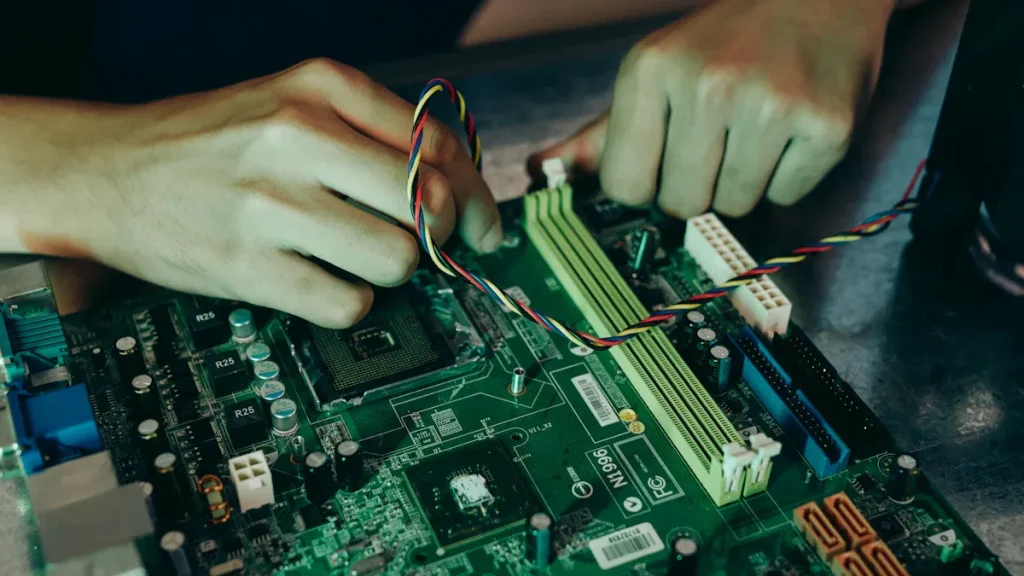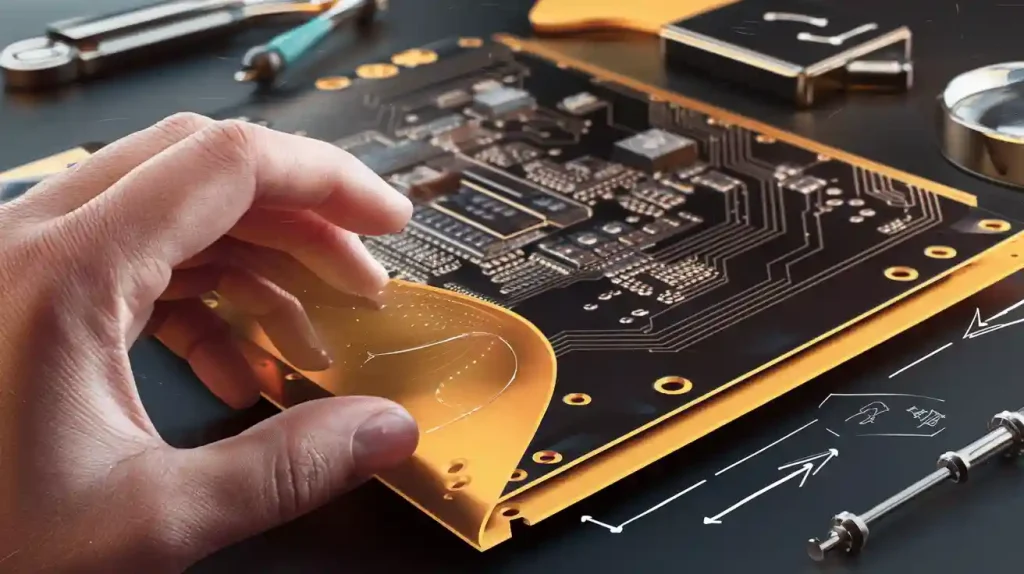
If you have ever worried about dropping your smartphone or getting it wet, you are not alone. Most people want a phone that feels strong and smart. Every year, you see new features like ceramic shields and aerospace-grade frames. This is because 79% of users care about durability. Look at the table below to see how integrated circuits, modular hardware, and advanced materials work together as a real smartphone design solution:
Contribution Type | Description |
|---|---|
Integrated Circuits | Make phones smaller and smarter by putting many functions into one chip. |
Advanced Materials | Help control heat and power, so your device works better and lasts longer. |
Modular Hardware | Let you upgrade and fix parts, so your phone stays useful for years. |
You see trends like foldable screens and easy repairs. These show how designers mix cool tech with strong engineering to make your experience better.
Key Takeaways
Pick smartphones that use strong materials like titanium and Gorilla Glass. These help your phone last longer and protect it from drops and scratches.
Choose phones with modular hardware. You can fix or upgrade these phones easily. This helps your phone last longer and makes less electronic waste.
Find devices with good battery technology. Solid-state batteries and efficient processors help your phone work longer on one charge.
Think about smartphones with AI and machine learning. These features make your phone smarter and more helpful for you.
Focus on security features like biometric authentication. This keeps your data safe and lets you unlock your phone quickly and easily.
Durable Smartphone Design Solution

Advanced Materials and Modular Hardware
When you get a new phone, you want it to last. Advanced materials help make phones tough. Today’s best phones use strong metals. These metals include titanium, aerospace-grade aluminum, and reinforced steel. They help your phone survive drops and bumps. Modern protective glass, like Gorilla Glass Victus, is very strong. It uses special ion-exchange strengthening. This makes the screen harder to scratch or crack. Inside the phone, there are high-performance materials. Polyimide, ceramic, and metal core substrates help keep your phone cool. They also make your phone flexible. These materials help your phone handle daily use.
Modular hardware is also important. Imagine you can change a weak battery or a broken screen. You do not need to throw away your whole phone. That is what modular design does. Some brands, like Fairphone, let you replace parts easily. You can keep your phone working for years. This saves you money and helps the planet.
Here’s why modular hardware matters:
Benefit of Modular Design | Explanation |
|---|---|
Easier Repairs | You can fix broken parts and batteries, so your phone lasts longer. |
Upgrades | You can add better parts to keep your phone new. |
Reduced Environmental Impact | Using your phone longer means less electronic waste. |
Tip: Picking a phone with modular hardware is smart. It helps your phone last and is good for the environment.
Impact Resistance and Waterproof Engineering
You might worry about dropping your phone or getting it wet. Modern phones are built to handle these problems. Engineers test phones in many ways. Drop testing checks if your phone can survive a fall. Compression testing makes sure it won’t get crushed. Scratch resistance testing keeps your phone looking new. Water resistance testing protects your phone from spills and rain. Heat and cold resistance testing makes sure your phone works in any weather.
Strong frames and reinforced glass help absorb shocks. Special seals and coatings keep water out. Here are some waterproofing technologies you might see:
Technology Type | Protection Level | Description |
|---|---|---|
Hydrophobic Nano Coatings | IPX2 to IPX5 | These coatings keep water away from your phone. They protect against splashes and light rain. |
Multi-Chemistry Techniques | Up to IPX8 | These let your phone survive underwater for longer. You do not need to worry if it falls in water. |
Note: Always check your phone’s water resistance rating before you get it wet!
Battery Longevity and Power Management
You want your phone to last all day. Battery technology is getting better every year. You can use your phone longer and charge it less. Here are some new battery improvements:
Advancement Type | Description | Impact on Longevity |
|---|---|---|
Solid-State Batteries | These are not common yet. They will let you use your phone longer. | More time between charges. |
M14 OLED Panel | This screen uses less power than old screens. It saves 15-30% more energy. | Your battery lasts longer. |
Hybrid Tandem OLED | This screen is even more efficient. It saves about 15% more power. | Better battery life and good screen quality. |
Efficient Processors | New chips like Snapdragon 8 Elite use less energy. | Your phone runs faster and the battery lasts longer. |
Power management systems are also important. These systems are called Power Management Integrated Circuits (PMICs). They control how energy moves in your phone. They make sure your phone only uses power when needed. Some PMICs use AI to learn your habits. They save energy when you do not need it. This helps your phone stay charged longer. It also keeps your battery healthy.
A strong smartphone design solution always uses smart power management. You get a phone that works hard and lasts longer. You can do more every day.
Smartphone Technology Integration
AI and Machine Learning Features
Phones get smarter every year. This happens because new phones use AI and machine learning. These features help your phone know what you want. Sometimes, your phone helps before you even ask. For example, your camera can spot faces, pets, and food. It changes settings to give you the best photo. Some phones can erase things you do not want in pictures. They can also add subtitles during video calls.
Here is how top phones use AI:
Smartphone Model | Key AI Features |
|---|---|
Samsung Galaxy S25 Ultra | AI scene recognition, real-time image processing, predictive text, automated task completion, natural language interactions, enhanced real-time translation, transcription capabilities, AI-powered battery optimization. |
Google Pixel 9 Pro XL | Tensor G4 chip for on-device AI processing, computational photography, AI-powered editing tools, context-aware responses, enhanced call screening. |
Apple iPhone 16 Pro Max | A18 Pro chip with dedicated neural engine, intelligent photo editing, real-time language translation, proactive task management. |
Xiaomi 14 Ultra | AI-generated subtitles for video calls, object eraser, sky replacement tools, audio transcription, voice translation. |
AI does more than make photos look good. It helps your phone understand your voice. You can talk to your phone like a friend. It can translate languages right away. This makes travel and meeting new people easier. Your phone learns what you do and gives you helpful tips.
All these smart features work because of special chips inside your phone. These chips use 3D technology to work fast and save power. Now, your phone can do things that needed a big computer before. You get quick results, like editing photos or using voice commands.
Security Enhancements and Biometrics
You want your phone to be safe. New phones use strong security to protect your data. Biometric security is now common. You can unlock your phone with your fingerprint, face, or voice. These ways are quick and hard to fool. You do not need to remember a password.
Here are some popular biometric features:
Fingerprint scanning on the screen or side button
Facial recognition that works in the dark
Voice recognition for hands-free unlocking
Gesture recognition for quick actions
Vein recognition, which is starting to appear in some models
Biometric security uses things that are special to you. Only you can unlock your phone. This makes it much harder for others to get in. You get both easy use and strong safety. But, no system is perfect. Companies work to fix problems like false matches or leaks.
You also get more control over your privacy. Many phones now keep your biometric data on the device. This means your information stays with you. It does not go to the cloud. You can feel safer because your phone keeps your secrets.
Mobile Connectivity and Performance
You want your phone to be fast and always online. New phones work with the newest networks, like 5G and Wi-Fi 6E. These networks let you download movies fast and play games with no lag. You can join video calls with clear sound and sharp video, even when moving.
Here is what people think about data and privacy:
Statistic | Value |
|---|---|
Consumers who feel tech providers are ‘very clear’ about data collection | 20% |
Consumers who find it ‘very easy’ to control data collection | 20% |
Consumers with ‘high’ or ‘very high’ trust in data security | 27% |
Consumers who believe tech companies should do more for data privacy | 90% |
You want more control over your data. Most people think tech companies should do better with privacy. That is why new phones give you more settings to manage what you share.
Developers help make your phone better. They use special tools to build new apps and features. For example, Arm’s technology helps your phone run games smoothly and use less battery. Developers also make apps for health, shopping, and social media. These apps use both hardware and software to give you new things to try.
A great smartphone design solution brings smart chips, strong security, and fast connections together. You get a phone that feels personal, safe, and ready for anything.
Smartphone Design Trends and User Experience
Borderless Screens and Ergonomics
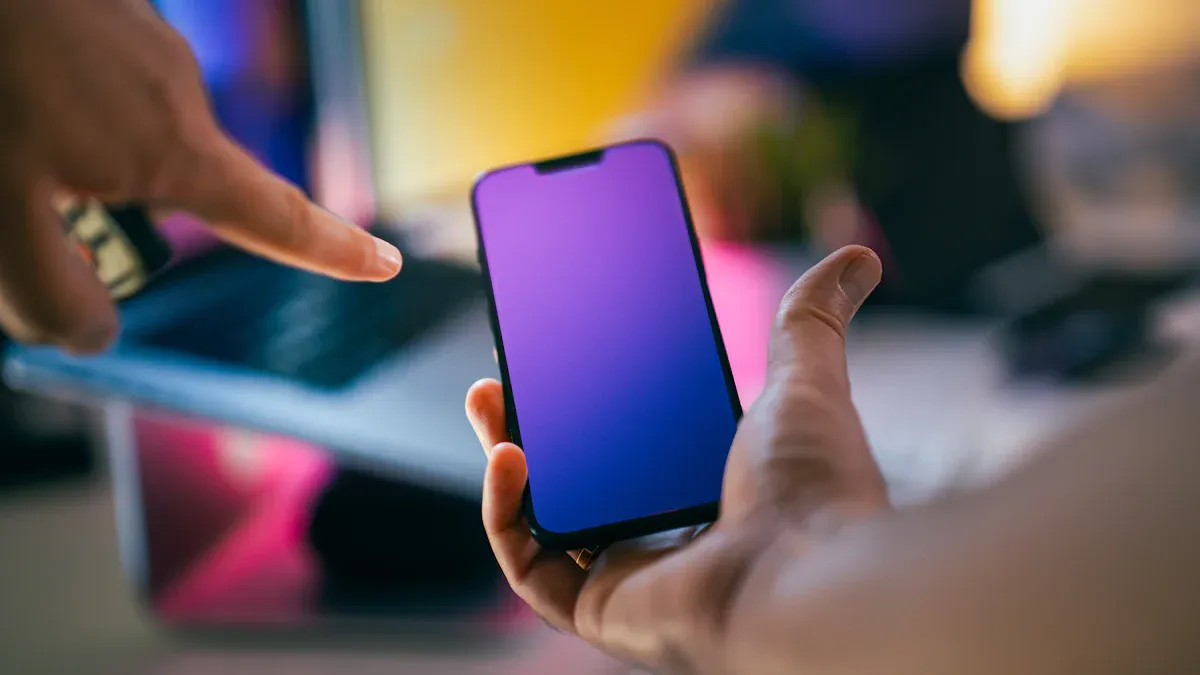
New phones look like they are all screen now. Borderless screens give you more room for videos and games. The Realme 14 Pro 5G has a big 6.83-inch display. Its curved screen feels nice in your hand. You get a bigger view, but the phone is still easy to hold.
Phones are made to feel comfortable, too. Designers want you to enjoy using your phone. Here are some ways they help:
Adjustable stands keep your phone at eye level.
Ergonomic cases make holding your phone easier.
Blue light filters protect your eyes.
Voice commands let you use your phone without typing.
Hands-free headsets let you talk without holding your phone.
Taking breaks and stretching helps your body feel good.
When your phone fits your hand and habits, it feels better to use.
Universal Design Principles
Designers want everyone to use their phone easily. Universal design makes sure no one is left out. These are some important ideas:
Principle | Description |
|---|---|
Operability | Lets everyone use the phone easily. |
Perceivability | Makes sure you can see and understand everything. |
Navigability | Keeps menus and buttons simple and clear. |
Resilience | Helps your phone work well, even if something goes wrong. |
Accessibility | Adds features for people with disabilities. |
Compatibility | Works on many devices and systems. |
Features like VoiceOver and AssistiveTouch help with small text and buttons. Apple’s iOS shows how universal design helps everyone use their phone.
Minimalist and Functional Styles
Some people like phones that are simple and easy to use. Minimalist styles take away clutter and help you focus. Here are some features you might like:
Feature | Description |
|---|---|
Minimalistic Design | Keeps things simple and clean. |
App Organization | Lets you group apps for quick access. |
Notification Filter | Blocks non-essential alerts, so you stay focused. |
App Hiding | Lets you hide apps you do not use often. |
Monochrome Mode | Turns your screen black and white to help you spend less time on your phone. |
Phones like the iPhone are known for new designs. The iPhone X brought Face ID and OLED screens. The iPhone 15 changed to USB-C, which changed the industry. The iPhone Air is very thin, showing how design keeps getting better.
Smartphone design solutions put your experience first. New features like dark mode and gestures make your phone smarter and more fun to use.
Real-World Smartphone Examples
Leading Models and Case Studies
You might ask which phones are strong and smart. Let’s check out some real phones. These phones use tough materials and smart features. They also have parts that last a long time.
Feature | Description |
|---|---|
Build Quality | The phone has a glass back and a matte-metal frame. |
Camera System | It has three lenses: a 48MP wide, 13MP ultrawide, and 10.8MP telephoto lens. |
AI Features | You can use Ask Photos and Camera Coach to edit pictures. |
Display | The OLED screen is very bright, up to 3,000 nits, for outdoor use. |
The phone says it lasts 30 hours, but really lasts about 12 hours. | |
Software Updates | You get security updates until 2032. |
Smart design is also in cheaper phones. The HMD Touch 4G is a good example. It only costs $45. You still get a touchscreen, 4G, Wi-Fi, and a strong battery. This phone helps more people get online. You do not have to spend a lot to get smart features.
Feature | Description |
|---|---|
Model | HMD Touch 4G |
Price | $45 |
Operating System | Custom ‘RTOS Touch’ |
Screen | 3.2-inch |
Camera | 2MP |
Connectivity | 4G, Wi-Fi |
Battery | Strong 1,950 mAh |
Unique Selling Point | Smart features for more people |
Tip: You do not need the most expensive phone to get good features and smart design.
Lessons and Future Directions
You can learn from how phones have changed. Here are some important lessons:
Microsoft and Huawei make each other build better phones.
Android and iOS are now the top systems, showing how new ideas change what you use.
Companies must keep making better phones because the competition is hard.
Most phones last 500 to 1,000 charge cycles, so better batteries are important.
As batteries get stronger, safety is even more important.
About 1.5 billion phones are sold each year, but safety problems still happen.
In the future, you will see even more cool changes:
Your phone will help control smart home devices and connect with more gadgets.
Foldable and flexible screens will let you change your screen size.
Better sensors will make your phone safer with new biometric tools.
Modular designs will let you swap out parts, so your phone lasts longer.
Health tracking will get smarter, helping you stay healthy every day.
Cameras will keep getting better, so your photos look great.
New gesture controls will make using your phone easier and more fun.
Phones will look even cooler, with designs that stand out.
Note: The future of smartphones is about making your life easier, safer, and more connected.
You want a phone that is strong and smart. Most people care if their phone lasts long. Many people pay to fix their phones.
Pick phones made with tough materials and modular parts. These make repairs simple.
Find phones with batteries that last, work smoothly, and are easy to use.
“Durability is not just a bonus now. It is something everyone expects. It shows if you can trust a brand.” – Peter Dohyung Lee
What to Look For | Why It Matters |
|---|---|
Modularity | Repairs are easier, less waste |
Advanced Materials | More protection, longer use |
Smart Features | More helpful and fun to use |
Keep learning about new things like foldable screens, better cameras, and designs that help the planet.
FAQ
How do you choose the best mobile for durability and smart features?
You want a phone that is strong and smart. Look for phones with advanced materials and modular parts. Make sure the phone is easy to use. Check if apps run well. See if you can fix the phone easily.
What makes a mobile first strategy important in digital product design?
A mobile first strategy helps you get the best experience. Designers focus on how you use your phone. They make the interface simple and fun. This gives you an advantage over others.
Why does interaction design matter for mobile application design solutions?
Interaction design changes how you use your phone. Good design makes apps easy to use. You get clear layouts and smooth actions. This helps you enjoy using your phone more.
How can you improve your mobile ux with application updates?
You can update your app to get new features. Updates fix problems and make the app better. Your phone feels smoother and easier to use. You feel more in control.
What is the role of innovation in mobile interface and application design?
Innovation brings new ideas to phone design. You see new ways to use your phone. Apps get smarter and easier to use. This helps your phone feel modern.