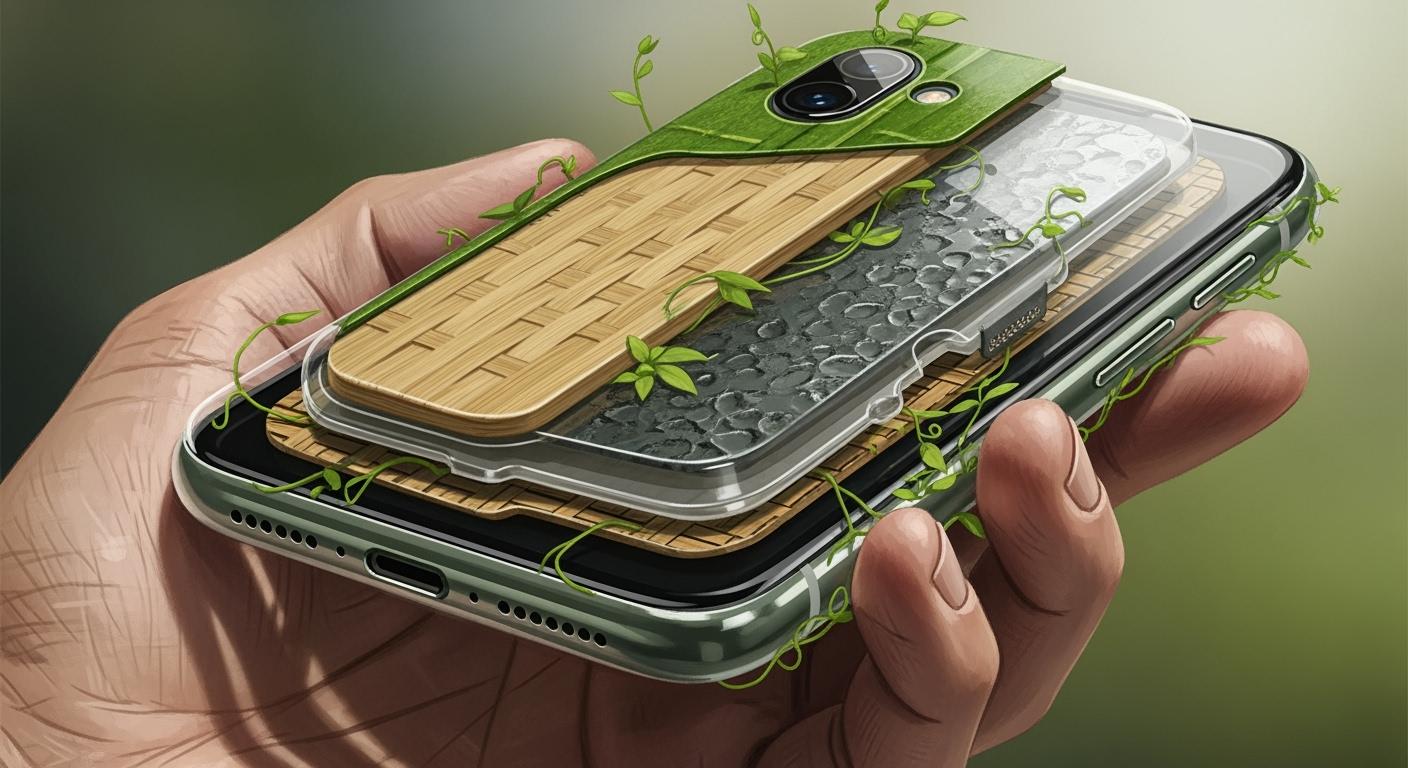
You see more people care about sustainability in phone design each year. Many people worry about how their phones hurt the planet. In 2021, research showed 80% of people cared about their phone’s effect on the environment.
Year | Consumer Concern (%) |
|---|---|
2021 | 80 |
Companies like Fairphone get noticed for modular phones you can fix and recycle. Apple’s trade-in program lets you recycle old phones easily. The European Union has rules that say phones must be reused and recycled. This means you have more eco-friendly choices. When you pick phones with Sustainable Materials, you help cut down waste and pollution.
Your tech choices are important. Caring about sustainability helps keep the environment safe for everyone.
Key Takeaways
Picking phones with sustainable materials helps cut down pollution and trash.
Find eco-friendly brands that use recycled plastics and metals. This helps make the environment cleaner.
Choose phones that are modular and easy to fix. This makes your device last longer and lowers e-waste.
Look for certifications like the Eco Rating. This shows your phone is good for the environment.
Recycle your old phone using take-back programs. This keeps dangerous materials out of landfills.
Drivers of Sustainable Materials
Environmental Concerns
Making phones can hurt the planet a lot. Most harm comes from making the phones in factories. This makes a big carbon footprint. Mining for metals cuts down forests and pollutes rivers. Many old phones become e-waste. Only a small part gets recycled. The rest can leak toxic chemicals into the ground and water.
Environmental Concern | Details |
|---|---|
Carbon Footprint | Making smartphones causes 85% of their total carbon emissions. |
Metal Mining Impact | Mining has increased in the last 20 years, hurting local ecosystems. |
E-Waste Pollution | Less than 16% of 41 million tons of e-waste is recycled each year. |
Toxic Elements in Waste | Old phones can leak lead, cadmium, and arsenic into the environment. |
You can see these problems in places like Ghana and Nigeria. E-waste dumps there expose people to dangerous chemicals. Companies now use more eco-friendly materials to help fix these problems.
Consumer Demand
People want products that are better for the planet. Many now look for phones made with recycled plastics or metals. Samsung uses recycled fishing nets and water bottles in its Galaxy S23 series. This change helps companies grow and meets your demand for sustainable products. More people care about phones they can repair, like the Fairphone 4. You can fix parts instead of throwing the phone away. When you pick sustainable packaging, you show brands you care about the environment.
Your choices matter. Picking eco-friendly phones helps reduce waste and pollution.
Industry and Regulatory Push
Rules and laws make companies use more sustainable materials. The European Union has rules to make phones last longer and be easier to fix. These rules help create a circular economy. Products get reused and recycled. In the United States, regulations support green design and better repair options. These actions make companies think about the whole life of each phone, from making it to recycling it.
Regulation | Description |
|---|---|
Promote durability, repairability, and recyclability for a longer product life. | |
Circular Economy Action Plan 2020 | Focuses on energy efficiency and easy maintenance under the Ecodesign Directive. |
U.S. Environmental Regulations | Push for green design and better repair options across the electronics industry. |
Impact of Traditional Manufacturing
Resource Use and Pollution
Making one mobile phone uses a lot of energy and materials. Factories need lots of electricity and water for each phone. Mining metals and making plastics can hurt forests and rivers. Buying a new smartphone supports this process. It creates a big carbon footprint. A new phone makes about 85 kilograms of emissions in its first year. Most of these emissions come from making the phone. Half of a phone’s total energy use happens during manufacturing. Charging and using your phone adds only about 20% more energy use.
Making phones causes 95% of their first-year emissions.
Factories often use energy that is not renewable.
In 2008, China made about 560 million phones, showing huge resource use.
If you pick phones made with recycled materials or from factories using renewable energy, you help lower pollution. Keeping your phone longer also cuts down its carbon footprint.
E-Waste Challenges
Throwing away old phones adds to the e-waste problem. Phones have metals and chemicals that can hurt the environment. Only a few phones get recycled the right way. Most end up in landfills or dumps. There, they can leak toxic stuff into the ground and water. E-waste dumps in Ghana and Nigeria put people at risk from dangerous chemicals. You can help by recycling your phone or picking brands with take-back programs.
E-Waste Problem | Impact on Environment |
|---|---|
Toxic metals | Soil and water contamination |
Low recycling rates | More landfill waste |
Informal dumping | Health risks for local people |
You are important in fighting e-waste. Picking a sustainable phone and recycling your old one helps protect the planet.
What Are Sustainable Materials?
Definition and Features
You may ask what makes a material sustainable in phones. Sustainable materials come from sources that help the planet. These materials use less energy and water to make. They also create less waste and pollution. Some companies use recycled materials like aluminum or plastics. Others try biodegradable materials that break down on their own. Many brands now use renewable energy and better supply chains. This helps lower their carbon footprint.
Here is a table that shows the main types of sustainable materials used in mobile phones:
Material Type | Description | Examples |
|---|---|---|
Recycled Materials | Use of materials processed from waste to create new products. | Apple uses recycled aluminum and rare earth elements in iPhones. Samsung uses plastics from fishing nets. |
Biodegradable Materials | Materials that can decompose naturally, reducing landfill impact. | Experimental use in casings; durability compared to traditional materials is still under evaluation. |
Sustainable Practices | Manufacturing methods that minimize environmental impact. | Companies are optimizing supply chains and using renewable energy to reduce carbon footprints. |
If you pick a phone made with these materials, you help the planet.
Comparison to Conventional Materials
Old phone materials often come from mining and oil. These ways use lots of energy and make pollution. Conventional plastics and metals do not break down fast. They can stay in landfills for hundreds of years. Sustainable materials use waste or renewable resources instead. They help cut pollution and save natural resources. Companies now use new ways to make phones last longer and be easier to recycle.
If you choose a phone with sustainable materials, you help the planet. You lower the need for new raw materials and reduce e-waste. This choice helps the planet and future generations.
Types of Sustainable Materials in Phones
Recycled Plastics
Many new phones use recycled plastics. Companies pick these materials to help the Earth and cut down on waste. Polycarbonate is the main recycled plastic in phones. It makes up 57% of the plastic parts. Polymethyl methacrylate is also used a lot. It makes up 27% of the plastic pieces. Together, these two plastics make up 84% of old phone plastics. Picking a phone with recycled plastics helps lower pollution and saves energy.
Polycarbonate (PC) is the top recycled plastic in phones.
Polymethyl methacrylate (PMMA) is the next most used.
These plastics come from old phones and other things.
Samsung uses old fishing nets and water barrels in its Galaxy S23. Apple and Google also use recycled plastics in their phones. You help nature when you buy phones made with these materials.
You can help by picking phones with recycled plastics. This choice keeps more waste out of landfills.
Plant-Based and Biodegradable Options
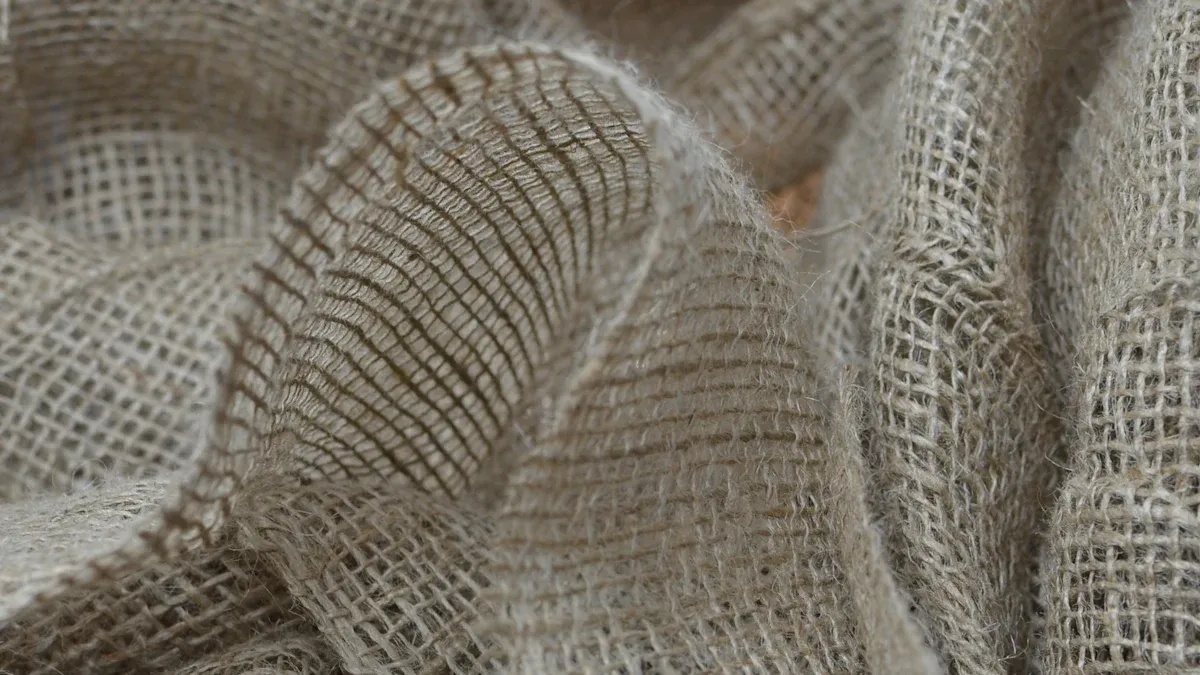
Some phones now use plant-based materials and biodegradable polymers. These materials come from things that grow back and break down on their own. Polylactic acid is a popular material for phone covers. It helps the antenna work better and keeps your phone safe. It also has a small carbon footprint.
Material | Application | Benefits |
|---|---|---|
Polylactic Acid | Mobile phone back cover | Helps antenna, breaks down, strong, low heat change, less carbon |
Some phone cases use bamboo or corn starch. These plant-based materials break down and help cut plastic waste. You help the planet when you pick products made with these materials.
Picking biodegradable materials helps keep the Earth clean.
Recycled Metals and Glass
Many new phones have recycled metals and glass. Companies get copper, gold, silver, platinum, and rare earth elements from old phones. Recycling one million phones gives a lot of gold, copper, silver, and palladium. These metals are used in phone parts like connectors and processors. Rare earth elements are needed for speakers and screens.
Material Type | Quantity per Tonne of EoL-MPs | Economic Value (US$/ton) |
|---|---|---|
Copper | 53 Kg | N/A |
Gold | 141 g | N/A |
Silver | 270 g | N/A |
Platinum | 10 g | N/A |
Palladium | 18 g | N/A |
Rare Earth Elements | 3.3 Kg | N/A |
Cameras | N/A | 86,860 |
Printed Circuit Boards | N/A | 55,459 |
Speakers | N/A | 21,853 |
Screens | N/A | 3,779 |
Fairphone uses 70% fair trade or recycled materials in its Fairphone 5. Samsung, Apple, Google, Lenovo, and Nothing also use recycled metals and glass. You help save resources when you pick phones with recycled materials.
Gold is used in connectors and processors.
Rare earth elements are in speakers and screens.
Recycled glass is used in phone displays.
Modular and Repairable Designs
More phones now have modular and repairable designs. These phones let you fix or upgrade parts easily. You can change the battery, screen, or camera without buying a new phone. This helps you keep your phone longer and makes less waste. People with modular phones feel closer to their devices. They fix their phones instead of throwing them away. This helps the planet and cuts down on waste.
Fairphone is a leader in modular designs. You can fix most parts by yourself. Other brands now make phones with easy-to-change parts. You help the Earth when you pick repairable phones.
Modular designs let you control your phone’s life. You save money and help the planet.
Major Brands Using Sustainable Materials
Many brands now use sustainable materials in their phones. You can see what they do in the table below.
Brand | Notable Example | Sustainable Materials Used |
|---|---|---|
Samsung | Galaxy S23 | Recycled fishing nets, water barrels, recycled aluminum, glass |
Fairphone | Fairphone 5 | 70% fair trade or recycled materials |
Apple | Various models | Significant use of recycled materials across product range |
Various models | Significant use of recycled materials across product range | |
Lenovo | Various models | Significant use of recycled materials across product range |
Nothing | Various models | Significant use of recycled materials across product range |
Samsung uses old fishing nets and aluminum. Fairphone uses fairtrade gold and recycled metals. Apple and Google use recycled materials in many phones. You support the planet when you pick these brands.
You can help the Earth by choosing phones from brands that care about sustainability.
Sustainable Phone Cases and Accessories

Eco-Friendly Phone Cases
There are many eco-friendly phone cases to choose from. These cases use materials that are better for the planet. Some cases are made from cork, bamboo, hardwood, or bioplastics. Other brands use recycled ocean plastic or waste from old products. These choices show that eco-friendly cases can look nice and work well.
Cork can take in shocks and breaks down over time.
Bamboo grows fast and makes your case strong.
Hardwood looks natural and lasts for years.
Bioplastics are made from plants like flax, cornstarch, wheat straw, and bamboo.
Recycled ocean plastic helps clean the sea and cuts down waste.
You can find a case that fits your style and what you care about. Eco-friendly cases come in many colors and designs now. Every time you pick one, you help the Earth.
Benefits of Sustainable Phone Cases
Sustainable phone cases are good for you and the planet. They protect your phone from drops and scratches. New materials and designs make them as strong as regular cases. You do not have to worry about your phone breaking.
Eco-friendly cases are much better for the environment. Regular cases use plastics and silicone that do not break down. These add to the problem of plastic pollution. Sustainable cases use materials that break down or are recycled. When you pick these cases, you help cut down waste and pollution.
Feature | Sustainable Phone Cases | Conventional Cases |
|---|---|---|
Material | Bamboo, cork, recycled plastic | Non-biodegradable plastic |
Durability | High | High |
Environmental Impact | Low | High |
You help the planet when you pick eco-friendly phone cases. You keep your phone safe and help keep the Earth clean.
Benefits of Sustainable Materials
Environmental Impact
You help the planet when you pick eco-friendly smartphones. Sustainable materials make less pollution and waste. Phones with recycled parts help factories stay cleaner. eSIM technology now replaces old SIM cards. This change means less plastic waste each year. Old SIM cards make 18,000 tons of trash every year. eSIMs save energy and resources when made and shipped. You help by choosing products with safer materials.
Picking phones with recycled metals and plastics cuts e-waste.
You keep toxic chemicals out of landfills and water.
You support companies using renewable energy and better supply chains.
Every small choice matters. You help the environment and make the future cleaner.
Consumer Advantages
You get many good things from sustainable phone cases and devices. These products use natural and safe materials. You keep yourself and your family safe from bad chemicals. Sustainable phone cases feel nice and look different. You also help brands that care about your health.
The Eco Rating system helps you find safer phones. You can check this rating to pick better devices for you and the planet. You save money with modular designs. You can fix or upgrade your phone instead of buying a new one. This keeps your device working longer and makes less waste.
You get safer products made from natural materials.
You save money by fixing and upgrading your device.
You help grow the market for eco-friendly hardware.
You make smart choices for your health and wallet with sustainable products.
Industry Innovation
You help change the smartphone industry by picking sustainable materials. Companies now try to make better eco-friendly smartphones. Apple uses 95% recycled lithium in batteries and reused aluminum in cases. Samsung started a trade-in program to recycle old devices. Fairphone makes modular phones so you can replace parts and keep your phone longer. Samsung also works on better batteries to use less energy.
Company | Innovation Description | Impact on Sustainability |
|---|---|---|
Apple | Uses 95% recycled lithium in batteries and reused aluminum in casings. | Reduces resource extraction and promotes a circular economy. |
Samsung | Trade-in and upgrade program for recycling old devices. | Encourages material reuse and reduces demand for new resources. |
Fairphone | Modular phones allow part replacements to extend device life. | Increases device longevity and reduces waste. |
Samsung | Developing more efficient batteries to lower energy consumption. | Decreases carbon footprint while maintaining performance. |
You inspire companies to make new designs and better products. You help push the industry to be more sustainable. Your choices encourage brands to use recycled materials and modular designs. You help build a future where smartphones last longer and make less waste.
You lead the way to a smarter and greener world with every purchase.
Choosing Sustainable Phones
Certifications and Labels
You can look for special marks when picking a sustainable phone. These marks show if a phone is good for the planet. The Eco Rating is a key label to check. It tells you how a phone affects the environment. The rating looks at making, shipping, using, and recycling the phone. It uses many points to give each phone a score. You can use this score to compare phones and pick the best one.
Certification/Label | Description |
|---|---|
Eco Rating | Checks how phones perform for the environment in their whole life. It looks at making, moving, using, and throwing away the phone. It uses 16 points and 6 material rules to make one score for each phone. |
Tip: If you see the Eco Rating label, the phone has been checked for its effect on the planet.
Shopping Tips
You can make smart choices when buying a new phone. Here are some easy ways to help the planet:
Keep your phone as long as you can. Use a case and screen protector to keep it safe.
Check repair scores before buying. Phones that are easy to fix last longer.
Pick certified refurbished phones if you want to upgrade.
Look for take-back programs or trusted e-waste recyclers for your old phone.
Buy chargers that use less energy to save power.
You can also:
Sell or give away your old phone so someone else can use it.
Trade in your old phone when you get a new one.
Set up cloud backups to keep your data safe.
Remove your personal info with a factory reset before recycling or donating.
Try phone leasing or device-as-a-service if you do not want to own a phone forever.
Every small thing you do helps cut waste and save resources. Your choices help make the world cleaner.
Challenges and Limitations
Technical Barriers
It can be hard to make phones with sustainable materials. Some eco-friendly materials are not as strong as regular ones. Recycled plastics might break or bend more easily. Plant-based materials may not last as long or protect well. Engineers have to test new materials for safety and quality.
Some phone parts, like batteries and screens, need special materials. These parts must work well and last a long time. Sometimes, recycled or biodegradable materials cannot handle heat or pressure. This makes it tough to use them everywhere in a phone.
Here are some common technical barriers:
Recycled plastics might break or lose color faster.
Biodegradable materials can fall apart too soon.
Recycled metals may have things in them that hurt performance.
New materials may not work with today’s factory machines.
Note: You might see fewer fully sustainable phones because of these limits.
Balancing Cost and Performance
You want a phone that works well and is not too expensive. Sustainable materials can cost more to make and use. Companies have to balance price, quality, and being eco-friendly. Sometimes, recycled or fairtrade materials cost more than new ones. This can make sustainable phones cost more for you.
Challenge | Impact on You |
|---|---|
Higher material costs | Phones might cost more |
Limited supply | Fewer models to pick from |
Some features may be weaker |
You might also see that some eco-friendly phones do not have the newest features. Companies must choose between using the best materials or the latest technology. This choice is not always simple.
Tip: If you want a sustainable phone, read reviews and check features. You can find a phone that works for you and helps the planet.
Impact on Electronics Manufacturing and PCB Design
Sustainable Materials in PCB Production
Companies are changing how they make printed circuit boards for phones. Many now use biodegradable and eco-friendly materials. These choices help cut down on e-waste. They also make recycling easier for everyone. New rules like the WEEE Directive support recycling and reuse. The ROHS Directive tells companies to remove harmful chemicals.
Biodegradable substrates help keep landfills from filling up.
Eco-friendly materials help companies follow green laws.
Products last longer and are easier to recycle.
Switching to these materials means companies must test them. They check if the materials work well with heat and electricity. You get safer and greener devices because of these changes.
Innovations in Eco-Friendly Manufacturing Processes
Manufacturers use new ways to make electronics better for the planet. More phones now have recycled metals and biodegradable plastics. Some factories use solar or wind power to lower pollution. Modular designs let you fix or upgrade your phone. This helps your phone last longer and makes less waste. New recycling methods help get valuable metals back. This supports a circular economy. Some factories use 3D printing to make parts with less waste.
Innovation Type | Description |
|---|---|
Recycled materials | Use of recycled metals and biodegradable plastics to reduce waste. |
Renewable energy sources | Factories use solar or wind power to lower emissions and costs. |
Modular designs | Phones are easier to repair and upgrade, so you keep them longer. |
Advanced recycling technologies | New processes recover metals for reuse, helping the environment. |
Low-impact manufacturing methods | 3D printing creates less waste and improves efficiency. |
Challenges in Adopting Green PCB Technologies
Not all phones are fully green yet. There are some big challenges for companies. Green equipment and materials cost more at first. Water recycling systems can be expensive. Some eco-friendly materials do not work as well in tough places. It can be hard for small companies to find good green suppliers.
Challenge | Description |
|---|---|
Higher Initial Costs | Green equipment and materials cost more at first, like expensive water recycling systems. |
Technical Limitations | Some eco-friendly materials do not perform as well as traditional ones in tough conditions. |
Supply Chain Adjustments | Finding and checking eco-friendly suppliers can be hard, especially for smaller companies. |
Companies must think about cost, performance, and being green. These problems slow down the move to greener electronics. But your choices help push the industry to do better.
The Future of Sustainable Phones
Emerging Trends
New ideas are changing how phones are made. Companies use materials that break down on their own. These biodegradable materials help cut down waste. They also protect nature. More phones are built so you can fix them easily. Fixing your phone saves money and resources. Advanced materials help phones work better. These new materials also help the planet.
Trend | Description |
|---|---|
Biodegradable materials | Materials that break down by themselves, making less waste and harm. |
Repairability and longevity | Phones you can fix and keep longer, which saves resources. |
New materials that make phones work better and help the environment. |
Fairphone promises to use only recycled plastic and fairtrade materials. More brands are starting to do this too. Not every part is sustainable yet, but things are changing.
What to Expect Next
Big phone companies will make big changes soon. Samsung will use recycled cobalt from old devices in the Galaxy S25. The phone will have eight recycled materials like aluminum and rare earth elements. All packaging will be recycled paper, not single-use plastic. By 2030, Samsung wants every phone part to have recycled material. The company also plans to use only renewable energy by 2027.
Samsung Galaxy S25 will use recycled cobalt and other recycled materials.
Packaging will be made from recycled paper only.
Samsung wants recycled materials in every phone part by 2030.
The company will switch to renewable energy by 2027.
You help shape this future with your choices. Picking phones with sustainable hardware lowers harm to the planet. Your choices make companies try new ideas and protect nature. Sustainable phones will last longer and use safer materials. They will also make less waste. Every smart choice you make helps build a cleaner world.
You help make the world greener when you pick your phone. Phones with sustainable materials make less pollution and waste. If you choose eco-friendly smartphones, you help with these things:
Less mining happens and fewer bad gases go into the air
More recycled plastics and metals are used in phones
Phones last longer and make less e-waste
When more people pick these phones, prices can go down. Eco-friendly phones will be easier to find. What you choose now helps keep the planet safe for the future. 🌱
FAQ
What makes a phone material sustainable?
Sustainable materials come from recycled, renewable, or biodegradable sources. These materials help cut down waste and pollution. They also use less energy and water to make. Picking phones with these materials helps the planet.
Can sustainable phones perform as well as regular phones?
Sustainable phones can work just as well as regular ones. Brands test eco-friendly materials to make sure they are strong. Some features might be different, but most work the same.
How do you recycle your old phone?
You can recycle your old phone in a few ways. Use a brand’s take-back program or go to a certified e-waste recycler. Make sure to erase your personal data first. Recycling saves valuable materials and keeps harmful chemicals out of landfills.
Are sustainable phone cases as strong as plastic ones?
Eco-friendly phone cases protect your phone from drops and scratches. Brands test these cases to make sure they work well. Materials like bamboo, cork, and recycled plastic are strong. You keep your phone safe and help the environment.
Why should you care about sustainable phone design?
Choosing sustainable phones helps cut pollution and save resources. Your choices push companies to use better materials. You also help protect the planet for people in the future.