
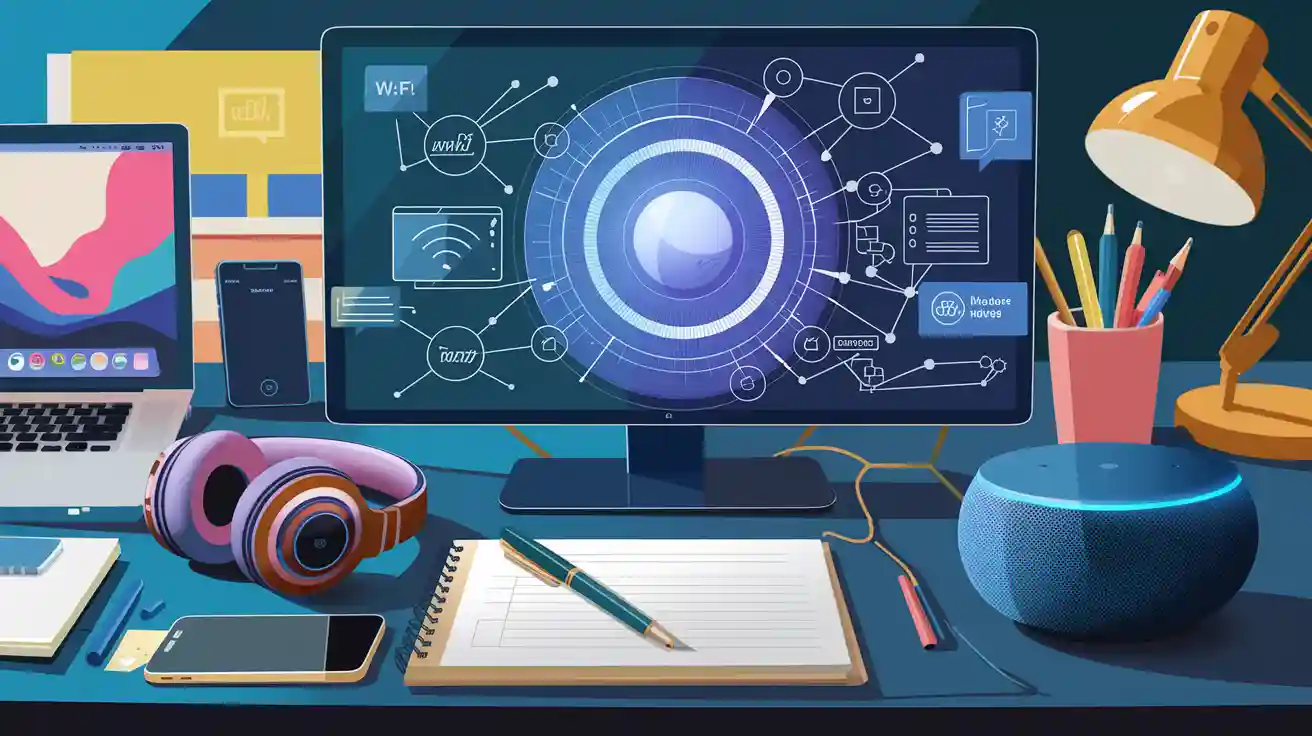
Consumer electronics are a big part of everyday life, but they can have problems that make using them harder. Issues like devices not working together or random errors can be frustrating. A consumer electronics solution for fixing these problems can save time and make things easier.
Solving these problems isn’t just helpful—it makes life better. For example, companies using tools like sentiment analysis see happier customers. About 83% of them get better results in just one year. These tools also guess how many people will use a product and find ways to improve it. This makes devices easier to use and lowers risks.
If you focus on fixing, upgrading, and keeping devices working well, they last longer and work better. Simple consumer electronics solutions help you handle problems easily and get the most out of your electronics.
Key Takeaways
Electronics might not work well together sometimes. Check if new devices fit with old ones to avoid problems.
Cleaning and updating software can make gadgets last longer. This helps save money and creates less trash.
Upgrading gadgets is cheaper than buying new ones. Choose devices you can easily improve or fix.
Apps can help you manage electronics and solve issues. They check how gadgets work and give repair tips.
Online groups can help with electronics problems quickly. Sharing ideas can lead to faster answers.
Common Problems in Consumer Electronics
Consumer electronics are important in daily life but can have issues. Knowing these problems helps you fix them and use devices better.
Problems with Device Compatibility
A common issue is when devices don’t work together. You might find your gadgets can’t connect or sync properly. This often happens because apps don’t work well or systems are too complex. Many products fail here, leaving users annoyed.
For instance, people like eco-friendly products, but only one-third stick with them if prices go up. This shows why durable and compatible devices are important without extra costs.
To fix this, check if new devices match your current ones. Choose products that follow universal standards for better compatibility.
Fixing and Repairing Devices
Fixing electronics can feel hard, but a plan helps. Write down steps when solving problems. This way, you or others can use the solution later. Manuals and online guides are helpful tools. You can also ask experts or search online for answers.
Did you know using these resources saves time and money? Many people find guides or expert help makes repairs easier.
If repairs are needed, think about using professional services or warranties. These options often fix problems well and make devices last longer.
Keeping Devices Working Longer
Taking care of devices helps them last longer. Most people want their gadgets to work for at least five years, some even ten. But breakdowns and software issues often cause early replacements.
Simple care, like cleaning and updating software, prevents problems. A 50% longer device life could cut replacements and waste by 33%. By maintaining your electronics, you save money and help the environment.
Upgrading and Future-Proofing
Upgrading your gadgets helps them stay useful as tech changes. Devices that miss updates like 5G or AI stop working well sooner. Picking gadgets you can upgrade makes them last longer and need fewer replacements.
When upgrading, focus on parts that improve performance the most. For instance, adding more storage or RAM to a laptop makes it faster. Changing an old phone battery can make it work like new. Check if the maker offers upgrades or designs that let you swap parts easily.
💡 Tip: Choose gadgets with modular designs. These let you replace parts like processors or graphics cards without buying a new device.
Future-proofing means preparing your gadgets for new trends. The electronics market is growing fast, with more gadgets sold each year. Modern devices are getting more advanced and harder to fix. Features like AI and 5G need special repairs, which can cost a lot. Extended warranties are popular because they cover these costs and protect your money.
Why future-proofing matters:
Repairs can cost more than buying new gadgets.
New tech needs to work with future standards.
Warranties give peace of mind and save money.
By upgrading and future-proofing, you cut waste and save cash. You also keep your gadgets working with new tech. These steps help you get the most out of your electronics and stay ahead.
Consumer Electronics Solutions for Everyday Problems

Making Devices Work Together
Sometimes gadgets don’t connect or work well together. This happens when companies use unique systems or skip universal rules. To avoid this, check if new devices match common formats like USB-C or Bluetooth. These formats help gadgets connect easily.
Updating your devices also helps them work better together. Updates fix bugs and improve how gadgets interact. For example, a software update might fix syncing issues between your phone and smartwatch. Keeping devices updated avoids problems and saves time.
💡 Tip: Buy gadgets labeled “plug-and-play.” These work right away without extra setup.
Easy Ways to Fix Problems
Fixing electronics doesn’t have to be hard. First, find the problem. Is your gadget slow or not turning on? Restarting it can solve small issues. If that fails, check the manual or search online for help.
Online groups are great for finding answers. Websites like Reddit or tech forums let you learn from others. Sharing tips can make fixing easier and faster.
For bigger problems, use diagnostic apps. Many brands offer tools to scan devices and suggest fixes. These apps make repairs simple and save money.
🛠️ Note: Back up your files before fixing big issues. This keeps your data safe.
Taking Care of Your Gadgets
Good care makes gadgets last longer. Clean them often to stop dust from causing overheating. Use soft cloths for screens and air cans for ports.
Keep software updated to improve security and speed. Delete unused apps to free space and make devices faster.
Use surge protectors to guard against power spikes. These protect gadgets from damage and costly repairs.
🌱 Sustainability Tip: Caring for gadgets saves money and cuts waste. It helps the planet by reducing electronic trash.
Choosing Upgradable Devices
When buying consumer electronics, pick ones you can upgrade. This helps them stay useful for a long time. Technology changes fast, but upgradable devices can keep up. This saves money and creates less electronic waste.
Look for gadgets with modular designs. These let you change parts like batteries or storage. For example, some laptops let you add more RAM or swap hard drives. This makes your device work better as your needs grow.
💡 Tip: Check the manual or website to see what parts can be upgraded. Manufacturers often share this information.
Also, think about software updates. Devices that get updates stay compatible with new apps and features. For instance, a phone with regular updates can run the latest software. Without updates, even good hardware becomes outdated.
Here’s a simple checklist for choosing upgradable gadgets:
Find modular designs: Replaceable parts make devices last longer.
Check update policies: Make sure updates are available for years.
Look into repairability: Easy-to-fix products save money.
Read reviews: Other buyers share tips about upgradability.
🛠️ Note: Avoid gadgets with sealed parts. These are harder to fix or upgrade.
Upgradable devices also prepare you for future tech. For example, adding a 5G modem to a laptop makes it faster. Upgrading a desktop’s graphics card helps it run new software. Choosing upgradable gadgets means you don’t need to buy new ones often.
Buying upgradable devices is good for your wallet and the planet. You save money by using gadgets longer. Plus, you create less electronic waste, which helps the environment. Focus on upgradability when shopping, and you’ll get more value and better performance.
Tools and Resources for Consumer Electronics
Apps and Software for Electronics Management
Using apps makes managing electronics simple. These tools help you check battery life, free up space, and schedule updates. Smart home apps let you control gadgets like lights and cameras from your phone.
IoT lets you control devices remotely with apps. You can turn off ovens, open gates, or adjust lights using your smartphone. This shows how apps make managing electronics easier.
Pick apps that work with your gadgets and get updates often. Some apps also find and fix problems, saving time and money. Popular choices include Samsung SmartThings and Google Home.
Reliable Repair Services and Warranties
Repair services and warranties keep electronics working and save money. Extended warranties cover repairs longer and give peace of mind. Many companies offer these for expensive items like laptops or phones.
A study shows why warranties matter:
Aspect | Details |
|---|---|
Study Focus | Warranties for electronics with multiple failure risks. |
Methodology | Dynamic programming to find the best warranty plans. |
Key Findings | High repair costs favor monthly warranties; cautious buyers avoid them. |
Implications for Firms | Suggest offering warranties based on customer needs. |
Choose authorized repair services for quality fixes. They use real parts and follow company rules. If your gadget has a warranty, check the details to avoid extra costs.
Online Communities for Support
Online groups help solve electronics problems fast. Users share tips, fixes, and advice for issues like software bugs or broken parts. These communities are great for learning and troubleshooting.
Users share advice and fixes for common problems.
Forums connect people with similar issues for quick help.
Some groups even organize legal actions against companies.
Websites like Reddit and Quora are good places to start. Search for answers or ask questions to get help from experienced users. Many brands also have forums where you can talk to their support teams. Joining these groups helps you fix problems and stay updated on new tech trends.
Consumer electronics PCB Design and Manufacturing
Importance of PCB Design
Role in Device Functionality
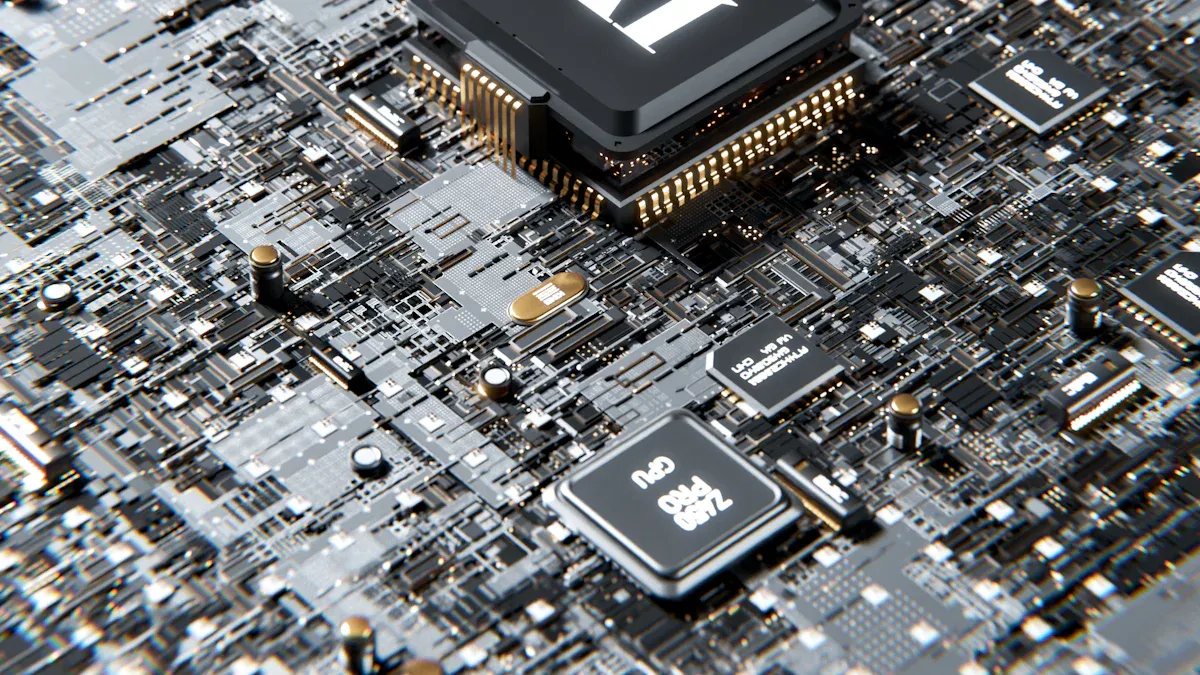
Printed Circuit Boards (PCBs) are key parts of modern gadgets. They link components and help devices work properly. PCBs are found in phones, medical tools, and more. Their design affects how well devices do their jobs.
PCBs enable advanced features in consumer electronics:
IoT Devices: Tiny PCBs help sensors send data quickly.
Advanced Sensors: Fast signals make medical tools and smart cars reliable.
Smartphones and Wearables: Thin PCBs improve battery life and connections.
Automotive Electronics: PCBs manage electric cars and driver-assist systems.
Medical Devices: Small PCBs boost performance in pacemakers and scanners.
Impact on Performance
Good PCB design improves how devices work. It reduces signal problems and ensures smooth operation. For example, phones need great PCBs for faster speeds and longer battery life. In cars, PCBs control motors and sensors for complex tasks.
The global PCB market shows their importance.
Statistic | Value |
|---|---|
Global PCB market value in 2021 | $75 billion |
Projected global PCB market value by 2030 | $120 billion |
CAGR of PCB market over the next decade | 5.0% |
Percentage of global PCBs used in consumer electronics | 70% |
Key Considerations for PCB Manufacturing
Material Selection
Picking the right materials is important for making PCBs. Heat-resistant materials work for factories, while flexible ones suit wearables. Standards like IPC help choose the best materials for each use.
Layer Count and Complexity
The number of layers in a PCB affects its abilities. Multi-layer PCBs handle tough tasks like routing signals and power. But more layers make production harder. Balancing layers and needs is key.
Design for Manufacturability
Designing PCBs for easy production saves time. Methods like drilling and etching must match the materials. Testing, like heat checks and electrical tests, ensures reliability for critical uses like medical tools or aerospace systems.
Best Practices in PCB Design
Schematic Design Techniques
Making clear schematics is the first step in PCB design. Use trusted CAD models to avoid mistakes. Follow rules for manufacturability to make production smoother.
Layout Optimization Strategies
Good layout design reduces signal problems and improves performance. Leave enough space between parts to avoid shorts. Arrange layers carefully for better results.
Signal Integrity Management
Keeping signals strong is crucial for PCB function. Route traces to avoid interference. Run checks often to catch problems early.
Best Practice | Description |
|---|---|
Choose materials based on board type | Match materials to specific uses. |
Follow DFM rules | Make designs easy to produce. |
Use verified CAD models | Avoid mistakes and improve accuracy. |
Prioritize SI and PI | Keep signals and power steady. |
Leave adequate spacing | Stop shorts and boost reliability. |
By following these tips, you can design PCBs that work well and meet industry needs.
Testing and Validation Methods
Prototype Testing Approaches
Testing early helps devices meet user needs and avoid mistakes. Finding design problems before production saves money and prevents failures. Research shows testing cuts costs by 33% and speeds launches by 50%. It also increases customer loyalty by 240%.
You can test prototypes in different ways:
Check user steps to improve designs.
Test how users start using the product to find issues.
Compare two versions to see what users like better.
Study how users complete tasks to make things easier.
These methods save time and money while improving products. Early testing ensures devices work well and meet market needs.
Compliance and Certification
Compliance testing checks if devices follow safety and quality rules. It looks at electrical safety, compatibility, and environmental standards. Certification shows products are safe and reliable. Without it, devices may face legal trouble or lose customer trust.
Tests include checking functions, stress levels, and environmental effects. Passing these tests allows you to get certifications like CE, FCC, or RoHS. These prove your product is safe and high-quality, helping you compete better.
Future Trends in PCB Technology
Flexible and Rigid-Flex PCBs
Flexible and rigid-flex PCBs are strong and bendable. They work well for wearables, medical tools, and small gadgets. Their ability to fit tight spaces makes them useful for new designs. As smaller devices become popular, flexible PCBs will be more important.
Miniaturization and Integration
Modern gadgets need smaller, stronger parts. HDI PCBs allow higher circuit density and better performance. Miniaturization creates compact devices without losing features. Combining parts into one design improves reliability and efficiency.
Sustainable Manufacturing Practices
Eco-friendly PCB manufacturing is becoming more important. Using recyclable materials and reducing waste meets consumer and legal demands. Companies that focus on sustainability protect the planet and improve their reputation. These practices help create a greener future and meet market needs.
Trend | Description |
|---|---|
High-Density Interconnect (HDI) | Offers higher circuit density and better performance for modern devices. |
Flexible and Rigid-Flex PCBs | Useful for innovative designs, combining flexibility and strength. |
Sustainability | Focuses on eco-friendly practices to meet regulations and consumer expectations. |
Compliance
Why Compliance Matters
Keeping Devices Safe
Compliance makes sure electronics are safe to use. It protects people from dangers like overheating or electrical problems. Products that follow rules go through strict testing to avoid accidents. This keeps you and your property safe.
For example, safety checks catch faulty parts before they cause harm. When devices meet these standards, you can trust they won’t fail. Companies that focus on safety build trust and avoid recalls or lawsuits.
Protecting Your Rights
Compliance also defends your rights as a buyer. Rules make sure products are high-quality and reliable. For instance, you have the right to know how smart gadgets use your data. You can even ask for your data to be fixed or deleted if needed.
These rules help you trust good brands. Companies that follow them show they care about fairness and honesty. This builds their reputation and keeps customers coming back.
Rules and Regulations
Important Guidelines
Laws cover many parts of electronics, like safety and privacy. For example, you can see how your personal data is used. You can also stop companies from using your data for ads unless it’s necessary.
These rules push companies to keep you safe and respect your privacy. They also encourage responsible innovation, balancing new tech with ethical choices.
Effects on Companies
Following rules helps companies in many ways. Keeping compliance documents in one place saves time and cuts errors by 40%. Approving these documents faster improves teamwork by 30%. This helps companies adjust quickly to new rules and stay competitive.
By following standards, companies avoid fines and work more efficiently. This benefits both businesses and buyers, creating safer and better products.
Testing for Compliance
Types of Tests
Compliance tests check if products meet safety and quality rules. These tests look at things like electrical safety and how devices handle tough conditions. For example, stress tests see if gadgets work under extreme heat or cold. Functional tests make sure all features work properly.
How Testing Works
Testing starts with careful planning. Companies gather important papers, like training records, to get ready for audits. Then, they check systems and processes to match the rules. This detailed process ensures products are safe and builds trust with buyers.
Certification Processes
Steps to Obtain Certification
Getting certification for electronics involves a few key steps. First, find out the rules your product must follow. These could include safety, environmental, or performance standards. Then, collect important papers like design details and test results. These documents prove your product meets the rules.
Next, send your product to a certified lab for testing. The lab checks if your device meets the required standards. After testing, you’ll get a detailed report. If your product passes, apply for certification from the proper authority. Finally, add the certification mark to your product to show it meets industry rules.
Importance of Certification
Certification shows your electronics are safe and work well. It builds customer trust and protects your brand’s image. Certified products also follow laws, helping you avoid fines or recalls. For example, over 40 million recalls happened in the U.S. in 2021 due to rule-breaking. Certification helps prevent such costly problems.
It also helps you sell in other countries. Many places require specific certifications for imported products. Meeting these rules lets you grow your electronics business worldwide.
Challenges in Compliance
Common Compliance Issues
You might face problems when trying to follow rules:
Understanding complicated regulations can be confusing.
Limited staff or skills make meeting rules harder.
Handling private data needs strong systems.
Workers may make mistakes without proper training.
Adding new tech often causes compliance problems.
Proving compliance needs organized reports.
Balancing ease of use with rules can affect designs.
Ensuring vendors follow rules adds extra challenges.
Solutions to Overcome Challenges
To solve these problems, you can:
Create a team to track rule changes.
Train workers often on compliance needs.
Use smart tools to manage private data.
Write clear policies for following rules.
Invest in tech that meets compliance needs early.
Build a system to track and report compliance efforts.
Align business goals with compliance for better results.
Manage risks with third-party vendors carefully.
These actions help you handle compliance issues and meet all required standards.
Future of Compliance
Trends in Regulatory Changes
Rules for safety are always changing, especially in electronics. New IoT devices bring rules for data safety and working together. Eco-friendly practices are also getting stricter with new regulations.
Innovations in Compliance Technology
New tech is making compliance easier. Automated tools track rule changes and update your processes. AI finds risks and offers fixes. Blockchain keeps compliance records secure and clear. These tools save money and improve efficiency, helping you stay competitive.
Aspect | Details |
|---|---|
Market Size | Valued at $18.3 billion in 2021, with a projected CAGR of 6.5% through 2028. |
Growth Drivers | Focus on safety, rule-following, and new technologies. |
Opportunities | Emphasis on eco-friendly practices and IoT devices needing special compliance tests. |
By using these trends and tools, you can prepare for future compliance needs and stay ahead in the market.
Finding good solutions for electronics makes life easier. It also helps your devices last longer. Fixing issues like compatibility, care, and upgrades saves money. Staying ahead keeps your gadgets working well and ready for the future.
Planning ahead turns problems into opportunities. It keeps things running smoothly, lowers costs, and supports eco-friendly choices. By thinking ahead, businesses solve issues before they happen and take smart steps to avoid trouble.
Learn about new tools and trends to make better choices. This helps you use your electronics wisely and get the best results.
FAQ
What should you do if your device stops working suddenly?
Restart your device first. If it still doesn’t work, check the battery or power source. Look for error messages and search online for help. Use the manual to guide you. If nothing works, contact customer support or visit a trusted repair center.
How can you extend the lifespan of your electronics?
Keep your devices clean to stop dust from building up. Use surge protectors to prevent power damage. Update software to fix bugs and improve speed. Store gadgets in cool, dry places. Follow the maker’s care tips for the best results.
Why is upgrading your device better than replacing it?
Upgrading costs less and creates less electronic waste. You can boost performance by adding storage, RAM, or a new battery. It helps your device stay useful with new technology. Modular designs make upgrades simple and extend the device’s life.
How do you choose a reliable repair service?
Choose repair centers approved by the manufacturer. They use real parts and follow proper rules. Read online reviews to see what others say. Check if they offer warranties for repairs. Avoid unverified technicians who might use bad parts or void your warranty.
What are the benefits of using diagnostic apps?
Diagnostic apps find problems fast and suggest solutions. They save time and money by reducing trips to repair shops. Some apps also clean files and check battery health. Pick apps that work well with your device for the best results.
💡 Tip: Back up your data before using diagnostic apps to keep it safe.