Printed circuit boards (PCBs) use HASL finishes to protect surfaces. These finishes also help with strong and reliable soldering. Two main types are lead-free HASL and leaded HASL. Lead-free HASL has no lead, making it safer for people and nature. Leaded HASL, however, is stronger and has a shinier look.
It’s important to know about these finishes to choose wisely. For instance, factories in China take 23% longer to approve HASL PCBs than other finishes. In Europe, leaded products need more paperwork, raising costs by 15%. These facts show why smart choices matter in PCB production.
Key Takeaways
Lead-free HASL is safer for the environment and people. It uses no lead, making it a better choice for eco-friendly products.
Leaded HASL is cheaper and easier to use. It has a shiny finish and works well for strong soldering, but it contains harmful lead.
Consider the melting point when choosing a finish. Lead-free HASL requires higher heat, which can complicate production but offers better durability.
Think about your project’s needs. For strict regulations or high-heat applications, lead-free HASL is ideal. For budget-friendly projects, leaded HASL may be sufficient.
Stay compliant with regulations like RoHS. Using lead-free HASL helps avoid legal issues and supports a greener image for your brand.
Understanding HASL PCB Finishes
What is HASL Lead-Free?
HASL lead-free is a finish for PCBs without lead. It uses alloys like tin-copper, tin-silver-copper, or tin-nickel. These finishes are safer for the environment and follow rules like RoHS. They are great for products needing lead-free materials, like electronics and medical tools.
Lead-free HASL is safer for workers and users. Its performance depends on the alloy used. Tin-silver-copper alloys work very well for soldering. Tin-copper alloys are slightly less effective. Even with differences, lead-free HASL is popular for modern PCB making.
What is HASL Leaded?
HASL leaded is the older type of PCB finish. It uses a tin-lead mix, usually 63% tin and 37% lead. This finish has been trusted since the 1980s for its strength and good soldering ability. It works well for strong and lasting connections.
Leaded HASL is cheap and simple to use. But it has lead, which is harmful to health and nature. It also doesn’t meet rules like RoHS, so it’s not allowed in strict industries. Still, leaded HASL is used in military and industrial projects because it is very reliable.
Overview of the HASL Process
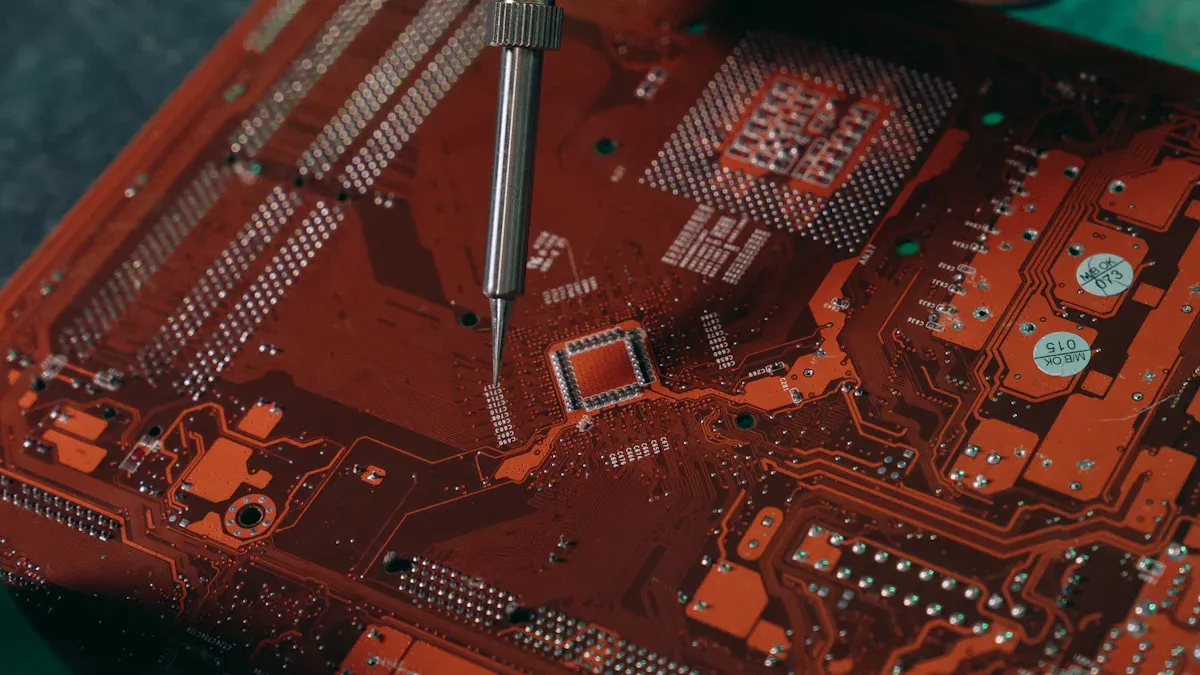
The HASL process coats PCBs by dipping them in melted solder. Hot air then removes extra solder, leaving an even layer. This helps with soldering and stops the PCB from rusting.
HASL was the first finish made for solder mask over bare copper (SMOBC) PCBs. It is one of the cheapest finishes. But it has problems, like uneven solder pads, which can cause shorts. Lead-free HASL is now a safer and greener option. It fixes some issues and meets today’s rules.
Year/Period | Finish Type | Description | Advantages | Disadvantages |
|---|---|---|---|---|
Early 1980s | HASL | Original PCB finish | Affordable, widely used | Not ideal for small parts or SMT |
Key Differences Between Lead-Free HASL and Leaded HASL
Composition and Materials
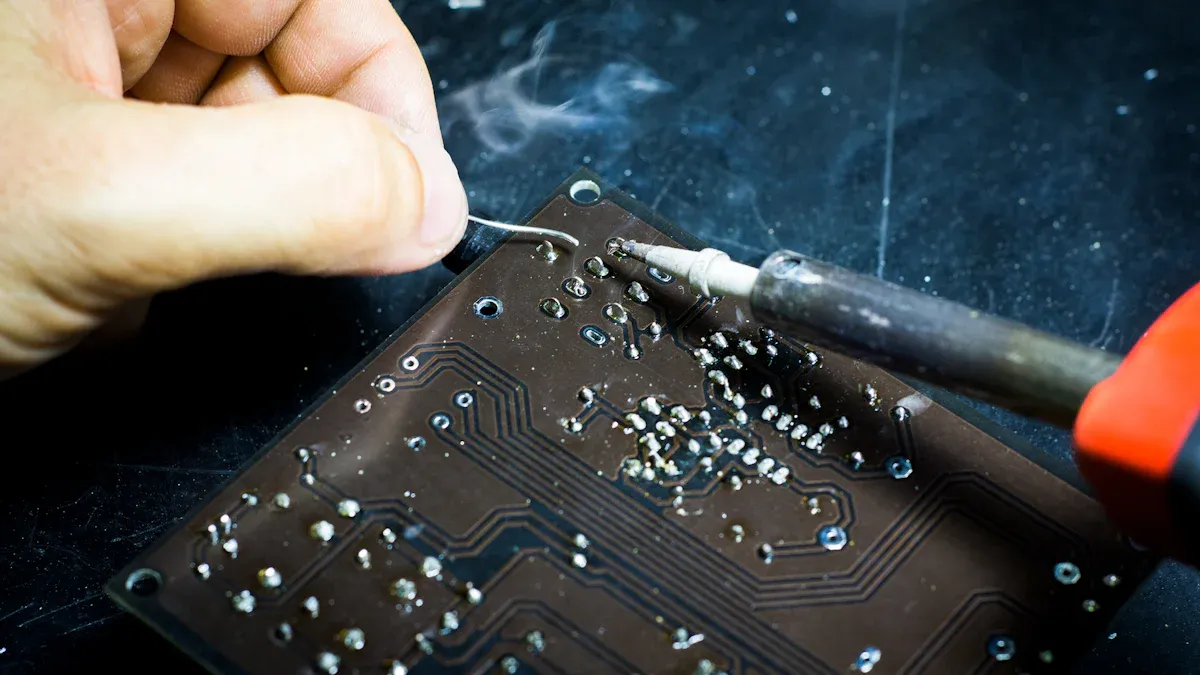
The main difference between lead-free HASL and leaded HASL is their materials. Leaded HASL uses a mix of tin and lead, usually 63% tin and 37% lead. This mix has been popular for years because it solders well and costs less. But, the lead in it is bad for health and the planet.
Lead-free HASL, however, has no lead at all. It uses safer materials like tin-silver-copper or tin-copper alloys. These follow rules like RoHS to protect the environment. While better for nature, lead-free HASL costs more and may need changes in how factories work.
Property | Leaded HASL | Lead-Free HASL |
|---|---|---|
Composition | Tin-Lead | Tin and Silver/Tin and Copper |
Cost | Lower | Higher |
Environmental Impact | Less Favorable (Toxic) | More Favorable (Eco-Friendly) |
Solderability | Good | Excellent |
Durability | Moderate | Better |
Knowing these differences helps you pick the right finish. Think about cost, performance, and following rules when deciding.
Surface Finish and Appearance
The look of a PCB finish affects how it works and lasts. Leaded HASL gives a shiny, smooth surface because of the lead. This glossy look makes it easy to check and ensures good soldering. But, the lead can be dangerous when handled or thrown away.
In comparison, lead-free HASL has a less shiny surface. Without lead, the finish looks duller. Even so, lead-free HASL is tougher and better for industries that care about the environment.
Surface Finish Type | Properties | PCB Pad Finish | Solderability | Reflow Soldering Temperatures | Wave Soldering Temperatures |
|---|---|---|---|---|---|
HASL | Tin and lead (37% lead) | Glossy | Good | 210℃ to 245℃ | About 250℃ |
Lead-free HASL | Tin (lead < 0.5%) | Dim | A little worse than HASL | 240℃ to 270℃ | About 260℃ |
When choosing a PCB finish, think about how it looks and works. Lead-free HASL is great for green industries. Leaded HASL works well for cheaper projects needing easy checks.
Solderability and Performance
Soldering is very important in making PCBs. Leaded HASL solders easily because of its tin-lead mix. Its lower melting point (about 183℃) makes it simple to use. This lowers the chance of heat damage to parts. That’s why leaded HASL is often chosen for strong, reliable soldering.
Lead-free HASL is harder to solder but lasts longer. Its higher melting point (above 217℃) makes it better for hot conditions. But, it needs more heat, which uses more energy and complicates production.
Both finishes have good points. If you want easy soldering and lower costs, pick leaded HASL. If you need durability, eco-friendliness, and better long-term results, go with lead-free HASL.
Melting Point and Thermal Properties
The melting point of solder is key in making PCBs. It shows how much heat is needed for soldering. Leaded HASL melts at a lower temperature, about 183°C (361°F). This makes it easier to use, especially with parts that can’t handle much heat. It creates strong solder joints without overheating the PCB. This lowers the chance of damaging fragile components.
In contrast, lead-free HASL needs higher heat. Its melting point is usually above 217°C (423°F), depending on the alloy. For instance, tin-silver-copper alloys melt between 217°C and 221°C. This higher melting point makes it tougher and better at handling heat. But, it also uses more energy and may need special tools for production.
Thermal properties also affect how a PCB works in different settings. Leaded HASL works fine in normal conditions but struggles in very hot places. On the other hand, lead-free HASL handles heat better. It’s great for devices used in hot environments, like cars or factories.
Property | Leaded HASL | Lead-Free HASL |
|---|---|---|
Melting Point | ~183°C | ~217°C or higher |
Thermal Stability | Moderate | High |
Energy Requirement | Lower | Higher |
Think about your product’s heat needs when picking a finish. If it will face high heat, lead-free HASL is more reliable. For simpler projects, leaded HASL might be enough.
Cost Comparison
Cost is a big factor in PCB production. Leaded HASL is cheaper. The tin-lead mix costs less and uses less energy during soldering. If you’re on a tight budget or making many PCBs, leaded HASL can save money.
On the other hand, lead-free HASL costs more. Alloys like tin-silver-copper are pricier than tin-lead. Plus, its higher melting point means more energy is needed. You might also need better equipment for the extra heat. These things make lead-free HASL more expensive overall.
Even though it costs more, lead-free HASL has long-term perks. It follows rules like RoHS, avoiding fines or bans. If you sell to places with strict green laws, spending more on lead-free HASL can be worth it.
Cost Factor | Leaded HASL | Lead-Free HASL |
|---|---|---|
Material Cost | Lower | Higher |
Energy Consumption | Lower | Higher |
Equipment Upgrades | Not Required | Often Required |
Regulatory Compliance | Limited | High |
When choosing, balance upfront costs with future savings. For eco-friendly industries, lead-free HASL is worth the price. For budget projects, leaded HASL is a smart option.
Advantages and Disadvantages of HASL Lead-Free and Leaded
Benefits of Lead-Free HASL
Lead-free HASL has many good points, especially for eco-friendly industries. Here’s why it might be a great choice for your PCBs:
Environmentally Friendly: Lead-free HASL doesn’t use harmful lead. This makes it safer for workers and nature. It also follows rules like RoHS, which limit dangerous materials in electronics.
Durable in Heat: Its higher melting point makes it strong in hot conditions. This is perfect for devices like car parts or factory machines.
Follows Rules: Some places, like Europe, ban leaded finishes. Using lead-free HASL avoids legal trouble and meets global standards.
Longer Shelf Life: Lead-free HASL doesn’t rust as quickly as leaded finishes. This helps your PCB last longer.
Eco-Friendly Image: Choosing lead-free HASL shows you care about the planet. This can make your brand more popular with green-minded buyers.
Tip: If your product is for medical tools or electronics, lead-free HASL is often the best choice because it meets strict environmental rules.
Drawbacks of Lead-Free HASL
Even with its benefits, lead-free HASL has some downsides to think about:
Costs More: Materials like tin-silver-copper are pricier than tin-lead. Plus, its higher melting point uses more energy during production.
Harder to Solder: Lead-free HASL needs more heat for soldering. This can make manufacturing harder and might damage delicate parts.
Less Shiny: Unlike leaded HASL, lead-free HASL has a dull look. While this doesn’t change how it works, it might not look as nice for some uses.
Needs Special Tools: Switching to lead-free HASL often means buying new equipment for higher heat. This adds to your starting costs.
Note: If your project has a small budget or uses heat-sensitive parts, lead-free HASL might not be the best fit.
Benefits of Leaded HASL
Leaded HASL is still a favorite for many PCB projects because it’s reliable and affordable. Here are its main advantages:
Cheaper Option: Leaded HASL is one of the least expensive finishes. It’s great for projects with tight budgets.
Easy to Use: Applying leaded HASL is simple and doesn’t need special tools. This makes production easier.
Great for Soldering: The tin-lead mix makes soldering strong and dependable.
Easy to Fix: Leaded HASL lets you fix mistakes during production without much trouble or cost.
Proven Success: It’s been used for decades and works well in many applications.
Shiny Surface: Its glossy finish makes it easy to spot problems during inspection.
Lower Heat Needed: Its lower melting point reduces the risk of overheating parts. This is helpful for delicate electronics.
Tip: For general electronics or low-cost products, leaded HASL is a smart and practical choice.
Characteristic | HASL (Leaded) | HASL (Lead-Free) |
|---|---|---|
Cost | Lower | Higher |
Solderability | Excellent | Good |
Durability | Moderate | High |
Environmental Impact | Harmful (contains lead) | Safer (lead-free) |
Thermal Performance | Good | Better |
Knowing these pros and cons will help you pick the best finish for your needs.
Drawbacks of Leaded HASL
Leaded HASL has been used for years, but it has problems. These issues should be considered before using it for your project.
Environmental Problems
Leaded HASL contains lead, which is harmful to people and nature. If thrown away carelessly, lead can pollute soil and water. Factories using leaded HASL add to pollution, making it a big source of lead in PCB production. Also, leaded HASL does not follow rules like RoHS, which limit harmful materials in electronics. If your product must meet strict green rules, leaded HASL is not a good choice.
Note: Using leaded HASL could lead to fines in areas with strict environmental laws.
Technical Challenges
Leaded HASL doesn’t work well with modern PCB designs needing precision. It’s not good for small parts or plated through-holes because the finish can be uneven. This unevenness may cause soldering problems, especially on crowded boards. Another issue is poor wetting, which weakens solder joints and lowers PCB reliability. If your design needs perfect soldering or has tiny parts, leaded HASL might not perform well.
Problem | Details |
|---|---|
Environmental Issues | Contains lead, harms nature, and breaks RoHS rules. |
Precision Problems | Not fit for small parts or plated through-holes. |
Wetting Trouble | Can cause weak solder joints due to poor wetting. |
Performance Issues
Leaded HASL melts at a lower temperature, making it easy to solder. But, it doesn’t handle heat well. In hot places, the tin-lead mix can wear out faster, shortening the PCB’s life. This makes it less reliable for uses in cars, planes, or factories where heat resistance is key. While it saves money at first, its limits may lead to higher repair costs later.
Main concerns about leaded HASL include:
It’s the biggest source of lead in PCB production.
Despite its problems, it’s still widely used.
By knowing these downsides, you can decide if leaded HASL fits your project. If you need eco-friendliness, precision, or durability, lead-free HASL might be a better option.
Applications of HASL Lead-Free and Leaded
Common Uses of Lead-Free HASL
Lead-free HASL is used in industries that care about safety and rules. It’s needed in products where lead-free materials are required. For example, medical tools and electronics use lead-free HASL to meet strict safety laws. Its strength in high heat makes it great for car electronics, like engine parts and sensors.
In Europe, most PCB makers avoid leaded HASL because of green rules. Over 80% now use lead-free finishes, including HASL. The car industry has also reduced HASL use, dropping from 41% in 2018 to 22% in 2022. Many now pick lead-free finishes that handle heat better.
Common Uses of Leaded HASL
Leaded HASL is still used where low cost and easy production matter. It’s common in basic electronics, factory machines, and cheap gadgets. Its shiny surface and good soldering make it a trusted choice for projects without strict green rules.
This finish works well with factory tools, making production faster. Its smooth solder layer ensures strong connections. Quality checks are simple with just a visual look. But, leaded HASL doesn’t work well for modern designs with tiny parts because its surface can be uneven.
Industry Trends and Regulations
The global HASL PCB market is shrinking by 3.8% yearly until 2030. This is because more people prefer other finishes like immersion silver (ImAg) and organic solderability preservatives (OSP). For example, portable electronics now use OSP for thinner designs, with 60% adoption in 2023.
Rules like RoHS and REACH are pushing industries away from leaded HASL. These rules limit harmful materials in electronics, promoting eco-friendly finishes. Many industries now choose lead-free options to follow rules and protect the planet.
Application Area | HASL Usage (%) | Alternative Finish Adoption (%) | Year |
|---|---|---|---|
Automotive Electronics | 22% | ImAg: 34% | 2022 |
Portable Electronics | 40% | OSP: 60% | 2023 |
Medical Devices | N/A | N/A | N/A |
Tip: If your product is sold in areas with strict green laws, pick lead-free HASL or other finishes to follow the rules.
Safety and Environmental Impact of HASL PCB Finishes
Health Concerns of Leaded HASL
Leaded HASL contains lead, which is harmful to health. Handling or throwing away PCBs with this finish can pollute soil and water. This pollution harms people, animals, and plants. Workers making these PCBs face health risks like nerve and kidney damage. Even tiny amounts of lead can cause serious problems, especially for kids.
If your product uses leaded finishes, you must be careful. Safe disposal and recycling are needed to reduce harm. But these steps make production harder and costlier. For industries focused on safety and being eco-friendly, leaded HASL is not the best option.
Environmental Benefits of Lead-Free HASL
Lead-free HASL is safer for the planet. It doesn’t use lead, so it reduces pollution during production and waste. Choosing lead-free finishes helps protect nature and prevents contamination. This is very important for industries like cars and medical tools, where the environment matters.
Lead-free finishes also support green technology efforts. They use safe materials and last in high heat. This makes them great for tough jobs, like factory machines or car parts. By using lead-free HASL, you help make the world cleaner and safer.
Compliance with RoHS and Other Standards
Following rules like RoHS is key for modern PCB making. RoHS ensures your PCB finish has no banned materials like lead. To prove this, manufacturers need a RoHS certificate. This shows their materials and processes meet strict safety rules.
RoHS-compliant finishes, like lead-free HASL, immersion silver, and OSP, avoid harmful substances. These finishes also help you avoid fines in areas with strict green laws. For example, products often have Pb-Free labels to show they are safe. By picking compliant finishes, you meet global rules and protect workers and nature.
Category | Details |
|---|---|
RoHS Compliant Raw Materials | Certified materials used for PCBs that follow RoHS rules. |
RoHS Compliant Fabrication | Processes that remove harmful substances banned by RoHS. |
RoHS Compliant Surface Finishes | Finishes like immersion silver, tin, and OSP that meet RoHS rules. |
Lead-Free and Non-toxic | Finishes without banned toxic metals, ensuring compliance. |
Tip: Always check that your PCB finish meets lead-free rules to avoid problems and support eco-friendly practices.
Picking between lead-free HASL and leaded HASL depends on your project. Leaded HASL is cheaper, shiny, and easy to solder. But it has lead, which is bad for health and not eco-friendly. Lead-free HASL costs more but lasts longer, handles heat better, and follows global rules.
Factor | Leaded HASL | Lead-Free HASL |
|---|---|---|
Support Thickness | 25.4µm to 50.8µm | 2.54µm to 25.4µm |
Surface Cost | Cheaper than ENIG, pricier than basic HASL | Medium cost compared to others |
Safety | Has lead, harmful to health/nature | Safer, no lead used |
For strict industries, lead-free HASL works best. For cheaper projects, leaded HASL is fine. Match your choice to your needs, budget, and rules.
FAQ
What does HASL mean in PCB making?
HASL means Hot Air Solder Leveling. It coats PCB surfaces with solder. This protects copper and helps with soldering during assembly.
Can leaded HASL be used in today’s electronics?
Yes, but only in certain fields. Leaded HASL is used in military, aerospace, and industrial projects. These areas don’t follow strict rules like RoHS. But for consumer electronics or medical tools, lead-free finishes are usually required.
Why does lead-free HASL cost more than leaded HASL?
Lead-free HASL uses expensive alloys like tin-silver-copper. It needs more heat for soldering because of its higher melting point. Factories may also need new tools for lead-free processes, raising costs.
How do I pick between lead-free and leaded HASL?
Think about your project’s needs. For eco-friendly rules or high-heat durability, pick lead-free HASL. For cheaper projects or less strict rules, leaded HASL might work better.
Does lead-free HASL make PCBs last longer?
Yes, it does. Lead-free HASL resists heat and rust better. These features help PCBs last longer, especially in tough places like factories or cars.