Surface finishing is important for making PCBs last longer. It stops copper from rusting, keeping the board working well. It creates a shield to protect against water, heat changes, and rust. It also helps parts stick better, improving how electricity flows. Picking the right surface finish makes your PCB work well and last a long time, no matter where it’s used.
Tip: Choose surface finishes that fit your needs and environment for the best results.
Key Takeaways
Surface finishing keeps PCBs safe from rust and harm, helping them last longer and work well.
Picking the right surface finish, like ENIG or OSP, depends on what your project needs and where it will be used.
Good solder connections are important for PCBs to work well; surface finishes make smooth surfaces for better soldering.
Think about cost, strength, and industry rules when choosing a surface finish for your PCB.
Testing the surface finish in real-life conditions can stop future soldering problems and keep it working for a long time.
What Is Surface Finishing in PCB Manufacturing?
Definition and Purpose of Surface Finishing
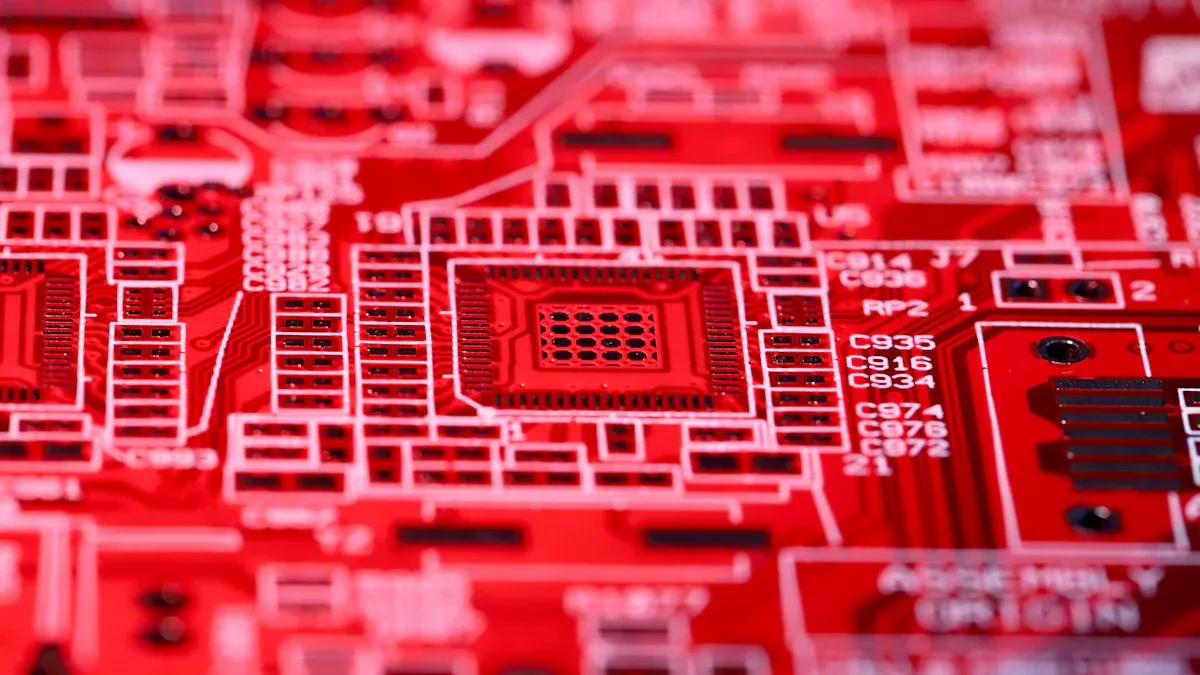
Surface finishing adds a protective layer to the copper on a PCB. This layer stops rust and keeps the board working well. It also makes it easier to attach parts during assembly. Without surface finishing, the copper would wear out fast, causing the PCB to fail.
Purpose/Function | Description |
|---|---|
Prevention against Oxidation | Stops copper from rusting, keeping the PCB working well. |
Prevention against Corrosion | Protects against rust and damage, ensuring strong connections. |
Generating a Solderable Surface | Makes it easier to attach parts securely during assembly. |
Key Functions: Protection, Solderability, and Reliability
Surface finishing does three main jobs to help PCBs last:
Protection: It keeps copper safe from water and heat changes that cause rust.
Solderability: It makes a smooth surface for attaching parts, creating strong bonds.
Reliability: It stops rust and damage, helping the PCB work well for a long time.
Surface finishes like ENIG and HASL are great for these jobs. ENIG resists rust and helps electricity flow, while HASL is cheaper and works well for soldering.
Importance of Surface Finishing in PCB Durability
Surface finishing helps PCBs last longer by protecting copper from rust. It also makes soldering easier, creating strong connections. Plus, it shields the PCB from things like water and heat changes, which can cause damage.
Surface finishes stop rust that can weaken solder joints.
They help solder stick to copper, making strong connections.
Surface finishes protect against water and heat that harm solder joints.
Picking the right surface finish helps your PCB work better and last longer, even in tough conditions.
How Surface Finishing Improves PCB Durability
Stopping Rust and Damage
Surface finishing helps protect the copper on PCBs from rust and damage. Without this layer, air and water can harm the copper, making the PCB weaker.
Finishes like OSP add a thin layer to block air and stop rust.
HASL gives a strong coating that keeps the PCB safe from damage.
Advanced finishes like ENIG and ENAPEG offer better protection, making PCBs last longer.
Choosing the right finish keeps your PCB safe from harm and working well over time.
Making PCBs Stronger Against Wear
Surface finishes make PCBs tougher and able to handle stress during use. Studies show that special coatings, like nano-composites, make PCBs harder and stronger. These coatings protect against damage from soldering and handling.
Nano-composite finishes also handle heat well, which is important for cars and planes. This means your PCB can survive high heat without breaking. Using advanced finishes makes your PCB stronger, even in tough conditions.
Protecting Against Water and Heat
Water and temperature changes can hurt PCBs, but surface finishes act as shields. They protect copper from water and stop rust.
High humidity can cause rust, but OSP finishes block moisture.
Heat changes can crack PCBs, but finishes keep them stable.
Good packaging with the right finish keeps PCBs safe in hard conditions.
Studies compare how well finishes protect PCBs in different environments:
Surface Finish | Environmental Impact | Cost Efficiency |
|---|---|---|
OSP | Eco-friendly, no heavy metals, low waste | Low cost |
HASL | Uses more chemicals, less eco-friendly | Higher cost |
Gold Plating | Uses harmful materials, bad for the environment | High cost |
ENIG | Needs chemicals, less eco-friendly | High cost |
Picking the best finish for your environment keeps your PCB strong and reliable, no matter the challenges.
Ensuring reliable solder connections for long-term performance
Strong solder connections are key to making your PCB last. They keep parts firmly in place and working properly. Surface finishes help by creating a smooth surface for strong solder bonds.
Picking the right finish improves how well solder sticks. For example, electroless nickel immersion gold gives a flat surface, making soldering easier. It also stops rust, which can weaken solder joints over time. A clean surface lowers the chance of connection problems.
Testing solderability is also important for strong connections. This checks if the finish works well with solder. It helps find problems early, saving time and money. Testing ensures the finish fits your needs.
Different finishes work better for different uses. OSP is cheap and good for short-term use. But for long-lasting PCBs, finishes like electroless nickel immersion gold or immersion silver are better. These resist moisture and heat, which can harm solder joints.
Think about where your PCB will be used. Heat, humidity, and stress can affect solder connections. Choose a finish that handles these conditions to keep your PCB strong and reliable.
Tip: Test your PCB’s surface finish to avoid soldering issues.
Focusing on strong solder connections makes your PCB work better and last longer. The right finish not only helps soldering but also protects against damage, keeping your PCB reliable in any situation.
Types of PCB Surface Finishes
HASL (Hot Air Solder Leveling): Pros and Cons
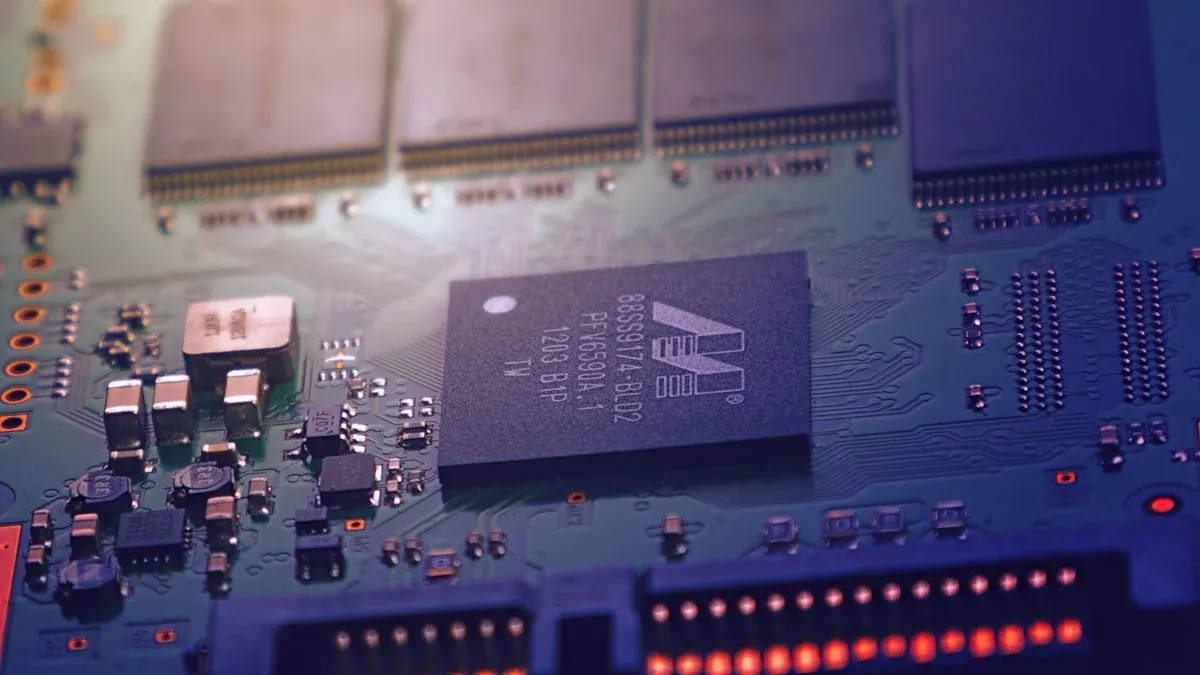
Hot Air Solder Leveling (HASL) is a popular surface finish. It coats the board with melted solder and uses hot air to smooth it. This creates a protective layer over the copper and helps with soldering.
Pros of HASL:
Affordable: HASL is one of the cheapest finishes, great for saving money.
Good for soldering: It works well with through-hole parts, making strong joints.
Easy to fix: Damaged areas can be repaired by resoldering.
Cons of HASL:
Rough surface: The finish can be uneven, causing problems with tiny parts.
Rust risk: The solder layer can rust over time, lowering reliability.
Environmental issues: Traditional HASL uses lead, which is harmful, but lead-free options exist.
Feature | HASL Pros | HASL Cons |
|---|---|---|
Cost | Very affordable | N/A |
Soldering | Great for through-hole parts | Not ideal for tiny parts |
Storage Life | Lasts over a year if stored well | Shorter life due to rust |
Environment | Lead-free options available | Traditional HASL contains harmful lead |
Durability | N/A | Can rust, reducing reliability |
Surface Smoothness | N/A | Uneven surface may cause soldering issues |
Repairs | Easy to repair by resoldering | N/A |
HASL is a good choice for many uses, but its rough surface may not suit projects with tiny parts or smooth surface needs.
ENIG (Electroless Nickel Immersion Gold): Strength and Uses
Electroless Nickel Immersion Gold (ENIG) is a high-quality surface finish. It adds a nickel layer over copper, topped with a thin gold layer. This protects the board and makes soldering easier.
Why Pick ENIG?
Long-lasting: The gold stops rust, keeping the nickel and copper safe. It’s great for long-term storage and reliable projects.
Smooth surface: ENIG provides a flat surface, perfect for tiny parts like BGAs.
Handles heat well: It stays good for soldering even after many heating cycles, ideal for complex builds.
ENIG Uses:
Dense PCBs: ENIG is great for boards with small, closely packed parts.
Medical and aerospace: Its strength and resistance make it perfect for critical uses.
Wearables: ENIG’s durability helps these devices handle daily wear and moisture.
Studies show ENIG performs well. Gold’s low reactivity stops rust, keeping the board lasting longer. Research also shows it keeps solder joints strong, especially for flip-chip soldering. But ENIG has challenges, like brittle solder joints, so careful testing is needed.
OSP (Organic Solderability Preservative): Features and Best Uses
Organic Solderability Preservative (OSP) is a budget-friendly finish. It uses a thin organic layer to protect copper from rust. It’s eco-friendly and works well for short-term projects.
OSP Features:
Low cost: OSP is one of the cheapest finishes, great for saving money.
Environmentally safe: It avoids heavy metals, making it better for the planet.
Fixable: The OSP layer can be removed and reapplied during repairs.
OSP Best Uses:
Electronics: OSP is common in short-life devices like phones and tablets.
Mass production: Its low cost makes it ideal for large-scale PCB production.
Moisture protection: OSP shields copper from rust, even in humid places.
Research supports OSP’s reliability. Tests show OSP-protected copper stays rust-free for over a year. It also keeps solderability during assembly, even after multiple heat cycles. However, its short shelf life and inspection difficulty make it less ideal for long-term or high-reliability projects.
Tip: Choose OSP for cheap, eco-friendly projects, but use other finishes for long-lasting needs.
Immersion Tin and Immersion Silver: Features and Strength
Immersion tin and immersion silver are common PCB surface finishes. They both protect copper and help with soldering. Each has unique features for different uses.
Immersion Tin: Features and Advantages
Immersion tin adds a thin tin layer to copper. This layer stops rust and helps with soldering. It’s a budget-friendly choice for many projects. Its smooth surface works well for small parts and dense PCBs.
But immersion tin has downsides. Over time, the tin can change, making soldering harder. It also doesn’t last as long as ENIG or HASL. Storing it properly keeps it working well.
Immersion Silver: Features and Advantages
Immersion silver adds a thin silver layer to copper. It conducts electricity well and resists rust. It’s great for circuits needing strong signals, like high-frequency ones.
Unlike tin, silver doesn’t form harmful compounds, keeping solder joints strong. But it’s more affected by humidity and tarnishing. Good packaging is needed to keep it in good shape.
Comparing Immersion Tin and Immersion Silver
Feature | Immersion Tin | Immersion Silver |
|---|---|---|
Cost | Low cost | Medium cost |
Solderability | Good, but weakens over time | Excellent, stays strong |
Durability | Short shelf life | Needs protection from tarnish |
Applications | Dense PCBs | High-frequency circuits |
Pick tin or silver based on your needs. Think about cost, durability, and where the PCB will be used.
Other Surface Finishes
There are other special finishes for specific needs. These include ENEPIG and hard gold plating. Each has its own benefits for certain uses.
Electroless Nickel Electroless Palladium Immersion Gold (ENEPIG)
ENEPIG uses layers of nickel, palladium, and gold. It resists rust and makes strong solder joints. It’s perfect for reliable uses like medical tools and aerospace. ENEPIG also works well for wire bonding in advanced designs.
Hard Gold Plating
Hard gold plating adds a thick gold layer over nickel. It’s very strong and resists wear. It’s often used for connectors and contact points that face stress. But it’s costly and not for every project.
These finishes are made for tough jobs, offering solutions for hard conditions and high demands.
Selective Finishes: Custom Solutions for Special Needs
Selective finishes are used on certain PCB areas to save money and improve performance. For example, ENIG can be used on critical spots, while HASL is used elsewhere. This method balances cost and durability.
Selective finishes are helpful in industries like cars and electronics. Car PCBs face heat and vibrations, so mixed finishes improve strength. In electronics, selective finishes keep costs low while ensuring good performance.
Choosing the right mix of finishes solves specific problems. This approach makes PCBs last longer and work better in tough conditions.
Tip: Check your project’s needs to see if selective finishes are a good fit.
How to Choose the Right Surface Finish for Your PCB
Things to Think About: Use, Cost, and Environment
Picking the right surface finish depends on a few things. You need to think about how the PCB will be used, your budget, and the conditions it will face. These details help you decide the best finish for your project.
Production Size and Cost: Making many PCBs? HASL or OSP are cheaper options. For smaller batches, ENIG or immersion tin might work better, even if they cost more.
Storage Needs: Finishes like ENIG and HASL last longer in storage. These are great for PCBs that won’t be used right away.
Rules and Standards: Some industries, like medical or car-making, need special finishes. For example, RoHS rules may require lead-free finishes.
By thinking about these points, you can pick a finish that fits your needs and budget.
Matching Surface Finishes to Industries
Different industries need different PCB finishes. Knowing these needs helps you choose the right one.
Cars: PCBs in cars face heat and shaking. ENIG and ENEPIG are strong and reliable for these conditions.
Gadgets: Phones and tablets often use OSP. It’s cheap and good for short-term use.
Space and Medical: These fields need very reliable finishes. ENIG and hard gold plating are great because they resist wear and stress.
Studies show ENIG and ENEPIG are both strong choices. ENIG is smooth and lasts a long time. ENEPIG is great for wire bonding and tough jobs. Picking the right finish for the industry ensures the PCB works well.
Finding the Right Mix of Strength, Performance, and Cost
Balancing these three things helps you pick the best finish. You want a finish that works well but doesn’t cost too much.
Feature | What It Means |
|---|---|
Heat Resistance | Makes sure the PCB can handle high heat, important for cars and planes. |
Physical Strength | Shows how well the PCB resists damage, helping it last longer. |
Budget Fit | Helps you pick a finish that works without overspending. |
Industry Needs | Focuses on what the PCB needs, like water resistance or easy soldering. |
Soldering Ease | Ensures parts stick well, lowering the chance of connection problems. |
Long-Term Protection | Checks how well the finish keeps the PCB safe in tough conditions. |
For example, if your PCB needs to handle heat, ENIG or ENEPIG is worth the extra cost. But for cheaper, short-term projects, OSP is a smart choice. By comparing these features, you can find the best finish for your PCB.
Tip: Test your PCB’s finish in real-world conditions to make sure it works as expected.
Surface finishing is key to making your PCB strong and reliable. It shields the board from rust, damage, and tough conditions. This helps it work well and last longer. Picking the right finish improves how your PCB handles heat, water, or stress.
Remember: A good surface finish keeps your PCB working longer and better. Think about your project’s needs to choose the best option for lasting success.
FAQ
What is the main purpose of surface finishing in PCBs?
Surface finishing keeps the copper on PCBs safe from rust and damage. It also helps with soldering and makes the board last longer. This protective layer improves how well your PCB works in different conditions.
How do I choose the best surface finish for my PCB?
Think about how you’ll use the PCB, your budget, and the environment. For long-lasting projects, ENIG or ENEPIG is a good choice. For cheaper, short-term use, OSP or HASL works better. Pick a finish that fits your project’s needs.
Are all surface finishes environmentally friendly?
No, not all finishes are eco-friendly. OSP is safer for the planet because it avoids harmful metals. HASL, especially with lead, is less safe. Check for RoHS compliance if you need an eco-friendly option.
Can surface finishes affect soldering quality?
Yes, they can. Finishes like ENIG make smooth surfaces for strong solder joints. HASL can be rough, making soldering harder. Testing the finish ensures it works well for soldering.
How long do surface finishes typically last?
The lifespan depends on the type. ENIG and ENEPIG last longer because they resist rust. OSP doesn’t last as long and is better for short-term use. Storing PCBs properly can help finishes last longer.
Tip: Keep PCBs in a dry place to make finishes last longer.