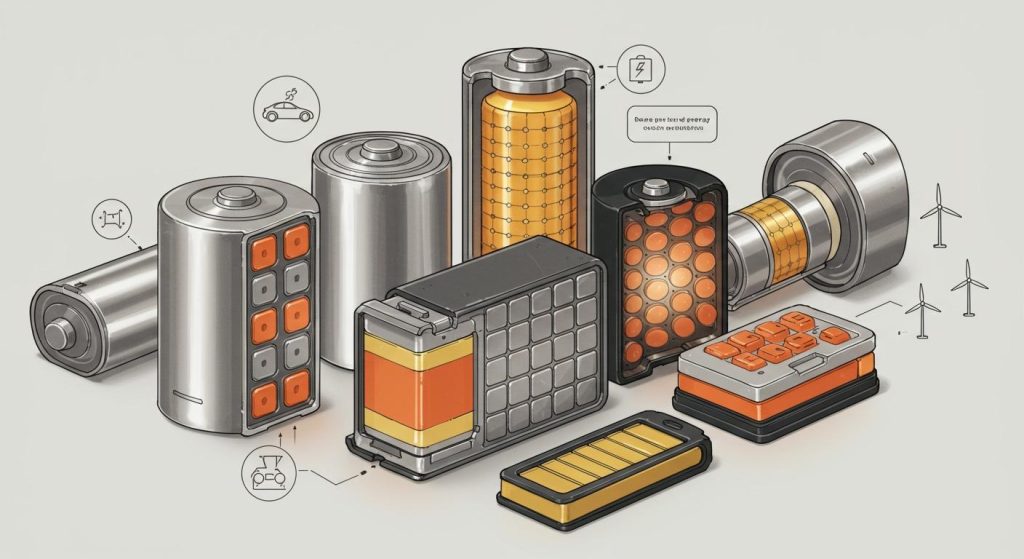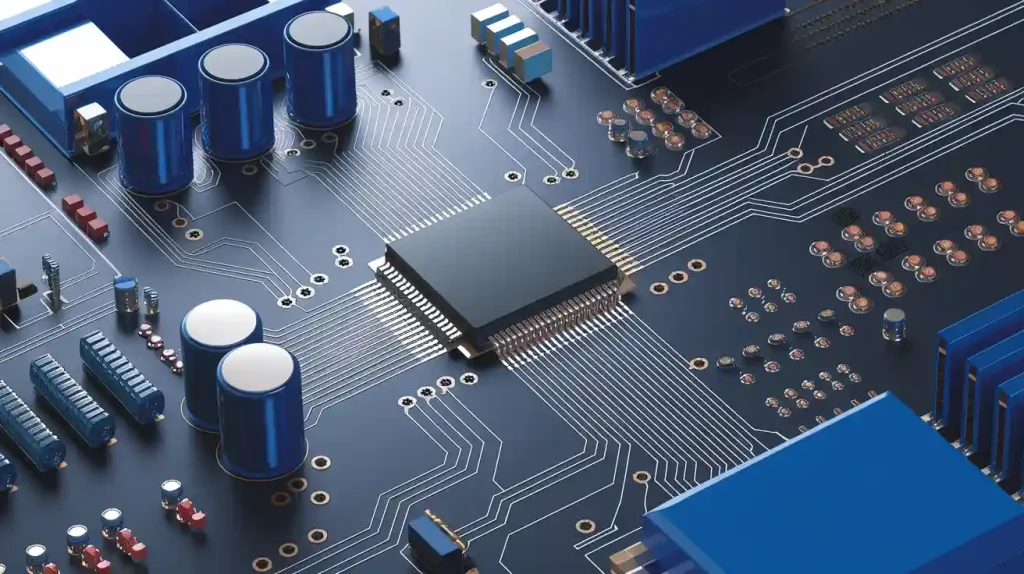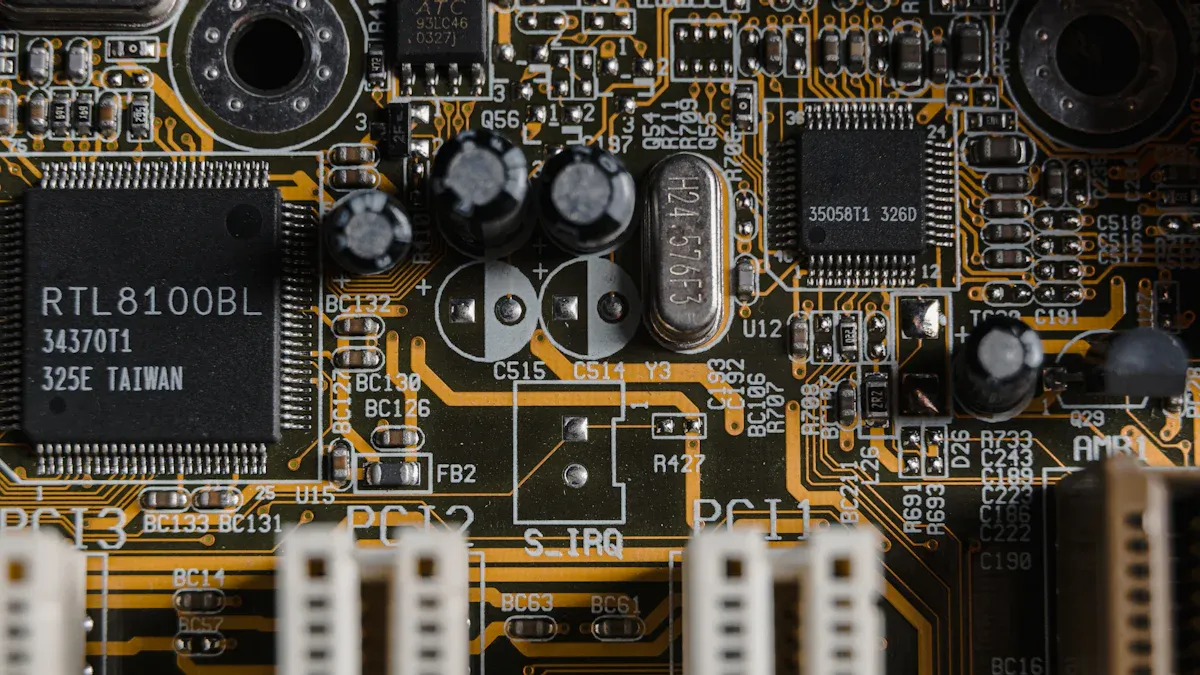
A battery management system (BMS) serves as the brain of any advanced battery solution. It continuously monitors critical parameters like voltage, current, temperature, and state of charge (SOC). This ensures the battery operates within safe limits, preventing risks like overheating or overcharging. By optimizing performance and extending battery life, a BMS not only enhances safety but also reduces long-term costs. With the growing adoption of electric vehicles and renewable energy systems, the demand for reliable battery management systems continues to rise, driving innovation in energy storage technologies.
Key Takeaways
A Battery Management System (BMS) helps check battery health, keeps it safe, and improves how it works in things like electric cars and solar power systems.
Using a BMS can make batteries last longer by spreading the charge evenly and keeping the temperature just right. This saves money on buying new batteries.
Picking the right BMS means matching it to your battery type and how you plan to use it. This helps keep energy use safe and efficient.
A BMS that can grow and upgrade is useful for future needs. It’s important as energy needs and technology change over time.
Spending money on a good BMS makes batteries safer, work better, and last longer. It also helps create a greener energy future.
Importance of a Battery Management System
Enhancing Performance
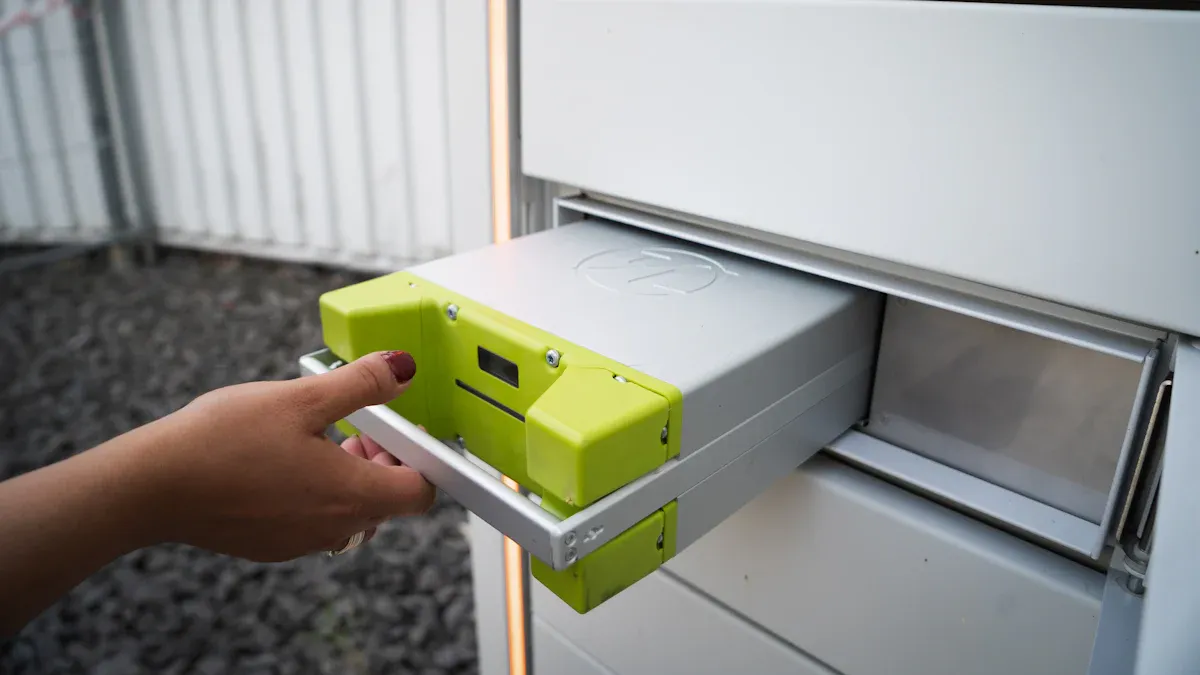
A battery management system (BMS) plays a vital role in improving the performance of batteries across various applications. It ensures that batteries operate within their optimal parameters, which is essential for delivering reliable power. For example, in electric vehicles, a BMS manages temperature, supports fast charging, and enhances range estimation. In renewable energy systems, it ensures smooth grid integration and reliable off-grid operation.
Application | Performance Metrics |
|---|---|
Electric Vehicles (EVs) | Temperature management, fast charging capabilities, range estimation, regenerative braking management. |
Renewable Energy Storage Systems | Cycle life assessment, grid integration, peak demand management, off-grid operation reliability. |
Portable Electronics | Power efficiency, safety and reliability, fast charging support, user experience enhancement. |
By optimizing these metrics, a BMS ensures performance optimization and cost savings through reduced replacements and maintenance.
Ensuring Safety
Safety is one of the most critical aspects of a BMS. It continuously monitors battery parameters like voltage, current, and temperature to prevent hazardous conditions such as overheating or overcharging. This is particularly important in applications like electric vehicles and renewable energy systems, where battery failures can lead to significant risks.
A BMS continuously monitors battery parameters to prevent hazardous conditions, enhances battery longevity through proper management, and ensures that batteries operate within their ideal parameters, which is essential for applications such as electric vehicles and renewable energy systems.
Additionally, a BMS engages external heaters to maintain optimal battery temperature and prevents charging under unsafe conditions. These features ensure that your batteries remain safe and reliable under all operating conditions.
Extending Longevity
Battery life extension is another key benefit of a BMS. By balancing the charge across individual cells, it reduces wear and tear, ensuring that the battery lasts longer. Proper management techniques, such as maintaining a narrow temperature range, also contribute to extending battery life.
A BMS not only enhances the lifespan of batteries but also reduces costs by minimizing the need for frequent replacements. This makes it an indispensable tool for applications requiring long-term reliability, such as renewable energy storage and electric vehicles.
Supporting Energy Efficiency
A battery management system (BMS) plays a key role in improving energy efficiency. By carefully managing voltage, current, temperature, and the state of charge (SoC), it ensures that batteries operate at their best. This prevents energy loss caused by issues like overcharging or overheating. For example, in electric vehicles, a BMS optimizes power usage, allowing you to travel farther on a single charge. Similarly, in energy storage systems, it helps store and release energy more effectively, reducing waste.
Did you know? The growing investment in grid-scale energy storage systems highlights the importance of BMS in supporting renewable energy solutions. As the world moves toward cleaner energy, efficient battery management becomes essential.
A BMS also supports energy efficiency by balancing the charge across individual battery cells. This ensures that no cell works harder than the others, which reduces energy loss and improves overall performance. In electric vehicles, this translates to better mileage and lower energy consumption. For energy storage systems, it means more reliable power delivery during peak demand.
Additionally, a BMS enables smarter energy usage through advanced monitoring and control. It collects real-time data and adjusts battery operations to match your needs. Whether you are driving an electric vehicle or relying on energy storage systems for your home, a BMS ensures that every bit of energy is used wisely.
By integrating a BMS into your energy solutions, you not only save energy but also contribute to a more sustainable future. Its ability to optimize energy usage makes it a critical component in modern energy storage systems and electric vehicles.
Key Features of a BMS Solution
Monitoring and Diagnostics
A BMS ensures your battery operates efficiently by continuously monitoring critical parameters. It tracks the state of charge (SoC) to inform you about the remaining energy and the state of health (SoH) to assess battery degradation. These features help you predict maintenance needs and avoid unexpected failures.
For example, the BMS calculates SoC by analyzing the battery’s capacity and usage patterns. It also evaluates SoH by monitoring internal resistance and capacity fade over time.
Fault detection is another essential feature. The system identifies issues like short circuits or cell degradation and provides diagnostic data to simplify troubleshooting. Remote diagnostics further enhance convenience by allowing you to monitor battery performance from anywhere.
Battery Balancing
Battery balancing ensures all cells in a battery pack perform equally. Without balancing, some cells may overwork, reducing the overall efficiency and lifespan of the battery. A BMS uses either passive methods, like resistors, or active methods, like energy redistribution, to equalize the charge levels across cells.
Aspect | Description |
|---|---|
Cell-to-Cell Balancing | Equalizes the state of charge (SoC) of adjacent cells across the pack assembly. |
Optimal Capacity Realization | Ensures the battery pack can utilize its full capacity by addressing variations in cell performance. |
Prevention of Uselessness | Prevents the battery pack from becoming ineffective due to imbalances in cell performance. |
By maintaining balance, the BMS maximizes the usable capacity of your battery pack and ensures consistent performance.
Protection Mechanisms
Battery protection is a critical function of any BMS. It safeguards your battery from risks like overheating, overcharging, and short circuits. Thermal management systems monitor and regulate temperature to prevent thermal runaway. Isolation mechanisms physically separate the battery pack from other components, reducing hazards like electric shock.
Did you know? A BMS must comply with safety standards like ISO 26262 to ensure reliability in safety-critical applications.
Functional safety features, such as redundant components and fail-safe mechanisms, further enhance reliability. Continuous monitoring of battery parameters ensures safe operation under both normal and abnormal conditions. These protection mechanisms make the BMS indispensable for maintaining battery safety and longevity.
Communication and Integration
Communication and integration are essential features of a battery management system (BMS). These capabilities allow the BMS to interact with other components and systems, ensuring seamless operation and efficient performance. You can think of it as the “language” that connects the battery to the devices it powers and the systems that monitor it.
Modern BMS solutions often use low-cost microcontrollers to establish communication. These microcontrollers connect integrated circuits on the same printed circuit board (PCB) and link modules on different PCBs to the main BMS module. A fieldbus, such as the Controller Area Network (CAN), facilitates this connection. CAN is widely used in automotive applications because it supports real-time monitoring and control.
Different communication methods offer unique advantages and challenges:
Communication Method | Description | Advantages | Disadvantages |
|---|---|---|---|
Wired Communication | Involves physical connections like CAN bus or Ethernet cables. | Higher data rates, reliable connections. | Complex wiring required. |
Wireless Communication | Uses RF signals like Bluetooth or Wi-Fi. | Convenient and flexible. | Subject to interference, range limitations. |
Wired communication methods, such as CAN and Ethernet, provide reliable and high-speed data transfer. These are ideal for applications where stability is critical. Wireless options, like Bluetooth and Wi-Fi, offer flexibility and convenience. You can monitor and control your battery remotely, but these methods may face interference or range issues.
A BMS also integrates with external systems using protocols like LIN (Local Interconnect Network). This ensures compatibility with a wide range of devices. Components like UART transceiver ICs and CAN bus modules further enhance communication capabilities. For example, Bluetooth enables smartphone-based monitoring, while Wi-Fi allows remote access over a local network.
By supporting robust communication and integration, a BMS ensures your battery operates efficiently and remains compatible with modern technologies. These features make it a critical component in advanced energy systems.
How a Battery Management System Works

Hardware Components
The hardware in a BMS forms the foundation of its operation. It includes sensors, controllers, and circuits that manage the physical aspects of battery performance. Sensors measure voltage, current, and temperature, ensuring accurate data collection. Controllers process this data and make decisions to maintain safe and efficient operation. Special circuits handle tasks like contactor switching and electrical isolation to prevent faults.
Specification/Measure | Description |
|---|---|
Safe operation measures | Special circuits are required for contactor switching operations to avoid potential differences. |
Battery pack isolation | High and low voltage sections need electrical isolation to prevent faults. |
Effects of charge imbalance | Charge imbalance between series-connected cells must be minimized for reliability. |
Temperature acquisition | Accurate temperature collection requires careful sensor selection and placement. |
High-voltage safety | Insulation monitoring and interlocking circuits are essential for reducing arcing risks. |
These components work together to ensure the BMS operates reliably under various conditions. Proper hardware design is critical for maintaining safety and performance.
Software Components
The software in a BMS acts as its brain, controlling charging, discharging, and monitoring processes. It uses algorithms to calculate metrics like State of Charge (SOC) and State of Health (SOH). These calculations help you understand battery performance and predict maintenance needs. Advanced testing methods, such as Model-Based Testing and Hardware-in-the-Loop (HIL) Testing, ensure the software meets safety and reliability standards.
Real-world test scenarios validate the performance and safety of BMS software.
Evolving methodologies improve reliability, including compliance with safety regulations.
Safety testing ensures the software meets industry standards.
The software also enables communication with external systems, providing updates and receiving commands. This integration allows you to monitor and control your battery remotely, enhancing convenience and efficiency.
Monitoring and Control Process
The monitoring and control process is the core of how a battery management system works. It continuously tracks battery parameters like voltage, temperature, and current. This data helps the BMS optimize performance and prevent issues like overheating or overcharging. For example, thermal management systems regulate temperature to maintain safe operating conditions.
Aspect | Description |
|---|---|
Purpose | Monitors, controls, and optimizes battery performance. |
Applications | Used in electric vehicles, renewable energy systems, and portable electronics. |
Importance | Ensures safety, longevity, and efficiency of batteries. |
Optimization Role | Enhances usage but does not address fundamental battery performance issues. |
The BMS also balances the charge across cells, ensuring uniform performance. By managing these processes, it extends battery life and reduces the risk of failures. Whether in electric vehicles or energy storage systems, the BMS ensures your battery operates safely and efficiently.
Types of Battery Management Systems
Battery management systems (BMS) come in different types, each designed to meet specific needs. Understanding these types helps you choose the right solution for your application.
Centralized Systems
A centralized BMS uses a single control unit to manage all battery cells. This design connects every cell directly to the central unit, making it compact and cost-effective. You’ll find this type of system ideal for applications where space and budget are limited.
Feature/Benchmark | Description |
|---|---|
Architecture | Centralized BMS has one central unit connecting all battery packages directly. |
Advantages | More compact design and economical due to a single BMS. |
Disadvantages | Requires many ports leading to complex wiring and maintenance issues. |
However, centralized systems have limitations. The need for multiple ports increases wiring complexity, making troubleshooting and maintenance more challenging. Despite this, centralized systems remain a popular choice for small-scale applications due to their simplicity.
Modular Systems
Modular BMS divides the battery pack into smaller modules, each with its own management unit. This setup simplifies troubleshooting and allows you to extend the system easily by adding more modules. It’s a great option for applications requiring scalability.
Advantages of Modular BMS | Disadvantages of Modular BMS |
|---|---|
Reduces computational efforts | Higher overall costs |
Increases the room for adding more functionalities | Duplicated unused functionalities as per application |
While modular systems offer flexibility, they can be more expensive. Some functionalities may also remain unused, depending on your application. Still, their ability to adapt to changing needs makes them a reliable choice for large-scale energy storage or electric vehicles.
Distributed Systems
Distributed BMS takes modularity a step further by assigning a management unit to each battery cell. This design ensures precise monitoring and control, making it highly efficient. You’ll benefit from its ability to handle complex battery configurations with ease.
Distributed systems excel in performance but come with higher costs and increased complexity. They are best suited for advanced applications like electric vehicles or grid-scale energy storage, where precision and reliability are critical.
Each type of BMS offers unique advantages and challenges. By understanding these differences, you can select the system that best fits your requirements.
Applications of Each Type
Each type of battery management system (BMS) serves specific applications based on its design and capabilities. Understanding these applications helps you choose the right system for your needs.
Centralized Systems
Centralized BMS works best in small-scale applications where simplicity and cost-effectiveness matter. You often find these systems in portable electronics like smartphones and laptops. Their compact design makes them ideal for devices with limited space. Centralized systems also suit low-capacity battery packs used in tools or small electric vehicles like e-bikes.Tip: If you prioritize affordability and straightforward maintenance, centralized systems are a great choice for smaller devices.
Modular Systems
Modular BMS fits applications requiring scalability and flexibility. These systems are commonly used in electric vehicles and medium-sized battery energy storage systems. For example, modular BMS allows you to expand the battery pack in an electric car as needed. This adaptability makes it a preferred choice for industries that demand long-term reliability and easy upgrades.Modular systems also work well in renewable energy setups, such as solar power storage. Their ability to manage multiple modules ensures efficient energy distribution and storage.
Distributed Systems
Distributed BMS excels in high-performance applications where precision is critical. You’ll often see these systems in advanced electric vehicles, such as luxury EVs or racing cars. They also play a vital role in grid-scale battery energy storage systems, where accurate monitoring and control are essential.Distributed systems handle complex configurations with ease, making them suitable for large-scale renewable energy projects. Their ability to monitor each cell individually ensures maximum efficiency and safety.
By matching the right BMS type to your application, you can optimize performance, safety, and cost-effectiveness.
Choosing the Right BMS Solution
Matching Battery Type
Choosing the right battery management system starts with matching it to your battery type. Different batteries, such as lithium-ion, lead-acid, or nickel-metal hydride, have unique requirements. For example, lithium-ion batteries demand precise monitoring of voltage and temperature to prevent overheating. A BMS designed for lithium-ion batteries ensures safety and extends battery life by maintaining optimal conditions. On the other hand, lead-acid batteries require simpler systems focused on preventing overcharging and sulfation.
You should always check the compatibility of the BMS with your battery chemistry. Using an incompatible system can lead to inefficiencies or even damage. Manufacturers often provide guidelines to help you select the right BMS for your specific battery type. By aligning the BMS with your battery, you ensure better performance and safety.
Application-Specific Needs
Your application plays a significant role in determining the ideal BMS. For instance, electric vehicles require a BMS that supports fast charging, precise range estimation, and thermal management. Renewable energy systems benefit from a BMS that ensures smooth grid integration and reliable energy storage. Portable electronics, like smartphones, need compact systems that prioritize safety and efficiency.
Real-world examples highlight the importance of tailored solutions. The Norsk Guardian application, for instance, was designed to monitor battery parameters during outdoor activities like fishing and kayaking. This emphasizes the need for safety and reliability in specific environments. Similarly, BMS solutions for electric vehicles and renewable energy systems focus on efficiency and safety to meet their unique demands.
Budget Considerations
Budget is another critical factor when selecting a BMS. Centralized systems are often more affordable, making them suitable for small-scale applications like portable electronics. Modular systems, while more expensive, offer scalability and flexibility, which are ideal for electric vehicles or medium-sized energy storage systems. Distributed systems, though costly, provide unmatched precision and are best for high-performance applications.
You should weigh the cost of the BMS against its features and your application’s requirements. Investing in a high-quality BMS may seem expensive initially, but it can save you money in the long run by reducing maintenance costs and extending battery life. Always consider the total cost of ownership when making your decision.
Scalability and Upgrades
Scalability is a key feature of modern battery management systems (BMS). It allows you to adapt your system to meet growing energy demands or changing requirements. Whether you need to expand a battery pack for an electric vehicle or upgrade an energy storage system for a larger renewable energy project, a scalable BMS makes the process seamless. Modular and distributed BMS designs excel in this area, offering flexibility to add or remove modules without disrupting the entire system.
Tip: When planning for scalability, choose a BMS that supports easy integration with additional modules or cells. This ensures your system remains future-proof.
Upgrades are equally important for keeping your battery system aligned with technological advancements. A well-designed BMS supports software updates, enabling you to improve performance and add new features over time. For example, manufacturers often release updates to enhance charging algorithms or improve energy efficiency. These upgrades ensure your system stays competitive and meets evolving standards.
The growing adoption of electric vehicles (EVs) highlights the importance of scalability and upgrades. As EVs become more popular, the demand for advanced BMS solutions continues to rise. Reports show that BMS plays a crucial role in managing battery performance, ensuring safety, and extending battery life in EVs. Strict emissions regulations and incentives for EV purchases further accelerate this trend, making scalability and upgrade capabilities essential for meeting market demands.
Benefits of Scalability and Upgrades in BMS:
Adaptability to larger energy storage needs.
Compatibility with new battery technologies.
Enhanced system longevity through regular updates.
By prioritizing scalability and upgrades, you ensure your battery system remains efficient, safe, and ready for future challenges. This approach not only saves costs but also supports sustainable energy solutions.
A battery management system is essential for ensuring optimal battery performance, safety, and longevity. It protects your batteries from risks like overheating and overcharging while maximizing their efficiency and lifespan. Whether you use batteries in electric vehicles, renewable energy systems, or portable devices, a reliable BMS ensures they operate at their best.
Choosing the right BMS tailored to your specific needs guarantees better performance and long-term savings. Take the time to evaluate your options and invest in a solution that aligns with your application and battery type.
FAQ
What is the primary purpose of a Battery Management System (BMS)?
A BMS ensures your battery operates safely and efficiently. It monitors critical parameters like voltage, temperature, and state of charge. By doing so, it prevents risks such as overheating or overcharging and optimizes battery performance for longer life.
Can a BMS work with all types of batteries?
No, a BMS must match the specific battery type. For example, lithium-ion batteries require precise monitoring, while lead-acid batteries need simpler systems. Always check compatibility with your battery chemistry to ensure safety and efficiency.
How does a BMS improve battery lifespan?
A BMS balances the charge across cells, reducing wear and tear. It also maintains optimal temperature and prevents overcharging. These features minimize damage, ensuring your battery lasts longer and performs better over time.
Is a BMS necessary for small devices like smartphones?
Yes, even small devices benefit from a BMS. It ensures safety by preventing overheating and overcharging. Additionally, it optimizes energy usage, enhancing the device’s performance and battery life.
What should you consider when choosing a BMS?
Focus on compatibility with your battery type, application-specific needs, and budget. For example, electric vehicles need advanced features like thermal management, while portable devices require compact designs. Scalability and upgrade options are also important for future-proofing your system.