You can see that sports watches are now very important. Athletes and people who care about style both use them. In the last ten years, luxury sports watches changed a lot. They used to show off wealth. Now, they are useful tools. They are strong and can be used in many ways. The market shows this change:
The global sports watches market was $25,607.9 million in 2021. It may grow to $54,926.3 million by 2031.
Sales could rise from $23,947.1 million in 2021 to $56,403.3 million by 2031.
This growth shows why a watch must be exact, tough, and comfy. More people want sporty watches because life is more casual now. This is shown below:
Evidence | Description |
|---|---|
Luxury Sports Watch Success | The luxury sports watch is now a sign of strength and flexibility. It attracts active people. |
Shift to Casual Lifestyles | People wear less formal clothes now. This makes them want sporty watches more. |
You can see that companies spend more on research and testing. They also make watches that fit what people want.
Key Takeaways
Sports watches used to be fancy items. Now, they are important for athletes and people who care about style.
When picking a sports watch, look for strong build, easy-to-read face, comfort, and good water resistance.
Today’s sports watches use new technology like GPS and health sensors. These help people do better and keep track of their fitness.
More choices for customizing are available now. Buyers can pick materials and designs that match their own style.
Making sports watches needs careful testing. This makes sure the watches are good, correct, and strong.
Design Principles for Sports Watches
Durability
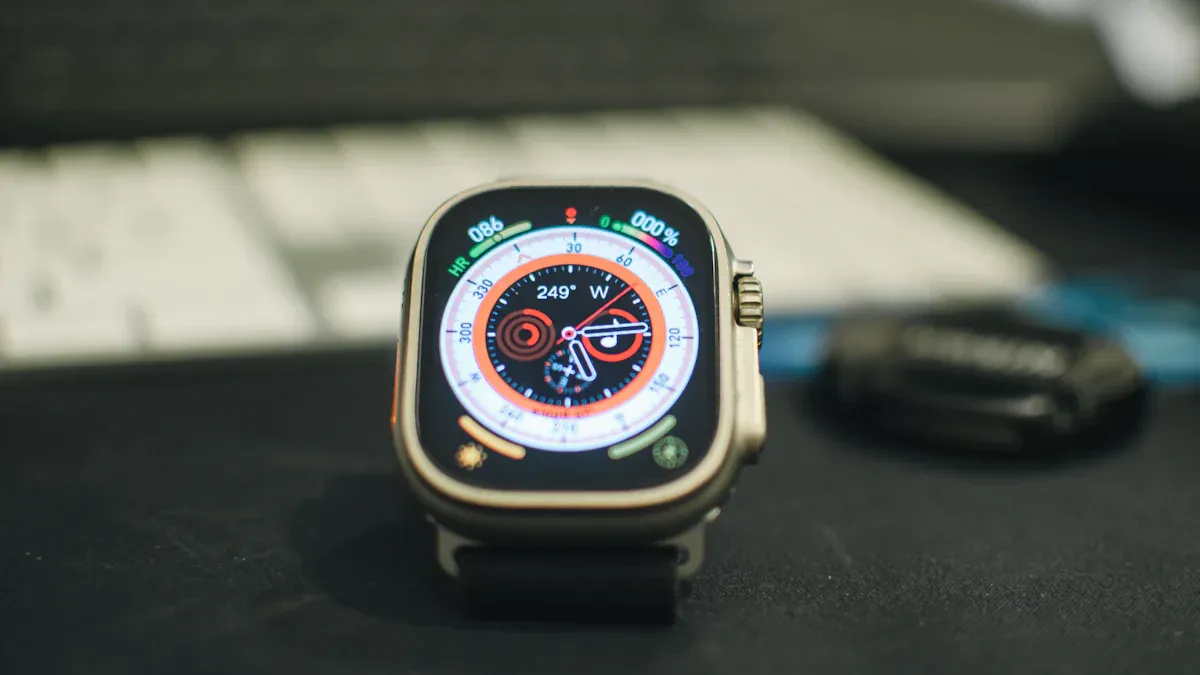
You want your sport watch to last a long time. Brands make watches stronger and more reliable now. In the 1980s, designers used bigger cases and new materials. The Pasha de Cartier had a large case and a screw-down crown. This made the watch look cool and stay tough. Today, durability is even more important.
Manufacturers follow strict rules to make watches tough. Your watch should handle shocks, dust, and water. Here is a table with the main durability standards:
Durability Standard | Description |
|---|---|
Water Resistance | Watches with at least 50 meters of water resistance are good for light swimming. |
Shock Resistance | Protects the watch from damage during sports activities. |
Dust Resistance | Keeps dust out so the watch works well for a long time. |
Anti-Magnetic | Stops magnetic fields from messing up the watch’s accuracy. |
Vibration Resistance | Makes sure the watch can handle vibrations from sports. |
Materials like stainless steel, titanium, and COBARION® make watches tougher. These materials do not scratch or break easily. Dive watches use these materials to handle water pressure and rough use. Shock resistance is very important. G-SHOCK watches have had this for over 40 years.
Material | Key Features |
|---|---|
Stainless Steel | Strong casing, fits many styles and budgets. |
Titanium | Light, does not cause allergies, very strong, hard to make. |
COBARION® | Very hard alloy, does not scratch, much harder than titanium, used in parts you can see. |
Shock Resistance | Protects against bumps and shakes, found in all G-SHOCK watches for over 40 years. |
Water Resistance | Good for swimming and diving, can handle water up to 200 meters. |
Readability
You need to read your watch fast, even when moving or in low light. Modern sport watches have clear dials and displays. It is important to see the time easily. You get strong glow, big numbers, and high contrast. These features help you check the time quickly.
Legibility lets you read time and info fast.
Strong glow helps you see in the dark.
High contrast makes the display easy to read during sports.
Manufacturers test readability in different lighting. They use special glass and coatings to stop glare. Here is a table of common readability features:
Feature | Description |
|---|---|
Sapphire crystal glass | Special coating on both sides cuts glare, helps you see in bright light. |
Wide numerals and hands | Bigger size makes it easier to read quickly. |
Bold hour markers | Clear markers help you read the time fast. |
Superluminova coating | Glows in the dark, helps you see underwater or at night. |
Phosphorescence principle | After light exposure, it glows for a while, helps you see in darkness. |
Dive watches use these features a lot. You can see the time clearly, even deep underwater or in the dark.
Comfort
You want your sport watch to feel nice on your wrist. Comfort is important if you wear your watch all day or while exercising. Designers study how watches fit and move with your wrist.
A review of wearable devices shows comfort depends on weight, strap, and fit. Many brands use light materials and soft straps. Here are some examples:
Sports Watch | Comfort Features |
|---|---|
Fitbit Versa 4 | Light, easy menu, simple app customization |
Coros Apex Pro 2 | Comfortable, light, easy to set up for sports |
Apple Watch Ultra 2 | Tough materials, made for adventure, many activity features |
Studies show good design lowers physical risks.
Designers care about how you move and sit.
Future watches may have even better comfort features.
Water Resistance
You need your sport watch to handle water. You might swim, dive, or get wet in the rain. Water resistance ratings are much better now. Old watches only handled splashes. Now, dive watches can go deep underwater.
Here is how water resistance ratings changed:
Watches with 3 atmospheres (30 meters) resist rain or splashes, not swimming.
Watches with 5 atmospheres (50 meters) can handle gentle showers.
For swimming, you need at least 10 atmospheres (100 meters).
For diving, you need at least 20 atmospheres (200 meters).
Manufacturers test water resistance with strict rules. ISO 2281 is for daily use and swimming. ISO 6425 is for dive watches. It tests watches under high pressure and checks for leaks.
Standard | Description |
|---|---|
ISO 2281 | For daily use, resists water during short swims. Tests include soaking at 10 cm for 1 hour, checking moving parts, and condensation. |
ISO 6425 | For diving watches, works at least 100 m deep. Tests include soaking under more pressure, checking reliability, and shock resistance. |
How Design Language and Functionality Have Evolved
Sport watch design has changed a lot since the 1980s. Early watches had simple shapes and dials. Brands like OMEGA brought back old models with new materials. The Speedmaster Professional kept its black dial and tachymeter bezel but added new features.
Designers now use digital fonts and high-tech materials. They care about style and function. Dive watches have bold markers and strong cases. Automatic winding keeps your watch running without batteries. You just move your wrist.
Modern sports watches use advanced chronograph mechanisms. They keep time very well. Easy-to-use features help you use your watch for any activity.
Tip: When you pick a sport watch, look for durability, readability, comfort, and high water resistance. These features help your watch last longer and work better for you.
Materials Used in Watches
If you pick a sports watch, you want it to last. The materials in the watch help it stay strong and feel good on your wrist.
Case Materials
The case keeps the inside of your watch safe. Different cases use different materials. Each material has its own good points. Some make watches heavy. Others keep them light and easy to wear. Here is a table to compare:
Material | Advantages | Weight Impact | Durability Characteristics |
|---|---|---|---|
Stainless Steel | Does not rust, looks nice, lasts long, costs less. | Heavier, can feel strong but not comfy for long wear | Tough, does not scratch or dent easily, needs cleaning in salty places |
Titanium | Very light, does not cause allergies, does not rust. | Much lighter, feels better for long wear | Does not rust, hard to scratch, easy to care for |
Does not scratch, looks shiny and new. | Light | Very hard, stays looking new | |
Carbon Composite | Very light, strong, lasts long. | Very light | Strong, good for rough use |
Titanium and carbon composite make watches light. This helps if you wear your watch all day. Stainless steel looks classic and protects your watch well.
Strap Choices
The strap holds your watch on your wrist. You want a strap that feels nice and stays strong. Here are some popular straps:
Rubber bands: These are strong and comfy. You see them on diving watches. Rubber, silicone, and FKM rubber do not get ruined by water, sweat, or dirt.
Fabric bands: These feel soft and are easy to swap. You can pick many colors and styles.
Nylon bands: These are light and dry fast. Many army-style watches use nylon straps.
Rubber and silicone straps are best for tough sports. They do not get ruined by water or sweat. Nylon straps are good for running and swimming. They are light and do not hold water.
Tip: If you play sports or go outside a lot, pick a strap that can handle sweat, water, and dirt. Rubber and silicone are great for comfort and strength.
Glass and Display
The glass covers your watch display and keeps it safe. Sports watches use special glass to stay strong and easy to read.
Sapphire Crystal: This glass is very hard and does not scratch. Many fancy watches use sapphire crystal. It stays clear and looks new for a long time.
Ion-X Glass: This glass is lighter and cuts down glare. It helps you see the display in bright light. Some sport watches, like the Apple Watch Sport, use Ion-X glass.
Material | Characteristics |
|---|---|
Sapphire Crystal Glass | Second-hardest clear material, does not get hot, break, or scratch. |
You want strong glass if you play sports or go outside. Sapphire crystal and Ion-X glass help your watch stay tough and easy to read.
Technology in Sports Watches
Modern sports watches use advanced technology to help you track your activities and health. These features make your watch more than just a timekeeper. You get tools that help you stay fit, safe, and connected.
GPS and Tracking
You can find powerful GPS and tracking systems in many new watches. GPS helps you see where you run, bike, or hike. Some models use special technology to give you very accurate results. Here are some top choices:
Suunto Run gives you great accuracy for a good price.
Coros Pace 3 stands out for its long battery life.
Apple Watch Ultra 3 scores high for GPS tracking and health tools.
Garmin Enduro 3 offers many activity profiles and advanced GPS.
Polar Vantage V3 uses dual-frequency GPS and advanced sensors.
Garmin Forerunner 970 is light, lasts long, and tracks with high accuracy.
Garmin Fenix 8 Solar has MULTI GNSS and topo maps for navigation.
GPS uses more power, so battery life matters. Some watches, like the Garmin Instinct 3 Solar, last up to 40 hours in GPS mode and even longer with solar charging. Brands like Suunto, Garmin, and Coros add battery-saving modes. These watches often look rugged and a bit bigger to fit the GPS parts.
Health Sensors
You can check your health with sensors inside your watch. These sensors measure your heart rate, steps, and even your blood oxygen. Common sensors include:
Accelerometer
Heart Rate Monitor
SpO2 Sensor
Skin Temperature Sensor
ECG Sensor
Gyroscope
Studies show that these sensors work well for many health checks. For example, smartwatches can spot heart problems or even COVID-19 with good accuracy. Some devices, like the Apple Watch, measure movement as well as research tools. Still, some features, like fall detection, need more work.
Device | |
|---|---|
Nike+ FuelBand | 18.0 |
Jawbone UP | 1.0 |
Fitbit Flex | 5.7 |
Fitbit Zip | 0.3 |
Yamax Digiwalker SW-200 | 1.2 |
Misfit Shine | 0.2 |
Withings Pulse | 0.5 |

Smart Features
You can do much more with smart features in your watch. Many people use their watches to track steps, workouts, and sleep. Here is what users value most:
Feature | Percentage of Users |
|---|---|
Daily steps tracking | 59% |
Workout and athletic performance | 42% |
Heart health monitoring | 37% |
Sleep duration and quality | 35% |
Calorie burn tracking | 32% |
Stress level tracking | 17% |
Overall health monitoring | >60% |
Encouragement to exercise | >70% |
Smart features make sports watches popular. In 2023, almost a quarter of health club users wore these watches every day. In 2024, over 42% of adults in the U.S. tracked their activity with smartwatches. You can see how these features help you stay active and healthy.
Tip: When you choose a sports watch, look for GPS, health sensors, and smart features. These tools help you get the most from your watch.
Manufacturing Process
Have you ever thought about how sports watches are made? The process has many steps. Each step helps the watch work well and last long. Companies start with design sketches. They turn these into strong, working watches.
Research and Prototyping
First, designers and engineers do research. They learn what athletes need. They study new materials and technology. They also look at trends. Some companies lead in this area. Alpha Beats uses music and neurofeedback for athletes. Boardrop mixes board sports with gaming and smart boards. Davinci Wearables makes AI wearables for female athletes. DeepSleep works on sleep tech with EEG monitoring. Fitasy builds IoT platforms for sports devices.
Company Name | Location | Description |
|---|---|---|
Alpha Beats | Eindhoven, Netherlands | Uses music and neurofeedback to help athletes recover. |
Boardrop | Colorado, USA | Makes smart boards that track how you play sports. |
Davinci Wearables | Indiana, USA | Creates AI wearables for female athletes. |
DeepSleep | Amsterdam, Netherlands | Builds sleep tech that uses EEG to help recovery. |
Fitasy | Indiana, USA | Makes IoT platforms for sports tech and sensors. |
Research leads to making prototypes. Engineers build early models to test ideas. They check how the watch feels and works. Prototyping finds problems before making lots of watches.
Components and PCB
A sports watch needs many small parts. The printed circuit board (PCB) is the most important. The PCB connects sensors, chips, and the battery. Engineers design the PCB to fit inside the case. It must handle shocks, water, and heat. They pick strong materials for the case, strap, and glass.
Assembly
After prototyping, assembly starts. Workers and machines put all the parts together. They follow clear steps to make sure each watch works. Here is a table with the main stages:
Stage Number | Stage Description |
|---|---|
1 | Project Definition |
2 | Design & Engineering |
3 | Sample Development & Prototyping |
4 | Planning Production Method |
5 | Components & Parts Procurement |
6 | Assembly |
During assembly, there are several steps. T0 is pre-assembly, like setting jewels in the mainplate. T1 is putting together the movement. T2 is fitting the dial, hands, and case. T3 checks waterproofing and fits the strap.
Each step checks how the watch works and looks. Workers use special tools for tiny screws and gears. Machines help with jobs that need high accuracy.
Testing and Quality Control
Every watch gets tested before leaving the factory. Companies check water resistance, shock resistance, and accuracy. Common tests include:
Testing touch response
Checking smart feature connections
Making sure sensors are accurate
Checking battery life
Testing for temperature, humidity, and shock
Some brands use special certifications. Omega worked with METAS to make the ‘Master Chronometer’ standard. This means the watch passes eight hard tests. These tests check magnetic fields, water, and shocks.
Tactical watches get even more tests. They must survive tough places like combat, cold, and heat. These watches have strong water resistance and easy-to-read dials. They also have GPS and night vision features. You can trust these watches in hard conditions.
Note: Every step, from research to testing, helps make your sports watch ready for action. You get a watch that is strong, accurate, and good for your active life.
Trends in Luxury Sport Watches
Customization
You can see a big change in luxury sport watches. Many people want a watch that feels special. You might want a color or strap that matches your style. Luxury watch brands now let you pick different materials, colors, and even engravings. Younger buyers, like millennials and Generation Z, want something unique. They care about how a luxury sports watch shows their personality. As more people ask for custom options, brands create new ways for you to design your own luxury watch.
Luxury watchmakers add smart features to meet what you want today.
Brands such as TAG Heuer and Hublot offer connected watches. These watches track fitness and connect to your phone.
Many buyers want a luxury sports watch that is not like anyone else’s.
Millennials and Generation Z value real craftsmanship and personal style.
As these groups buy more, luxury watch brands make more custom choices.
Branding
You notice that branding matters more than ever. A luxury sports watch shows more than time. It tells a story about who you are. Brands use bold logos, special editions, and famous partnerships. You might see a luxury watch made with a sports team or a famous athlete. These watches often have limited numbers. This makes them feel rare and important. When you wear a luxury sports watch, you show your taste and your love for quality.
Brand | Special Branding Example |
|---|---|
TAG Heuer | Formula 1 Racing Editions |
Hublot | FIFA World Cup Partnerships |
Audemars Piguet | Royal Oak Offshore Limited Editions |
Future Innovations
You will see even more changes in luxury sport watches soon. Brands mix old skills with new technology. You get watches that look classic but have smart features. Some luxury watch models use advanced materials that last longer and feel lighter. Others add health sensors and better battery life. The line between a luxury sports watch and a high-tech device gets smaller every year. You can expect more choices, smarter features, and new designs that fit your active life.
Tip: When you choose your next luxury sports watch, look for brands that offer both style and smart technology. This way, you get the best of both worlds.
You see how design, technology, and materials work together in sports watches. These watches help you perform better and last longer. When you choose a watch, think about how it has changed over time. Look for features that fit your style and needs. Watch for new trends and custom options. You can find a watch that matches your active life.
Remember to check for comfort, durability, and smart features.
Explore new designs and technology for the best experience.
FAQ
What makes a sports watch different from a regular watch?
You get extra features in a sports watch. These include water resistance, shock protection, and health sensors. Sports watches use strong materials. They help you track your activity and stay safe during sports.
How do I choose the right sports watch for me?
Think about your main activities. If you swim, pick a watch with high water resistance. For running, look for GPS and a light strap. Always check comfort and battery life.
Can I wear my sports watch every day?
Yes, you can wear your sports watch daily. Many models look stylish and feel comfortable. You get both function and fashion in one device.
How do I care for my sports watch?
Clean your watch with a soft cloth.
Rinse after swimming in saltwater.
Avoid strong chemicals.
Check the strap for wear.
Are luxury sports watches worth the price?
Feature | Luxury Sports Watch | Regular Sports Watch |
|---|---|---|
Materials | Premium | Standard |
Technology | Advanced | Basic |
Customization | High | Low |
You pay more for better materials, smart features, and unique designs.