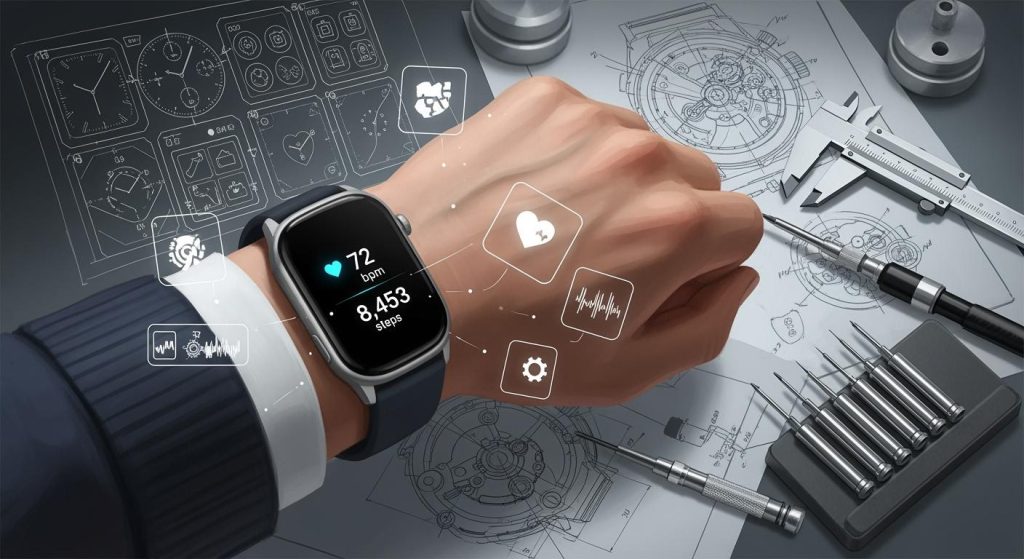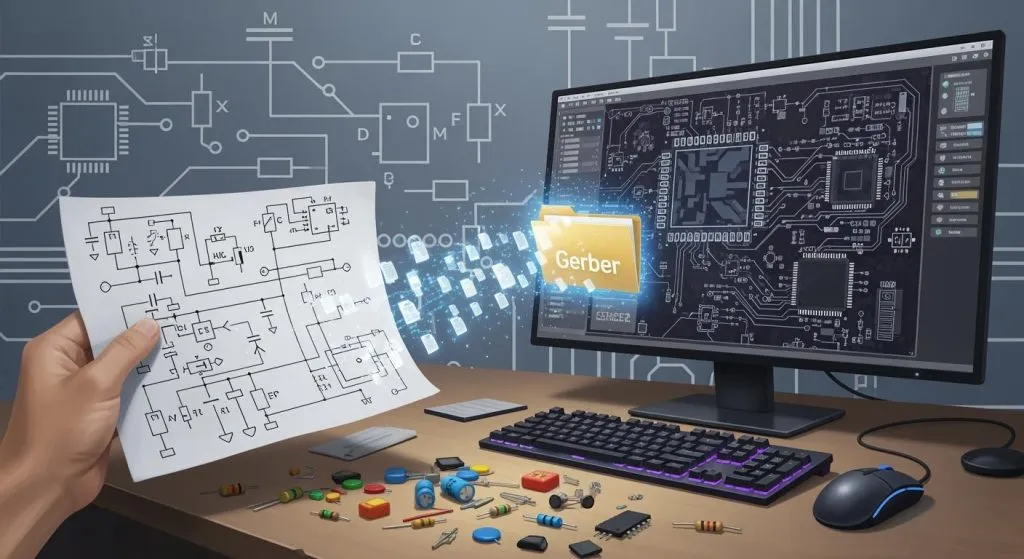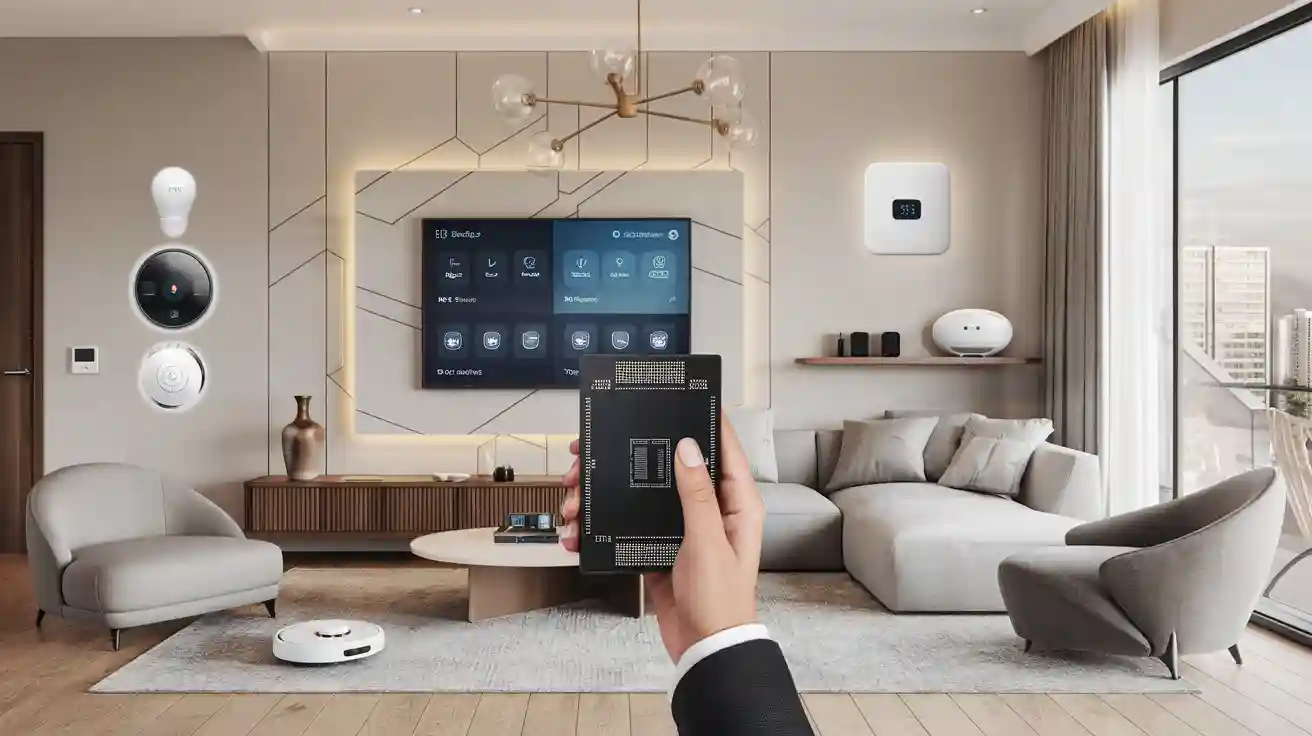
Imagine waking up in a smart home. The lights change to match your routine. The temperature always feels just right. Security is easy and simple. These things happen because of electronic design. Electronic design makes every smart feature work. The smart home industry needs hardware and new ideas. This helps meet what people want. Hardware lets smart homes connect and work together. It helps them do things for you. Electronic hardware design changes how we live at home. New hardware and technology keep coming. This means smart homes will get even better. Smart home technology shows how design and hardware help us. They make homes more comfortable and efficient. The future of electronic hardware design brings smarter ideas. This keeps homes ahead with better solutions.
Electronic Design in Smart Homes
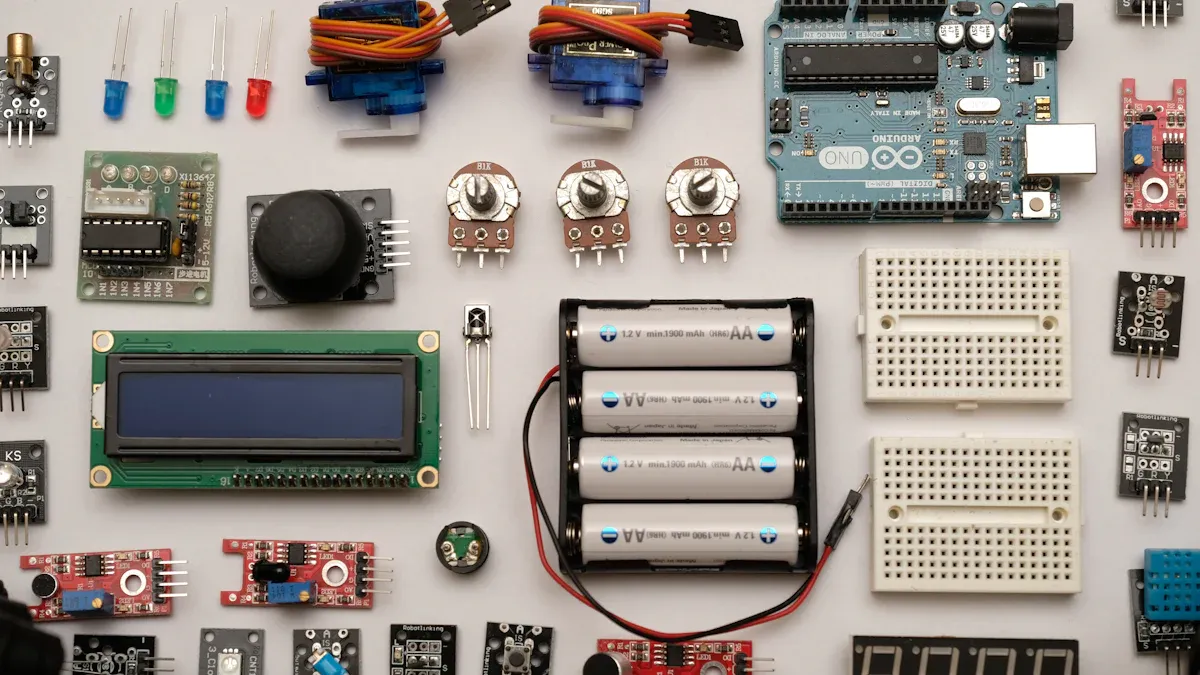
Automation & Comfort
Smart homes feel comfortable because of electronic design. When you enter a room, the lights turn on by themselves. The temperature always feels just right. You do not have to press any buttons. Electronic hardware design makes this happen. Sensors and controllers work together to help you every day. These devices learn what you like and change settings for you. This saves you time and makes life easier.
Smart home technology uses electronic hardware design to connect things like thermostats, lights, and locks. You can use your phone or voice to control everything. This kind of automation brings new comfort to your life. You do not need to worry about forgetting to turn off the lights or lock the door. The system does it for you. These new ideas make your home smarter and your life simpler.
Tip: Try making routines for your smart home devices. You will notice how electronic design can make your daily life more comfortable.
Power Electronics
Power electronics are very important in smart homes. You want your devices to use less energy and last longer. Electronic hardware design helps make devices that save energy and money. Smart homes use special power systems to control how much electricity each device uses. This gives you better efficiency and lower bills.
Many smart devices need to talk to each other. Power electronics help them share information quickly and safely. You see this in smart lighting, heating, and security systems. These devices use less power but still work well. Saving energy is a big trend in electronic hardware design today. You get the benefits of these new ideas every day.
Here is a quick look at how power electronics help smart homes:
Feature | Benefit to You |
|---|---|
Smart power control | Lower energy bills |
Efficient charging | Longer device life |
Safe power management | Fewer electrical risks |
PCB & Hardware Design
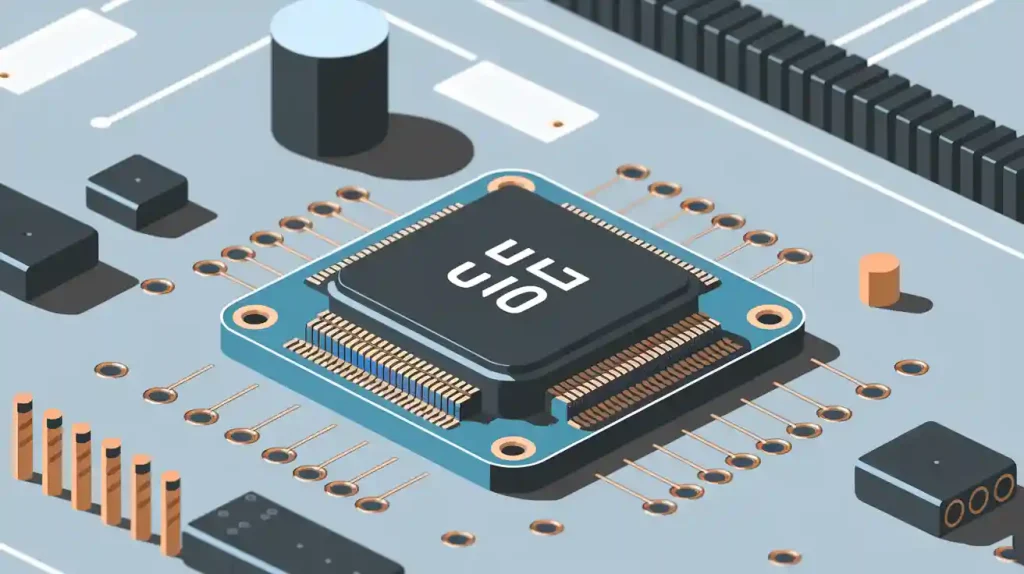
Printed circuit boards, or PCBs, are inside every smart device. You find them in all smart home products. Electronic hardware design uses PCBs to connect all the parts inside your devices. Good PCB design means your devices work faster and last longer. You get better performance from your smart home technology.
New hardware design lets devices be smaller and stronger. You can put sensors and controllers in more places at home. This gives you more control and choices. New ideas in PCB design help smart homes get better. You see new features and better efficiency with each new product.
You should look for devices that use the newest electronics and hardware. These products work better and are safer. Smart homes need strong electronic hardware design to keep everything working well.
Note: As technology gets better, you will see even more new ideas in smart home devices. Keep learning about the latest trends to get the most from your home.
Connectivity & Interoperability
Protocols & Standards
You want your smart home to work well. Protocols and standards help devices talk together. These rules let your hardware connect and share commands. They also help send information between devices. When you buy new smart devices, check if they use common standards like Zigbee, Z-Wave, or Wi-Fi. These standards help your hardware avoid problems. They also make your smart home easier to use.
Tip: Pick smart devices that use popular protocols. This makes it easy to add more hardware later.
Wired vs. Wireless
You can connect smart hardware in two ways: wired or wireless. Wired connections use cables to link devices. This gives strong and steady signals. You might use wired hardware for security cameras or smart locks. Wireless connections use signals in the air. This lets you put devices anywhere in your home. You often use wireless hardware for smart lights, sensors, and speakers.
Here is a quick comparison:
Connection Type | Pros | Cons |
|---|---|---|
Wired | Reliable, fast, secure | Harder to install |
Wireless | Flexible, easy to expand | Can have signal problems |
Pick the best type for each smart device. Many smart homes use both wired and wireless hardware for better results.
IoT Integration
IoT integration brings all your smart hardware together. You can control many devices from one app or voice assistant. This lets your smart home collect real-time data from sensors and cameras. You get updates and alerts right away. IoT integration helps your hardware work as a team. For example, your smart thermostat can talk to your smart blinds to save energy.
You will see more smart hardware using IoT integration every year. This trend makes your home smarter and more connected. You can enjoy new features and better control over your devices.
Note: IoT integration gives you more power to manage your smart home. Try linking your devices for the best experience.
Security & Safety
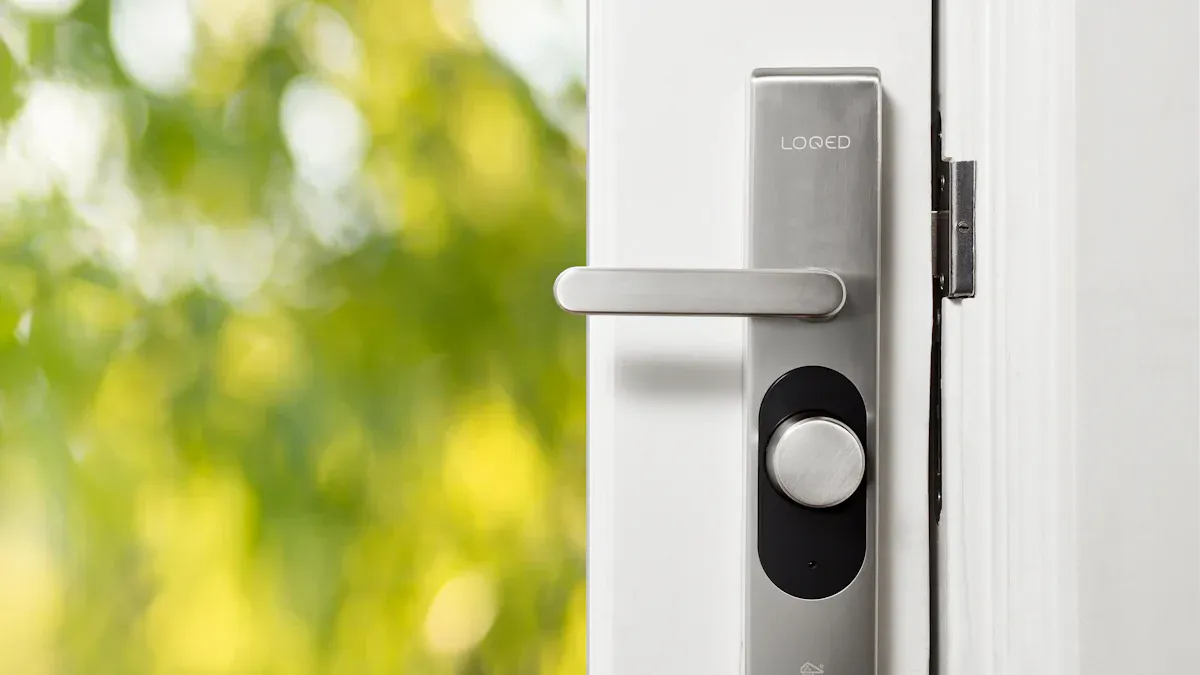
Data Protection
You want your smart home to keep your information safe. Smart devices collect data about what you do and when you are home. Good electronic design uses strong cybersecurity to protect this data. You should always pick devices with secure logins and encrypted connections. This helps stop hackers from stealing your private information. Many smart home systems now use two-factor authentication. This adds another layer of safety for your data.
Tip: Change your passwords often and use different codes for each device. This makes it harder for someone to get into your system.
Safe Operation
Smart homes need to work safely every day. Electronic design helps stop fires, shocks, and other dangers. Devices use sensors to watch for problems like overheating or power surges. If something goes wrong, your system can send you an alert right away. You can act fast to fix the problem. Some devices even turn off by themselves to stop damage.
Here is a quick list of ways smart home hardware keeps you safe:
Sensors find smoke or gas leaks.
Circuit breakers stop too much electricity.
Automatic shut-off features protect your devices.
You can trust your smart home to help keep you and your family safe.
Compliance
Smart home devices must follow safety rules and laws. These rules make sure your devices meet high standards. When you buy new hardware, look for labels like UL or CE. These show the product passed safety tests. Compliance also means your devices use the latest cybersecurity in hardware design. This protects your home from new threats. You should always check if your devices meet these standards before you install them.
Note: Following safety and cybersecurity rules helps keep your home safe and your devices working well.
Innovation in Smart Home Technology
AI Integration
Artificial intelligence brings many new ideas to smart homes. AI helps your devices learn what you like. When you get up, your smart lights turn on for you. Your smart speaker can pick music that fits your mood. AI uses data from sensors and hardware to help you. You do not have to set everything yourself. The system learns and changes for you. This is a big step in electronic hardware design. AI also helps keep your home safe. Your smart cameras can see strange things and send alerts. These smart home ideas help you feel safe and comfortable.
Note: AI in smart homes keeps getting better. Each year brings more smart features.
User Experience
Smart home ideas make life easier for you. You can use your voice, phone, or gestures to control things. Good electronic hardware design makes this work well. You do not need to worry about hard controls. The system answers fast and works smoothly. Many smart home ideas use touch screens or simple apps. You can check energy use or lock doors with one tap. These ideas help your daily routine. You feel more in control and less stressed.
Here are some ways smart home ideas help you:
Voice commands for lights and music
Simple apps for all your devices
Fast response from smart hardware
Energy Management
Energy management is important in smart home ideas today. Smart systems watch how much power you use. You get tips to save energy and pay less. Electronic hardware design helps devices use less power. Smart thermostats change the temperature when you leave. Smart plugs turn off things you are not using. These ideas help save energy and protect the planet. You see the results in your bills each month.
Smart Feature | How It Helps You |
|---|---|
Smart thermostat | Saves energy and money |
Smart plugs | Stops wasted power |
Energy reports | Shows your usage |
Smart home ideas for energy management make your home greener and more efficient. You get comfort, savings, and peace of mind.
You help make your home safe and comfortable with good electronic design. Electronic systems help your home work well and keep you safe. New electronic hardware design will let devices connect and save energy in new ways. To get the best results, you should:
Pick devices that use the newest electronic hardware design.
Think about electronic connectivity for easy upgrades.
Plan for new electronic hardware design in your home.
Keep learning about new electronic trends. The future of electronic hardware design will keep making your home smarter.
FAQ
What is electronic design in smart homes?
Electronic design is how people plan and build the parts inside smart devices. These parts help smart lights, thermostats, and locks work together. Good electronic design lets your devices talk to each other.
How does electronic design help save energy?
Smart devices with good electronic design use less power. They turn off by themselves when you do not need them. They also change settings to save energy. This helps you pay less for electricity and helps the planet.
Are smart home devices safe to use?
Smart home devices are safe if they follow safety rules. Many have sensors that find problems like getting too hot. You get a warning if something is wrong.
Can I add new devices to my smart home easily?
You can add new devices if your system uses standards like Wi-Fi or Zigbee. Check if new devices say they work with your system. This helps your smart home grow when you want more.