The pcb design workplace changes fast because of new challenges. Engineers notice pcb design changes with new technology and automation. Strong market needs also affect pcb design. Today, pcb design needs people to adapt quickly to new trends. Miniaturization, AI, and sustainability change how people design every day. The pcb design workplace now needs more skills from different areas. People working with pcb must watch trends and get ready for future changes in electronic design.
Key Takeaways
PCB design is changing quickly because of new technology like miniaturization, AI, and sustainability. These things change how engineers do their jobs. Engineers must have many skills. They need to know electronics, software, and how to work with others. This helps them handle hard designs and new tools. AI and automation let designers work faster. They also help find mistakes. But they do not take the place of human creativity. More people want flexible and eco-friendly PCB designs. This helps meet what customers want and keeps the planet safe. Engineers and companies must watch market trends. They should also learn new skills to do well in PCB design.
Trends in the PCB Design Workplace
Miniaturization and HDI
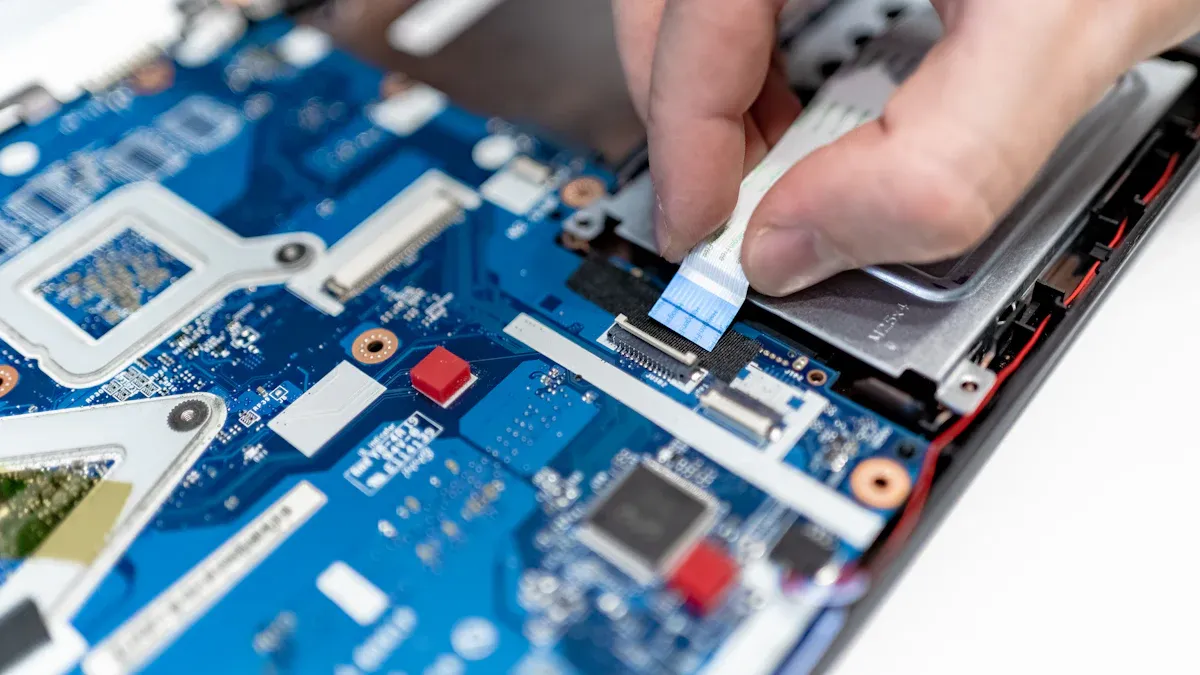
Miniaturization is changing the pcb design workplace. Engineers build smaller devices with more features now. HDI technology lets them add more parts to each pcb. This helps iot and smart devices grow fast. Companies want printed circuit board designs that save space but work better. New sensors also help this change happen. Designers try new ways to meet these needs. Iot makes engineers design every pcb to be smaller and work well. So, electronic design teams work hard to be creative and exact.
Note: Miniaturization and HDI help make electronic design more complex in small spaces. This helps wearable tech and smart home devices get better.
Flexible and Sustainable PCBs
Flexible pcb design is now very important in the industry. Flexible circuits can bend and twist easily. This makes them great for wearables and medical tools. Iot in these products means flexible solutions are needed more. Sustainability is also a bigger deal in the pcb design workplace. Companies use eco-friendly materials and better processes. They want to make less waste and use less energy when making printed circuit boards. Many designers pick materials that last longer and can be recycled. This helps the planet and meets what customers want. The push for sustainable pcb design will keep growing as trends change the market.
Skills Gaps and Workforce Needs
The pcb design workplace has a bigger skills gap now. Many engineers need new skills to keep up with changes. Iot, new sensors, and automation mean teams must learn more about software, hardware, and data. Electronic design needs knowledge from many areas. Companies want workers who know both technology and design. Multidisciplinary skills are more important than ever. Training and learning programs help fix this gap. As the market changes, more skilled pcb designers will be needed. The industry must support education to keep up with trends and grow.
Tip: Teams that learn new skills can handle changes in technology and electronic design faster.
Technology in PCB Design
AI and Automation
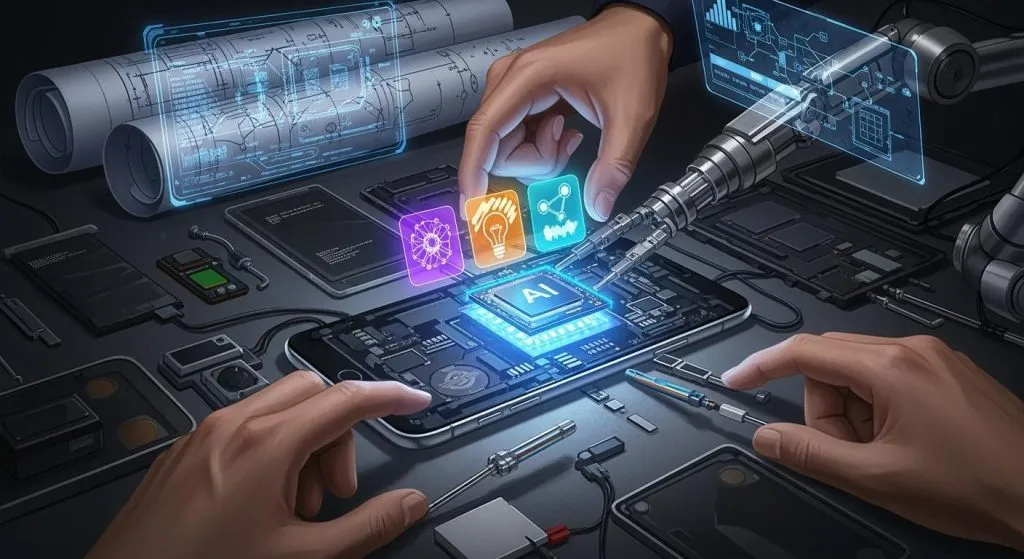
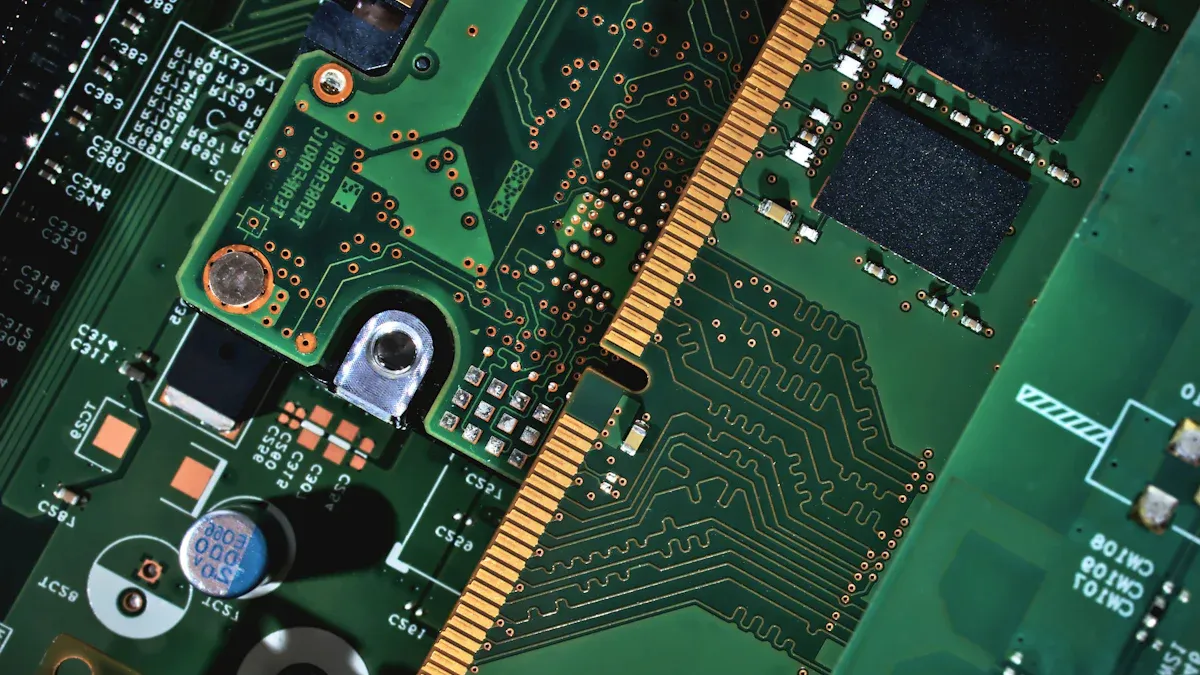
AI technologies are now very important in pcb design. Many companies use smart software to help engineers spot mistakes. These tools check designs much faster than people can. They also give ideas for better part placement on a pcb. Automation makes the whole job go quicker. Machines now do things like routing and testing. This helps teams finish projects faster and with fewer errors. AI technologies also help by looking at data from old projects. They find patterns that help engineers make good choices in new electronic design work.
Note: AI and automation do not take the place of engineers. They help teams work smarter and focus on creative ideas.
3D Printing
3D printing gives new choices for pcb design. Engineers use this technology to make quick models of boards. They can test ideas without waiting a long time. 3D printing lets teams try many shapes and sizes. This helps them be more creative and work faster. Some companies use 3D printing to make parts that are hard to build with old ways. This technology is good for custom designs and small batches. It also cuts down on waste because teams only print what they need.
3D printing helps with:
Fast prototyping
Custom pcb shapes
Lower material waste
Engineers think 3D printing is one of the most important new technologies in electronic design today.
Advanced Materials
Advanced materials change how engineers make pcbs. New materials make boards stronger and lighter. Some help control heat. Others let boards bend or twist. These changes help flexible pcb design and new things like wearables. Companies want materials that last longer and work well in tough places. Advanced materials also help with sustainability. Many teams now use materials that are easier to recycle. This helps the planet and gives customers what they want.
Tip: Using advanced materials can make electronic design work better and bring more new ideas.
Engineers who use advanced materials often lead in pcb design. They find new ways to use these materials and help their teams stay ahead in the market.
Market and Industry Outlook
Growth and Regional Trends
The pcb design market is getting bigger every year. More industries use new technology in their work. North America and Asia are leading in making new products. Europe spends money on research and new ideas. Companies in these places focus on iot and smart devices. They want products that are faster and smaller. They also want them to work better. Factories try to save money and work faster. This growth makes engineers learn new skills. They also need to use better tools.
Companies that follow local trends can find more customers. They can also stay ahead of others in the market.
Industry Applications
Pcb design helps many different industries today. Car companies use advanced boards for electric cars. They also use them for safety systems. Medical devices need small and reliable pcbs. These are used for important jobs. Wearable electronics need boards that bend and last long. Iot makes people want smart sensors and connected things. Engineers design boards for simple and hard machines. Every industry has its own needs. Teams must keep learning about new technology.
Key application areas:
Automotive electronics
Medical equipment
Wearable technology
Iot devices
Customer Demands
Customers want more from pcb design teams now. They want products that last longer and save energy. Many want eco-friendly materials and ways to make things. Fast shipping and good help are important to buyers. Teams use online tools to work with clients everywhere. Good service helps companies build trust. It also helps them get more business. As iot and wearables get more popular, customer needs will change.
Tip: Listening to what customers say helps teams get better at pcb design. It also helps them meet new needs.
Skills and Collaboration
Multidisciplinary Skills
PCB design teams need people with many different skills. Engineers should know about electronics, software, and mechanical design. They often work with experts in materials science and data analysis. This mix of skills helps teams fix tough problems. For example, a designer who knows hardware and coding can make smart devices better. Companies want workers who learn new things fast. They also want people who can talk to others from different fields.
Tip: Teams with many skills can start new projects faster and find smart answers.
Human-AI Collaboration
AI tools now help engineers in many parts of PCB design. These tools check for mistakes, suggest better layouts, and make testing faster. Engineers use AI to study data from old projects. This helps them stop errors and make designs better. People still make the final choices. AI gives advice, but engineers use their own ideas to pick what works best. Good teams use AI as a partner, not just a tool.
Benefits of human-AI teamwork:
Faster design checks
Fewer mistakes
More time for creative work
Note: Engineers who work well with AI can finish projects faster and get better results.
Professional Development
The PCB design workplace changes fast. Engineers must keep learning to stay ahead. Many companies give training in new tools and ways to work. Some teams take online classes or go to workshops. Learning about AI, new materials, and green design helps workers grow. Engineers who keep learning can get better jobs. They also help their teams stay strong in a changing market.
Skill Area | Learning Method | Benefit |
|---|---|---|
AI Tools | Online courses | Faster design |
New Materials | Workshops | Better products |
Green Design | Team training | Eco-friendly boards |
Alert: Always learning helps engineers get ready for the future of PCB design.
The PCB design workplace is changing very quickly. Engineers notice that miniaturization, AI, and sustainability affect their work every day. To keep up, people can:
Try out new AI tools
Work on green design ideas
Practice good teamwork
Tip: Learning all the time helps engineers face new problems. Being flexible lets teams do well in electronic design.
FAQ
What is HDI in PCB design?
HDI means High-Density Interconnect. Engineers use HDI to put more parts on small circuit boards. This helps make things like smartphones and wearables smaller.
Note: HDI makes electronics work better and saves space.
How does AI help PCB designers?
AI tools look for mistakes in designs and give layout ideas. These tools help engineers finish their work faster. Engineers use AI to spot patterns and make smart choices.
AI helps stop errors
AI saves time
Why do companies want sustainable PCBs?
Companies pick sustainable PCBs to help the environment. They use eco-friendly materials and better ways to make boards. Customers want products that last longer and make less waste.
Benefit | Example |
|---|---|
Less waste | Recyclable boards |
Lower energy | Efficient methods |
What skills help PCB designers succeed today?
PCB designers need to know electronics, software, and how to work in teams. They learn about new materials and use AI tools. Good talking skills help them work with other experts.
Tip: Learning new skills helps designers get ready for changes.
Can 3D printing replace traditional PCB manufacturing?
3D printing is good for quick models and special shapes. It does not take the place of old ways for making lots of boards. Engineers use both to get the best results.