A hybrid pcb is a special type of printed circuit board that uses more than one kind of material in its layers. This design lets engineers combine the best features of each material to improve how the pcb works. Engineers often choose a hybrid pcb when they need strong performance and reliability in devices like medical tools or aerospace systems. By mixing materials, a hybrid pcb can handle both high-speed signals and heat better than a standard pcb.
Key Takeaways
Hybrid PCBs combine different materials in one board to improve performance and reliability.
Engineers choose materials based on electrical, thermal, and mechanical needs to optimize cost and function.
Hybrid PCBs handle heat better and support high-speed signals, making them ideal for advanced devices.
These boards appear in many fields like medical, aerospace, automotive, and telecommunications.
Careful design and testing ensure hybrid PCBs stay strong and work well in tough conditions.
What is a Hybrid PCB
Definition
A hybrid pcb is a printed circuit board that combines two or more different substrate materials in its layers. According to technical sources, engineers often use materials like FR4, polyimide, ceramics, or aluminum together in one pcb. The Altium article explains that hybrid pcb technology allows designers to use expensive, high-performance materials only where needed, such as in layers that carry high-frequency signals. This approach helps balance cost and performance, making the hybrid circuit board a smart choice for advanced electronics.
Key Features
Hybrid pcbs offer several important features:
Material Optimization: Engineers select materials for each layer based on the electrical, thermal, or mechanical needs of the circuit.
Cost Efficiency: Only the critical layers use costly materials, while standard materials fill the rest.
Design Flexibility: Multi-layered hybrid pcbs can support both analog and digital circuits, or combine power and signal layers.
Improved Performance: These boards handle heat better and support high-speed signals, which is vital for modern devices.
Note: Multi-layered hybrid pcbs allow for miniaturization and multifunctionality, making them ideal for compact and complex devices.
Comparison with Traditional PCBs
Feature | Hybrid PCB | Traditional PCB |
|---|---|---|
Materials | Multiple types combined | Single material (e.g., FR4) |
Performance | Optimized for application | Standard performance |
Cost | Balanced by layer | Uniform across board |
Flexibility | High (customizable) | Limited |
Hybrid pcbs show similar electrical performance to traditional pcbs, but they can offer better thermal management and signal integrity. Some studies show that hybrid boards with biodegradable materials perform close to standard FR4 pcbs in strength, but may have lower heat tolerance.
Typical Applications
Hybrid pcb technology appears in many advanced systems. Industry reports highlight their use in:
Aerospace and defense electronics
Medical devices and healthcare equipment
Automotive systems, including electric vehicles and ADAS
Telecommunications and high-frequency devices
Consumer electronics and wearables
These applications benefit from the unique mix of materials in a hybrid pcb, which supports both reliability and high performance.
Hybrid PCB Materials and Type
Common Substrate Materials
Hybrid PCBs use a variety of substrate materials to meet different needs. FR4 is a fiberglass-reinforced laminate that provides strength and electrical insulation. Many engineers choose FR4 for its affordability and reliability in standard PCB designs. Rogers materials, such as RO3003 and RO4350B, support high-frequency functionality because they offer low-loss material properties and stable dielectric constants. Ceramics stand out for their mechanical strength and thermal conductivity, making them suitable for demanding environments. Aluminum substrates appear less often but help with heat dissipation in power circuits. Polyimide, a flexible substrate, allows the PCB to bend or fit into curved spaces. Technical articles confirm that these materials play key roles in hybrid PCB fabrication and device applications.
Material Combinations in Hybrid PCBs
Engineers combine different materials within a single PCB to achieve specific electrical, thermal, or mechanical properties. For example, a hybrid PCB might use FR4 for rigid sections and polyimide for flexible areas. This mixed material lamination supports both structural stability and flexibility. Copper connections on FR4 create reliable circuits, while polyimide layers allow bending. Some designs add ceramic-filled PTFE as a low-loss material to improve high-speed signals and high-frequency operation. By mixing these materials, hybrid PCBs can handle high-speed circuits and manage heat more effectively.
Types of Hybrid PCBs by Material Mix
Hybrid PCBs fall into several types based on their material mix:
Rigid-Flex PCBs: Combine rigid FR4 with flexible polyimide for devices that need both strength and movement.
Metal-Core Hybrids: Use aluminum or copper cores to improve heat dissipation in power circuits.
RF/Digital Hybrids: Pair low-loss material like Rogers with standard FR4 to support both high-speed digital circuits and analog signals.
These types help engineers match the PCB design to the device’s requirements.
Selection Criteria for Materials
Engineers select materials for hybrid PCBs by considering several factors:
Electrical performance, such as dielectric constant and loss.
Thermal properties, including conductivity and expansion.
Mechanical strength and flexibility.
Compatibility with manufacturing processes.
Cost and availability.
They also look at how the laminate thickness affects circuit impedance, especially for high-speed functionality. Surface roughness and moisture absorption can influence signal loss and reliability.
Impact of Material Choice on Performance
The choice and combination of materials directly affect a hybrid PCB’s performance and reliability. For example, matching the coefficient of thermal expansion (CTE) between rigid and flexible layers prevents mechanical stress and delamination. Using low-loss material improves signal integrity in high-speed circuits. Specialized materials from companies like Rogers and Taconic help maintain electrical performance and mechanical stability. When engineers select the right mix, the PCB can support advanced applications, resist harsh conditions, and deliver long-term reliability.
Benefits and Challenges

Performance Advantages
Hybrid PCBs deliver strong advantages in many advanced electronics. They allow engineers to combine materials that support both high-speed signals and power circuits on the same board. This mix helps devices run faster and stay cooler. For example, medical sensor PCBs showed a 19% drop in power waste by fixing impedance mismatches, which improved battery life in IoT devices. Automotive designers also cut costs by 15% when they used smart analytics to pick the right laminate materials without losing thermal stability. These results show that hybrid PCBs can boost circuit performance and reliability in real-world products.
Manufacturing Challenges
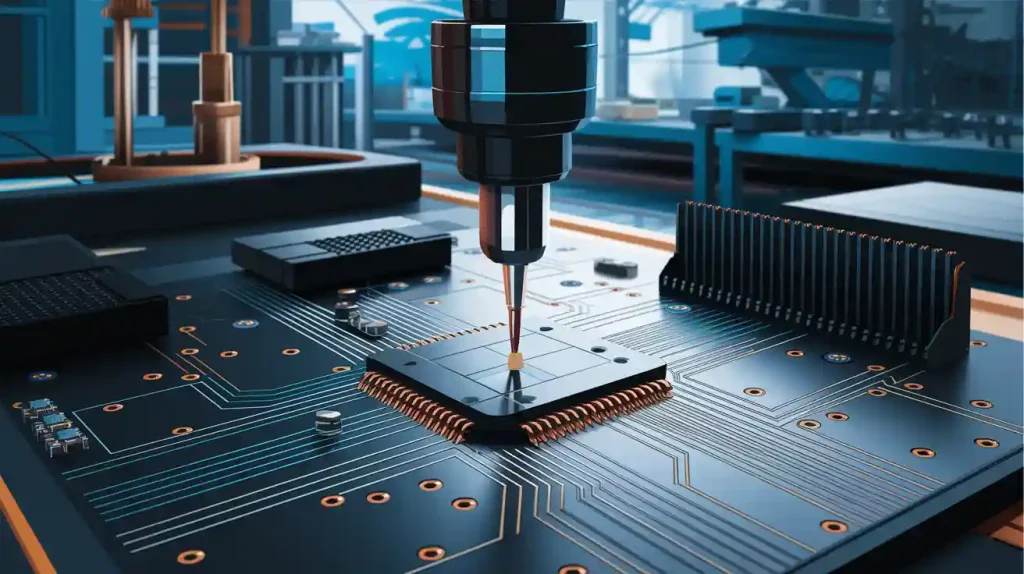
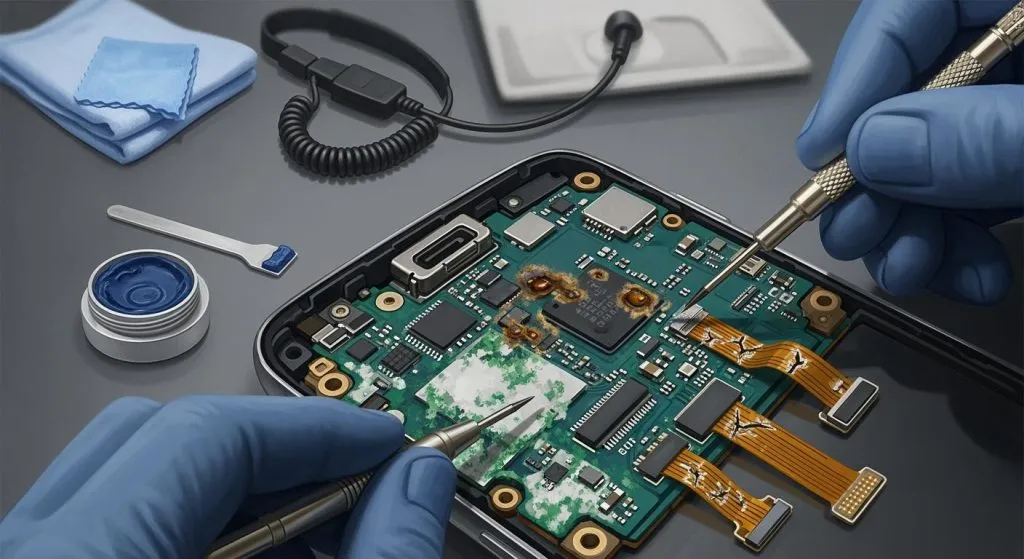
Building a hybrid PCB is complex. Manufacturers must join different materials and use both additive and subtractive methods. High wiring density in HDI PCBs can cause crosstalk and noise, so careful design is needed. Miniaturized boards require precise laser drilling and handling of tiny parts, which raises the risk of defects. Common problems include delamination, broken traces, and cold solder joints. Factories use tests like impedance measurement and cross-sectional analysis to find these issues. A Failure Mode and Effects Analysis (FMEA) often highlights risks such as equipment breakdowns or untrained workers, which can lower yield and quality. These challenges make hybrid PCB production demanding.
Application Areas
Hybrid PCBs appear in many industries that need high reliability and special features. Aerospace companies use them in missile guidance systems to meet strict standards and avoid delays. Medical devices rely on hybrid PCBs for sensors that must save energy and work safely. In factories, automation systems use these boards to handle extreme temperatures and speed up testing cycles. Automotive suppliers benefit from hybrid PCBs by keeping up with more custom orders and delivering on time. Telecom and 5G equipment makers use advanced inspection tools to spot tiny defects, which improves yield and circuit quality. These examples show how hybrid PCBs support progress in many fields.
PCB Design Considerations
Material Selection
Engineers choose materials for each pcb layer based on the needs of the device. They look at properties like dielectric constant, thermal conductivity, and how much the material expands with heat. These choices affect how fast signals move and how well the pcb handles heat. For example, a low dielectric constant helps signals travel faster, which is important for high-speed circuits. The table below shows key properties and why they matter:
Property | Why It Matters for Hybrid PCBs |
|---|---|
Dielectric Constant (Dk) | Faster signal speed, less signal loss |
Thermal Conductivity | Better heat removal, prevents overheating |
Coefficient of Thermal Expansion | Reduces stress, stops layers from peeling apart |
Flexural Strength | Prevents cracks when the board bends |
Moisture Absorption | Keeps signals clear in humid places |
Engineers also check if materials meet safety standards like RoHS and UL. They use high-temperature materials for harsh environments to prevent delamination.
Thermal Management
Good thermal management keeps the pcb cool and working well. Engineers place heat-producing parts near the edges or close to vents. They use thermal vias—tiny holes that move heat from the top to the bottom of the board. In wearable devices, special coatings like ultrathin radiative layers can lower the temperature by almost 8°C. This helps the device last longer and keeps signals stable. Using the right layout and cooling methods protects the pcb from damage caused by heat.
Reliability
Reliability means the pcb works well for a long time. Engineers test boards with temperature cycles, humidity, and shock to make sure they do not fail early. They use strong adhesives and match material expansion rates to stop cracks and peeling. Advanced tests can find tiny cracks or weak solder joints before the pcb leaves the factory. By following these steps, engineers make sure the pcb stays safe and stable in tough conditions.
Hybrid PCBs combine different materials to create strong, reliable circuit boards. Each material brings unique benefits, helping devices work better and last longer. Engineers must choose materials wisely to match the needs of each project.
Hybrid PCBs support advanced electronics in many industries.
Careful planning and expert design lead to better performance.
Tip: Understanding material properties helps engineers build safer and more efficient hybrid PCBs.
FAQ
What makes a hybrid PCB different from a regular PCB?
A hybrid PCB uses more than one type of material in its layers. This mix helps the board handle heat, speed, and strength better than a regular PCB, which uses only one material.
Can hybrid PCBs be used in flexible devices?
Yes, engineers often use hybrid PCBs in flexible devices. They combine rigid and flexible materials, so the board can bend or fit into small spaces without breaking.
Are hybrid PCBs more expensive than standard PCBs?
Hybrid PCBs can cost more because they use special materials and need careful manufacturing. However, engineers often save money by using high-cost materials only where needed.
How do engineers test the reliability of hybrid PCBs?
Engineers test hybrid PCBs with heat, cold, and vibration. They check for cracks, peeling, and weak solder joints. These tests help make sure the board works well in tough conditions.