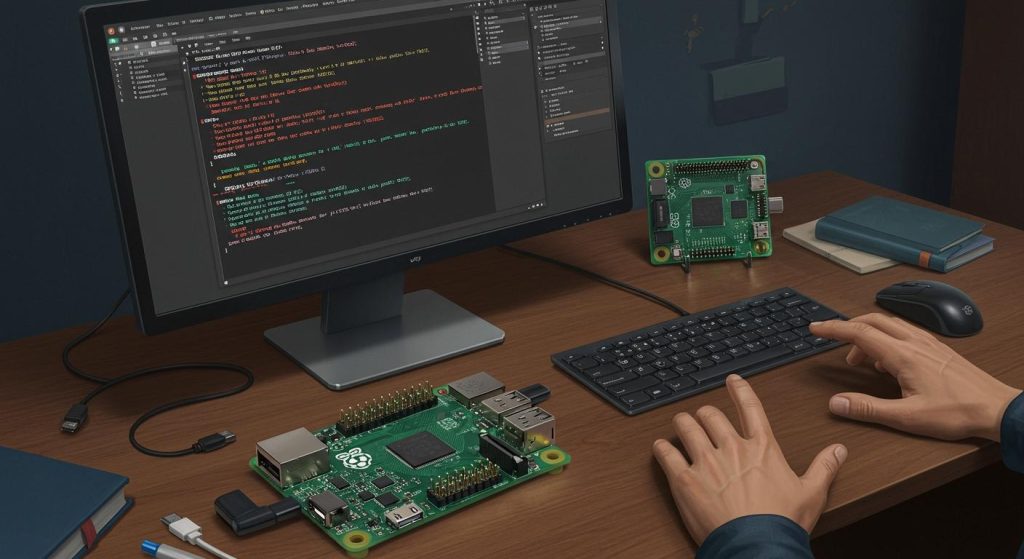
You want to find a job in electronics design, but you may wonder how to get one in a field that changes fast. Start by learning strong design skills and gaining real experience. Employers want electronics design engineers who can show real design work, so make your portfolio stand out. Networking helps you find a job and more opportunities, and applying for electronics design jobs keeps you moving forward. Remember, there are electronics design jobs at every career level. You can find a job in electronics if you stay busy, look for new chances, and keep your skills sharp. Every electronics design engineer faces challenges, but there are many ways to find a job in electronics and succeed in your career.
Key Takeaways
Learn important skills like circuit design, teamwork, and talking with others. These skills help you do well in electronics design.
Get real experience by doing internships, beginner jobs, projects, freelancing, or volunteering. This helps you make a great portfolio.
Look for jobs on job boards and company websites. Go to networking events to meet people who work in the industry.
Change your resume and cover letter for each job. Get ready for interviews and ask for advice to get better.
Keep learning new things and earn certifications. Watch what is happening in the industry to grow your career and stay ahead.
Skills Needed
To be an electronics design engineer, you must learn the right skills. Every electronics job wants you to have education, technical skills, and soft skills. Let’s look at what you need to do well in electronics design.
Education & Certifications
Most companies want you to have a bachelor’s degree in electrical engineering or electronics. This degree teaches you the basics for electronics design. Some jobs want more, but a bachelor’s degree is most important. You should also get certifications. These show you have extra skills and help you get noticed. For example, IPC certifications or Certified LabVIEW Associate Developer look good on your resume. Many electronics design engineer jobs like certifications because they show you keep learning. Try to get new certifications as you move up in your career.
Technical Skills
You need strong technical skills to be an electronics design engineer. These skills help you fix real problems in electronics. Here are some important technical skills you need:
Circuit design and analysis
Using simulation tools like SPICE
Soldering and prototyping
Testing and troubleshooting
You should practice these skills a lot. The more you use your technical skills, the better you get at electronics design. Employers want to see these skills in your portfolio.
Soft Skills
Soft skills are just as important as technical skills. You need to work well with others and solve problems quickly. Good communication helps you explain your ideas. Teamwork helps you finish big electronics projects. Problem-solving skills help you fix design problems. Time management helps you finish projects on time. If you want to be a great electronics design engineer, keep working on your soft skills every day.
Tip: Always learn new skills and get certifications. Electronics changes fast, so you need to keep learning.
Get Experience
Internships & Entry Roles
If you want to be an electronics design engineer, you need real experience. Internships are a good way to begin. Many companies have internships for students and new graduates. These let you work on real electronics projects. You learn to use design tools and see how teams fix problems. You also meet people who can help you later. Try to apply for many internships. Each one teaches you new skills. You learn what electronics design engineers do every day.
Entry-level jobs are also a good start. These jobs teach you the basics of electronics design. You might help with testing or building circuits. You may use design software too. Smaller companies often give you more hands-on work. You get to try many parts of the design process. This helps you become a better electronics design engineer.
Projects & Portfolio Work
You need to show what you can do. Making a portfolio is the best way to do this. Start with your school projects or hobby electronics. Add any design work from internships or jobs. Your portfolio should have real designs, like circuit boards or working models. Employers want to see your skills, not just read about them. A strong portfolio proves you have real experience in electronics.
Tip: Use photos, diagrams, and short notes in your portfolio. Show how you fixed design problems.
Freelance & Volunteering
Freelance jobs and volunteering help you learn more. You can find freelance electronics design jobs online. These jobs let you work on different projects. You build your experience in electronics. Volunteering for local groups or school clubs helps too. You get to design real things and meet other electronics design engineers. Every project adds to your experience. This makes your portfolio stronger. More experience means more job chances in electronics design.
How to Find a Job
Job Boards & Company Sites
You want to get a job in electronics. The first step is to know where to look. Many companies post jobs on popular job boards. You can find a job by searching these sites every day. Here are some top places to start:
IEEE Job Site: This site lists many electronics design engineer jobs. You can search by location or skill.
Indeed: You will see many jobs in electronics here. Use keywords like “electronics design” or “electronics engineer”.
LinkedIn: This site helps you find a job and connect with people in electronics. You can follow companies and get alerts for new jobs.
ZipRecruiter: This site shows jobs from many companies. You can set up job alerts for electronics design roles.
You should also check company career pages. Many electronics companies post jobs only on their own websites. Make a list of your favorite companies. Visit their sites often. You might find a job in electronics before it appears on big job boards.
Tip: Set up email alerts on job boards. You will never miss a new job in electronics design.
Networking & Events
Networking helps you get a job in electronics faster. You meet people who work in design. They can tell you about jobs before they are posted. You can join professional groups like IEEE or local electronics clubs. These groups often share job leads and give advice on how to get a job.
Go to industry events and job fairs. You can talk to hiring managers and learn what companies want. Bring your portfolio and ask questions about electronics design. You might meet someone who needs an electronics design engineer right now.
Here are some ways to build your network:
Join online forums for electronics design.
Attend webinars and workshops.
Connect with other electronics design engineers on LinkedIn.
Volunteer at local tech events.
Note: Networking is not just about asking for jobs. Share your design ideas and help others. People remember you when you give value.
Freelance Platforms
Freelance work is a great way to get a job in electronics and build your design skills. Many companies look for electronics design engineers for short projects. You can find these jobs on freelance platforms. Here are some good places to start:
Platform | What You Can Find |
|---|---|
Upwork | Electronics design projects |
Freelancer | Jobs for electronics engineers |
Fiverr | Small electronics design gigs |
Guru | Design and engineering jobs |
You can use freelance jobs to fill your portfolio. Each project shows your design skills. If you do good work, clients may offer you a full-time job in electronics. Freelance work also helps you learn how to get a job by showing you what companies need.
Tip: Always ask clients for feedback. Good reviews help you find a job faster on freelance sites.
If you keep looking for a job and use all these tools, you will get a job in electronics. Remember, every design project and every new contact brings you closer to your goal.
Stand Out & Get a Job in Electronics

Resume & Cover Letter Tips
You want your resume and cover letter to grab attention. Start by matching your resume to each electronics design job. Use the same words from the job post. Show your design skills and list your best projects. Add numbers if you can. For example, say, “Designed a PCB that reduced power use by 20%.” Keep your resume short and clear. One page works best for most people.
Your cover letter should tell your story. Explain why you love electronics design. Share a quick story about a project or a problem you solved. Show how your experience fits the job. Always check for mistakes before you send your job application. These job application tips help you stand out.
Interview Prep
Interviews can feel scary, but you can get ready. Review your portfolio and pick your top design projects. Practice talking about your design process. Explain how you solved problems and what you learned. You may get questions about tools or design choices. Try to answer with real examples from your experience.
You can also practice common interview questions. Ask a friend to help. Dress neatly and bring copies of your resume and portfolio. Show your passion for electronics and design. Smile and listen well.
Feedback & Improvement
After each job interview, ask for feedback. You can send a short thank-you email and ask how you did. Use this advice to get better. If you do not get the job, do not give up. Every interview gives you more experience. Keep learning new design skills and update your portfolio. You will get a job in electronics if you keep improving.
Tip: Every job in electronics design teaches you something new. Stay curious and keep growing.
Career Growth
Keep Learning
You want your career to keep moving forward. The electronics design field changes fast. You need to keep learning if you want to see real growth. Try to read new articles about design every week. Watch videos or take online courses. These help you learn new design skills and tools. You can join webinars or workshops. These events let you ask questions and meet other people who care about design.
Set small goals for your professional growth. Maybe you want to master a new design software. Maybe you want to finish a project that uses a new part. Each goal helps you see your growth. You can track your progress and feel proud of your work. When you keep learning, you show employers that you care about your career success.
Tip: Make a list of design topics you want to learn this year. Check off each one as you go.
Certifications & Trends
Certifications help you stand out in electronics design. You can earn certifications in PCB design, embedded systems, or other areas. These show you have strong design skills. Many employers look for certifications when they hire. You can find programs online or through groups like IPC or IEEE. Try to get new certifications every year. This shows you care about your growth and career success.
You also need to watch trends in electronics design. New tools and ideas come out all the time. You can follow blogs, podcasts, or social media pages. These help you spot what’s new in design. If you know the latest trends, you can use them in your projects. This makes your work better and helps your career. When you mix certifications with new trends, you build a strong path for professional growth.
Note: Stay curious. The more you learn about design, the more you grow in your career.
You can start your electronics career by building strong skills, getting real experience, and making a great portfolio. Meet new people and look for jobs every day. Stay curious and keep learning new things. Ask for feedback and use it to grow. If you keep moving forward, you will find the right path for your career. Ready to take your first step? Your future in electronics design starts now!
FAQ
What should I put in my electronics design portfolio?
Show your best projects. Add photos, diagrams, and short notes. Include school work, hobby projects, or freelance jobs. Prove you can solve real problems. Employers want to see what you can do, not just read about it.
How do I get experience if I am just starting out?
Start with small projects at home or school. Join clubs or online groups. Try internships or volunteer work. Every project helps you learn. You can add each one to your portfolio. You will build skills and confidence over time.
Do I need a master’s degree for electronics design jobs?
Most jobs only ask for a bachelor’s degree. A master’s degree can help, but it is not required for most entry-level roles. Focus on building strong skills and a great portfolio. That matters more to many employers.
How can I keep up with new trends in electronics design?
Follow blogs, podcasts, and YouTube channels about electronics. Join online forums or groups. Attend webinars or workshops. Try new tools and ideas in your projects. Staying curious helps you learn what’s new and keeps your skills sharp.