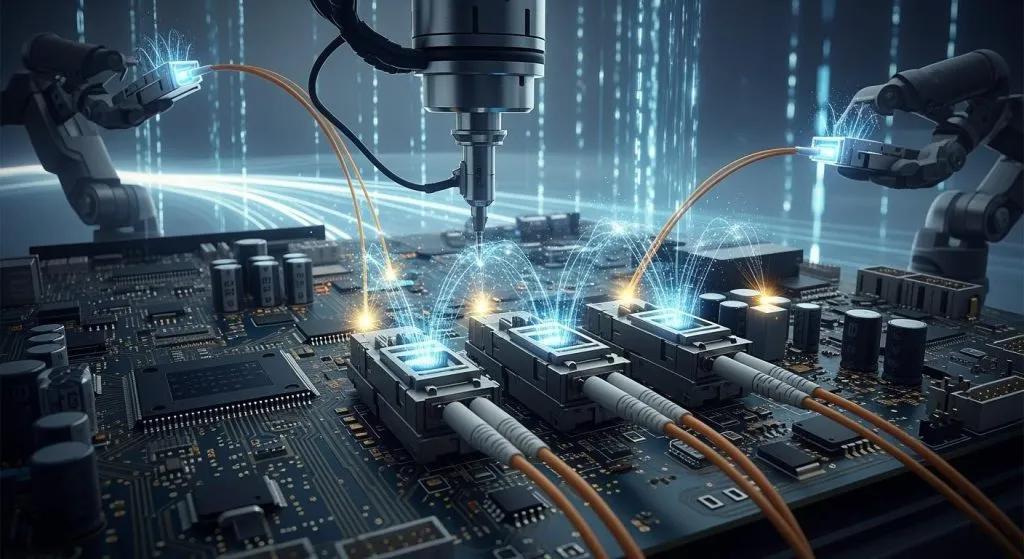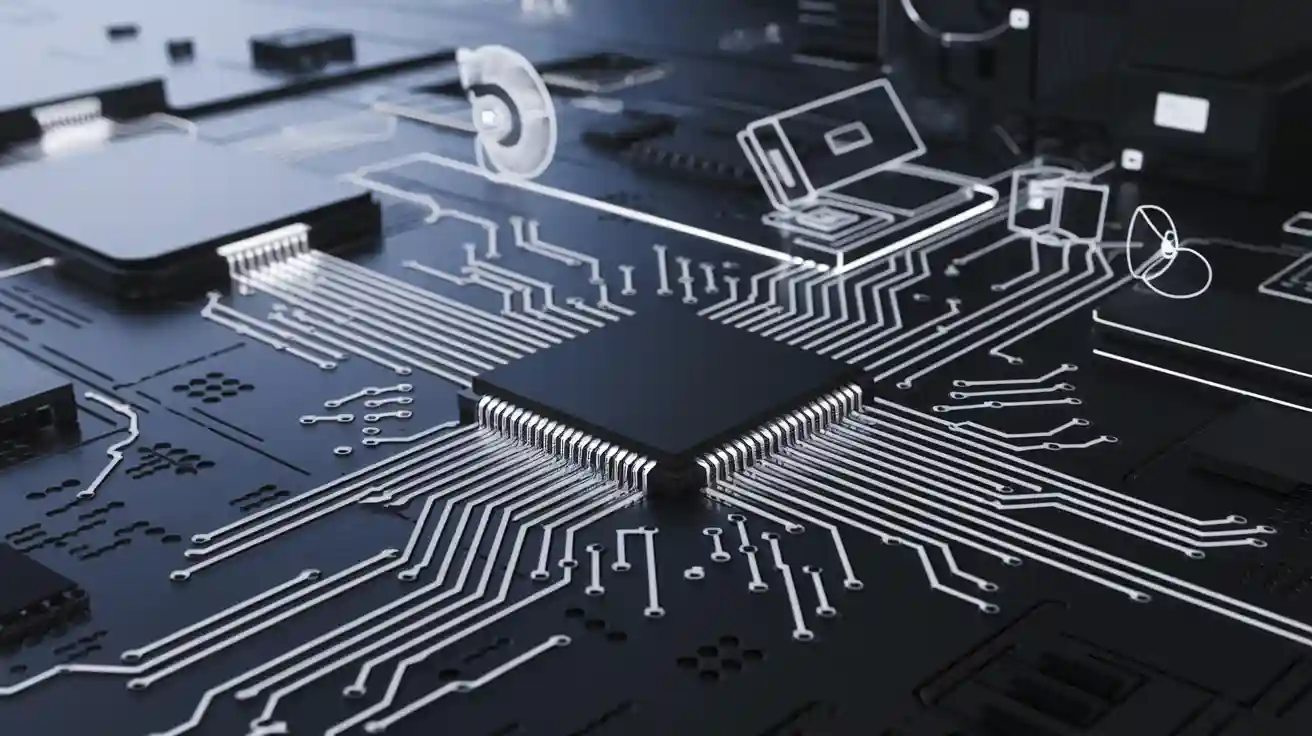
A high-frequency pcb works at frequencies over 1 GHz. Sometimes, it can start at 100 MHz. Engineers use these boards in advanced electronics. Fast and reliable signal transmission is very important here. High-frequency pcb is not like standard boards. It uses special materials to lower signal loss and interference. These features are important for high-speed communication devices. They also help sensitive equipment work well.
Key Takeaways
High-frequency PCBs work at over 100 MHz. They use special materials to keep signals fast and clear.
Picking the right materials like PTFE and Rogers helps stop signal loss and interference in high-frequency PCBs.
Good design steps stop problems like crosstalk and electromagnetic interference. This makes sure the PCB works well.
High-frequency PCBs are very important in many areas. These include communication, medical devices, cars, planes, and electronics people use every day.
New ways to make and test PCBs help engineers build high-frequency PCBs. These PCBs meet the needs of today’s technology.
High-Frequency PCB Basics
What Is a High-Frequency PCB
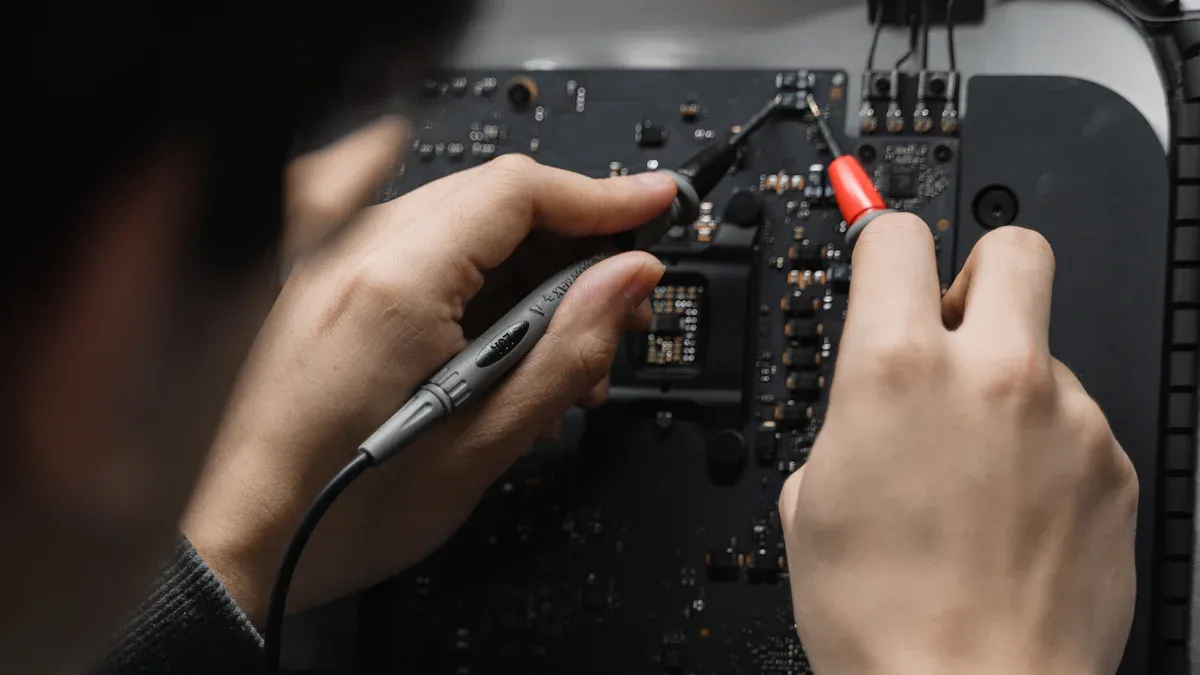
A high-frequency pcb is a special kind of printed circuit board. Engineers make these boards for high frequency signals. Most high frequency pcbs work above 100 MHz. Many can go over 1 GHz. These boards are used in circuits that need fast and correct signals. High-frequency pcbs use special materials and layouts. This helps stop signal loss and interference. Many industries use high-frequency printed circuit boards. They are important for wireless communication, radar, and advanced sensors.
Frequency Range
High frequency pcbs can work at many different frequencies. Most start at 100 MHz and can reach up to 30 GHz or more. Some high frequency pcbs can even handle millimeter-wave frequencies. These circuits are needed for modern devices that move data quickly. For example, 5G networks and satellite systems use high frequency pcbs. They help send and get signals fast and clearly. These boards are different from standard printed circuit boards because they work at higher frequencies.
Printed Circuit Boards vs High-Frequency PCB
There are many types of printed circuit boards. Standard printed circuit boards are good for low or medium frequencies. They use common materials and simple designs. High frequency pcbs use advanced materials and special design rules. These changes help control high frequency signals. They also lower problems like crosstalk and electromagnetic interference. A high frequency pcb is needed for devices that need strong signals at high speeds. Without these boards, many modern communication and sensing systems would not work right.
Materials
High-Frequency PCB Materials
Engineers pick special high frequency materials for these pcbs. Some examples are PTFE, Rogers, Isola, Taconic, Arlon, and Panasonic Megtron series. Each one helps high-frequency pcb designs in different ways. PTFE is known for great electrical properties. Rogers and Isola work well at high frequencies. Makers use these materials to keep signals strong and clear.
Dielectric Properties
Dielectric properties are very important for high frequency pcbs. A low dielectric constant lets signals move faster. Low loss tangent means less energy turns into heat. Smooth copper helps signals travel better. Engineers want materials with these features for good performance.
Material Types
High frequency pcbs use different kinds of materials. Rigid materials are good for flat, steady boards. Flexible materials are used in things that bend or twist. Hybrid materials mix both types for special uses. Designers pick the best material for each device.
Key Technical Challenges
Material Consistency and Batch Variation
It is hard to keep material quality the same every time. Batch variation can change how high frequency pcbs work. Engineers test each batch to make sure it is good.
Processing and Fabrication Difficulties
Some high frequency materials are tough to work with. They may need special tools or heat. This can make building them slower and cost more.
Surface Treatment and Copper Adhesion
Copper must stick well to the board for it to work right. Some materials need extra steps to help copper bond better.
Environmental and Thermal Stability
High frequency pcbs must work in hot or wet places. Materials with good thermal stability help circuits last longer in tough spots.
Emerging Material Trends
Ultra-Low Loss Resin Systems
Ultra-low loss resin systems help signals lose less energy. These systems make high frequency pcbs work better in fast devices.
Ceramic-Filled Composite Materials
Ceramic-filled composite materials are more stable and lose less signal. They help high frequency pcbs in advanced communication systems.
Eco-Friendly and Halogen-Free Materials
Eco-friendly and halogen-free materials are better for the earth. Many companies use these materials in their high frequency pcbs now.
Ultra-Thin and High-Frequency Laminates
Ultra-thin and high-frequency laminates make devices smaller and lighter. These laminates help engineers build compact high frequency pcbs for new electronics.
Design
Making a high-frequency pcb takes careful planning. Engineers face many problems to keep signals clean and steady. High-speed pcb design looks at signal quality, impedance, and how to build the board.
Signal Integrity
Signal integrity is very important in high frequency pcbs. Engineers use different ways to protect these signals.
Crosstalk Suppression
Crosstalk happens when signals on close traces mix. Designers make more space between traces and add ground planes to stop this.
Signal Reflection Control
Signal reflections can cause mistakes in fast pcbs. Engineers match trace impedance to stop reflections and keep signals strong.
High-Speed Interconnects
High-speed interconnects move data fast across the board. Designers use short, straight paths and control impedance for speed.
Jitter and Timing Analysis
Jitter means small changes in when signals arrive. Engineers check timing to make sure data comes at the right time.
Impedance and EMI
Impedance and electromagnetic interference (EMI) are important in high frequency pcbs.
Controlled Impedance Routing
Controlled impedance routing keeps signals steady. Designers use exact trace widths and spacing to get the right impedance.
EMI Shielding Techniques
EMI can mess up high frequency signals. Engineers add shielding layers or use special materials to block noise.
Differential Pair Design
Differential pairs carry signals in opposite ways. This helps cancel noise and makes high-speed pcbs work better.
Grounding and Return Path Optimization
Good grounding gives signals a clear way back. Engineers use solid ground planes to lower noise and make boards more reliable.
Manufacturing Challenges
Making high-speed pcbs is not easy.
Fine Line Etching
Fine line etching makes thin traces for fast signals. This needs special tools and careful work.
Via Structure Optimization
Vias link layers in a high-frequency pcb. Engineers pick the best via size and place them well to keep signals fast.
Advanced Surface Finishes
Surface finishes protect copper and help with soldering. High frequency pcbs use smooth finishes to lower signal loss.
Miniaturization and High-Density Interconnects (HDI)
Modern devices need small, strong boards. HDI lets engineers fit more parts in less space.
Integration with Advanced Packaging (SiP, 3D IC)
Engineers join high-speed pcbs with new packaging like SiP and 3D IC. This helps new electronics work fast and do more.
Tip: Simulation tools help engineers test high frequency pcb designs before making them. This step saves time and stops mistakes.
High Frequency Applications
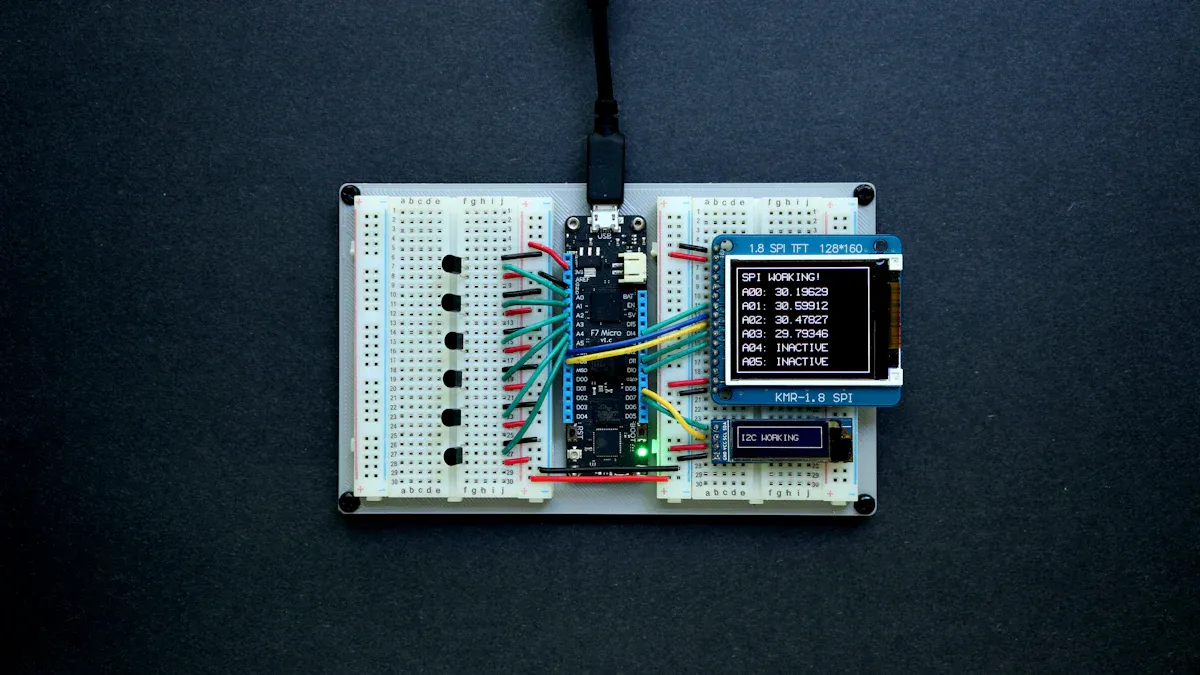
High-frequency applications are very important in today’s technology. Many industries need strong systems to send data fast and without mistakes. The next parts explain how these systems use special circuit boards in real products.
Communication Systems
Communication systems must move data fast and clearly. Engineers put special boards in many devices.
5G Base Stations
5G base stations use strong systems to handle lots of data. These stations help wireless networks work in cities and country areas.
Satellite Communication Terminals
Satellite communication terminals need strong systems for good signals. These terminals help far away places get internet and phone service.
Wireless Routers
Wireless routers use special boards to send and get data fast. Homes and offices use these routers for internet every day.
Microwave Radios
Microwave radios use strong systems to send signals far. These radios help with voice and data communication.
RF Transceivers
RF transceivers need careful signal control. Engineers use special boards to keep signals clear and strong.
Cellular Repeaters
Cellular repeaters make weak signals stronger in buildings and far places. Strong systems help these devices work well.
Antenna Arrays
Antenna arrays use special boards to handle many signals at once. These arrays help wireless networks and radar systems.
Point-to-Point Radios
Point-to-point radios link two places with a direct wireless path. Strong systems make sure data moves fast and safely.
Network Switches
Network switches use special boards to move data between devices. These switches help networks work smoothly.
Fiber Optic Transceivers
Fiber optic transceivers turn electrical signals into light. Strong systems help these devices send data far.
Medical Equipment
Medical equipment needs strong systems for quick and correct results. Hospitals and clinics use these devices all the time.
MRI Scanners
MRI scanners use special boards to make clear body images. Strong systems help doctors find health problems.
CT Scanners
CT scanners need fast data work. Engineers use special boards to make images better and faster.
Ultrasound Machines
Ultrasound machines use strong systems to send and get sound waves. These machines help doctors look inside the body.
RF Ablation Devices
RF ablation devices use special boards to treat heart and tissue problems. Strong systems make these treatments safer and better.
Wireless Patient Monitors
Wireless patient monitors watch vital signs in real time. Strong systems help doctors act fast when things change.
Telemedicine Terminals
Telemedicine terminals use special boards to connect patients and doctors. Strong systems help with video calls and sharing data.
Hearing Aids
Hearing aids use tiny special boards to process sound. Strong systems help people hear better in many places.
Medical Imaging Systems
Medical imaging systems need fast and correct data. Engineers use special boards to make images clearer.
Pacemakers
Pacemakers use strong systems to control heartbeats. These devices help people live healthier lives.
Defibrillators
Defibrillators use special boards to give life-saving shocks. Strong systems make sure they work fast and right.
Automotive and Radar
Cars and radar systems use strong systems for safety and control. Engineers design these systems to react fast and be correct.
Automotive Radar Systems
Automotive radar systems use special boards to find objects on the road. Strong systems help stop accidents.
Advanced Driver Assistance Systems (ADAS)
ADAS uses strong systems for things like lane keeping and auto braking.
Vehicle-to-Everything (V2X) Modules
V2X modules let cars talk to each other and road systems. Strong systems keep these talks fast and safe.
Tire Pressure Monitoring Systems (TPMS)
TPMS uses special boards to check tire pressure. Strong systems warn drivers about problems.
Keyless Entry Systems
Keyless entry systems use strong systems for safe and easy car access.
In-Vehicle Infotainment
In-vehicle infotainment uses special boards for music, maps, and more. Strong systems make these features work well.
Blind Spot Detection
Blind spot detection uses strong systems to warn drivers about nearby cars.
Collision Avoidance Systems
Collision avoidance systems use special boards to react fast to danger. Strong systems help keep drivers safe.
Parking Sensors
Parking sensors use strong systems to find obstacles. These sensors help drivers park safely.
Electric Vehicle Power Modules
Electric vehicle power modules use special boards to control power. Strong systems make cars safer and more efficient.
Aerospace and Defense
Aerospace and defense systems need strong systems for important jobs. Engineers design these systems to be fast and reliable.
Radar Systems
Radar systems use special boards to track things in the air and on the ground. Strong systems help find objects better.
Electronic Warfare Systems
Electronic warfare systems use strong systems to block or control signals.
Avionics Communication Modules
Avionics communication modules use special boards for safe and clear talk in planes.
Satellite Navigation Systems
Satellite navigation systems use strong systems for exact location tracking.
Missile Guidance Systems
Missile guidance systems use special boards to control flight. Strong systems help them stay on course.
Secure Communication Devices
Secure communication devices use strong systems to keep data safe.
Flight Control Systems
Flight control systems use special boards for safe and steady flight.
Surveillance Drones
Surveillance drones use strong systems for live video and data.
Signal Intelligence Equipment
Signal intelligence equipment uses special boards to collect and study signals.
Military Radios
Military radios use strong systems for clear and safe talk.
Consumer Electronics
Consumer electronics use strong systems for speed and ease. Many people use these devices every day.
Smartphones
Smartphones use special boards for fast work and wireless talk.
Tablets
Tablets use strong systems for smooth use and clear screens.
Smartwatches
Smartwatches use special boards for health checks and alerts.
Wireless Earbuds
Wireless earbuds use strong systems for clear sound and long battery.
Smart TVs
Smart TVs use special boards for streaming and smart features.
Gaming Consoles
Gaming consoles use strong systems for fast graphics and online play.
Wireless Charging Pads
Wireless charging pads use special boards for safe and quick charging.
Home Automation Hubs
Home automation hubs use strong systems to control smart devices.
Wi-Fi Extenders
Wi-Fi extenders use special boards to boost wireless signals.
Smart Speakers
Smart speakers use strong systems for voice control and music.
Industrial Automation
Factories use strong systems for control and watching machines. These systems help make work safer and faster.
Industrial Robots
Industrial robots use special boards for exact movement and control.
Programmable Logic Controllers (PLCs)
PLCs use strong systems to run machines and processes.
Wireless Sensor Networks
Wireless sensor networks use special boards to gather and send data.
Machine Vision Systems
Machine vision systems use strong systems for checking quality.
Industrial IoT Gateways
Industrial IoT gateways use special boards to link machines to the internet.
Motor Drives
Motor drives use strong systems for smooth and efficient work.
Remote Monitoring Units
Remote monitoring units use special boards to watch equipment from far away.
Process Control Systems
Process control systems use strong systems to keep production steady.
Factory Automation Controllers
Factory automation controllers use special boards for fast and steady control.
Industrial Communication Modules
Industrial communication modules use strong systems for sharing data.
Defense
Defense systems use strong systems for safe and steady work. These systems protect people and information.
Tactical Radios
Tactical radios use special boards for clear talk in the field.
Radar Jamming Devices
Radar jamming devices use strong systems to block enemy signals.
Secure Data Links
Secure data links use special boards to keep information safe.
Electronic Countermeasure Systems
Electronic countermeasure systems use strong systems to stop threats.
Battlefield Communication Terminals
Battlefield communication terminals use special boards for fast and safe data.
Surveillance Systems
Surveillance systems use strong systems for live watching.
Command and Control Units
Command and control units use special boards for mission planning.
Signal Processing Units
Signal processing units use strong systems for fast data checks.
Military Drones
Military drones use special boards for flying and watching.
Encryption Devices
Encryption devices use strong systems to keep data safe.
Internet of Things (IoT)
IoT devices use strong systems for smart and connected living. These devices gather and share data everywhere.
Smart Meters
Smart meters use special boards to track energy use.
Asset Tracking Devices
Asset tracking devices use strong systems for real-time location.
Smart Home Controllers
Smart home controllers use special boards to manage devices.
Wearable Health Monitors
Wearable health monitors use strong systems for health checks.
Environmental Sensors
Environmental sensors use special boards to measure air and water.
Industrial IoT Nodes
Industrial IoT nodes use strong systems for data gathering.
Connected Appliances
Connected appliances use special boards for smart features.
Smart Lighting Systems
Smart lighting systems use strong systems for saving energy.
Remote Security Cameras
Remote security cameras use special boards for video streaming.
Wireless Payment Terminals
Wireless payment terminals use strong systems for safe payments.
Satellite Systems
Satellite systems use strong systems for communication and data. These systems help connect the world.
Satellite Transponders
Satellite transponders use special boards to pass signals.
Ground Station Receivers
Ground station receivers use strong systems for data gathering.
Satellite Modems
Satellite modems use special boards for fast internet.
Onboard Data Processors
Onboard data processors use strong systems for live analysis.
Telemetry and Command Units
Telemetry and command units use special boards for control.
Satellite Navigation Payloads
Satellite navigation payloads use strong systems for tracking.
Earth Observation Instruments
Earth observation instruments use special boards for taking pictures.
Satellite Antenna Arrays
Satellite antenna arrays use strong systems for signal control.
Spaceborne Communication Modules
Spaceborne communication modules use special boards for data transfer.
Satellite Power Distribution Units
Satellite power distribution units use strong systems for energy control.
Test and Measurement
Test and measurement tools use strong systems for accuracy. Engineers use these tools to check and improve devices.
Network Analyzers
Network analyzers use special boards for signal tests.
Spectrum Analyzers
Spectrum analyzers use strong systems for frequency checks.
Oscilloscopes
Oscilloscopes use special boards for waveform checks.
Signal Generators
Signal generators use strong systems for test signals.
RF Power Meters
RF power meters use special boards for power checks.
Logic Analyzers
Logic analyzers use strong systems for digital tests.
Protocol Testers
Protocol testers use special boards for communication checks.
Vector Signal Analyzers
Vector signal analyzers use strong systems for signal quality.
Frequency Counters
Frequency counters use special boards for timing.
Impedance Analyzers
Impedance analyzers use strong systems for circuit checks.
Note: High-frequency applications need strong systems for speed, accuracy, and trust in many industries.
High-frequency PCBs help signals move fast and stay clear in new electronics. Engineers pick materials carefully so the boards work well. Good design stops signals from getting weak or mixed up. Many advanced devices use these boards, like medical tools and communication systems.
High-frequency PCBs help technology get better.
Picking the right materials and design makes things work best.
FAQ
What makes a PCB “high-frequency”?
A high-frequency PCB works at more than 100 MHz. Many work at over 1 GHz. Engineers use special materials and designs for these boards. This helps signals stay strong and stops interference.
Why do engineers choose PTFE or Rogers materials?
PTFE and Rogers materials have low dielectric loss. They also work well at high frequencies. These features help keep signals clear in tough jobs.
Can standard PCBs work for high-frequency circuits?
Standard PCBs do not work well at high frequencies. They can cause signals to get weak or mixed up. High-frequency PCBs use better materials and layouts for good results.
How do designers reduce electromagnetic interference (EMI)?
Designers add ground planes and shielding to the board. They also plan trace layout carefully. These steps help block noise and keep signals clear.
Tip: Simulation tools let engineers test high-frequency PCB designs before making them.