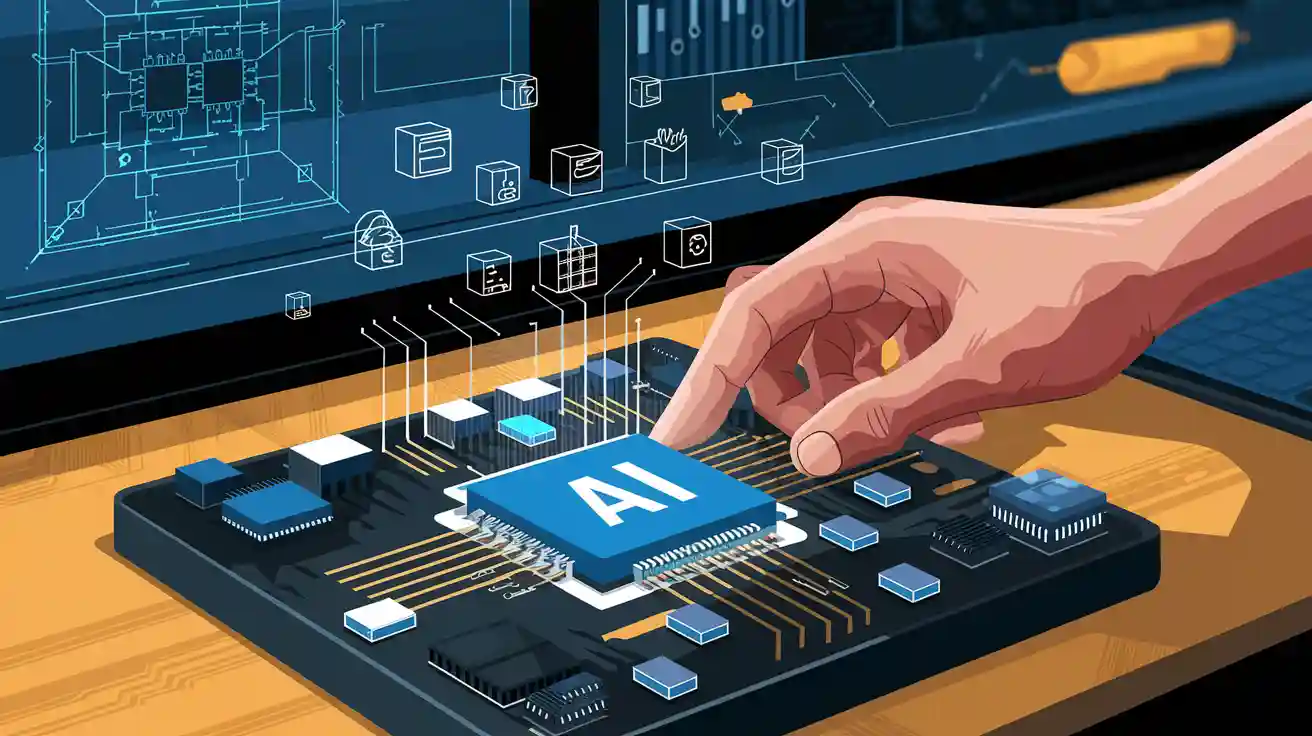
Artificial intelligence brings big changes to electronic design. AI helps with automation, makes work easier, and lowers mistakes. Designers see that artificial intelligence tools make projects faster and help stop errors. Many teams find new ways to be creative because of the ai impact on their work. Companies see the ai impact in how much they get done and how good the work is. Electronic design now uses advanced ai systems for better results.
Key Takeaways
AI makes electronic design faster by doing easy jobs. This lets engineers spend more time on creative ideas. AI tools help find mistakes early and give ways to fix them. This makes products better and helps avoid errors. People and AI work as a team. People make the creative choices. AI does the simple, repeated tasks. Learning how to use AI helps engineers stay important. It also helps them get better at their work. Using AI makes projects finish faster. It also saves money and helps teams work well together in electronic design.
AI Impact on Electronic Design
Artificial intelligence is changing how engineers design electronics. AI uses smart tools and automation to help with the design process. Teams use machine learning and special algorithms to fix hard problems. Artificial intelligence affects every part of electronic design work. Companies finish projects faster and make better systems. They also work more efficiently. The ai impact keeps growing as technology gets better.
Automation
AI helps automate electronic design. Designers used to spend a lot of time on boring tasks. Now, artificial intelligence tools do these jobs fast. For example, electronic design automation software uses ai to connect circuits and put parts in place. This change lets engineers spend more time on creative work. Automation also cuts down on mistakes and makes designing quicker. The ai impact is clear when teams finish faster and make fewer errors.
Automation in electronic design means less time on simple jobs and more time to invent new things.
Workflow Optimization
AI makes electronic design work better. Machine learning looks at old projects and helps plan new ones. Teams use ai results to make smart choices. Electronic design work becomes easier and faster. AI finds slow spots and gives ideas to fix them. Technology now lets people work together and get feedback quickly. The ai impact on workflow means projects finish sooner and teams get more done.
AI tools help put parts in the best places.
Predictive analytics show possible design problems.
Automated checks make sure rules are followed.
Error Reduction
Artificial intelligence helps lower mistakes. AI systems check electronic designs for errors before building starts. These tools find problems people might not see. The ai impact on error reduction saves time and money. Electronic design automation software finds mistakes and gives fixes. This lowers the chance of expensive do-overs. AI in electronic design helps companies make good products.
Benefit | Description |
|---|---|
Fewer Design Errors | AI finds problems early in the design process |
Cost Savings | Less fixing and fewer recalls |
Improved Reliability | Better quality electronic products |
The ai impact on electronic design keeps growing. AI brings speed, better work, and trust. As technology changes, artificial intelligence will shape the future of electronic design.
AI in Electronic Design Applications
PCB Design
PCB design is very important in new electronic projects. Engineers use ai to make designing faster and more correct. AI-powered tools help with pcb design by doing jobs like routing and putting parts in place. These tools make it much easier to fix schematics. Teams now use ai edas to check for mistakes and give better layouts. The future of pcb design looks good because ai can find problems before they start. Machine learning looks at old pcb design projects and finds patterns to help with new ones. Electronic products work better and last longer because of these changes.
PCB design teams make fewer mistakes and finish faster with ai-powered tools.
EDA Tools
EDA tools, called electronic design automation tools, changed how engineers do their jobs. AI edas add smart features to these tools. They help with fixing schematics and checking for rule breaks. AI-powered tools in eda software can work with hard electronic circuits. The design process gets easier and more correct. AI edas also help teams share work and get feedback fast. The future of pcb design will use these smart tools even more. Electronic engineers trust ai edas to save time and stop mistakes.
EDA Tool Feature | Benefit for Electronic Design |
|---|---|
Automated Checks | Fewer design errors |
Smart Suggestions | Faster pcb design cycles |
Team Collaboration | Better project outcomes |
Hybrid Interfaces
Hybrid interfaces mix human skills with ai. These systems let engineers lead the design while ai does simple jobs. Fixing schematics is easier with hybrid ways. AI edas work with designers to make pcb design better. The future of pcb design will have more hybrid interfaces, making projects faster and more creative. Machine learning helps these systems learn from each project. Technology keeps getting better, and hybrid interfaces will change electronic design.
Benefits and Challenges
Efficiency Gains
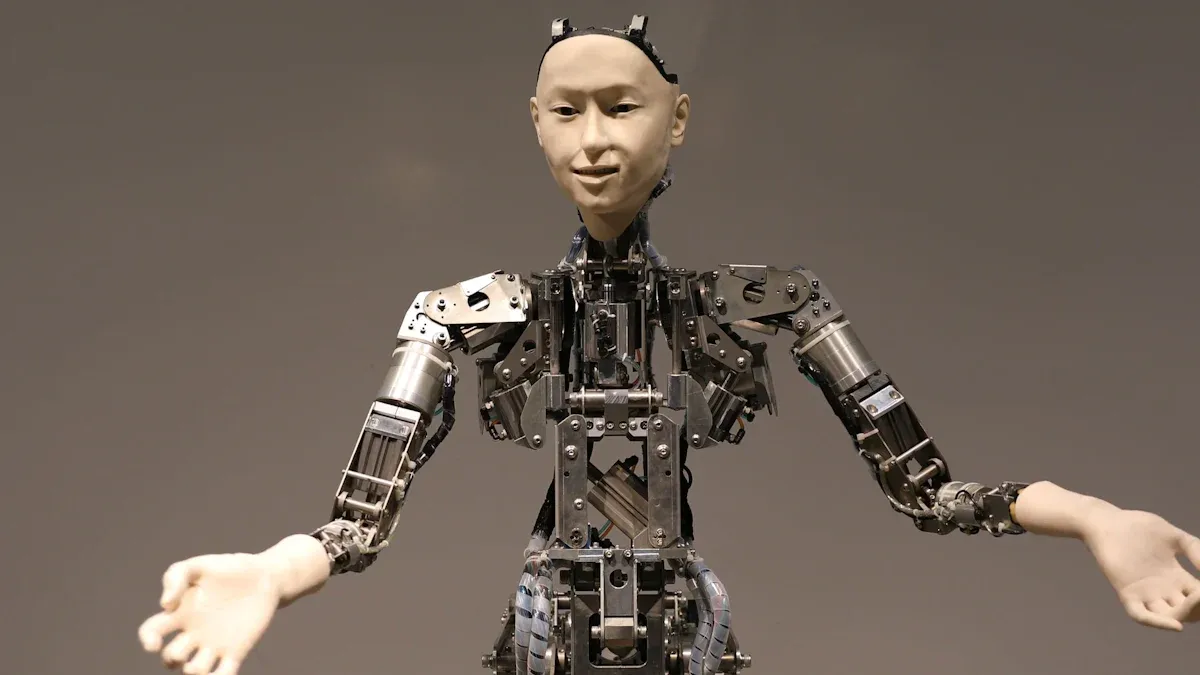
Artificial intelligence helps electronic design work go faster. Teams use artificial intelligence to finish their projects quickly. They make fewer mistakes and get better results. Electronic engineers now spend less time on easy jobs. They can focus more on creative ideas and solving problems. AI tools help make things work better and speed up the design steps. This change lets companies sell products sooner.
Many engineers say artificial intelligence helps them do their jobs better.
Cost and Productivity
Electronic design teams spend less money with artificial intelligence. Automated checks and smart tips stop costly mistakes. Companies save money by finding errors early. Teams can do more projects at the same time. Engineers feel the difference. They finish designs with less work and less worry.
Benefit | Description |
|---|---|
Lower Costs | Fewer mistakes mean less fixing |
Higher Productivity | Teams finish more projects quickly |
Job Roles
Artificial intelligence changes what engineers do in electronic design. Some jobs now need less work from people. Engineers learn new skills to use AI tools. They spend more time on hard and creative problems. Engineers get new chances to grow. Teams need people who know both electronics and artificial intelligence.
Engineers learn to use new programs.
Teams need experts in electronics and AI.
Creative thinking matters more now.
Trust and Adoption
Trust in artificial intelligence grows as teams see good results. Some engineers worry about using AI too much. They want to be sure the tools work well. Companies test new systems before using them for big jobs. More teams use AI when they see real benefits. Electronic design will keep changing as trust in artificial intelligence grows.
Teams that trust artificial intelligence often lead with new ideas.
Human Designers’ Role
Collaboration with AI
Human designers are very important in electronic projects. They work with ai systems to make pcb design better. Teams let ai do simple tasks, but people lead the creative work. Many engineers think using ai helps teams work together. They use ai to check designs, give ideas, and make reviews faster. Working together helps teams finish products quickly and with fewer mistakes.
Designers and ai team up to fix hard pcb design problems.
Creativity and Oversight
Engineers add creativity to each pcb design. They use generative ai tools to try new ideas and test layouts. These tools help teams find better ways to connect circuit parts. People still need to watch over the process. Designers look at ai ideas and make the final decisions. They make sure every pcb design is safe and meets quality rules. Teams use their skills to find problems that ai might not see.
Engineers use ai to test new pcb design styles.
Teams check each step for good quality.
People’s choices keep products safe.
Upskilling
More ai in electronic work means engineers must learn new things. Many teams give training on advanced pcb design software. They show how to use ai features and look at results. Learning new skills helps engineers keep up and lead projects. Companies like workers who know electronics and ai. Learning about generative ai tools helps designers do better in modern pcb design.
Skill Area | Benefit for Designers |
|---|---|
AI Tool Training | Faster, smarter pcb design |
Data Analysis | Better electronic solutions |
Creative Thinking | Unique, high-quality designs |
Future of Artificial Intelligence
Trends
The electronic design industry is changing quickly because of new ai trends. Many companies now use smart tools to help with design work. Machine learning helps teams find better ways to make electronic products. More engineers use cloud-based platforms to work faster. Some experts think ai will get even smarter and learn from each project. Teams hope for more automation and better design tips from these systems.
Experts say, “Teams that use new ai tools will shape the future of electronic design.”
Industry Implications
The electronic design industry is facing big changes as ai gets stronger. Companies need to update their tools and teach workers new technology. Many teams see better quality and finish work faster. Some jobs change because machines do more simple tasks. The industry now needs more people who know both electronics and ai. This change helps companies stay ahead in a fast-moving market.
Change in Industry | Impact on Teams |
|---|---|
More automation | Projects finish faster |
New skill requirements | Teams need training and new skills |
Better product quality | Fewer mistakes and recalls |
Preparing for Change
Teams in electronic design must get ready for the future. They should learn about new ai tools and how to use them well. Training helps workers keep jobs and learn new skills. Companies can hold workshops and share good ideas. Leaders should talk about the future and help teams feel ready. Being open to change helps everyone do well as technology grows.
Learn about new electronic design software.
Try using ai features in real projects.
Share tips and ideas with other teams.
AI changes electronic design by making work faster and more correct. Teams using AI tools finish projects quickly and make fewer errors. Human designers are still very important. Their ideas and skills help guide every project.
Learning new technology helps teams stay in front.
Working together and always learning will shape electronic design’s future.
FAQ
What is AI’s main benefit in electronic design?
AI speeds up design work. Teams finish projects faster and make fewer mistakes. AI tools help engineers focus on creative ideas. Companies see better products and lower costs.
How do engineers use AI in PCB design?
Engineers use AI to place parts and connect circuits. AI checks for errors and suggests better layouts. Teams trust AI to improve quality and save time.
Will AI replace human designers?
AI handles simple tasks, but human designers lead creative work. People make final decisions and check quality. Teams need both AI and skilled engineers for the best results.
What skills help engineers work with AI tools?
Engineers learn to use AI software and analyze data. Creative thinking and problem-solving matter. Training in electronics and AI helps teams stay ahead.
Are there risks in using AI for electronic design?
AI tools can make mistakes or miss details. Teams must check AI results. Trust grows as engineers test and improve these systems.