You see rapid changes in the world of artificial intelligence hardware. The pcb plays a key role in how well your systems perform. Every pcb connects and supports the main parts that drive AI. When you look at the latest pcbs used in AI, you notice new shapes, materials, and smarter designs. These changes help your systems run faster and use less power. With each new pcb, you get closer to building smarter and more reliable AI solutions.
Why PCBs Matter
AI Hardware Demands
You see that ai and machine learning need powerful hardware. Every printed circuit board in your system helps move data quickly and safely. When you use ai and machine learning, your systems must handle huge amounts of data. You need a pcb that can support fast connections and high speeds. Printed circuit boards in ai and machine learning hardware must keep up with the latest chips and memory. You want your pcb to help your system run at top performance.
Note: The right pcb design can boost the performance of ai and machine learning by making sure data flows without delay.
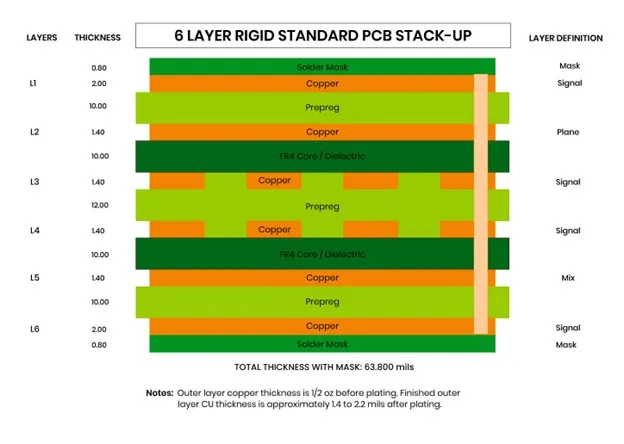
You often find that pcbs used in ai and machine learning servers have many layers. These layers help move data between the processor, memory, and storage. You need a printed circuit board that can handle this complex job.
Performance Challenges
You face many challenges when you want high performance in ai and machine learning. Your pcb must keep signals clear and strong. If your pcb does not do this, your system may lose data or slow down. You need to think about heat, too. Ai and machine learning hardware gets hot when it works hard. Your pcb must help move heat away from the parts.
You must keep the performance high even when your system runs for a long time.
You need to make sure your pcb does not let data get lost or mixed up.
You want your printed circuit boards to last a long time and work well every day.
When you choose the right pcb, you help your ai and machine learning systems reach their best performance. You make sure your data stays safe and your hardware works as it should.
Types of PCBs Used in AI
When you look at ai and machine learning hardware, you see many types of pcbs used to support fast and reliable systems. Each printed circuit board must keep signals clear and strong. You want your pcb to handle high speeds and heavy data loads. Signal integrity and reliability matter most in these advanced pcbs.
HDI and Backplanes
You often find High-Density Interconnect (HDI) pcbs in ai and machine learning servers. These advanced pcbs have fine lines and small holes. They help you fit more parts in a small space. Backplanes connect many boards together in large systems. You use backplanes to move data between processors, memory, and storage. Glass fiber cards and high-level line cards also play a big role in server racks.
Tip: HDI and backplanes help you build powerful ai and machine learning systems that need fast data flow.
Flexible and Rigid-Flex
You sometimes need pcbs that bend or fold. Flexible and rigid-flex advanced pcbs let you fit boards into tight spaces. You use them in ai and machine learning devices that need special shapes or must handle movement. These pcbs keep your connections safe even when the device moves.
Advanced Packaging Technologies
You see new ways to pack more power into smaller spaces. These advanced pcbs use special packaging to boost speed and lower heat.
System-in-Package (SiP)
You use SiP to put many chips in one small package. This helps you save space and improve data flow in ai and machine learning hardware.
Chip-on-Wafer-on-Substrate (CoWoS)
CoWoS stacks chips on a wafer and then on a substrate. You get high bandwidth and better cooling. This matters for ai and machine learning systems that need lots of power.
Flip-Chip Ball Grid Array (FCBGA)
You use FCBGA to connect chips directly to the pcb. This gives you faster signals and better heat control.
2.5D/3D Integrated Circuits (IC)
You stack chips side by side or on top of each other. This design lets you pack more power into less space. You get faster data for ai and machine learning.
Fan-Out Wafer-Level Packaging (FOWLP)
You spread out the chip connections at the wafer level. This helps you make smaller and thinner advanced pcbs.
Embedded Multi-die Interconnect Bridge (EMIB)
You use EMIB to link many chips on one pcb. This gives you high speed and strong signal integrity for ai and machine learning.
Advanced Materials
High-Speed Substrates
You need high-speed substrates when you build ai and machine learning hardware. These special materials help your pcb move data faster. You often see materials like FR-4, polyimide, and advanced glass fiber in the pcbs used for ai and machine learning. These substrates keep signals strong and clear, even at very high speeds. When you use a printed circuit board with high-speed substrates, you lower the risk of signal loss. This helps your ai and machine learning system work better.
Tip: High-speed substrates make your pcb design more reliable for fast data tasks.
You want your pcb to support the latest chips. High-speed substrates let you use smaller parts and tighter spaces. This helps you build energy-efficient pcb designs for ai and machine learning.
Thermal Solutions
You must control heat in ai and machine learning systems. When your pcb gets too hot, your hardware slows down or stops working. You can use special thermal materials to move heat away from key parts. Some pcbs use metal cores or thermal vias to help with cooling. You may also see heat sinks or special coatings added to the pcb.
Use thermal pads to protect sensitive chips.
Add copper layers to spread heat across the pcb.
Choose materials that handle high temperatures.
When you pick the right thermal solutions, your ai and machine learning hardware runs longer and stays safe. Good cooling helps your pcb last and keeps your system stable.
Miniaturization Trends
High-Density Interconnects
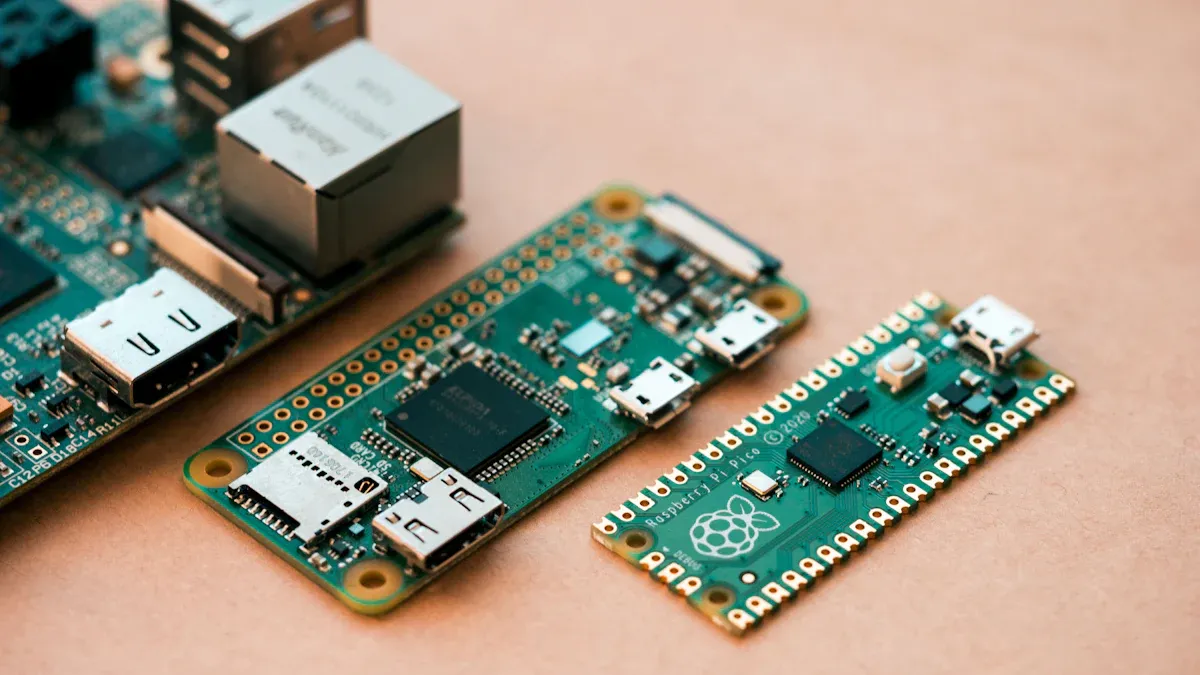
You see that modern AI hardware needs smaller and more powerful boards. High-density interconnects, or HDI, help you fit more parts into a tiny space. When you use HDI in your pcb, you can place chips closer together. This design lets you move data faster and use less power. You often find HDI in the pcbs used for AI servers and edge devices.
Note: HDI technology helps you reduce the size of your pcb while boosting its performance.
You can use microvias, fine lines, and small pads to connect layers inside your pcb. These features help you keep signals strong and clear. You also get better reliability because the short paths lower the risk of signal loss. When you choose HDI, you make your AI hardware smaller and smarter.
Multi-Layer Designs
You need multi-layer designs when your AI system gets more complex. A multi-layer pcb stacks several layers of circuits on top of each other. Each layer can carry signals, power, or ground connections. This design lets you handle more data and connect more chips.
You can use up to 20 or more layers in advanced AI hardware.
You get better signal integrity because each layer can shield and protect the signals.
You save space by stacking layers instead of spreading them out.
When you use a multi-layer pcb, you can build compact devices that still run fast and stay cool. You also make it easier to manage heat by spreading it across different layers. Multi-layer designs help you meet the high demands of AI without making your hardware bigger.
AI in PCB Design
AI-Driven Layouts
You now see AI tools changing the way you approach pcb design. With platforms like Zuken’s CADSTAR and Flux’s AI-powered eCAD, you can use advanced algorithms to create better layouts. These tools help you place and connect parts on your pcb with more speed and accuracy. You can use ai-powered place and route features to solve complex layout problems that used to take hours. This means you get higher design efficiency and fewer mistakes.
AI applications in pcb design let you test many layout options quickly. You can spot signal issues or heat problems before you build the board. This helps you avoid costly errors. You also save time because the software learns from past designs and suggests smart changes. When you use ai in pcb design, you get boards that work better and last longer.
Tip: Try using AI tools to speed up the design and optimization of pcbs for your next project.
Automated Testing
You can use AI to test your pcb designs before you make them. AI checks for errors, missing parts, or weak spots in your layout. This step helps you catch problems early. Automated testing uses advanced algorithms to scan every part of your pcb. You get fast feedback and can fix issues right away.
AI in pcb design also helps you predict how your board will work in real life. You can see if your pcb will handle heat, power, and data flow. This makes your boards safer and more reliable. Today, some tools still need human help for final checks. In the future, you may see AI handle even more tasks on its own.
Note: AI-powered testing helps you build better pcbs and reduces the risk of failure in your products.
Manufacturing Innovations
Smart Production
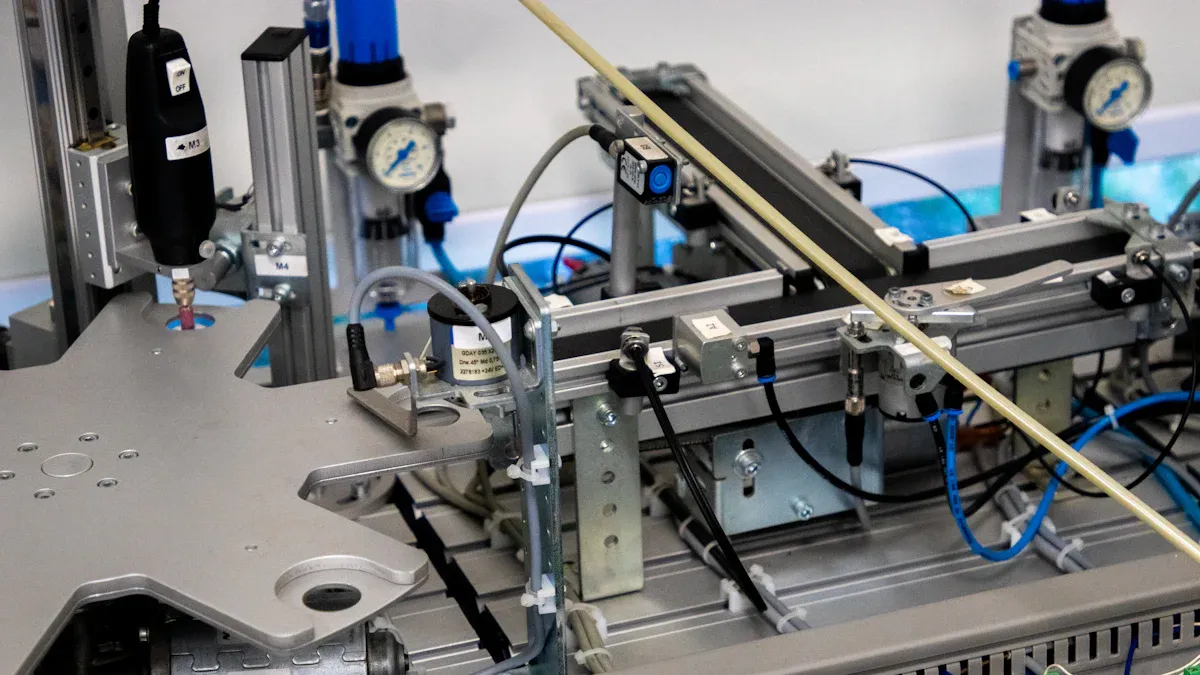
You notice big changes in making pcbs for AI. Smart production uses machines to make things faster. Robots put small parts on the pcb very carefully. Machines look at each board as it goes down the line. There are fewer mistakes because machines do the hard work.
Many electronics manufacturing services use smart sensors and data tools now. These tools watch each pcb as it gets made. You can find problems early and fix them quickly. Automation saves time and money. You get better quality because machines do the same thing every time.
Tip: Using automation in electronics manufacturing services helps you make more pcbs faster.
Smart production lets you change your process quickly. If you need a new design, machines can switch jobs fast. This helps you keep up with new AI hardware trends.
Quality Control
You want every pcb to work well in AI systems. Quality control uses machines to check each board. Machines look for tiny cracks or missing parts. You get quick feedback if something is wrong. Electronics manufacturing services use cameras and sensors to test each pcb.
You can trust machines to find problems people might miss. This keeps your AI hardware working well. Good quality control keeps your products safe and strong.
Use automated tests to check for signal problems.
Let machines measure the size and shape of each pcb.
Track every step with smart software.
When you work with electronics manufacturing services that use machines, you get pcbs that meet high standards. You help your AI projects do well with strong and safe hardware.
Top-Quality PCBs for AI
Reliability Factors
You want your AI hardware to work every time you turn it on. You need top-quality pcbs to make sure your system stays strong and safe. High-quality pcbs help you avoid problems like signal loss, overheating, or broken connections. You must look at several factors to keep your printed circuit board assembly reliable.
Material Choice: You pick strong materials for your pcb. Good materials help your board last longer and handle heat better.
Layer Count: You use more layers in your pcb assembly for complex AI tasks. More layers help you move data faster and keep signals clear.
Testing: You test every pcb before you use it. Automated machines check for cracks, missing parts, or weak spots.
Trace Width and Spacing: You make sure the lines on your pcb are wide enough and spaced well. This keeps signals strong and reduces errors.
Thermal Management: You add copper layers or thermal pads to your pcb. These features help your board stay cool during heavy use.
Note: You should always choose high-quality pcbs for AI projects. Reliable boards help you avoid downtime and keep your data safe.
You see that strong manufacturing processes also matter. You want your pcb assembly to follow strict rules and standards. This helps you get boards that work well every time.
Cost Optimization
You need to balance quality and cost when you build AI hardware. You want high-quality pcbs, but you also need to save money. You can use smart strategies to lower costs without losing reliability.
Cost Optimization Tip | How It Helps You |
|---|---|
Buy in Bulk | You save money when you order many pcbs at once. |
Standardize Designs | You use the same pcb design for different products. This lowers manufacturing costs. |
Choose Local Suppliers | You cut shipping costs and get your boards faster. |
Use Automated Assembly | Machines build your pcb assembly quickly and with fewer mistakes. |
Test Early | You find problems before you finish manufacturing. This saves money on repairs. |
You should talk with your manufacturing partners about ways to lower costs. You can ask for help with design changes or material choices. You may also use printed circuit board assembly services that offer discounts for large orders.
Tip: You can get high-quality pcbs for less if you plan your manufacturing steps carefully.
You see that cost optimization does not mean you must accept poor quality. You can use smart choices to get reliable boards and save money at the same time.
Industry Leaders
Major Manufacturers
Many companies are important in making pcb for AI hardware. These manufacturers use new ways to build strong boards. You can find South Electronics, Viasion Technology, Shennan Circuits, TTM Technologies, Unimicron Technology, MEKTEC, Flex, and HannStar Board as top names. Each company has lots of skill in pcb design and making. These manufacturers care about quality and speed. They use smart machines and careful testing. This makes sure every pcb works well in AI systems.
Here is a table that lists some big manufacturers and what they do best:
Manufacturer | Strengths in PCB Manufacturing |
|---|---|
South Electronics | Fast production, strong quality |
Viasion Technology | Flexible pcb solutions |
Shennan Circuits | High-speed pcb for AI |
TTM Technologies | Advanced multi-layer pcb |
Unimicron Technology | Reliable manufacturing processes |
MEKTEC | Innovative flexible pcb designs |
Flex | Global reach, smart manufacturing |
HannStar Board | Cost-effective pcb production |
Tip: Pick manufacturers who use the newest technology. This helps you get better pcb for your AI projects.
Key Partnerships
Partnerships help shape the future of pcb and AI manufacturing. Many manufacturers work with chip makers and software companies. These partnerships help you get boards that fit new AI hardware needs. For example, TTM Technologies works with top chip designers to make pcb faster and more reliable. Flex teams up with cloud service providers to build pcb for big data centers.
You get new ideas from these partnerships. When companies share what they know, you get pcb that work better and cost less. You also see faster changes in how boards are made. These partnerships help you keep up with AI trends and build smarter systems.
Note: Good partnerships in pcb manufacturing help you fix hard problems and reach bigger goals in AI hardware.
Future Outlook
Emerging Technologies
You will see many new technologies shaping the future of AI hardware. Quantum computing is one area that could change how you design a pcb. Quantum chips need special layouts and materials. You may also use optical interconnects in your pcb to move data with light instead of electricity. This can make your AI systems much faster.
You will notice more use of organic materials and even flexible electronics. These changes help you build lighter and smaller devices. Some companies now test 3D-printed pcb designs. This lets you create custom shapes and features for your AI projects. You can also expect to see more AI-driven tools that help you design and test your pcb faster.
Note: Staying updated with these new technologies helps you build better AI hardware.
Challenges Ahead
You will face some big challenges as you work with advanced pcb for AI. Heat management will become harder as you pack more power into smaller spaces. You must find new ways to keep your pcb cool and safe. Signal integrity will also be a problem. Faster data speeds can cause more errors if your pcb design is not perfect.
You may also see supply chain issues. Getting the right materials for your pcb can take longer. You need to plan ahead and work with trusted suppliers. As AI hardware gets more complex, you must learn new skills to design and test your pcb. Cybersecurity is another concern. You must protect your pcb from tampering or hacking.
Watch for new rules about safety and the environment.
Train your team to use the latest design tools.
Work closely with manufacturers to solve problems early.
Tip: Facing these challenges will help you grow as an AI hardware expert.
You have seen how new pcb designs, materials, and smart tools shape the future of AI hardware. Each pcb helps your system run faster and stay cool. When you choose the right pcb, you boost your AI’s power and reliability. Stay curious about the latest pcb trends. You will find that every new pcb brings you closer to smarter technology.
FAQ
What makes a pcb important for AI hardware?
You need a pcb to connect all the parts in your AI system. It helps your hardware move data fast and keeps signals clear. A good pcb supports high speeds and strong performance.
How do you choose the right pcb for AI projects?
You should look at speed, heat control, and reliability. Pick a pcb that matches your chip and memory needs. Always check if the pcb can handle your system’s power and data flow.
Can you use flexible pcb designs in AI devices?
Yes, you can use flexible pcb designs in AI devices. These pcbs fit into small or oddly shaped spaces. They help you build lighter and more compact AI hardware.
What is the role of testing in pcb manufacturing for AI?
Testing helps you find problems before you use the pcb. Automated tests check for cracks, missing parts, or weak spots. This step keeps your AI hardware safe and reliable.
How does miniaturization affect pcb design for AI?
Miniaturization lets you fit more parts on a pcb. You get smaller, faster, and more powerful AI devices. You must use careful design to keep signals strong and avoid heat problems.