Optimizing pcb design is important because pcbs are the main part of the electrical system in electric vehicles. You have special problems with automotive pcbs, like high power, small spaces, and tough heat control. Automotive rules say every pcb must be reliable, work well, and be safe for all vehicles. Using pcbs in electric vehicles helps them work better and be safer. As more people want pcbs in electric vehicles, printed circuit board technology helps change the future of cars and electric vehicles.
Note: Advanced pcb design helps you make smarter, safer, and more connected cars.
PCB Design Requirements
Thermal and Power Management
Working with automotive electric vehicles is hard. High power and small spaces make a lot of heat. This heat can hurt pcbs and important parts. You need special pcb design tricks to control heat and power. Good thermal management keeps your pcb safe. You can use thicker copper layers to help with heat. Thermal vias and heat sinks also move heat away from sensitive parts. Pick materials that can handle high voltage and current. These steps help your pcbs last longer and work better in electric vehicles.
Tip: Put hot parts far from temperature-sensitive areas. This easy step helps your pcb work better.
EMI/EMC Compliance
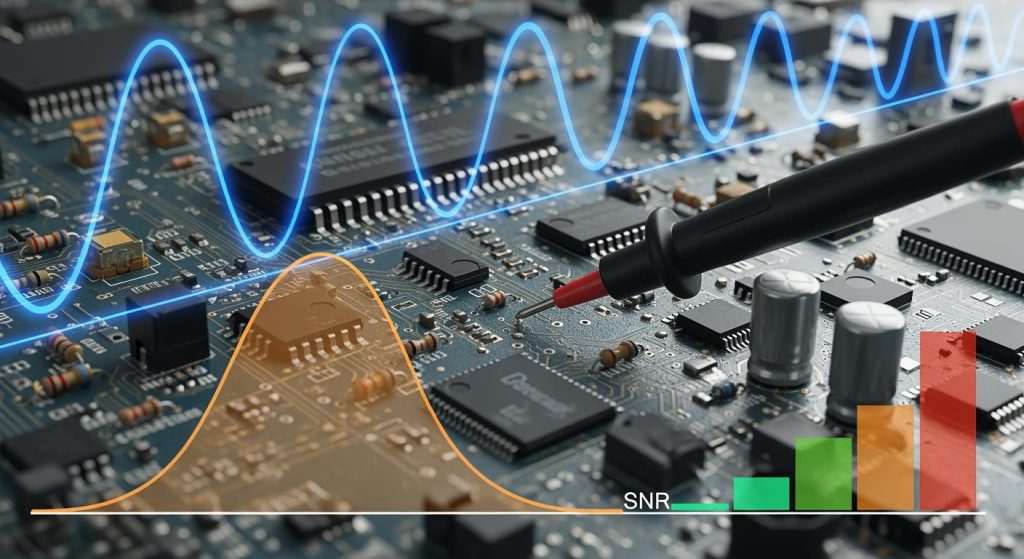
Electric vehicles need strong protection from electromagnetic interference and compatibility problems. You must design your pcb to block bad signals and stop noise. Shielding, good grounding, and careful trace routing help you meet rules. Keep high-power and low-power circuits apart to lower interference. Testing for EMI and EMC makes sure your pcbs are safe in electric vehicles.
Use ground planes to cut down noise.
Add filters to block bad signals.
Make signal traces short and straight.
High-Density Interconnect (HDI)
HDI technology is needed for modern electric vehicle pcbs. HDI lets you fit more parts into small spaces. It uses microvias, thin lines, and slim materials. You can make small pcbs with advanced features like driver help and infotainment. HDI makes signals better and lowers weight, which is good for electric vehicles. Pick HDI if you want high performance and reliability.
HDI Benefits | Impact on Automotive Electric Vehicles |
|---|---|
Smaller pcb size | Saves space for other parts |
Better signal speed | Helps fast data transfer |
Lower weight | Makes energy use better |
Automotive Standards
You must follow strict rules when you design pcbs for electric vehicles. These rules keep your pcbs safe and ready for the road. Important standards are ISO 26262 for safety, IATF 16949 for quality, IPC-6012DS for pcb performance, and AEC-Q200 for parts. Meeting these rules helps your pcbs pass tough tests and work well everywhere.
Note: Always check the newest rules before you start your pcb design. This step keeps your electric vehicles safe and follows the rules.
PCB Design Process
Making pcbs for electric vehicles needs a clear plan. You must follow each step to make good boards. Let’s look at the steps to make strong pcbs for cars.
Specification and Schematic
First, you find out what your system needs. Write down the voltage, current, and temperature limits. Make a list of features your pcb must have. This helps you not make mistakes later.
Then, you draw the schematic. This is a map that shows how parts connect. Use software to help you draw it. Check your schematic for mistakes before you go on. A good schematic helps your pcb work well.
Tip: Always check your schematic twice. Small mistakes can cause big problems later.
Layout and Optimization
After the schematic, you do the layout. Put each part on the board. Try to keep traces short and straight. This helps control heat and stops noise.
Use ground planes and power planes to help the board work better. Keep high-power and low-power parts apart. This keeps your pcb safe from interference. Make the layout fit in a small space.
Put heat-sensitive parts away from hot spots.
Use thermal vias to move heat out.
Keep signal traces straight for better data flow.
A good layout makes your pcb work better and last longer.
Prototyping and Testing
Now you build a prototype. This is a sample to test your design. Use it to see if your pcb works right.
Testing is very important. You use different ways to find problems:
Testing Method | What It Checks For |
|---|---|
Visual Inspection | Soldering and placement errors |
ICT (In-Circuit Test) | Electrical connections |
FPT (Flying Probe Test) | Open and short circuits |
AOI (Automated Optical Inspection) | Component alignment |
X-ray | Hidden solder joints |
Burn-in | Long-term reliability |
FCT (Functional Circuit Test) | Real-world performance |
Test every prototype carefully. This makes sure your pcbs meet the rules.
Manufacturing and Quality Control
When your prototype passes all tests, you start making pcbs. This includes copper printing, etching, and assembly. Each step must follow the rules for cars.
Quality control checks every pcb as it is made. Inspectors use machines and look by hand to find problems. You want every board to be the best. Good pcbs come from checking quality at every step.
Note: A strong process helps you make safe and good pcbs for cars.
Innovations in PCBs
Flexible and Rigid-Flex PCBs
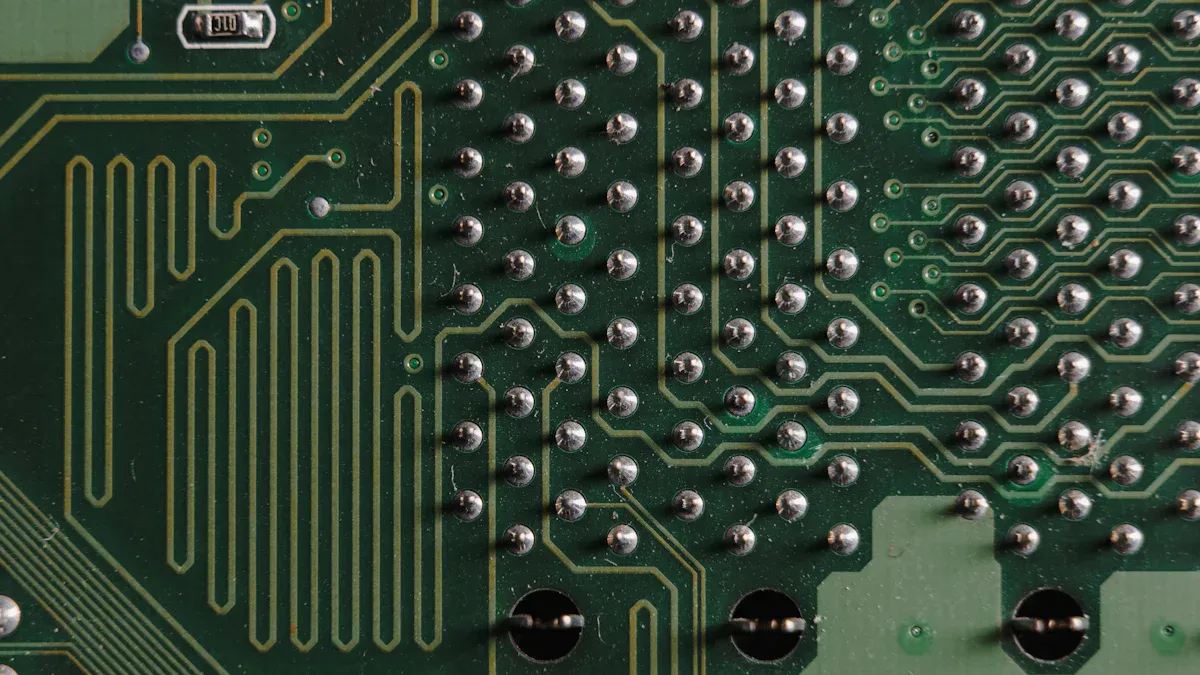
Flexible and rigid-flex PCBs help with space and weight. Flexible PCBs can bend and twist to fit small areas. Rigid-flex PCBs have hard and soft layers together. This design connects parts without extra cables or connectors. Fewer connections mean fewer places for problems. Flexible PCBs also help stop damage from shaking. Car makers use these PCBs in dashboards, battery packs, and sensors.
Tip: Use rigid-flex PCBs for moving parts or odd shapes.
High-Speed and High-Frequency PCBs
Electric vehicles need fast data sharing. High-speed and high-frequency PCBs help send signals for cameras and radar. You must follow special layout rules to keep signals strong. Short traces and controlled impedance stop signal loss. Pick materials that work well at high frequencies. These PCBs help with driver assistance and real-time talking.
Feature | Benefit for EVs |
|---|---|
Controlled impedance | Reliable data transfer |
Low signal loss | Clearer communication |
Fast switching | Better system response |
AI and Automation in PCB Design
AI and automation change how you make PCBs. Design software uses AI to suggest better layouts and find mistakes. Automation makes design and testing faster. You can spot problems early and fix them before making the board. This saves time and money. AI tools help you follow car rules more easily.
AI finds mistakes in your design.
Automation makes testing quick.
You get better boards with less work.
Eco-Friendly Materials
You can help the planet by picking eco-friendly PCB materials. Many companies use lead-free solder and recyclable bases. These choices lower pollution and waste. New materials and ways to make PCBs use less energy and make fewer emissions. By choosing green options, you help make cleaner and safer electric vehicles.
Note: Eco-friendly PCBs help you follow world rules and show you care about the planet.
PCBs in Electric Vehicles
Power and Battery Systems
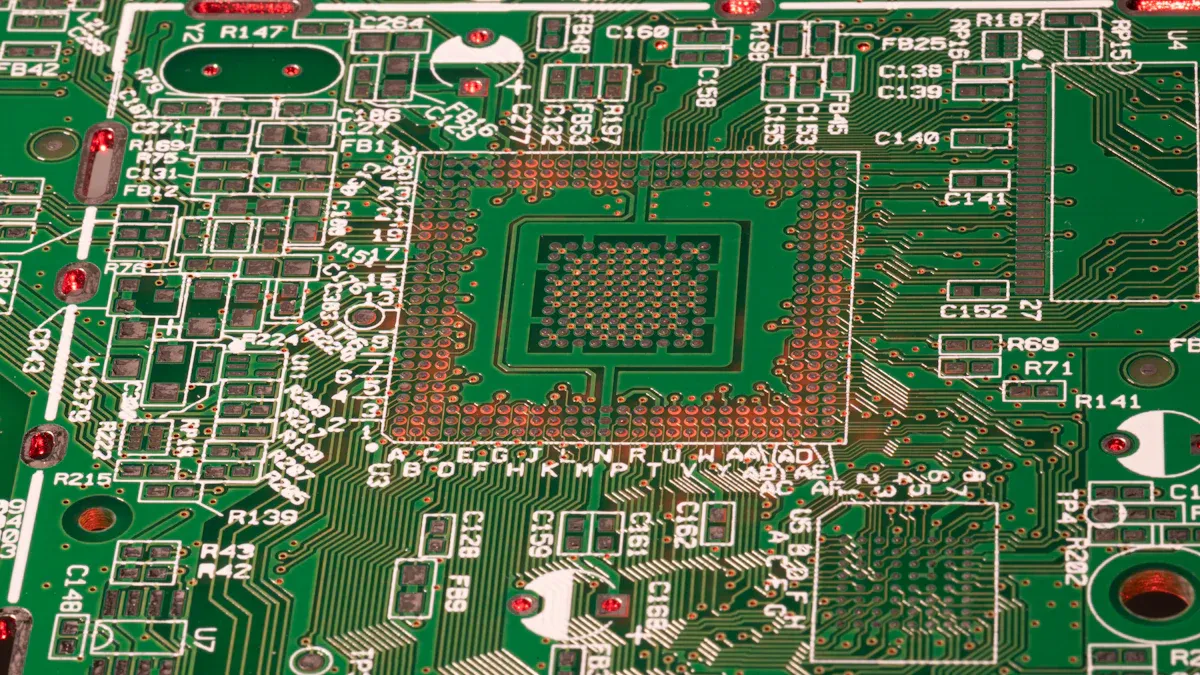
PCBs help control power and battery systems in electric vehicles. They move electricity between battery cells and other parts. PCBs connect all the electrical parts together. This is better than using old-style wires. You get safer cars and batteries last longer. Advanced PCBs help balance battery cells and watch the temperature. You can count on these boards to keep your car working well.
Tip: Pick PCBs that handle heat well to keep batteries safe.
Infotainment and Connectivity
Modern electric vehicles have smart infotainment and easy connections. PCBs make these features work. They link screens, speakers, and sensors together. Devices talk to each other quickly. Bluetooth, Wi-Fi, and GPS need advanced PCBs to work. These boards are more reliable than old wires for music and maps. PCBs also let you get updates and new apps. This makes your system work better than before.
Connectivity Feature | Benefit for Electric Vehicles |
|---|---|
Bluetooth | Hands-free calls |
Wi-Fi | Internet access |
GPS | Accurate navigation |
Driver Assistance and Safety
Electric vehicles use PCBs to help keep you safe. PCBs power cameras, radar, and sensors for driver help. These boards handle data fast so decisions happen right away. Safety parts stay connected with strong PCBs. Lane keeping, crash alerts, and emergency brakes all use these boards. PCBs are more dependable than old wires. You get fewer problems and better safety.
Charging Systems
Charging electric vehicles needs to be quick and safe. PCBs control how fast the car charges and check the voltage. They help the charger and battery talk to each other. You get safe and fast charging every time. You can see charging info on your phone or dashboard. PCBs also stop damage from power surges. Smart charging systems make electric vehicles better and safer.
Note: Use PCBs that can handle high voltage for safer charging.
Future Trends for PCB in EVs
Smart Infrastructure Integration
Electric vehicles will connect with smart infrastructure more. Charging stations and traffic lights can now talk to your car. Road sensors also send data to your vehicle. PCBs help these systems share information fast and safely. When you drive, your car gets updates from the road or charging network. This makes your trips smoother and safer. PCBs will help with wireless charging and real-time traffic alerts. These changes give you a smarter driving experience.
Tip: Pick PCBs that move data fast for better smart connections.
Evolving Standards
Automotive standards change as technology gets better. You need to follow new rules for safety, quality, and performance. Standards like ISO 26262 and AEC-Q200 change often. Always check for updates before you design your PCBs. New rules may need better heat control or stronger materials. Following the latest standards helps your PCBs work everywhere. This builds trust with customers and meets legal needs.
Standard | Focus Area |
|---|---|
ISO 26262 | Functional Safety |
IATF 16949 | Quality Systems |
IPC-6012DS | PCB Performance |
AEC-Q200 | Component Testing |
Supply Chain and Scalability
Getting PCB parts and making enough boards is a challenge. Supply chains must be strong and flexible. You can work with more suppliers or use local sources to avoid delays. Automation helps you make more PCBs quickly. Planning for growth keeps costs low and meets demand. These steps help you grow in electric vehicles and stay ahead in the market.
Note: Work closely with suppliers to keep PCB production steady.
You can make PCB design better for intelligent connected EVs by working on heat control, stopping interference, and fitting many parts in small spaces. Always follow the rules for cars and check each board to make sure it is good quality.
New materials and design tools help change how EVs are made.
Keep learning about new rules and technology. When you learn more, your EVs stay safe, work well, and are ready for the future.
FAQ
What materials should you choose for EV PCBs?
Pick materials that can take high heat and voltage. FR-4, polyimide, and ceramic substrates are good choices. These materials make electric vehicles safer and more reliable.
How do you reduce EMI in automotive PCBs?
Use ground planes and shielding to block bad signals. Make signal traces short to stop noise. Keep high-power and low-power circuits away from each other. These steps lower electromagnetic interference and help you follow car rules.
Why do you need HDI technology in EV PCBs?
HDI technology helps you fit more parts in small spaces. You get faster signals and lighter boards. This makes electric vehicles work better and save energy.
How often should you update your PCB design to meet new standards?
Update Frequency | Reason |
|---|---|
Every project | Rules change quickly |
Annually | Stay up to date |
Check for new rules before you start each design. This keeps your PCBs safe and legal.