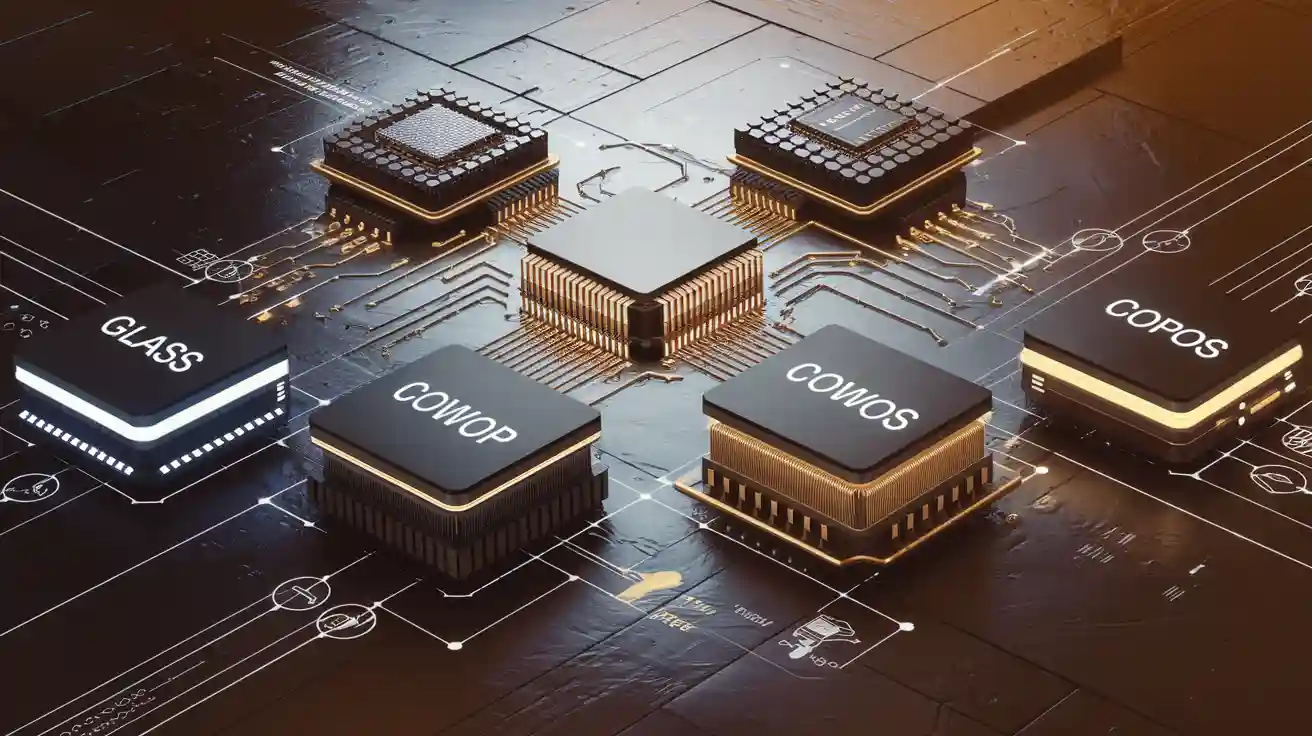
You have to pick the best packaging technology for your chips. The semiconductor industry now has new solutions like glass, CoWoP, CoWoS, and CoPoS. Each one has its own way to connect parts and gives special performance benefits. Glass substrates help with advanced packaging and make signals move faster. The semiconductor industry works on better ways to put parts together to meet the world’s needs. Technology is changing to use more chips and save money. Your choice changes how chips link with PCBs in the semiconductor industry.
Technology Basics
Glass Substrates
Glass is changing how chips are made. Glass core substrates help signals move faster. They also help use less power. Glass gives a flat and strong base for chips. You can fit more connections in a small area with glass. High-performance chips use glass core substrates. Glass helps technology work faster and stay cool. Glass substrates are used in fan-out wafer level packaging and foplp. Glass helps solve problems in advanced chip packaging.
Tip: Glass core substrates let you fit more parts and get better performance in advanced packaging.
CoWoS Overview
CoWoS is used for big chips in advanced packaging. It stacks chips on a wafer, then puts them on a substrate. CoWoS connects memory and logic chips together. You see CoWoS in servers and AI chips. CoWoS gives more speed and uses less power. It is used for large bandwidth in advanced packaging. CoWoS works with glass substrates and foplp. CoWoS is important for new chip packaging.
CoPoS and CoWoP
CoPoS is used for advanced chip packaging. It puts chips on a big panel, then connects them to a substrate. CoPoS helps save money and makes scaling easier. It works with glass core substrates and foplp. CoWoP is used for fan-out wafer level packaging and fowlp. CoWoP connects chips to a PCB with new technology. The industry uses CoWoP for flexible and scalable packaging. CoPoS and CoWoP help you pick the best technology for your chips.
Structure Comparison
Substrate Materials
It is important to know what makes each technology special. The substrate is the base for your chips. In panel-level packaging, you have many options. Glass core substrates are popular because they are flat and strong. Glass gives a smooth surface for circuits. You can use glass to fit more circuits in a small space. This helps chips work faster. Glass also helps with heat and power use.
CoWoS uses silicon or organic substrates. CoWoS is used in many chip designs. It supports chip-on-wafer-on-substrate setups. CoPoS and CoWoP use panel-level packaging to save money. They also make bigger panels. CoPoS often uses glass core substrates. CoWoP can use glass or organic materials.
Note: Glass core substrates help signals move faster and use less power in advanced packaging.
Interposer and Panel Differences
You should see how each technology connects chips. CoWoS uses an interposer. The interposer goes between the chip and the substrate. It helps connect memory and logic chips. CoWoS uses silicon interposers for fast links.
Panel-level packaging is different. CoPoS and CoWoP use big panels instead of wafers. You can put more chips on a panel. This saves money and helps make more chips. CoPoS, or chip-on-panel-on-substrate, uses glass core substrates for better results. CoWoP uses panel-level packaging to connect chips right to the substrate.
CoWoS: Uses silicon interposer, good for fast chips.
CoPoS: Uses glass core substrates and big panels, great for panel-level packaging.
CoWoP: Uses panel-level packaging, connects chips without a silicon interposer.
Panel-level packaging lets you make more chips at once. You get better results and lower cost. Glass, CoWoS, CoPoS, and CoWoP all help with new chip designs.
Performance and Chips
Signal and Power
You want your chips to move data fast and use less power. The right packaging technology helps you reach these goals. Glass substrates give you a flat surface, so signals travel with less loss. This helps your chips work better in the semiconductor world. CoWoS uses a silicon interposer, which keeps signals strong between memory and logic chips. You see this in high-performance computing, where every bit of speed matters.
CoPoS and CoWoP use panel-level integration. You can fit more chips on a single panel, which boosts system-level integration. This setup helps you save space and improve power efficiency. The 2.5d/3d stacking technique lets you stack chips close together. This shortens the path for signals and lowers power use. You get better performance and efficiency for your semiconductor products.
Note: Good integration means your chips talk to each other faster and use less energy.
Thermal and Reliability
Heat can slow down your chips or even damage them. You need packaging that helps remove heat fast. Glass substrates spread heat well, so your chips stay cool. This keeps your semiconductor devices working longer. CoWoS also helps with heat because the silicon interposer moves heat away from busy chips.
CoPoS and CoWoP use big panels, which let you spread out chips. This makes it easier to manage heat. You get better reliability because your chips do not get too hot. Good integration also means fewer weak spots, so your semiconductor products last longer. You want your chips to work well for years, and the right packaging helps you reach that goal.
Glass: Spreads heat and keeps chips stable.
CoWoS: Moves heat away from key chips.
CoPoS/CoWoP: Uses panel space to manage heat and boost reliability.
Cost and Manufacturing
Process Complexity
You need to look at how complex each packaging process is before you choose the right one. Glass substrates use new methods that need special tools. You must handle glass with care because it can break. This makes the packaging process harder and sometimes slower. CoWoS uses a silicon interposer, which adds extra steps. You must stack chips and connect them with fine lines. This makes the packaging process more detailed and costly.
CoPoS and CoWoP use panel-level packaging. You can work with bigger panels, so you make more chips at once. This helps you save time. The process for panel-level packaging is less complex than stacking with interposers. You do not need as many steps. You can use glass or organic panels, which makes the process flexible.
Tip: If you want a simple process, panel-level packaging like CoPoS or CoWoP can help you finish faster.
Scalability
You want your packaging to grow with your needs. Glass substrates let you fit more connections in a small space. This helps you make high-performance chips. You can scale up your designs as chip needs grow. CoWoS works well for big, powerful chips, but the process does not scale as easily. You must use wafers and interposers, which limits how many chips you can make at once.
CoPoS and CoWoP shine when you need to make many chips. Panel-level packaging lets you use large panels. You can make more chips in each batch. This lowers your cost and helps you meet big orders. You get more flexibility with panel-level packaging. You can change panel size or material to fit your project.
Glass: Good for high-density, high-performance packaging.
CoWoS: Best for top-end chips, but less scalable.
CoPoS/CoWoP: Great for mass production and flexible packaging needs.
Note: If you plan to grow your chip business, panel-level packaging gives you the best path for scaling up.
PCB Impact
Design Flexibility
You want your PCB designs to change as tech grows. Panel-level packaging gives you more choices than old ways. You can use big panels to hold many chips together. This helps you change your PCB’s size and shape easily. Glass as a substrate makes your circuits smaller and adds more links. You can use foplp and fowlp for cool layouts. These ways help you put more features on your board.
Panel-level packaging works for simple and hard designs. You can pick different panel sizes for each job. This makes it easy to change your design for new chips. Foplp and glass substrates help you build tight circuits. You get better speed and more ways to design.
Tip: Panel-level packaging helps you keep up with new chip styles and design changes.
Assembly Needs
You need to think about how easy it is to put chips on the PCB. Panel-level packaging makes building faster and easier. You can place many chips on one panel, which saves time. This way also cuts down on mistakes when you build. Glass substrates help keep the panel flat, so you get better links.
Panel-level packaging works well with both foplp and fowlp. You can use these ways to make building smoother. The process is good for making lots of boards. You get better speed and lower costs. You do not need as many steps as old ways. This makes your assembly line work better.
Packaging Type | Assembly Speed | Design Flexibility | Efficiency |
|---|---|---|---|
Panel-level packaging | High | High | High |
Traditional packaging | Low | Low | Low |
Note: Panel-level packaging gives you the best mix of speed, flexibility, and efficiency for today’s PCBs.
Glass vs CoWoP vs CoWoS vs CoPoS
Key Differences
It is important to see what makes each technology special. CoWoS uses a silicon interposer to link advanced chips. This gives strong chip connections and fast speed. CoPoS uses big panels in panel-level packaging. You can make more chips at once and spend less money. CoWoP also uses panel-level packaging but does not use a silicon interposer. This makes the process easier and quicker. Glass substrates give a flat and strong base for advanced packaging. You get better signals and more links in small spaces.
Here is a table to help you compare the main features:
Technology | Structure | Performance | Cost | PCB Impact |
|---|---|---|---|---|
CoWoS | Silicon interposer, wafer-based | High for advanced chips | High | Good for high-end boards |
CoPoS | Panel-level, glass substrate | High, scalable | Lower | Flexible, supports many chips |
CoWoP | Panel-level, no interposer | Good, simple | Lower | Easy assembly, flexible design |
Glass | Flat, strong substrate | High for advanced packaging | Medium | Supports tight layouts |
Tip: CoWoS gives top speed for advanced chips, but CoPoS and CoWoP help you make more chips and save money.
Application Fit
You need to pick the right packaging for your job. If you use high-end chips, CoWoS gives the best speed and chip links. CoPoS is good when you want to make many chips and spend less. CoWoP works well for simple designs and quick builds. Glass substrates help you get high performance and connect many chips together.
The industry first used CoWoS for strong chip links. Now, more people use CoPoS and CoWoP for bigger batches and lower cost. Glass substrates are important in this change. You get more ways to connect and package chips as technology grows.
Note: Pick the best technology by thinking about your chip needs, your budget, and how much you want to connect your chips.
Challenges and Opportunities
Technical Barriers
There are many problems when making advanced packaging for chips. Glass substrates can break during the making process. You need special tools to work with glass. CoWoS uses a silicon interposer, which adds more steps. This makes it harder to put chips together. CoPoS and CoWoP use big panels, but you must keep them flat and clean. If not, the chips might not work right.
The semiconductor industry also has trouble with yield. Sometimes, many chips on a panel do not pass tests. This means fewer good chips and higher costs. You must keep dust and heat away during production. The world wants more chips, but these problems slow things down. Workers need training to use new machines for advanced packaging. Using new materials like glass brings even more problems.
Note: The semiconductor industry must fix these problems to keep up with the world’s chip needs.
Future Trends
Big changes are coming soon in the semiconductor industry. The world wants faster and smaller chips. Advanced packaging will help reach these goals. You will use more glass substrates for better results. Putting chips together will get easier with new tools. The semiconductor industry will use more machines to speed up work.
AI and high-performance chips need advanced packaging. You will see more CoWoS and CoPoS in data centers and smart devices. The world will use more of these technologies as the market grows. You will find new ways to connect chips and control heat. The semiconductor industry will keep finding better ways to build and connect chips.
Advanced packaging will help make better AI chips.
The world will need more skilled workers for chips.
The semiconductor industry will use new materials for better chip building.
Tip: Watch for new trends in the semiconductor industry to stay ahead in the world chip market.
Choosing the Right Technology
High-Performance Chips
You want your chips to be fast and do big jobs. Every year, the semiconductor industry makes new solutions. If you use high-end chips, you need advanced packaging. CoWoS is great for this. It links memory and logic chips well. CoWoS uses a silicon interposer. This helps chips share data quickly. The semiconductor industry uses CoWoS for AI, servers, and data centers.
Glass substrates help you reach tough goals too. You can fit more links in a small space. This lets your chips move data faster. Glass packaging helps control heat better. Your chips stay cool and work well. The semiconductor industry uses these ways for top chip speed.
Tip: For the fastest chips, pick advanced packaging like CoWoS or glass substrates. These choices give you speed and strong chip links.
Cost-Sensitive Uses
Sometimes you need to save money when making chips. The semiconductor industry looks for cheaper ways to build chips. CoPoS and panel-level packaging help lower costs. You can make many chips at once. This uses big panels and sometimes glass substrates. You get good chip links without spending a lot.
CoWoP also helps you save money. You do not need a silicon interposer. The process is easy and quick. The semiconductor industry uses these ways for electronics and other cheap products. You still get good features and keep costs down.
Technology | Best For | Cost Level | Integration Level |
|---|---|---|---|
CoWoS | High-performance chips | High | Advanced |
CoPoS | Mass production | Low | Advanced |
CoWoP | Simple, fast builds | Low | Good |
Glass Substrate | Advanced integration | Medium | Advanced |
Note: If you want to save money and still get good features, try CoPoS, CoWoP, or glass substrates. The semiconductor industry uses these for many kinds of chips.
You can see how advanced packaging changes chips for the future. CoWoS is best when you need very fast chips. CoPoS and CoWoP help make more chips for less money. The semiconductor industry uses these new ways to meet what people want. When you pick packaging, think about what your chip does, how much it costs, and what you might need later. The semiconductor industry will keep making new and better ideas.
FAQ
What is the main benefit of using glass substrates?
Glass substrates give you a flat and strong base. You get better signal speed and more connections in a small space. This helps your chips work faster and stay cool.
How does CoWoS differ from CoPoS?
CoWoS uses a silicon interposer to connect chips. You get high speed and strong links. CoPoS uses large panels and glass substrates. You can make more chips at once and lower your costs.
Can you use panel-level packaging for high-performance chips?
Yes, you can use panel-level packaging for high-performance chips. You get good speed and can make many chips at once. This method also helps you save money.
Why do companies choose CoWoP for some products?
Companies choose CoWoP when they want simple and fast builds. You do not need a silicon interposer. This makes the process easier and lowers the cost.
What should you consider when picking a packaging technology?
You should look at your chip’s needs, your budget, and how many chips you want to make. Think about speed, cost, and how you want to connect your chips.