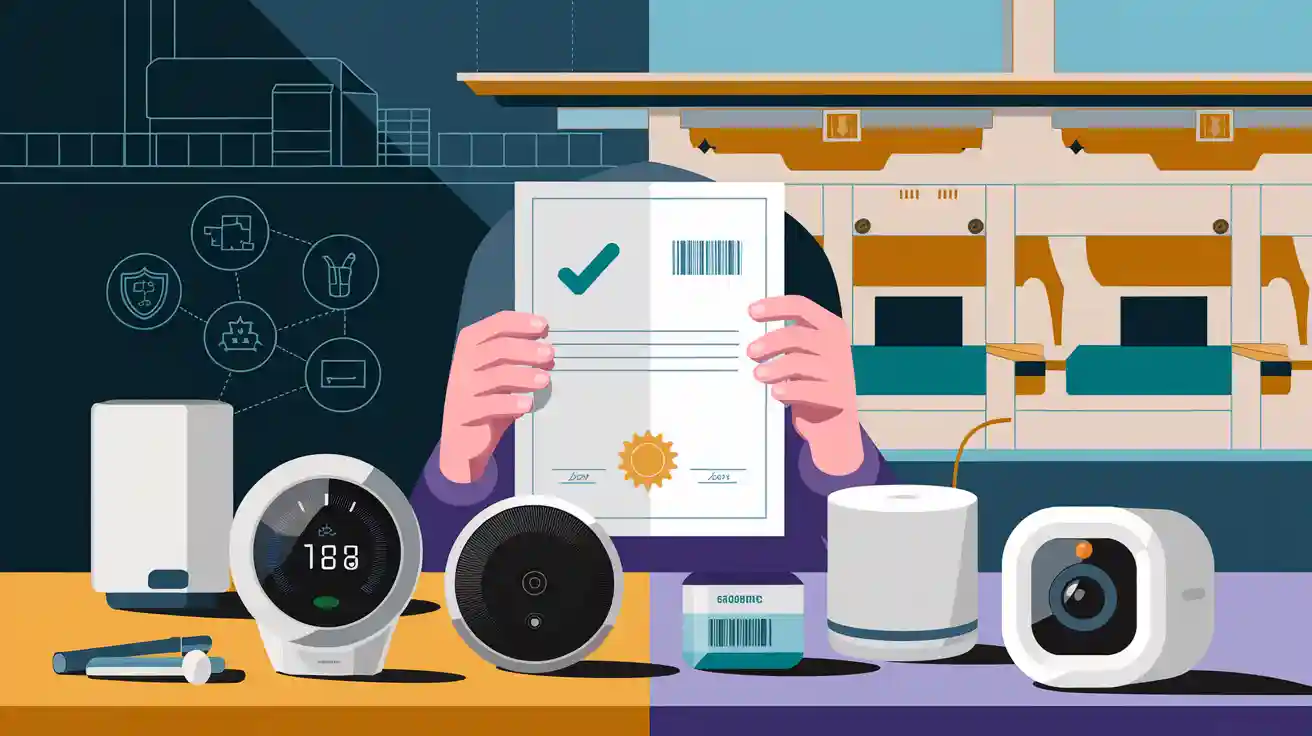
Certification standards are very important for smart home devices. They make sure electronic devices are safe and work well. Certification keeps users safe and helps home automation. It makes products safer and more trustworthy. Makers of electronic devices must follow these rules. This helps them sell products and keep trust. Technology changes over time. New certification and cybersecurity rules come up. More home automation means stronger certification standards are needed for all devices.
Why Certification Standards Matter
Safety and Reliability
Certification standards are important for smart home device safety. These rules help stop accidents like fires or shocks. When companies follow these rules, devices are safer. Certification checks if devices work the way they should. Safe and reliable devices protect people and homes. Many consumer iot devices need strong safety tests before selling. These standards help families feel safe by making sure products are safe.
Note: Safety means more than just stopping harm. It also means devices work well every day.
Compliance and Market Access
Companies must follow rules to sell devices in different places. Certification shows that smart home devices follow these rules. Each country can have its own rules and standards. Without certification, companies cannot sell in many places. These rules cover things like radio signals, energy use, and the environment. Certification helps companies sell in new places and find more buyers.
Certification helps:
Follow the law
Avoid getting fined
Sell products around the world
Consumer Trust
People want to feel safe using consumer iot devices. Certification helps people trust that devices are safe. When people see a certification mark, they know the device passed safety tests. Trust grows when companies follow these rules. This trust helps brands get more customers. In smart home devices, trust is as important as the technology.
Key Smart Home Product Certification Standards
FCC Certification
The Federal Communications Commission, or FCC, makes rules for electronics in the U.S. Smart home devices that use radio waves, like Wi-Fi or Bluetooth, must get FCC certification. This checks if devices work well with other electronics. It also makes sure they do not cause problems with signals. The FCC tests for safety and how radio waves are used. Many smart home products need FCC approval before being sold. If you see an FCC label, it means the product passed these tests. The FCC helps keep people safe and keeps signals clear. FCC certification is very important for electronics in the U.S.
CE Marking
CE marking is needed for electronics sold in Europe. The CE mark shows a product meets EU rules. These rules cover safety, health, and the environment. CE marking also checks if devices work well with other electronics. Many smart home devices need CE certification to be sold in Europe. The CE mark helps buyers know the product follows strict rules. CE marking is a big part of electronics in Europe. It also covers RoHS and WEEE rules. CE certification helps companies sell to more people in the EU.
UL and CSA
UL stands for Underwriters Laboratories. CSA means Canadian Standards Association. Both groups test electronics for safety. UL and CSA check if products can cause fires or shocks. They also test if devices work well with other electronics. Many smart home devices need UL certification to be sold in North America. UL marks show a product passed hard safety tests. CSA certification is important for Canada. Both UL and CSA are important for electronics. These marks help people trust that devices are safe.
Tip: Look for UL or CSA marks on smart home devices to know they passed safety tests.
RoHS and WEEE
RoHS means Restriction of Hazardous Substances. This rule limits dangerous materials in electronics. RoHS helps keep people and the planet safe. Many smart home devices must meet RoHS rules before being sold. RoHS is important in Europe and other places. WEEE stands for Waste Electrical and Electronic Equipment. WEEE rules make companies collect and recycle old devices. WEEE helps cut down on pollution and waste. Both RoHS and WEEE are important for smart home products. They help companies follow environmental rules and protect the earth.
Standard | What It Covers | Why It Matters |
|---|---|---|
RoHS | Restriction of hazardous substances | Protects health and environment |
WEEE | Recycling and disposal of electronics | Reduces pollution and waste |
EN 303 645 Cybersecurity
EN 303 645 is a new rule for iot device security specification. It sets rules to keep smart home devices safe from hackers. EN 303 645 checks if devices have strong passwords and safe updates. This rule is part of electronics in Europe. It helps companies make safer products. EN 303 645 is a main cybersecurity rule for smart home devices. Many countries now want this certification to keep people safe. EN 303 645 also helps devices work well together.
PSA Certified and SESIP
PSA Certified and SESIP are new ways to check iot device security specification. PSA Certified looks at the hardware and software of smart home devices. SESIP stands for Security Evaluation Standard for IoT Platforms. Both help companies show their devices are safe from hackers. These certifications are important for electronics. PSA Certified and SESIP focus on strong security. They help companies follow new rules for iot device security specification. These marks show a device passed hard safety and cybersecurity tests.
Energy Star and Voluntary Marks
Energy Star is a special mark for energy-saving electronics. Many smart home products use Energy Star to show they use less power. This mark helps buyers pick products that save money and help the planet. Other marks also check for safety and the environment. These marks are not required, but they help companies stand out. Energy Star and other marks are part of electronics. They show a company cares about safety, energy use, and the earth.
Note: Voluntary marks like Energy Star can help smart home devices earn trust and meet environmental goals.
Communication Protocols and Interoperability

Smart home devices must connect to each other. This helps home automation work better. Different communication protocols let devices share information. If devices use the same protocol, they work together easily. This makes smart home technologies simpler for everyone.
Matter Standard
Matter is a new standard for home automation. Many large companies support Matter. This standard lets devices from different brands work together. Matter uses strong security and is easy to set up. People can add new devices without problems. Matter works with lights, locks, and thermostats. Matter’s goal is to make smart homes safer and easier for all.
Tip: Matter helps people set up smart home devices from different brands.
Zigbee, Z-Wave, Thread
Zigbee, Z-Wave, and Thread are popular wireless protocols. Zigbee uses little power and works with many devices. Z-Wave also saves power and has a long range. Thread is newer and gives fast, safe connections. These protocols help sensors, switches, and alarms talk to each other. Each protocol has special strengths. Some hubs use more than one protocol for flexible home automation.
Protocol | Power Use | Range | Main Use |
|---|---|---|---|
Zigbee | Low | Medium | Sensors, lights |
Z-Wave | Low | Long | Locks, alarms |
Thread | Low | Medium | New smart devices |
Wi-Fi, Bluetooth, Ethernet
Wi-Fi, Bluetooth, and Ethernet are common connection types. Wi-Fi gives fast internet to cameras and speakers. Bluetooth works for short distances, like locks or speakers. Ethernet uses cables for a strong, steady connection. Many home automation systems use all these protocols. This keeps devices connected and working well. People can control smart home technologies from anywhere with these connections.
Certification Process for Smart Home Devices
The certification process checks if smart home devices are safe. Each step makes sure products follow rules like ul, ce, and fcc. This helps keep users safe and lets companies sell in more places.
Testing and Evaluation
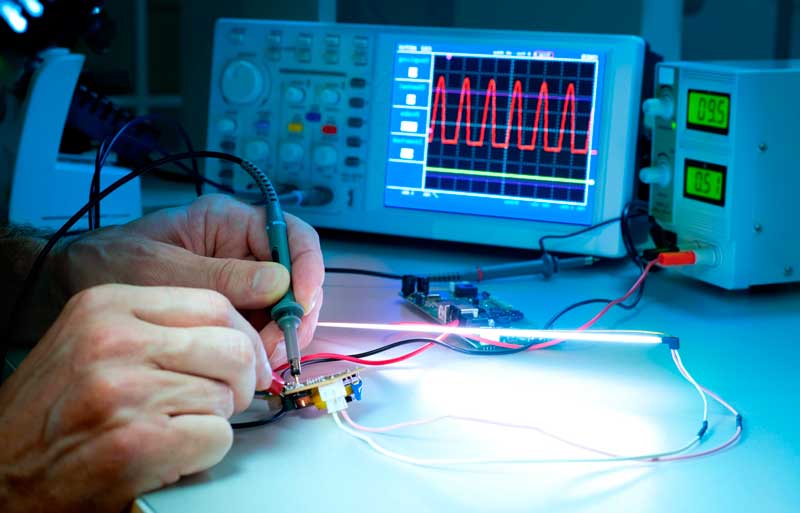
Manufacturers begin by testing their devices. They send them to labs for many tests. Labs use strict rules to check safety, emc, and how well devices work. emc testing checks how devices handle electrical noise and signals. Labs also look for fire safety, shock risk, and energy use. ul labs focus on fire and shock safety. emc testing is needed for fcc approval. Some labs test for both emc and ul at once. Testing rules can change for each product type. Labs also check if devices meet ce rules for Europe. Good testing finds problems early and makes safer products.
Note: emc testing is needed for all smart home devices. It helps stop signal problems and keeps devices working together.
Documentation
After testing, companies must make documents. These papers show how the device passed emc, ul, and other tests. Documents include test reports, user guides, and safety steps. Some reports explain how the device meets ce and fcc rules. Good records help companies prove they did the right steps. Certification groups need these papers to give approval. Clear paperwork makes the process faster.
Working with Certification Bodies
Certification groups like ul, ce, and fcc check the test results and papers. They see if the device meets all emc and safety rules. These groups use their own rules to decide if a product gets a mark. The ul mark shows a device passed hard safety tests. The ce mark means the product meets European rules. The fcc mark is for radio and emc rules in the U.S. Companies work with these groups to fix any problems. When a device passes, it gets a certification mark. These marks help buyers trust the product.
Tip: Always look for ul, ce, and fcc marks on smart home devices before buying.
Compliance Challenges and Best Practices
Common Pitfalls
Many companies have trouble with compliance steps. They sometimes do not check every rule for each country. Some teams forget about new safety or cybersecurity standards. Others skip testing their products in the right labs, like ul labs. If they lose papers or use old test reports, it can slow things down. Some companies use the wrong ul mark or put it in the wrong place. These mistakes can stop a product from being sold.
Tip: Always check the newest rules and use the right ul mark for each product.
Staying Updated
Rules for smart home devices change a lot. New safety and cybersecurity standards come out every year. Manufacturers must watch for updates from groups like ul and the government. They can join industry groups or get newsletters. Many companies use checklists to follow changes. Some teams work with experts who know the newest rules. Staying updated helps companies avoid big mistakes.
Source | What It Offers |
|---|---|
ul | Safety updates |
Industry News | New standards |
Government | Rule changes |
Tips for Manufacturers
Manufacturers can use best practices to make compliance easier:
Start the ul process early when designing products.
Keep good records of all tests and reports.
Teach staff about new safety and cybersecurity rules.
Use trusted labs, like ul, for testing.
Check all product labels before shipping.
These steps help companies avoid delays and build trust with buyers. Good planning and teamwork make compliance easier.
Smart home device makers should know certification standards early. Planning for compliance helps sell in more places. It also helps buyers trust the products. Taking action makes devices safer and better. Teams who learn new rules do well in the industry.
Learning about changing standards helps companies do well. It also helps keep users safe. Manufacturers need to keep learning and change with new rules.
FAQ
What does a certification mark mean on a smart home device?
A certification mark means the device passed safety tests. It shows the product meets important rules. Buyers know the device is safe and good quality. Companies use these marks to build trust. The marks also show they follow the rules.
How often do certification standards change?
Certification standards change every few years. Technology gets better quickly, so new rules come up often. Manufacturers must check updates from groups like UL and FCC. This helps keep products safe and legal.
Can a device have more than one certification?
Yes, smart home devices can have more than one certification. A product might show UL, CE, and FCC marks. Each mark covers different safety or radio signal rules. Some marks check for environmental impact too.
Why do some devices need cybersecurity certification?
Cybersecurity certification helps protect devices from hackers. Standards like EN 303 645 check for strong passwords. They also look for safe updates. These rules help keep homes and personal data safe.
What happens if a product fails certification tests?
If a product fails, the company must fix the problems. They need to test the device again. Products cannot be sold until they pass all tests. Certification stops unsafe devices from reaching buyers.