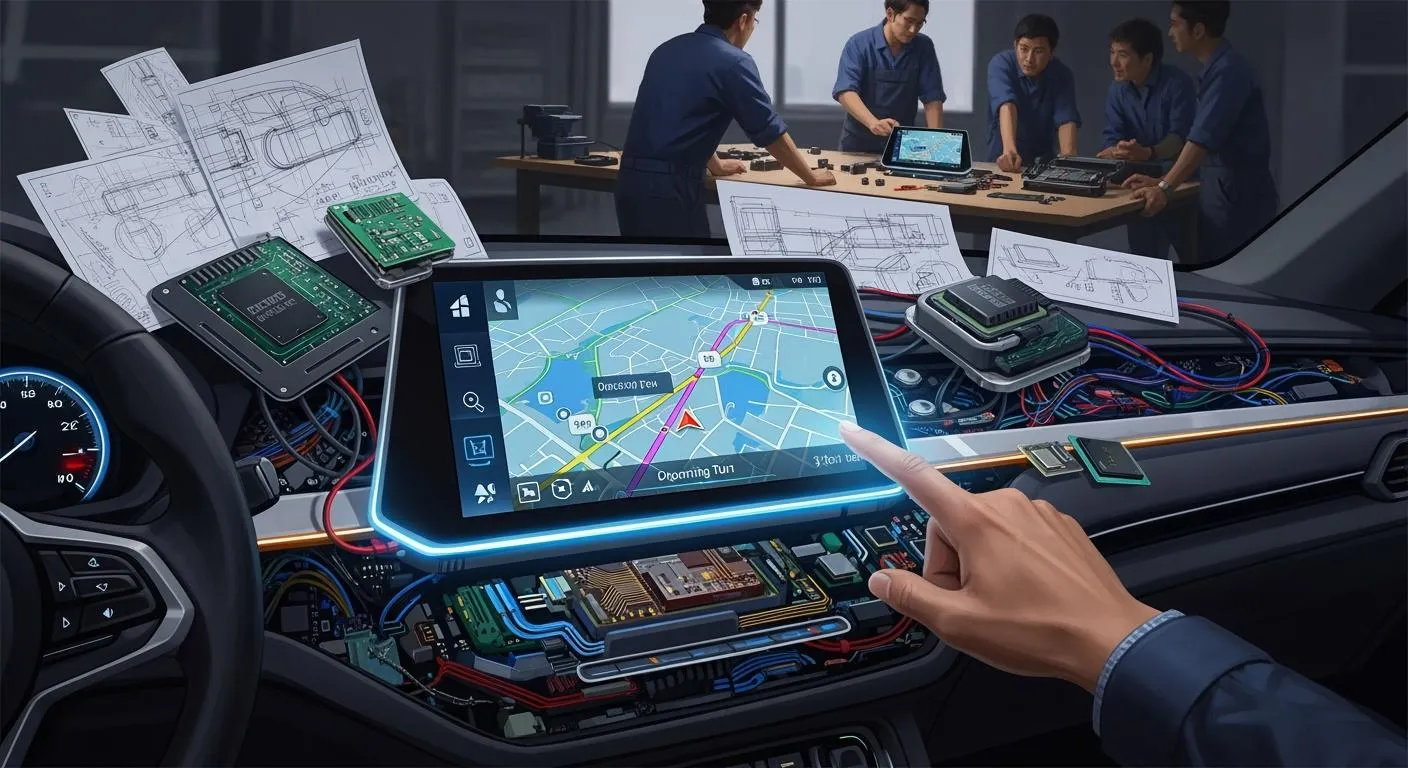
Imagine you are driving when there is a lot of traffic. You want to get to your destination fast and safe. In-car navigation systems help you with this using smart technology. These systems give you easy directions and tell you about road changes. You see warnings for speed limits and safety tips. The technology helps you obey traffic rules and stay calm. You have fewer distractions because the system leads you through busy roads. In-car navigation systems work with automotive electronics in cars. Makers use the newest technology to make these systems work well. You get real-time information and smart tools that help keep you safe.
In-car navigation systems:
Help you follow traffic rules and stop accidents.
Give you news about road dangers.
Work with technology like ADAS for more safety.
Use the latest technology for better driving.
Key Takeaways
In-car navigation systems make driving safer. They give real-time traffic updates and directions. This helps drivers follow traffic rules.
These systems work with automotive electronics. You can use maps, music, and calls easily. This makes driving more fun and less distracting.
AI is very important for navigation systems. It helps find better routes and makes the user interface easier. AI also keeps drivers safe by using real-time data.
The market for in-car navigation systems is growing fast. New technology and more demand for smart features help this growth.
Navigation systems need regular updates and care. This keeps them working well. Drivers get the newest maps and features.
In-Car Navigation Systems Overview
Key Functions and Features
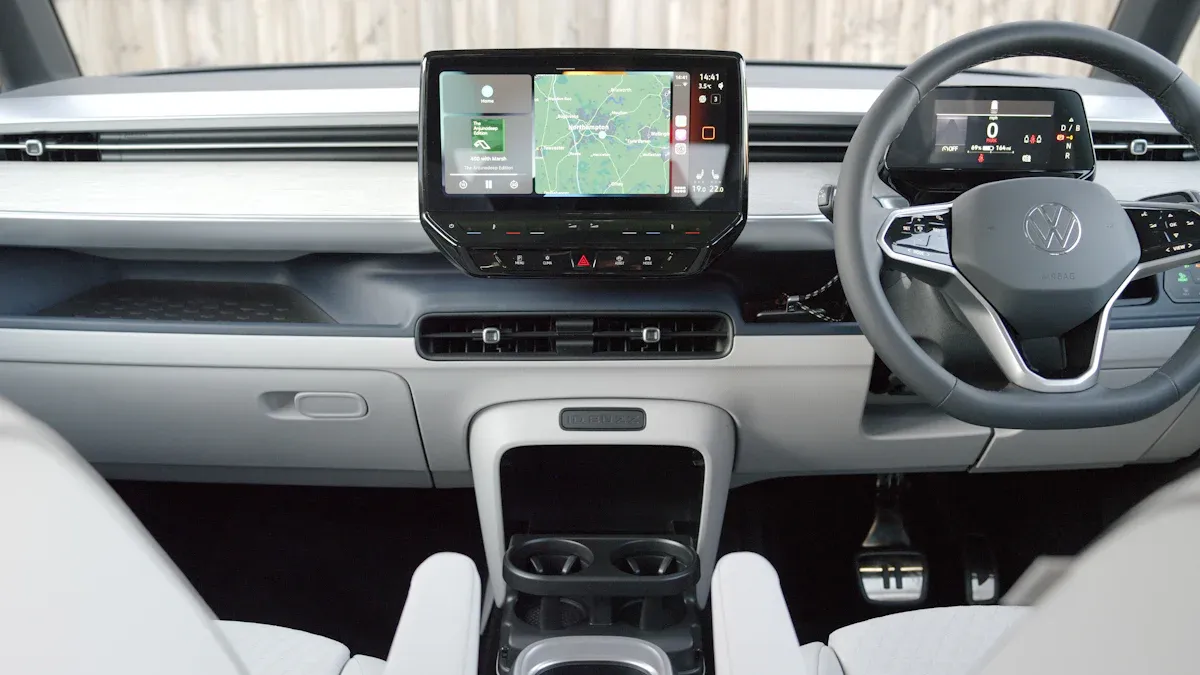
You use in-car navigation systems to help you drive. These systems guide you through busy streets and new places. They use GPS to show where you are. The system gives you step-by-step directions. This helps you not get lost and keeps you safe. You get updates about traffic and road problems right away. The system can tell you about accidents or closed roads. It can also suggest faster ways to go. You hear instructions, so you do not need to look away. Many cars have digital maps that update by themselves. All these features make driving easier and help you get there faster.
Tip: Try using voice guidance. It helps you keep your eyes on the road and stay safe.
Integration with Automotive Electronics
In-car navigation systems work with other electronics in your car. You use a screen and buttons to control the system. The infotainment system lets you use maps, music, and calls together. You can connect your smartphone and use its features safely. The navigation system uses GPS and maps to show where you are. It also finds places you might want to visit. Sensors in your car collect speed and performance data. This helps the system give better directions and traffic updates. The system connects to the cloud with Wi-Fi or cellular networks. You get updates and new features without going to a shop.
Route optimization and audio guidance
Real-time traffic updates
Smartphone integration
Cloud-based updates and remote diagnostics
Market Growth and Trends
More cars have advanced navigation systems every year. The global market for these systems is growing quickly. In 2024, the market was worth $36.55 billion. Experts think it will reach $38.91 billion in 2025. The growth rate is 6.5% each year. New trends are making these systems better. Companies are putting more satellites in space for stronger GPS. Car technology keeps getting better, so you get more features. IoT and cloud services help you stay connected. You can lock your car or get updates from far away.
Growing investment in satellite deployment
Advancements in automotive technology
Integration of IoT and cloud services
Design Process in Automotive Navigation
System Architecture
When you start designing in-car navigation, you first plan the system architecture. This step decides how the navigation system works in the car. The structure must be strong to handle real-time data and stay reliable. Ai helps the system process information fast and make smart choices. Ai lets the system react to things like sudden traffic or accidents.
Here is a table that explains how the architecture supports real-time data and reliability:
Feature | Description |
|---|---|
Robust Server Infrastructure | Handles real-time traffic updates for your automotive system. |
Low-Latency Performance | Gives you fast responses for navigation help. |
Advanced Mapping Software | Delivers accurate and up-to-date routes. |
Massive Data Handling | Processes lots of information from many sources. |
Seamless Data Integration | Keeps updates coming from services like Google Maps. |
Ai makes sure the navigation system meets strict time limits. This is very important for safety in cars. The system must always give you the right information on time. You want the navigation to react quickly to new data. Ai keeps the system working well, even in busy cities or on highways. The architecture also plans for problems. If something fails, ai finds a safe solution. You get a system you can trust every time you drive.
Hard real-time systems in automotive navigation must meet deadlines to keep you safe.
Temporal correctness means the system gives you information when you need it.
You need clear plans for what happens if something fails.
Ai makes the system smarter and faster. Ai can learn from your driving habits. The architecture lets ai improve your routes and suggest better ways to go. You get a system that feels personal and is always ready to help.
PCB Design and Prototyping
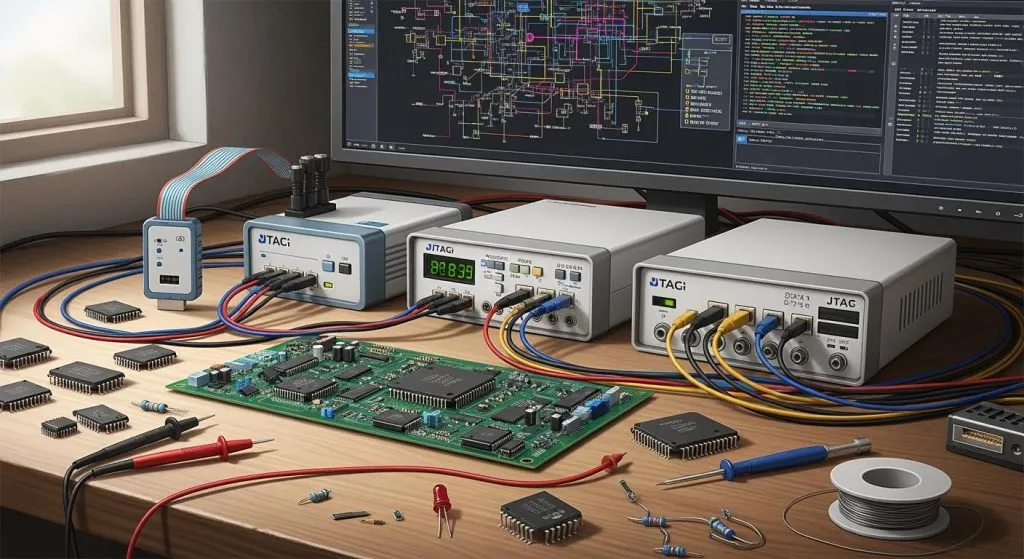
After the architecture, you work on PCB design and prototyping. The printed circuit board is the main part of your navigation system. You must think about many things to make sure it works in all conditions. Ai tools help you check your design for mistakes before you build it. You use ai to test how the board handles heat, signals, and interference.
Here are important things you think about in PCB design for automotive navigation:
High-frequency signal integrity keeps your navigation accurate, especially when signals go above 1 GHz.
EMI and EMC shielding stop other devices from causing problems.
Thermal management helps your system stay cool, even in hot or cold weather.
Miniaturization lets you fit the system into small spaces in the car.
Durability means your design can survive bumps, shakes, and tough environments.
Ai lets you see how the PCB will work in real life. This saves you time and money. You can find problems early and fix them before making a prototype. Ai also helps you design boards that use less power and last longer. Ai can suggest better layouts and materials for your system.
When you build a prototype, you test it in real cars. Ai collects data from these tests. The ai checks for errors and helps you improve your design. You do this again and again until you have a PCB that works well in every situation.
Software and User Interface
Next, you focus on software and user interface design. This part decides how you use the navigation system. The software should be easy to use and safe for drivers. Ai is very important here. Ai makes the interface smart and helpful. For example, ai can change the screen brightness based on the time of day. It can also suggest routes based on your past trips.
A good interface helps you pay attention to driving. Here is a table that shows how different design choices affect usability and safety:
Aspect | Findings |
|---|---|
Interface Layout | Good layout makes the system easy and safe to use. |
Graphical Traffic Info | Pictures and maps help you understand traffic faster. |
Icon Design | Simple icons and text give you clear driving tips. |
Layout Efficiency | The best layout helps you use the system quickly. |
Study Methodology | Real driving tests show what works best. |
Data Collected | Tests measure time, errors, eye movement, and how you feel. |
Conclusion | Good design keeps you safe and reduces distractions. |
Ai studies how drivers use the system. Ai collects data on how long tasks take, how often you make mistakes, and how you feel about the interface. You use this information to make the design better. You also ask drivers for feedback. Ai helps you understand what drivers like and what is hard to use.
You test the interface in different places, like day and night or city and highway. Ai helps you see how stress and distractions change how you use the system. Ai helps you find ways to make the interface easier for everyone, even people with special needs. You keep making the design better until it works for all drivers.
Tip: Always listen to user feedback. Ai can help you collect and understand this feedback, but you make the final design choices.
Ai is used in every part of the design process. Ai helps you plan the architecture, test the PCB, and build a smart interface. You use ai to make your navigation system safe, reliable, and easy to use. Good design means you get a system that helps you drive better every day.
Manufacturing of In-Car Navigation Systems

There are many steps to make in-car navigation systems. Each step is important for safety and quality. You start with design and finish with a product for your car. The process uses ai in automotive to work faster and better. Ai helps you find mistakes and make good products.
PCB Manufacturing and Assembly
The printed circuit board, or PCB, is the main part. You follow steps to build and put together the PCB. Here is how you make it:
Design and Prototype
PCB Fabrication
Solder Paste Application
Pick and Place
Reflow Soldering
Inspection and Testing
Through-Hole Component Insertion (If Required)
Cleaning
Final Assembly
Functional Testing and Validation
Packaging and Shipping
You must follow strict rules for quality. The PCB faces heat, shaking, and interference in cars. You use special materials and ways to keep it safe and strong. Here is a table that shows the main quality rules for making automotive PCBs:
Quality Standard | Description |
|---|---|
Vibration Resistance | Automotive PCBs must handle shaking from driving, so they work well. |
High Temperature Resistance | PCBs need to work in hot places, like inside cars. |
Anti-Interference Capability | They must resist interference because cars have lots of electronics. |
Safety | Safety is very important to protect people and cars. |
Material Selection | Materials must be good quality, like UL certified for heat. |
Manufacturing Process | Making the PCB must be very exact to stop problems. |
Welding Process | Good welding stops the solder from breaking. |
Testing and Quality Control | Lots of tests help find mistakes and meet industry rules. |
Every step in making the system matters for the final product. You need strong materials and careful work. Ai checks for mistakes and helps at each step. You make sure your navigation system works well in all cars.
AI and Quality Assurance in Automotive Production
Ai helps you find mistakes and make better products. Ai-powered vision systems look at each PCB and assembly. These systems use models like YOLOv5 to find small problems people may miss. Ai sorts problems by how bad they are. You fix big problems right away and check small ones later.
Here are some ways ai helps you make things:
Ai models like YOLOv5 can find hard-to-see problems.
These systems sort problems by how serious they are.
They help lower human mistakes compared to old ways.
You see big changes when you use ai in automotive production. Ai makes things more accurate by over 60%. Productivity goes up by 30%. Here is a table that shows these gains:
Benefit | Improvement Percentage |
|---|---|
Enhanced accuracy | Over 60% |
Increased productivity | 30% |
When ai finds a problem, it uses rules to decide what to do. Small problems may get checked later. Big problems mean the part is not used. Ai helps you keep high quality in automotive production.
You also care about the environment when making things. The automotive industry has problems with pollution and using resources. Painting and other steps can cause air pollution. You use electric and hybrid cars to lower pollution. You recycle metals and try to save fuel. You ask suppliers to use good practices. You invest in ways to help the planet. You make your process better for the earth.
Final Testing and Validation
You finish by testing and checking the navigation system. You make sure it works in real cars. Ai helps you test faster and find problems early. You test for heat, shaking, and interference. You check that your system follows all safety rules.
You look at what makes manufacturing cost more. High installation costs can make it hard for people to buy. Maintenance adds 18% to yearly service costs. Cybersecurity adds 15% to system costs. Here is a table that shows these cost drivers:
Cost Driver | Impact on Costs |
|---|---|
High installation costs | Makes it harder for people to buy |
Maintenance costs | Adds 18% to yearly service costs |
Cybersecurity compliance costs | Adds 15% to system costs |
Ai helps you lower costs and work better. Ai finds ways to save money and keep quality high. You finish with a navigation system that is safe, strong, and ready for your car.
Tip: You can trust ai in automotive manufacturing to help you get a better product every time.
Ai changes how you build and test navigation systems. You get better quality, lower costs, and safer products. You help the automotive industry grow with smart manufacturing and ai-powered tools.
Challenges and Innovations
ADAS and Inertial Navigation Integration
Navigation in cars is changing a lot. When you drive in cities, GPS can stop working. Tall buildings and trees block signals. This makes it hard for advanced driver-assistance systems to help you. You need more than GPS to stay safe. Inertial navigation systems use sensors to track movement. These sensors keep your position right when GPS does not work. You get better tracking in tunnels and busy streets. When you mix inertial navigation with other sensors, driving gets safer. Your navigation becomes more reliable. You can trust your car in hard places.
GNSS works well on open roads but has trouble in cities and forests.
Inertial navigation keeps your position right when GPS stops.
Using more sensors makes driving safer and helps your car work better.
Ensuring Reliability and Safety
You want your navigation system to work every time you drive. Makers follow strict rules to keep you safe. They use standards like ASIL, IATF 16949, and AEC. These rules make sure your navigation system is good and safe. You also need strong cybersecurity. Companies use ISO/SAE 21434 and UN ECE R155 to protect your data. They add encryption and ways to spot attacks. ai-powered monitoring checks for threats all the time. You see fewer problems and more safety in your car.
Standard/Classification | Description |
|---|---|
ASIL | Sets safety levels for automotive systems. Navigation is usually QM, meaning lower risk. |
IATF 16949 | Focuses on quality and customer satisfaction. |
AEC Standards | Adds reliability for electronics in vehicles. |
Tip: ai helps find problems early and keeps your navigation system safe.
Future Trends in Automotive Navigation
Navigation in cars will change a lot soon. Augmented reality navigation shows directions on your windshield. You use your voice and hands to control the system. ai learns your habits and gives you better routes. You can link your car to buses and trains. As more cars drive themselves, ai helps them make smart choices. You see ai-powered safety and ways to fix problems before they happen. Electric cars use ai to save energy and plan trips. You buy cars online using digital tools. Makers use ai to make driving easier and safer.
AR navigation overlays help you see directions.
ai looks at data to predict problems and make navigation better.
ai makes in-car systems smarter and more connected.
You get custom navigation and better safety in self-driving cars.
IoT links your car to other devices and services.
Note: ai will keep changing how you use navigation in cars. You will see safer, smarter, and more personal systems in the future.
Designing and making in-car navigation systems needs good planning. You must mix hardware and software so they work well together. Easy-to-use interfaces help you pay attention and stay safe. Advanced electronics give you better driving data. The process is harder now because vehicle software is more complex. Studies show that touchscreens can distract you and make it harder to stay in your lane.
Key Findings | Description |
|---|---|
Distraction Level | Touchscreens in vehicles make you pay less attention and react slower. |
Lane Deviations | Using screens can make you drift more in your lane. |
Cognitive Load | More thinking while driving can make you drive worse. |
You will see new technology in vehicles soon. AI will make maps smarter and quicker. Augmented reality will put directions on your windshield. Digital twins will help you plan and manage vehicles better. As you use vehicles, you will notice safer, smarter, and more connected systems shaping the future of driving.
FAQ
What makes in-car navigation systems different from smartphone apps?
You get real-time updates, better integration with your car’s sensors, and safer hands-free controls. In-car systems work even when your phone loses signal. They connect with your car’s electronics for more accurate directions and alerts.
How does AI improve navigation system safety?
AI checks for mistakes, finds the best routes, and warns you about dangers. You see fewer errors and get faster updates. AI also helps the system learn your habits, making your drive safer and more personal.
Why do car makers test navigation systems so much?
You trust your navigation system to work every time. Makers test for heat, shaking, and interference. They follow strict safety rules. Testing helps you avoid problems on the road and keeps you safe.
Can you update your in-car navigation system?
Yes! You can get updates over Wi-Fi or cellular networks. These updates add new maps, fix bugs, and improve features. You do not need to visit a shop. Your system stays current and reliable.