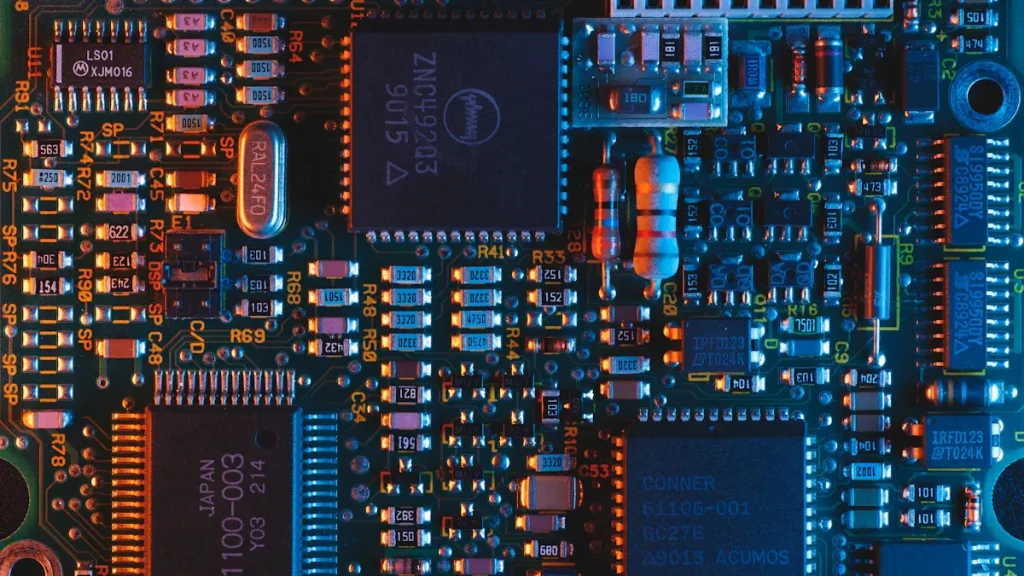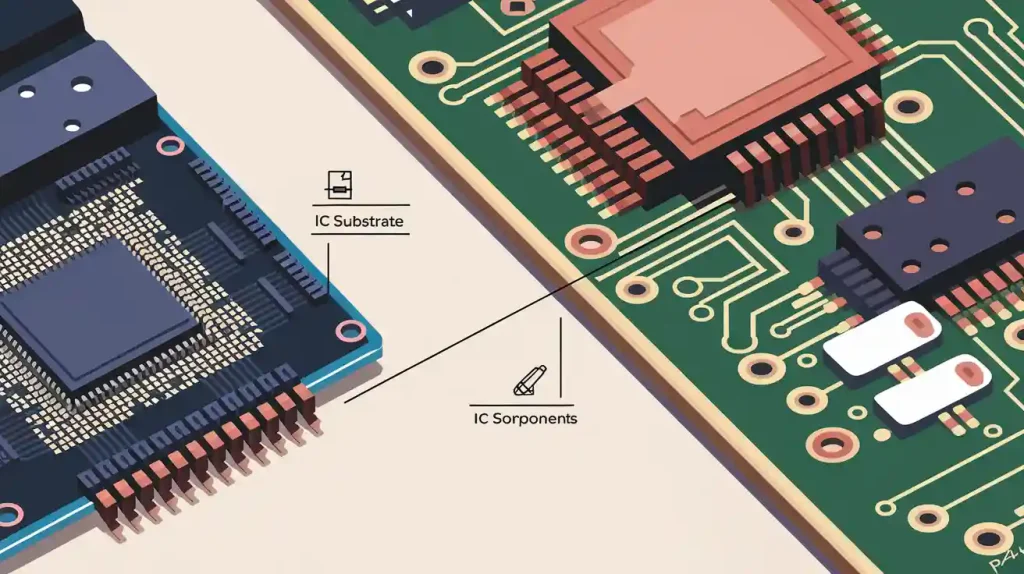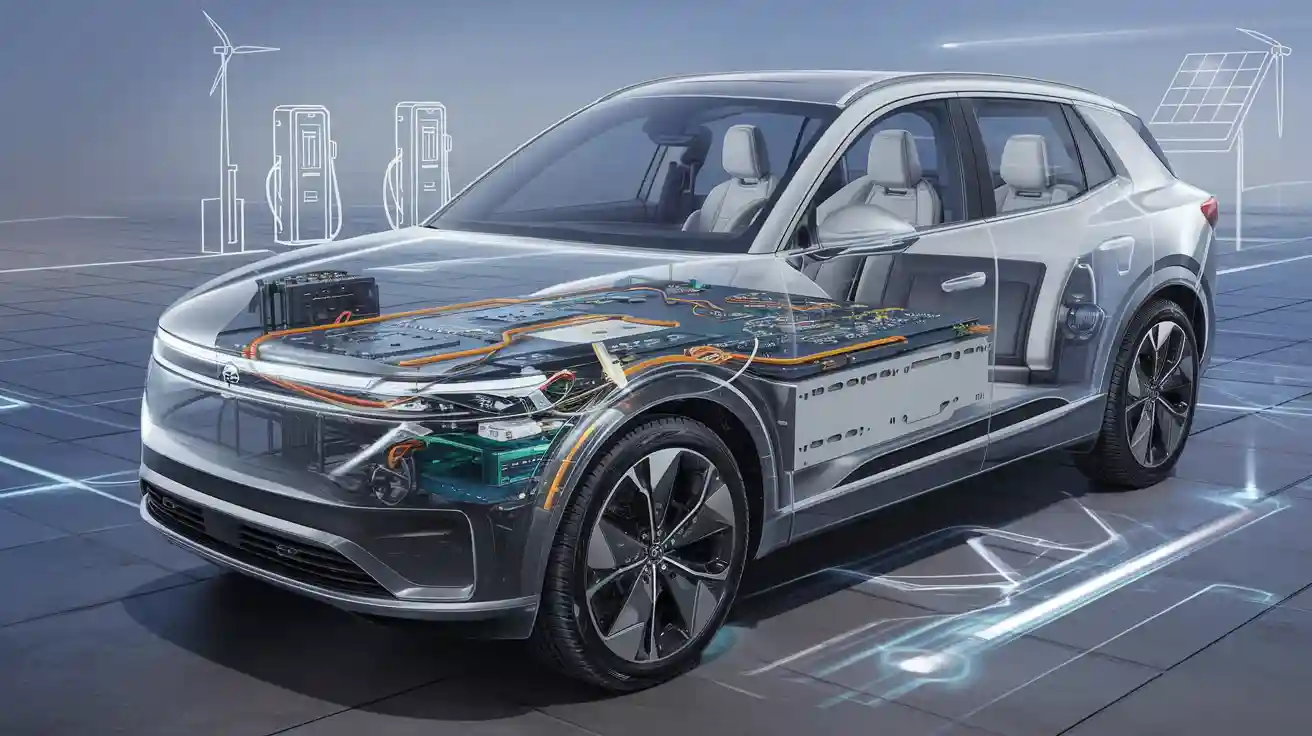
You see new energy vehicles changing how people get around. Printed circuit boards help make this change happen. In these vehicles, pcb applications help with power, control, and safety. Advanced pcb solutions let electric and hybrid vehicles manage energy and charging. They also help with complex control systems. The global automotive pcb market was over $9 billion in 2023. It keeps growing as more people pick energy-saving vehicles. Printed circuit boards in NEVs must handle more electronics than old vehicles. You get benefits from pcb applications that make each vehicle safer, smarter, and more reliable.
Key Takeaways
PCBs help new energy vehicles use power better. They also help control systems and keep cars safe. This makes cars smarter and more reliable. Battery management PCBs watch the batteries. They check voltage and temperature. This stops batteries from getting too hot or damaged. PCBs in power electronics change and control energy well. This helps motors work better and lets cars drive farther. Charging system PCBs help cars charge fast and safely. They control how energy moves and handle high voltages. Advanced PCB designs like flexible and high-density boards fit in small spaces. They also handle heat well and add more features.
PCB Applications Overview
Power Distribution
Printed circuit boards help move power in new energy vehicles. These vehicles send energy from the battery to motors, lights, and control units. PCBs make sure energy moves safely and works well. You find them in high-voltage systems like onboard chargers and battery management. Printed circuit boards use thick copper layers to carry strong currents. This design keeps your vehicle safe and stops it from getting too hot. PCBs are also in charging equipment. They control how energy flows when you charge your car.
Tip: Pick PCBs that are very reliable for power distribution in new energy vehicles. This helps stop problems and keeps your car working well.
Signal Transmission
Printed circuit boards are important for sending signals. You need clear signals for things like ADAS, sensors, and communication modules. PCBs keep signals strong and correct, even when it is tough outside. In new energy vehicles, good signals help with real-time choices. For example, ADAS uses fast signals to check what is around the vehicle.
Here is a table that shows how PCBs help with signal transmission and some problems you might see:
Aspect | Description |
|---|---|
Role of PCBs | Needed for high-voltage and current jobs like onboard chargers, battery management, and voltage converters. |
Signal Integrity | Very important in ADAS for fast, high-frequency signals that help judge the area around the vehicle. |
Reliability | Needs to be very reliable and work in many places; if it fails, the vehicle can have problems. |
Manufacturing Challenges | Thick copper layers need careful drilling, lamination, copper plating, etching, and solder mask control. |
Control Systems
Printed circuit boards are used for control systems in new energy vehicles. These systems include battery management, electric drive, and charging control. PCBs help watch and change how energy is used. They also help with dashboard displays and how the vehicle talks to other parts.
Here is a table that lists the main types of PCB applications in new energy vehicles:
PCB Application Category | Description |
|---|---|
Safety Systems | PCBs are in airbag sensors, ABS, ESC, and control systems to make the vehicle safer. |
Electric Vehicle Control Systems | PCBs are in battery management, electric drive, and charging control for electric vehicle work. |
Dashboard and Control Units | PCBs are in speedometers, tachometers, fuel, and temperature indicators for the driver. |
Charging Equipment | PCBs are in charging piles and equipment that control charging and watch current and voltage. |
Printed circuit boards help your vehicle react fast and stay safe. You get better energy use and more safety with advanced PCB applications.
Battery Management System
The battery management system is very important in every new energy vehicle. You need it to keep your battery safe and working well. The system uses advanced pcb technology to watch, control, and protect the battery. This part will show how the battery management system keeps your vehicle safe and running well.
Battery Safety
You want your battery to be safe all the time. The pcb in the battery management system helps stop dangers like getting too hot or short circuits. It checks the voltage and temperature of each battery cell. If the pcb finds a problem, it can stop the battery from charging or using power. This keeps the battery from getting too full, too empty, or too hot, which could cause a fire.
Here are some ways pcb technology makes batteries safer in new energy vehicles:
The pcb checks voltage and temperature to stop overheating.
It controls charging and using power to stop overcharging or deep discharge.
The pcb keeps battery cells working together.
Built-in safety features stop short circuits, too much voltage, and overheating.
High-density interconnect pcbs help move power in a small space.
Metal core pcbs help take heat away from the battery.
Automotive-grade pcbs can handle shaking, hot or cold weather, and wet air.
Tip: Always use automotive pcbs for your battery management system. These pcbs give you the best safety and work well in your energy vehicle.
Monitoring and Control
You need to know what is happening inside your battery. The pcb in the battery management system gives you updates right away. It uses sensors and controllers to watch the battery’s voltage, temperature, current, and charge level. The pcb keeps the voltage of each cell even, so the battery charges the same way. This helps your battery last longer and work better.
The battery management system uses the pcb to:
Watch battery details all the time.
Keep cell voltages even for good charging.
Check cell temperatures to stop overheating or getting too cold.
Limit big currents to keep the battery safe.
Stop overcharging or using too much power from cells.
Make charging better for different energy sources like AC or DC fast charging.
Turn off the battery if something is not safe.
Flexible pcbs make the battery management system smaller and stronger. You get a system that fits in small spaces and works well in cars.
Thermal Management
Heat is a big problem for batteries in new energy vehicles. The pcb helps you control this heat. Metal core pcbs move heat away from battery cells. This keeps the battery cool and stops damage. The battery management system uses the pcb to check temperatures and change cooling when needed.
Here is a table that shows how pcb technology helps with heat control:
PCB Feature | Benefit for Battery Thermal Management |
|---|---|
Metal Core PCB | Moves heat away from battery cells |
Temperature Sensors | Watches battery temperature all the time |
High-Density Design | Makes small layouts and better heat control |
Automotive Durability | Works in hot, cold, or rough places |
You get a safer and longer-lasting battery when you use the right pcb for heat control. The battery management system needs these features to keep your energy vehicle working well.
Power Electronics
Inverter PCBs
Inverter pcb technology is very important in new energy vehicles. The inverter pcb changes battery power from direct current to alternating current. This lets the motor work well and smoothly. The pcb inside the inverter has many parts, like capacitors and transistors. These parts turn on and off very fast. They help control how fast and which way the motor turns. When you press the pedal, the inverter pcb acts right away. It sends signals to the motor so your car moves as you want. A good inverter pcb helps your electric vehicle use less energy and go farther.
Converter PCBs
Converter pcb systems are important in the powertrain of new energy vehicles. You need these pcbs for hard jobs and strict rules.
Converter pcbs change DC to AC for the motor.
They use high power density and good heat control for strong currents and voltages.
Special materials and smart designs make power conversion better.
Multilayer pcbs let complex circuits control power and signals.
Thick copper layers help carry big currents for motor control.
Makers follow strict safety and quality rules, like RoHS.
Advanced tests check if the pcb can handle tough work in a car.
EMI control and strong design keep the system safe and steady.
Regenerative Braking
Regenerative braking uses the motor in a different way. When you slow down, the motor works as a generator. The pcb in the traction inverter controls this job. It uses fast switches and smart circuits to change the motor’s movement into electricity. This electricity goes back into the battery. You get more driving range because the system saves energy. The pcb controls every step, from changing the motor’s job to sending energy to the battery. Regenerative braking helps your electric vehicle use less energy and go farther on one charge.
Charging Systems
Onboard Chargers
You use an onboard charger pcb when you plug in your car. This pcb controls how your car gets electricity from the grid. It changes AC power to DC so your battery can store it. The onboard charger pcb checks voltage and current to keep charging safe. You get faster and safer charging because the pcb controls energy flow.
The onboard charger pcb also talks to the charging station. It makes sure your car gets the right amount of energy. You can trust this system to protect your battery from overcharging or getting too hot. The pcb helps your car charge at home or at public stations.
Tip: Always make sure your onboard charger pcb meets automotive standards. This helps you avoid problems when charging.
Power Conversion
You need strong power conversion for your new energy vehicle. The pcb in the charging system changes electricity to the right type for your battery. It handles high voltages and currents without getting too hot. This keeps your car safe and working well.
Here is a table that shows how the pcb helps with power conversion during charging:
Feature | Benefit for Charging Systems |
|---|---|
High Voltage Handling | Lets you use fast charging safely |
Heat Dissipation | Stops the pcb from overheating |
Smart Control Circuits | Gives you steady energy flow |
The pcb also helps balance energy between the grid and your battery. You get smooth charging every time. The charging system uses advanced pcb designs to make sure your car gets the energy it needs, no matter where you charge.
Automotive PCB Design
High Voltage Handling
It is important to keep high voltage safe in every automotive pcb. High voltage systems, like the battery and motor, can go up to 800V. If you do not design the pcb well, you could get sparks or short circuits. Here are some key design tips:
Leave enough space between high-voltage parts. For 800V, use an 8mm air gap and a 10mm path on the surface.
Put high-voltage connectors close to the pcb edge. This makes traces shorter and cuts down on interference.
Keep high-voltage and low-voltage connectors apart. This stops signals from mixing and keeps insulation strong.
Use connectors that can handle high voltage and current, like 1000V/200A.
Add things like dielectric barriers, special coatings, and rounded corners to stop sparks.
Pick pcb materials that are strong against electricity and have a good tracking index.
Make multilayer pcbs to keep high-voltage layers away from low-voltage signals.
Test your pcb at 1.5 times the normal voltage to check if insulation works.
Add safety locks near connectors to find disconnections and turn off the system if needed.
Choose connectors that can handle shaking, heat, and wetness.
These steps help keep your car’s systems safe and working well.
Heat Dissipation
Your pcb needs to get rid of heat, especially near the battery and motor. High heat can break parts or make the system stop working. You can use different ways to help heat move away:
Put thermal vias near hot spots to move heat to the other side of the pcb.
Use open vias on the part side for better heat flow.
Spread out parts to stop hot spots and keep heat-sensitive parts away from power.
Make pads thicker and traces wider to spread heat, but also think about signals.
Attach heat sinks to the pcb to help spread heat.
Pick strong materials like polyimide or ceramic-filled composites for better heat control.
Use thick copper layers to help with heat and electricity.
Add special coatings to protect against heat, water, and rust.
These choices help your automotive pcb last longer and work better in tough places.
Durability
Cars can be rough on pcbs. Your pcb faces shaking, big temperature changes, and stress. To make sure your pcb lasts, you need to follow strict tests. Here is a table with some common tests:
Testing Standard | Application Area | Test Type | Test Conditions |
|---|---|---|---|
IPC-6012 | Automotive PCBs | Thermal Cycling | -40°C to 150°C, hundreds of cycles |
MIL-PRF-31032 | Military/Aerospace | Thermal Cycling | -40°C to 150°C, hundreds of cycles |
IPC-6012 | Automotive PCBs | Vibration Testing | 20G to 50G, 10 to 2000 Hz |
MIL-PRF-31032 | Military/Aerospace | Vibration Testing | 20G to 50G, 10 to 2000 Hz |
You can trust these tests to show if your pcb will last in real cars. When you design for strength, your battery, motor, and control systems stay safe and work well for a long time.
Safety and Control
Braking Systems
You want your car to stop safely every time you brake. In new energy vehicles, the braking system needs the pcb to work well. The pcb helps control the brakes by sending signals fast. This quick action gives you better control and keeps you safe.
The pcb lets the brakes react right away when you stop.
You get good control, which is needed for safe driving.
The pcb makes sure the brakes work the same each time.
Reliable control from the pcb helps stop accidents.
The pcb also helps with anti-lock brakes and stability.
The pcb is the main part of the braking system in your car. It links sensors, actuators, and control units together. This setup helps your car handle quick stops and slippery roads. The pcb also works with regenerative braking to save energy and make driving safer.
Vehicle Control Units
Vehicle control units are at the center of your electric car’s system. These units use a pcb to connect and manage many parts. The pcb inside collects data from sensors and sends commands to motors, brakes, and lights.
The engine control unit is one of the most important units. It uses a pcb to process information and make fast choices. This helps your car run smoothly and react to the road. The pcb also helps the unit find problems and warn you if something is wrong.
A table below shows how the pcb helps different control units in your car:
Control Unit | Role in Vehicle |
|---|---|
Engine Control Unit | Manages power and performance |
Brake Control Unit | Controls braking and safety |
Battery Control Unit | Monitors battery health |
You count on the pcb in each control unit to keep your car safe, smart, and working well.
Infotainment and Connectivity
Displays and Audio
Today’s new energy vehicles have more screens and better sound. The pcb inside your car helps make these things work. It links the display to other parts of the car. You can use touch to pick music, maps, or change settings. The pcb sends signals fast, so your screen changes quickly. Your music plays right away with no waiting. You see sharp pictures and hear good sound because the pcb handles both power and data.
Modern cars use high-density pcbs to add more features in small spaces. These pcbs help keep the dashboard thin but full of options. Flexible pcbs let designers bend screens and controls to fit the car’s inside. You get a better ride because the pcb keeps all parts working together.
Note: A strong pcb design helps your display and audio last longer. It also works well even if your car shakes or gets hot.
Communication Modules
You want your car to stay connected everywhere you go. The pcb in your car helps run Bluetooth, Wi-Fi, and GPS. It takes data from sensors and sends it to your phone or the cloud. This lets you use maps, play music, and get updates right away.
A multi-layer pcb makes your car’s communication faster and more steady. High-density interconnect and flexible pcb tech help control heat and save energy. These smart pcbs help your car handle more data as cars get smarter.
Here is a table that shows how the pcb helps your car talk to other devices:
Feature | Benefit for Your Vehicle |
|---|---|
Multi-layer PCB | Faster data processing |
HDI Technology | Better reliability |
Flexible PCB | Fits tight spaces |
You count on the pcb to keep your car’s infotainment and connections working well. As cars get smarter, the pcb is even more important for your drive.
Lighting Systems
LED Headlights
You see better at night because of LED headlights in new energy vehicles. PCBs help these headlights work well. The PCB connects the LED chips, drivers, and sensors. You get bright, clear light with less energy use. LED headlights last longer than old bulbs. They also turn on faster, which helps you stay safe.
PCBs in LED headlights must handle heat. The board moves heat away from the LEDs. This keeps the lights bright and stops damage. You can trust your headlights to work in hot or cold weather. Designers use metal core PCBs for better heat control.
Tip: Choose vehicles with LED headlights and strong PCBs. You get better vision and use less battery power.
Here is a table that shows how PCBs help LED headlights:
Feature | Benefit for You |
|---|---|
Metal Core PCB | Better heat control |
Compact Design | Slim headlight shape |
Fast Response | Quick on/off for safety |
Long Life | Fewer replacements |
Interior Lighting
You enjoy a comfortable ride with good interior lighting. PCBs control the lights inside your car. You can change the color or brightness with a button. The PCB connects switches, sensors, and LEDs. This setup lets you pick the mood you want.
Flexible PCBs fit in small spaces, like door panels or dashboards. You get even light with no dark spots. The PCB also helps save energy. You use less power for the same amount of light.
PCBs let you control lights from your phone or screen.
Sensors on the PCB can turn lights on when you open the door.
The board keeps the lights working, even if the car shakes.
Note: Good PCBs make your car’s interior lighting last longer and work better. You get a safer and more fun driving experience.
Advanced PCB Technologies
Flexible Circuits
Flexible circuits are in many parts of new energy vehicles. These printed circuit boards can bend and twist to fit small spaces. You find them in sensors, cameras, and radar systems. Flexible circuits let you put electronics where rigid boards cannot go. This means your car can have more features without using extra space.
Flexible circuits handle shaking and movement better than regular boards. When your car moves or shakes, these circuits still work. You get steady signals from sensors and cameras. This helps your car stay safe and smart on the road.
Tip: Flexible circuits help you design cars with more curves and new shapes. You can add lighting, controls, and displays in places you could not before.
High-Density PCBs
High-density printed circuit boards, called HDI PCBs, make car electronics smaller and stronger. You see these boards in battery management, infotainment, and advanced driver systems. HDI PCBs use tiny lines and microvias to fit more circuits in a small area. This lets you add more power and features to your car.
HDI PCBs keep signals clear and strong, even when circuits are close.
You get better performance because these boards lower signal loss and noise.
Engineers can put parts inside the board, making it lighter and smaller.
3D design tools help save space but keep all needed functions.
You also find HDI printed circuit boards in energy storage system pcb designs. These boards help connect your car to smart grids and manage energy flow. You get faster charging and better use of stored energy. As cars get smarter, high-density boards help you add more sensors and controls without making the car bigger.
Technology | Main Use in NEVs | Key Benefit |
|---|---|---|
Flexible Circuits | Sensors, cameras, radar | Fit tight spaces, flexible |
HDI PCBs | Battery, infotainment, ADAS | Smaller size, more power |
Printed circuit boards are very important in new energy vehicles. These boards help your car stay safe and work well.
Small PCBs make cars lighter and take up less space.
Fast signal processing helps safety and quick control.
Good heat control keeps your car safe in hard weather.
PCBs in charging systems give fast and steady charging.
Smart PCBs link your car to networks and add new things.
PCB technology will get even better as new energy vehicles grow. Future cars will use PCBs that are smarter, safer, and better for the planet. You will get better performance and more cool features.
FAQ
What is a PCB in a new energy vehicle?
A PCB is a printed circuit board. You find it inside your car’s electronics. It connects and controls parts like the battery, motor, lights, and sensors. PCBs help your car work safely and efficiently.
Why do new energy vehicles need special PCBs?
You need special PCBs because these cars use high voltage and strong currents. The PCBs must handle heat, shaking, and tough weather. They also help your car charge faster and last longer.
How do PCBs help with battery safety?
PCBs watch your battery’s temperature and voltage. They stop charging if something goes wrong. This keeps your battery safe and helps prevent fires or damage.
Tip: Always use automotive-grade PCBs for the best battery safety.
Can PCBs make my car smarter?
Yes! PCBs connect sensors, cameras, and control units. You get features like lane assist, smart headlights, and fast charging. PCBs help your car learn and react quickly.
What happens if a PCB fails in my car?
If a PCB fails, your car may lose important functions. You might see warning lights or lose power. Always check with a technician if you notice problems.