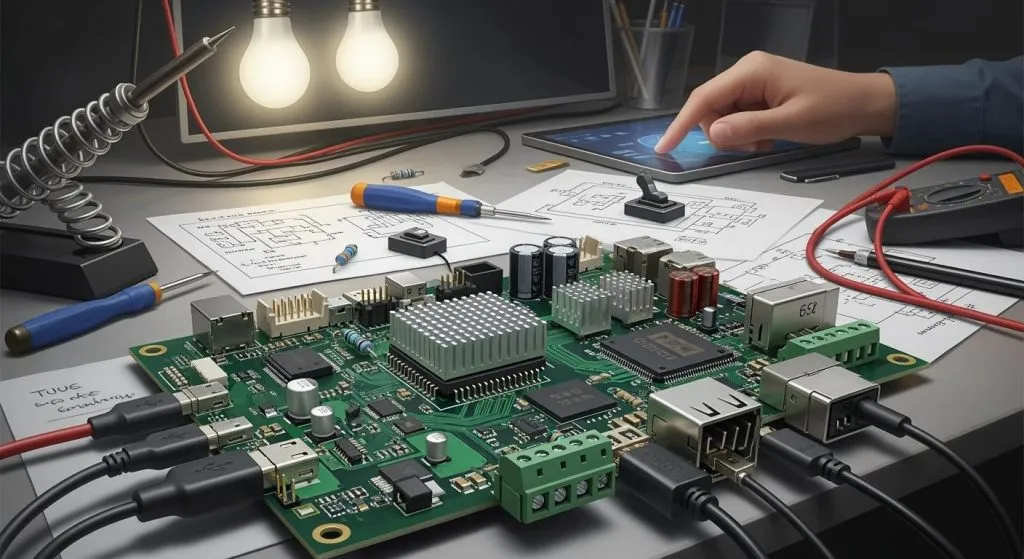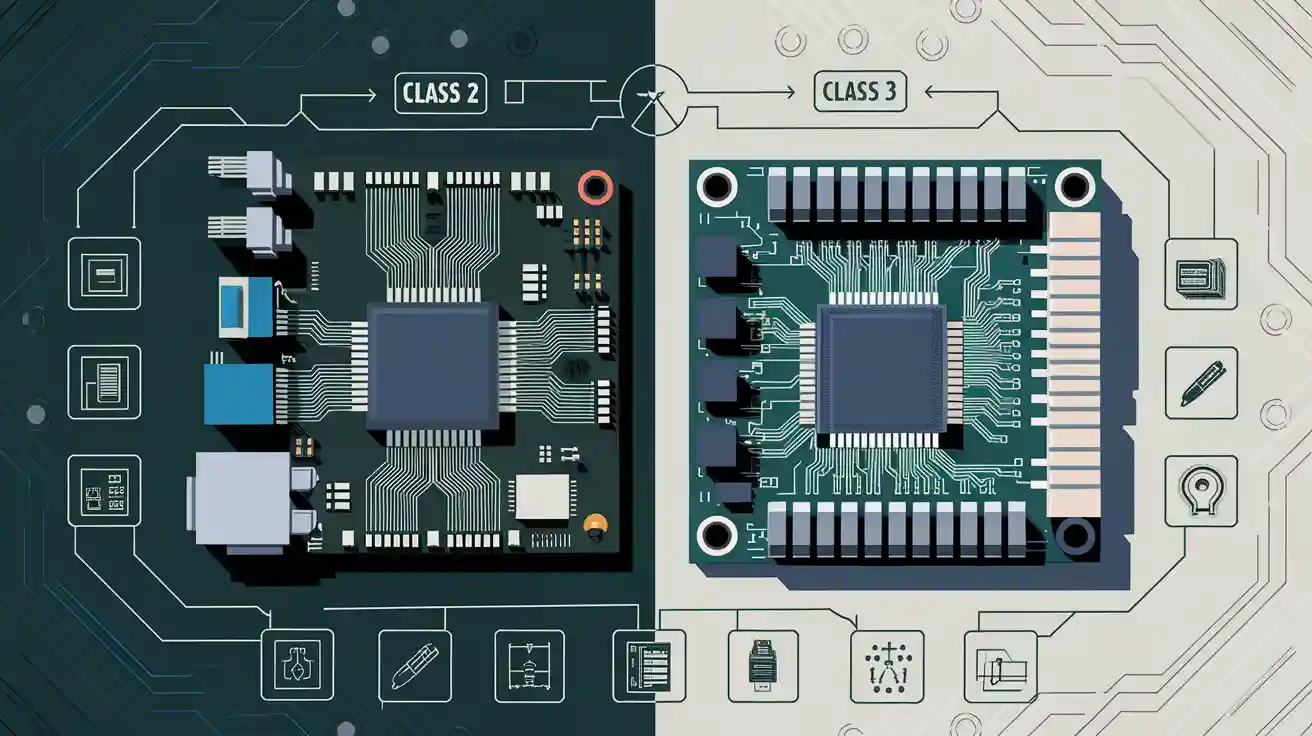
When looking at IPC Class 2 and Class 3 PCBs, the quality rules are different. Class 2 PCBs allow small flaws. For example, up to 5% of holes can be partly empty. Parts on the surface can also be a bit off the pad if it still works fine. But Class 3 PCBs need to be perfect. Copper layers in Class 3 cannot have any gaps. Also, through-hole leads must fill at least 75% of the hole. These strict rules make Class 3 great for important fields like space and medical tools. Class 2 is better for everyday electronics. Picking the right class makes sure your PCB works as needed.
Key Takeaways
IPC Class 2 PCBs can have small mistakes. They work well for everyday items like home gadgets and office devices.
IPC Class 3 PCBs must be perfect. They are used in important things like space tools, medical machines, and military equipment.
Picking the right PCB class saves money and ensures it works well for your project’s needs.
Knowing IPC rules helps you choose the best PCB, whether for simple gadgets or advanced industries.
New changes in IPC 6012 Revision F make PCBs stronger. They focus on thickness and surface finish to improve how they work.
Overview of IPC Classes
Printed circuit boards (PCBs) are grouped into IPC classes. These classes depend on how well they perform and how reliable they are. The three classes—Class 1, Class 2, and Class 3—help decide the best standards for different uses. Each class has special traits that make them fit for certain industries.
Characteristics of IPC Class 2
IPC Class 2 PCBs are made for products that need to work well for a long time. These boards are often used in everyday electronics like home and office devices. Small flaws, like tiny solder mistakes, are okay if the board still works properly.
Key traits of IPC Class 2 include:
Durability: These boards are tested to handle heat and bending.
Inspection Standards: Tests focus on how the board works, not how it looks.
Flexibility: Class 2 boards allow small design errors, making them cheaper to produce.
An example of IPC Class 2 use is in appliances or office tools, where good performance matters but perfection isn’t needed.
Characteristics of IPC Class 3
IPC Class 3 PCBs are made for very important tasks where failure cannot happen. These boards follow strict rules to ensure they are highly reliable and strong. Industries like space, medical tools, and military systems depend on Class 3 boards.
Key traits of IPC Class 3 include:
Stringent Standards: No flaws are allowed, and copper layers must be perfect.
Enhanced Reliability: These boards go through tough tests to ensure they last long.
Precision Manufacturing: Class 3 boards need exact placement and high-quality materials.
For example, a Class 3 board in a spacecraft must work perfectly for years in harsh conditions.
Knowing the traits of each class helps you pick the right PCB. You can balance cost, performance, and reliability for your project.
Key Differences in Standards for IPC Class 2 and Class 3 PCBs
Design Rules and Annular Ring Requirements
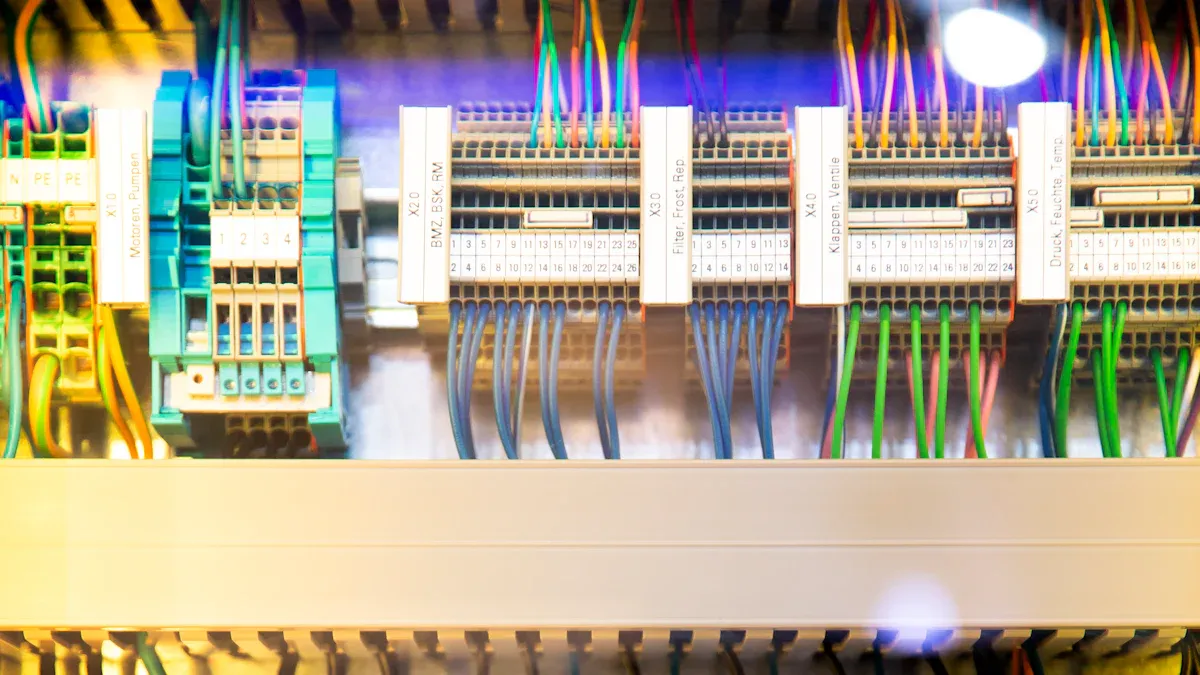
The design rules for IPC Class 2 and Class 3 are very different. IPC Class 2 uses simpler rules, making it good for everyday electronics. IPC Class 3 has stricter rules to ensure high reliability. One key feature is the annular ring, the copper around a drilled hole. For IPC Class 3, the smallest annular ring size is 2 mil for outer layers and 1 mil for inner layers. These sizes help the board handle tough conditions without breaking.
Aspect | Details |
|---|---|
Standard | IPC-6012 Class 3 |
Minimum Annular Ring Size | Outer: 2 mil, Inner: 1 mil |
Measurement for Outer | From via wall edge to pad edge |
Measurement for Inner | From drilled hole edge to pad edge |
Class 3 Requirement | Needs leftover annular ring for proper fabrication |
IPC Class 2 has easier requirements. This makes it cheaper and faster to produce. But it may not last as long as Class 3 boards. Think about these differences when picking between Class 2 and Class 3 PCBs.
Manufacturing Constraints and Through-Hole Plating
Making IPC Class 2 and Class 3 PCBs involves different processes. Class 2 boards are made for large-scale production. Small flaws are okay if the board still works. This makes IPC Class 2 great for things like home gadgets or office tools.
Class 3 boards need precise manufacturing. They must follow strict rules, including through-hole plating. For Class 3, at least 75% of the hole must be filled with plating. This ensures the board is strong and works well. Making these boards costs more because it needs advanced tools and careful work.
Specifications | Class 2 | Class 3 |
|---|---|---|
Design rules | Simple rules with relaxed via and plating specs. | Strict rules for high reliability and performance. |
Manufacturing constraints | Made in large amounts; small flaws allowed. | Not mass-made; needs advanced tools and strict rules. |
Inspection methods | Basic checks and simple tests. | Detailed checks and tough tests, including stress tests. |
Inspection and Acceptance Criteria
Testing is important to make sure PCBs work well. IPC Class 2 uses simple checks and basic tests. These confirm the board works, even if it has small visual flaws. This fits the low-cost nature of Class 2 boards.
IPC Class 3 needs detailed testing and checks. Boards go through tough tests, like stress tests, to prove they work in extreme conditions. Standards like IPC-6011 and IPC-6012 explain the rules for these tests. For example:
IPC-6011 lists general rules for PCB performance.
IPC-6012 focuses on testing for high-reliability uses.
These strict rules make sure Class 3 boards are very reliable and durable. If your project involves critical systems, like space or medical devices, choose IPC Class 3 PCBs.
Applications and Industry Use Cases for IPC Class 2 and Class 3 PCBs
Consumer Electronics and IPC Class 2
You see IPC Class 2 PCBs in many everyday gadgets. These boards are made for devices that focus on being affordable and useful. Think about things like phones, laptops, or kitchen appliances. These products use IPC Class 2 rules to keep costs low while working well.
Class 2 boards can have small flaws, making them faster to produce. This lowers production costs, which is great for making lots of products. For example, a microwave or printer doesn’t need the same precision as a medical tool. The goal is to work well for a reasonable amount of time.
Manufacturers pick IPC Class 2 for items not used in tough conditions. These boards can handle normal use but aren’t made for extreme environments. If your project is about consumer gadgets, IPC Class 2 is a smart choice. It meets needs without raising costs too much.
High-Performance Industries and IPC Class 3
When reliability is key, IPC Class 3 PCBs are the best. These boards are used in fields where failure isn’t allowed. You’ll find them in space equipment, military tools, and medical devices. For example, a pacemaker with a Class 3 board must work perfectly to keep someone safe.
Class 3 boards go through tough tests to meet strict rules. Every part matters, from copper layers to hole plating. These boards are made to handle heat, shaking, and long use. Advanced methods are used to make sure they are strong and precise.
If your project needs high reliability, choose IPC Class 3. These boards give top performance and are vital for critical systems. Whether it’s a satellite or a surgical robot, Class 3 boards make sure everything works right.
Role of IPC Standards in Industry-Specific Applications
IPC standards are important for how PCBs are used in industries. They give clear rules for design, making, and testing to ensure quality. By following these rules, you can pick the right PCB class for your needs.
For consumer gadgets, IPC Class 2 rules are flexible and save money. These rules help make many boards that work well without costing too much. But industries like space and healthcare need IPC Class 3 rules for their strict demands. These rules make sure every board is top quality and reliable.
Knowing IPC standards helps you choose the right PCB for your project. Whether you need a strong PCB for critical systems or a budget-friendly one for daily devices, these rules make sure your boards work as they should.
Updates in IPC 6012 Revision F
Changes in Dielectric Thickness and Surface Finish
The IPC 6012 Revision F has new rules for dielectric thickness and surface finish. These updates make PCBs more reliable for tough uses. The rules for dielectric thickness are stricter now. This ensures better insulation between layers, lowering the chance of electrical problems. It’s especially helpful in high-voltage situations.
Surface finish rules have also improved. The new standards focus on smoother finishes to make soldering easier and reduce mistakes. For example, smoother finishes stop problems like bad solder joints or uneven plating. These changes help your board work better and last longer, even in hard conditions.
Edge Plating and Back Drill Depth Guidelines
Edge plating and back drill depth rules have also changed in IPC 6012 Revision F. Edge plating now needs to be more precise to make PCBs stronger. This helps protect the edges from breaking under stress. If your board will face shaking or frequent use, these updates will keep it safe.
Back drill depth rules are clearer now to improve signal quality. Back drilling removes extra copper stubs, which reduces signal loss and interference. This is very important for fast devices where accuracy matters. These changes help your board perform well in advanced designs.
Impact of Updates on PCB Manufacturing Processes
The new IPC 6012 Revision F rules affect how PCBs are made. Stricter rules for dielectric thickness and surface finish need better control during production. Factories must use advanced tools to meet these higher standards. This ensures your boards are top quality.
The edge plating and back drilling updates also need better manufacturing methods. For example, tighter edge plating rules require more accurate tools. Back drilling improvements need better drills and processes. These updates may cost more, but they make sure your boards are stronger and more reliable.
Knowing how IPC Class 2 and Class 3 PCBs differ helps you choose wisely for your projects. Class 2 PCBs are cheaper and more flexible, perfect for everyday gadgets. But Class 3 PCBs are super reliable and precise, great for important uses like space or medical tools.
Picking the right IPC class makes sure your PCB works well and lasts. Match your choice to your industry’s needs for the best outcome.
FAQ
1. What is the key difference between IPC Class 2 and Class 3 PCBs?
Class 2 allows small flaws if the board still works. Class 3 must be perfect for critical uses like medical tools or space gear.
2. Can IPC Class 2 PCBs work in industries needing high performance?
No, Class 2 boards don’t meet strict rules for tough jobs. Class 3 boards are better for fields like defense, space, or healthcare.
3. Why do Class 3 PCBs cost more to make?
Class 3 boards need careful work, special tools, and tough tests. These steps raise costs but make them strong and reliable.
4. How do IPC standards help with PCB design?
IPC rules guide how boards are made and tested. They help you pick the right type based on cost and reliability needs.
5. Do IPC 6012 Revision F updates matter for all PCB types?
Yes, the updates improve all boards but help Class 3 most. They make boards stronger for hard conditions and long use.