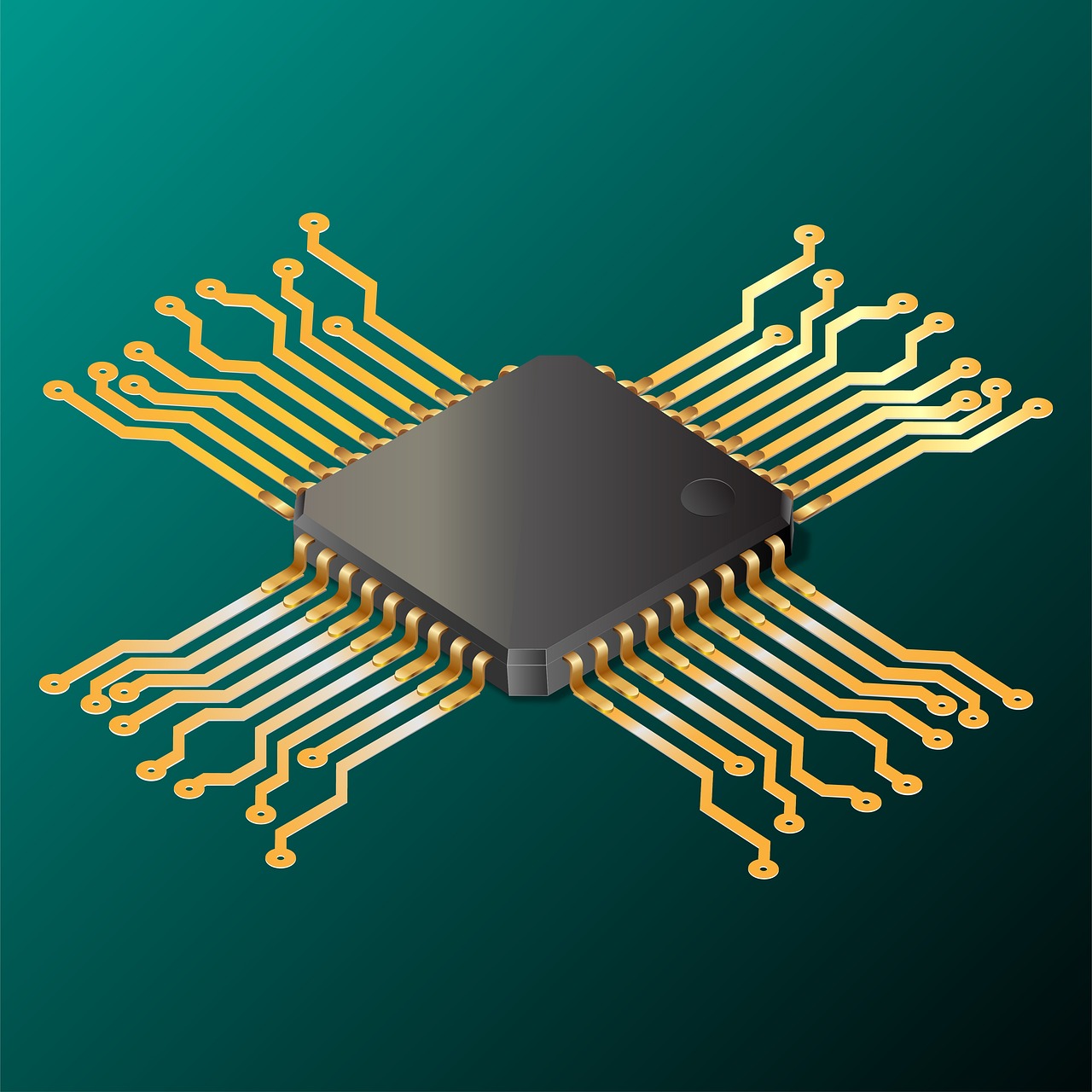
An IC substrate serves as a vital component in semiconductor packaging. It connects the IC chip to the printed circuit board (PCB), ensuring electrical interconnection and mechanical stability. As devices become smaller and more powerful, IC substrates play a crucial role in maintaining signal integrity and managing heat. They also support the miniaturization of electronics, enabling advanced technologies like AI, IoT, and 5G. Recent trends show a 50% rise in advanced IC substrate designs, driven by the demand for compact, high-performance devices. These substrates are indispensable for improving the reliability and efficiency of modern electronics.
Key Takeaways
IC substrates link chips to circuit boards for stable connections.
They help manage heat and keep signals clear in fast devices.
Special materials and layers make devices smaller and stronger.
IC substrates are more precise and complex than regular PCBs.
Many industries need IC substrates, like phones, cars, and healthcare.
Features and Characteristics of IC Substrates
Key Features
Electrical conductivity and signal integrity
An integrated circuit substrate ensures seamless electrical connectivity between the chip and other components. It minimizes signal loss by using low-dielectric constant materials, which is essential for high-speed applications. You’ll find that IC substrates are designed to optimize the routing of high-speed signal lines, ensuring minimal distortion during data transmission. This feature is critical for maintaining signal integrity in modern electronics, especially in devices like 5G smartphones and advanced computing systems.
Thermal management capabilities
IC substrates play a vital role in managing heat generated by chips during operation. They act as efficient heat sinks, dissipating thermal energy to prevent performance degradation. Advanced materials and designs enhance their ability to transfer heat away from the chip, ensuring reliability even in high-performance devices. For example, substrates with multi-layered structures distribute power lines efficiently while facilitating thermal transfers, making them indispensable in IC packaging.
Miniaturization and high-density interconnects
Modern integrated circuit substrates support the trend toward miniaturization. They feature high-density interconnects (HDI) and fine-line pitches, enabling compact designs without compromising functionality. Recent innovations, such as semi-additive manufacturing processes, have further increased wiring density and reduced production costs. These advancements allow IC substrates to meet the demands of smaller, more powerful devices, such as wearables and IoT gadgets.
Structural Characteristics
Multi-layered design
IC substrates often feature a multi-layered structure, which allows for complex routing and integration of components. This design supports high interconnection density, making it ideal for advanced IC packaging methods like flip-chip technology. Multi-layer boards also enhance signal integrity and thermal management, ensuring optimal performance in compact devices.
Use of advanced materials like BT resin and ABF
The use of advanced materials, such as BT resin and ABF, sets IC substrates apart. These materials provide excellent electrical insulation and mechanical stability. They also resist moisture and corrosion, ensuring durability in various environmental conditions. You’ll notice that these materials are crucial for maintaining the reliability of IC substrates in high-frequency applications.
Compatibility with various IC packaging methods
IC substrates are compatible with multiple IC packaging techniques, including flip-chip and wire-bond methods. This versatility allows manufacturers to choose the most suitable packaging approach based on the application. Whether it’s for consumer electronics or automotive systems, IC substrates adapt to meet diverse requirements.
IC Substrates vs. PCBs
Functional Differences
Role in semiconductor packaging vs. general circuit connectivity
You might wonder how IC substrates differ from PCBs in their roles. IC substrates primarily serve as carriers for integrated circuit chips, connecting them to the rest of the system. They play a critical role in IC packaging by ensuring electrical and mechanical stability. On the other hand, PCBs act as platforms for assembling various electronic components, including chips, resistors, and capacitors. This distinction highlights the specialized function of IC substrates in the semiconductor industry.
Higher precision and complexity in IC substrates
IC substrates demand higher precision and complexity compared to PCBs. Their design must support miniaturized components and high-density interconnects. This level of intricacy ensures that IC substrates can handle the advanced requirements of modern electronics, such as 5G devices and AI systems. PCBs, while essential, typically involve simpler designs and lower precision.
Material and Design Differences
Advanced materials in IC substrates
IC substrates rely on advanced materials like polymer and ceramic to meet the demands of high-performance applications. These materials offer superior electrical insulation and thermal management. In contrast, PCBs use materials like copper-clad laminate and glass fiber, which are suitable for general electronic applications but lack the specialized properties of IC substrate materials.
Differences in layer count and interconnect density
IC substrates feature a single core with layers on either side, enabling high-density interconnects. This structure supports the compact designs required for integrated circuit packaging. PCBs, however, often consist of multiple dielectric cores separated by pre-preg material. While this design suits larger electronic assemblies, it cannot match the interconnect density of IC substrates.
Feature | IC Substrates | PCBs |
|---|---|---|
Structure | Single core with layers on either side | One or more dielectric cores with pre-preg material separating layers |
Function | Assembles a chip (or chips) and a few components | Assembles various electronic components, including chips |
Size | Thinner and smaller | Larger dimensions and typically thicker |
Fabrication | More complex fabrication steps | Simpler fabrication methods |
Cost | Higher cost per square inch | Lower cost per square inch |
Cost and Manufacturing Complexity
Higher cost and complexity of IC substrates
The cost of IC substrates is significantly higher than that of PCBs. This difference arises from the need for miniaturization, advanced materials, and precise manufacturing techniques. As devices shrink in size, IC substrates must support increased complexity within the same space. Additionally, their role in thermal management and signal integrity adds to the overall cost.
Specialized manufacturing processes
IC substrates require specialized manufacturing processes, such as the Modified Semi-Additive Process (MSAP). This method involves electroplating a thin copper layer, applying protective layers, and refining the substrate through flash etching. These steps ensure the precision and reliability needed for high-tech applications. PCB manufacturing, in comparison, involves simpler processes like copper patterning and solder mask application, making it less complex and more cost-effective.
The North American advanced packaging ecosystem has embraced these specialized techniques to meet the growing demand for IC substrates in cutting-edge electronics.
Types of IC Substrates
By Packaging Method
Flip-chip substrates
Flip-chip substrates are a popular choice in IC packaging due to their excellent electrical and thermal performance. These substrates use solder bumps on the chip’s surface to establish connections with the IC substrate PCB. This design minimizes signal interference and enhances heat dissipation, making it ideal for high-frequency applications. Flip-chip technology also supports high input/output (I/O) capabilities and offers flexibility in substrate design. However, the manufacturing process for flip-chip substrates involves higher costs due to the complexity of wafer fabrication and assembly. Despite this, their superior performance makes them indispensable in advanced electronics like 5G devices and AI systems.
Wire-bond substrates
Wire-bond substrates rely on thin wires to connect the chip to the IC substrate PCB. This method remains one of the most common bonding techniques due to its simplicity and cost-effectiveness. Wire bonding can achieve high performance through careful design, although it may not match the thermal and electrical efficiency of flip-chip technology. Wire-bond substrates are often used in applications where cost is a critical factor, such as consumer electronics. They also provide reliable connections for lower-frequency devices, making them a versatile option in IC packaging.
Type of IC Substrate | Description | Characteristics |
|---|---|---|
Flip Chip (FC) | Uses solder bumps on the chip’s surface for connections | Excellent thermal and electrical properties, high I/O capability |
Wire Bond | Connects the chip to the substrate using thin wires | Cost-effective, suitable for lower-frequency devices |
By Material Type
BT resin substrates
BT resin substrates are widely used in IC packaging due to their established market presence and reliable performance. These substrates offer excellent electrical insulation and mechanical stability, making them suitable for various IC package designs. However, the high production costs and difficulty in changing raw materials can pose challenges for manufacturers. BT resin substrates are often chosen for applications requiring proven reliability, such as automotive and industrial electronics.
ABF substrates
ABF substrates are gaining popularity for their ability to support thinner circuits and high pin-count IC packages. These substrates use advanced materials that enable high-density build-up substrates, which are essential for compact and powerful devices. However, ABF substrates come with high technical difficulties in production and limited manufacturing sources. Despite these challenges, they are crucial for cutting-edge applications like AI processors and high-performance computing.
Material | Advantages | Disadvantages |
|---|---|---|
BT Resin | Reliable performance, established market presence | High production costs, limited flexibility |
ABF | Supports thinner circuits, ideal for high pin-count ICs | High technical difficulty, limited manufacturers |
By Bonding Technology
Solder bump bonding
Solder bump bonding is a key technology in flip-chip substrates. It uses small solder balls to connect the chip to the IC substrate PCB, ensuring strong electrical and mechanical bonds. This method supports high-density interconnects and enhances thermal performance, making it suitable for high-frequency devices. Solder bump bonding is often used in advanced IC packaging methods where performance is a priority.
Wire bonding
Wire bonding remains a versatile and cost-effective bonding technology. It connects the chip to the IC substrate PCB using fine wires, providing reliable electrical connections. This method is compatible with various IC package designs and is widely used in consumer electronics. While it may not match the performance of solder bump bonding, wire bonding offers a practical solution for many applications.
Bonding Technology | Description |
|---|---|
Solder Bump Bonding | Uses solder balls to connect the chip to the substrate, ensuring strong bonds and high performance |
Wire Bonding | Connects the chip to the substrate using fine wires, offering cost-effective and reliable connections |
Tip: Choosing the right bonding technology depends on your application’s performance requirements and budget constraints.
IC Substrate Manufacturing Process

Key Steps
The IC substrate manufacturing process involves several precise steps to ensure high performance and reliability. Each step plays a critical role in creating substrates that meet the demands of modern electronics. Here’s an overview of the process:
Material Preparation and Layering
The process begins with preparing the substrate core, typically made from advanced materials like BT resin or ABF. Manufacturers build circuitry by adding an ABF base material to the core. Pre-curing reinforces the structure, ensuring durability during subsequent steps.Circuit Patterning and Etching
Micro-etching prepares the surface for a copper seed layer, which enhances conductivity. A photoresist coating is applied, followed by creating circuit patterns using photolithography. Copper electroplating strengthens the circuits, and the photoresist film is removed using the Semi-Additive Process (SAP).Drilling and Via Formation
Laser drilling creates vias, which are tiny holes that connect different layers of the substrate. Alignment accuracy is crucial here to ensure seamless electrical connections between layers.Surface Finishing and Testing
The final steps involve surface finishing to enhance durability and conductivity. Rigorous testing ensures the substrate meets quality standards, detecting any defects that could impact performance.
Tip: Each step in the IC substrate manufacturing process is designed to maximize precision and reliability, ensuring the substrate can handle the demands of integrated circuit packaging.
Challenges in Manufacturing
The manufacturing process of IC substrate PCB faces several challenges, particularly as devices become smaller and more complex. These challenges include:
Challenge | Description |
|---|---|
Precision in patterning | Maintaining fine-line precision is critical for high yield and reliability. |
Material quality | Ensuring high-quality materials prevents defects and enhances performance. |
Scalability in production processes | Scaling up production is difficult due to the increasing complexity of IC substrates. |
Complexity of features | Advanced techniques are required to manage intricate designs and multilayer structures. |
Process control | Effective process control helps identify and eliminate defects during production. |
Overlay accuracy | High overlay accuracy is essential but can slow down throughput due to tighter tolerances. |
Exposure focus | Narrower pitches and complex surfaces demand precise exposure focus for optimal results. |
Precision remains one of the most significant hurdles. Detecting void defects, ensuring accurate defect sorting, and addressing alignment accuracy in laser drilling require advanced inspection tools. Voids within the substrate material can reduce electrical performance and compromise mechanical integrity. High-resolution imaging systems are essential to detect these issues, especially in multilayer structures where surface imperfections can complicate the process.
Note: The IC substrate and package assembly ecosystem continues to innovate, addressing these challenges to meet the growing demand for high-performance integrated circuits.
Applications of IC Substrates

Consumer Electronics
Smartphones, tablets, and laptops
IC substrates play a pivotal role in modern consumer electronics. They ensure seamless communication between integrated circuits (ICs) and other components by providing reliable electrical interconnections. These substrates also offer structural support to semiconductor chips, protecting them from environmental damage. Additionally, they facilitate efficient thermal transfers, which is crucial for maintaining the performance and reliability of devices like smartphones, tablets, and laptops.
Key Role | Description |
|---|---|
Electrical Interconnection | Provides paths for electrical signals, ensuring communication between ICs and circuits. |
Structural Supports | Offers physical support to semiconductor chips, protecting them from environmental factors. |
Thermal Transfers | Facilitates heat dissipation, crucial for maintaining performance and reliability. |
Signal Integrity | Minimizes signal loss in high-frequency applications, ensuring effective data transmission. |
By minimizing signal loss and enhancing data transmission, IC substrates contribute to the high-speed performance of these devices. Their ability to support compact designs also aligns with the growing demand for smaller, more powerful electronics.
Automotive Industry
Advanced driver-assistance systems (ADAS)
In the automotive sector, IC substrates are essential for advanced driver-assistance systems (ADAS). These systems rely on high-performance electronics to process data from sensors and cameras. IC substrates ensure reliable connections and efficient thermal management, which are critical for the functionality of ADAS.
Electric vehicle (EV) components
Electric vehicles (EVs) also benefit significantly from IC substrates. These substrates support the integration of advanced electronics in EV components, such as battery management systems and power inverters. The automotive industry has seen a surge in IC substrate adoption, with over 50% of new automotive electronic components now incorporating these substrates. This trend highlights their importance in enhancing the reliability and efficiency of automotive systems.
IC substrates are utilized in automotive applications such as ADAS and infotainment systems.
They are critical for electric vehicles, supporting components like battery management systems.
The automotive sector significantly contributes to the growth of the IC substrate market.
Telecommunications
5G infrastructure and devices
IC substrates are indispensable in telecommunications, particularly in 5G infrastructure and devices. They enable high-frequency operations, which are crucial for modern communication networks. Flip-chip ball grid array (FCBGA) technology, a key application of IC substrates, has seen a 50% increase in adoption over the last five years. This growth is driven by the rise of AI-driven computing and 5G technology.
FC BGA adoption has increased by 50% in the last five years due to the rise of AI-driven computing and 5G.
FC CSP technology is integrated into nearly 55% of 5G-enabled smartphones, enhancing signal integrity and power efficiency.
IC substrates facilitate efficient signal transmission in interconnected systems like 5G infrastructure.
By supporting high I/O density and fine line spacings, IC substrates ensure efficient signal transmission and power management in 5G devices. Their role in telecommunications underscores their importance in advancing modern communication technologies.
Other Applications
Medical Devices
IC substrates play a vital role in advancing medical devices by enhancing their precision and reliability. These substrates protect the circuitry within devices, ensuring stable performance even in critical applications. For example, they optimize the routing of high-speed signal lines, which is essential for accurate data transmission in diagnostic equipment. Additionally, IC substrates efficiently distribute power lines and dissipate heat, preventing performance degradation in devices like pacemakers and imaging systems.
The demand for IC substrates in medical devices has grown significantly due to the rise of technologies like AI and IoT. These innovations require high-performance components to meet the stringent reliability standards of patient care. IC substrates ensure that medical devices operate with the accuracy needed for life-saving procedures.
IC substrates improve the precision of diagnostic tools, enabling better patient outcomes.
They enhance the reliability of wearable health monitors, which are becoming increasingly popular.
Their ability to manage heat and power ensures the longevity of critical medical equipment.
Industrial Automation
In industrial automation, IC substrates are indispensable for improving the functionality and reliability of sensors and control systems. These systems form the backbone of automated processes, where precision and efficiency are paramount. IC substrates protect the chip circuitry, ensuring seamless communication between components. They also support high-speed signal transmission, which is crucial for real-time decision-making in automated environments.
The adoption of Industry 4.0 and IoT has driven significant growth in the IC substrate market. These technologies rely on advanced electronics to enable smart factories and autonomous systems. IC substrates meet these demands by providing robust performance and durability.
IC substrates enhance the reliability of sensors used in robotics and manufacturing.
They support the integration of AI-driven systems, enabling smarter automation.
Their thermal management capabilities ensure consistent performance in harsh industrial environments.
Tip: As automation continues to evolve, IC substrates will remain a cornerstone of innovation, enabling faster, smarter, and more reliable systems.
IC substrates are the backbone of modern electronics, bridging the gap between semiconductor chips and PCBs. They enhance performance through features like high-density interconnects and advanced thermal management. Emerging trends, such as glass core substrates and 2.5D/3D packaging, are revolutionizing the industry. These innovations enable compact designs and support technologies like AI and 5G. By integrating multiple chips in a single package, IC substrates drive miniaturization and heterogeneous integration, ensuring the future of semiconductor advancements. As demand grows, their role in shaping next-generation devices becomes even more critical.
FAQ
What is the role of IC substrates in advanced packaging?
IC substrates act as a bridge between microchips and PCBs. They provide electrical connections and mechanical support. In advanced packaging, they enable high-density designs, ensuring compact and efficient integration of components.
How do IC substrates differ from traditional PCBs?
IC substrates use advanced materials and manufacturing techniques. They support high-density laminates and finer interconnects, unlike traditional PCBs. This makes them suitable for applications requiring precision and miniaturization, such as microchip PCB assemblies.
Why are IC substrates important for high-performance devices?
IC substrates ensure signal integrity and thermal management. They support high-density designs, which are essential for compact devices like smartphones and 5G infrastructure. Their role in advanced IC substrate technology drives innovation in high-performance electronics.
What challenges exist in IC substrate manufacturing?
Manufacturing IC substrates involves precision and scalability challenges. High-density laminates and advanced packaging techniques require specialized processes. Ensuring defect-free production while meeting demand remains a key hurdle.
How does IC substrate infrastructure impact the semiconductor industry?
IC substrate infrastructure supports the development of advanced packaging solutions. It enables the production of high-performance devices by integrating high-density designs. This infrastructure drives innovation in industries like telecommunications and automotive.