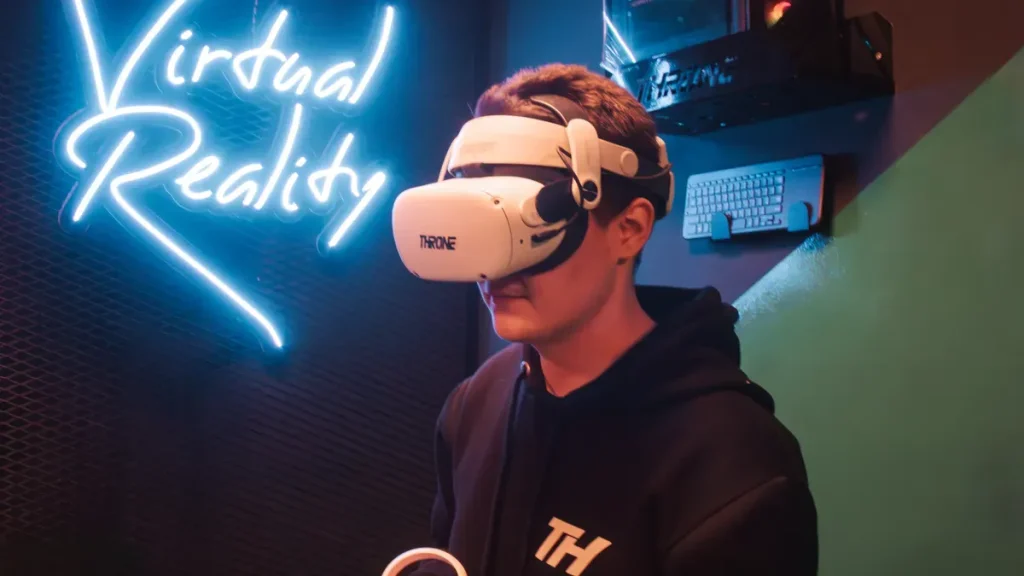
You can see humanoid robots in real life today. For example, Unitree Robotics G1 can walk and pick up things. Motion-tracking suits help robots learn to move like people. More than 50 developers around the world work on humanoid robot research.
The market for humanoid robots was $1.58 billion in 2024. It is growing quickly because robots are used in factories and hospitals.
Here is a quick look at where you might see these robots now:
Timeframe | Deployment Focus |
|---|---|
Next 3 years | Tote picking, palletizing, line feeding in controlled spaces |
Next 5 years | Cleaning, hospital supply transport, laundry handling |
Next decade | Elder-care, construction, cross-domain tasks |
You may wonder about safety, daily use, jobs, privacy, and the future of automation.
Humanoid Robot Capabilities
What They Can Do
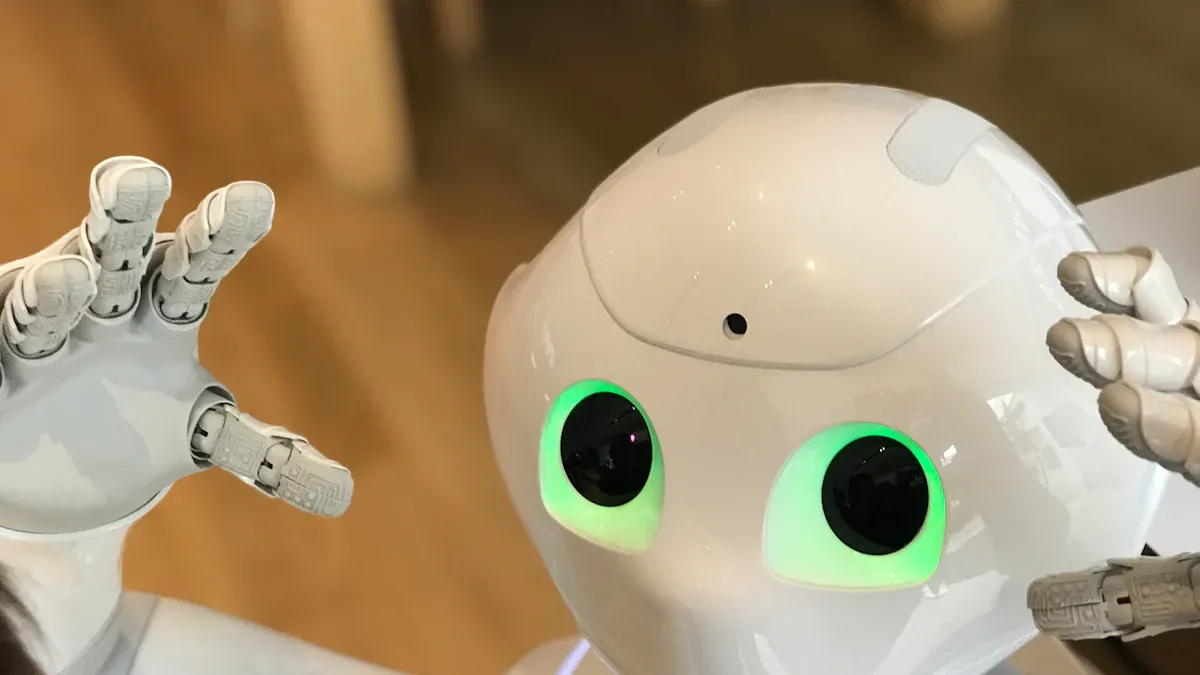
People wonder what humanoid robots can do now. Today, robots show skills that seemed impossible before. The Unitree Robotics G1 is a good example. It has many cool features. Here is what this robot can do:
Feature | Description |
|---|---|
Height | It stands 127 cm (4’2″) tall. |
Torque | Its joint motors give up to 120 N·m of torque. |
Load Capacity | It can carry loads up to 2 kg with care. |
Navigation | It uses 3D LiDAR and depth cameras to move around. |
Applications | It helps with research, education, and light work. |
Dexterity | Its hands can pick up and move things. |
AI Performance | Its AI helps it understand and act in real places. |
You can see these robots working in factories and hospitals. They sort things, lift boxes, and move items. Some robots pick up things from the floor and put them on shelves. Their batteries last about 90 minutes before charging.
Motion-tracking suits teach robots to move like people. These suits collect movement data. When you wear one, the robot copies your moves. This helps robots walk, bend, and climb stairs. AI uses this data so robots can learn new jobs.
Here are things you can expect from humanoid robots today:
They handle objects well.
They use sensors and cameras to move.
They work in small spaces.
They sort, lift, and move packages.
They help with research, school, and light work.
Humanoid robots help with dangerous jobs. You find them in building sites, mines, and rescue work. They do risky tasks to keep people safe. At home, some robots help with chores or care for older people.
Note: New humanoid robots look more real and move better than old ones. Early robots could only walk a little. Now, robots like Atlas and Digit can jump, climb stairs, and know how people feel.
Current Limitations
Even with these new skills, robots still have problems. Many robots find easy human tasks hard. For example, picking up small things or using tools is tough for robots.
Limitation | Description |
|---|---|
Lack of force feedback | Robots cannot feel how hard they grip, so gentle tasks are hard. |
Limited finger control | Most robots can only open and close fingers, not move them with skill. |
Safety concerns | Many robots are not safe near people without special controls. |
Robots have trouble with finger movements. They cannot move fingers like people do. Many robots cannot feel force well, so they might drop or crush things. Safety is still a problem. Most robots need safe spaces to work.
Robots look and move better now, but they still cannot move as smoothly as people. Old robots like ASIMO could walk and wave. New robots like NEO and Walker S1 use smart AI and sensors, but they still cannot do everything people can.
Battery life and strength also limit robots. Most robots need to charge after 90 minutes. They can only lift certain weights. Some robots can carry up to 25 kg, but most carry less.
Safety & Reliability
Safety Measures
You might ask if humanoid robots are safe for people. Safety is very important for anyone who makes or uses robots. There are many rules to help keep everyone safe. Here is a table with some key safety standards for robots:
Safety Standard | Focus Area |
|---|---|
ISO/SAE 21434 | Cybersecurity risk management for autonomous systems |
ISO/IEC 27001 | General information security |
IEC 62443 | Industrial network security |
NIST SP 800-183 | IoT security adaptation |
There are also special rules for robots that help kids, older adults, or people with disabilities. Designers make sure robots do not get too close to people. They also follow social rules. Ethical rules protect your privacy and your rights. These rules stop robots from doing things that could hurt you or others.
Manufacturers use different ways to make robot grippers safe and strong:
Grippers have smart controls to change how hard they hold.
Robots can tell what kind of object they are holding.
Safety parts keep the grip safe if the power stops.
Grippers can work in hot or dirty places.
Some grippers stay clean for hospitals or kitchens.
Note: Physical safety matters a lot. Robots might fall or bump into things. Designers try hard to make these risks smaller.
Reliability Today
You might wonder if robots work well every day. Experts say robots still have many problems. For example, robots can have trouble walking on bumpy ground. They also find it hard to move in crowded places. Robots need smart sensors to avoid hitting people or things.
Robots can break down more than you think. In real tests, robots sometimes stop working after a few hours. Problems can be speech mistakes or trouble with new things. For example, the robot Pepper had trouble saying hello in banks and care homes.
Here are some things that change how reliable robots are:
Mobility: Robots can lose balance on rough ground.
Perception: Robots must see and know what is around them.
Durability: Robots need to be safe near people who need help.
You should know robots are getting better, but they still have limits. Safety and reliability will get better as technology grows.
Humanoid Robots in Daily Life
Home & Work
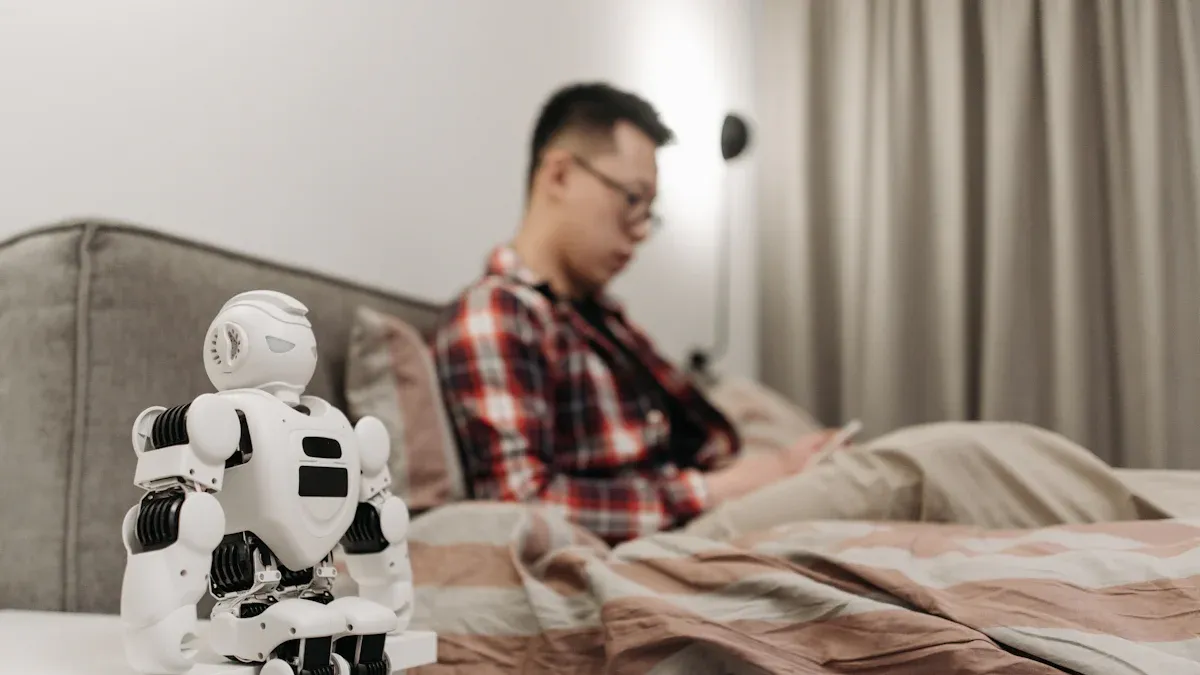
You might wonder if robots will be in your home soon. The answer is yes, and it may happen sooner than you think. Companies are already putting humanoid robots in offices, factories, and homes. Robots now help with jobs that people find boring or hard.
At work, robots often help people do their jobs. Mercedes-Benz uses the Apollo humanoid for checking and moving things in factories. BMW Group is making Figure 02 to help robots learn new tasks faster. Agility Robotics has robots for moving boxes and checking parts. These robots do jobs over and over again. This means people can focus on better work and helping customers.
Some robots are made for homes. They help with chores, carry things, or keep older adults company. You might see robots cleaning, bringing small packages, or making simple food. The Unitree R1 is a good example. The basic model costs about $5,900, which is cheaper than most other robots. The pro version is about $16,000. Because of these lower prices, more families and small businesses can buy a robot.
Model | Price (CNY) | Price (USD) |
|---|---|---|
Base Kit | 39,999 | 5,900 |
Pro Configuration | N/A | 16,000 |
China is leading in using lifelike robots every day. You can see humanoid robots in homes, factories, and public places. They can entertain, deliver things, and watch over areas. Some robots make food on the street or keep parks safe. Factories use robots to do dangerous or boring jobs. This helps when there are not enough workers.
Tip: If you go to a new factory or a tech show, you might see a humanoid robot working or greeting people. These robots show how fast technology is changing our lives.
Accessibility
You may ask if everyone can use humanoid robots in public places. Many people want robots to help in hospitals, schools, and parks. You can find robots in some places, but not everywhere yet. There are still some problems that slow down how fast robots spread.
Barrier Type | Description |
|---|---|
Technical Issues | More than half of studies say robots have technical problems. |
Limited Performance | Robots often have trouble moving, talking, or working with people. |
Negative Perceptions | Some people think older adults cannot use robots. Some people do not like robots. |
Technical problems are still a big issue. Robots sometimes break or cannot move well in busy places. Some robots do not talk clearly or work well with people. Some people feel unsure about robots or think they are too hard for older adults.
Now, there are cheaper robots like the Unitree R1. Lower prices help more people try robots at home or work. As robots get better, you will see them become easier to use and more common in public places.
Note: Humanoid robots are starting to be part of daily life, but there are still problems with cost, how well they work, and what people think. These problems will get smaller as robots get smarter and more reliable.
Jobs & Society
Job Impact
You might wonder how robots will change jobs. Robots help in factories with building things and checking quality. They make work faster and safer for people. In places like hotels and airports, robots guide people and do simple jobs. You can also see robots working in hospitals.
Here is a table that shows the good and bad sides of robots at work:
Positive Impacts | Negative Impacts |
|---|---|
Job creation in robotics and AI fields | Job displacement for low-skilled workers |
Augmentation of human capabilities | Replacement of human tasks in certain jobs |
Improved workplace safety | Potential unemployment in affected sectors |
Increased productivity |
Robots help create new jobs in robotics and AI. More people will work as robot technicians or programmers. But some jobs go away. Robots can do easy jobs, so low-skilled workers may lose work.
Experts have made guesses about jobs and robots. The World Economic Forum says robots could take 85 million jobs but make 97 million new ones by 2025. The International Monetary Fund and Goldman Sachs say up to 300 million jobs could change or go away. Most jobs will not disappear but will change. You may need to learn new skills to work with robots.
Robots help factories work faster and better.
Robots help service jobs give better customer service.
Societal Change
Robots do more than change jobs. They also change how you talk to others. Many people want robots to listen and talk, not just follow orders. Talking with robots helps people accept them in daily life. Robots like Neo Beta show how machines can talk with people.
Humanoid robots now help with hard jobs and help communities. They make many tasks easier for everyone. You can see robots in schools, hospitals, and public places.
Here is a table showing how different places use robots:
Region | Societal Change Description |
|---|---|
China | Humanoids work in service jobs and show national skills. |
Japan | Robots are friends and help older people. |
Europe | People care about robot rules and teamwork in factories. |
You expect robots to share your space and act friendly. Robots that show feelings and help people become part of your community. As robots become more common, you will see changes in how people work, learn, and connect.
Ethics & Privacy
Ethical Issues
When you use a humanoid robot, new questions come up. Many people worry robots could replace real friends. If you treat a robot like a person, you might lose trust and kindness. Some experts say robots cannot give true support or fairness. It can be hard to know if someone is a real friend or just a machine.
Here are some common ethical concerns:
Humanoids might take the place of real friends.
Treating robots like people can slow your moral growth.
Robots that look real can confuse feelings and fairness.
People should think about what happens when machines act human.
Groups in Europe and North America make rules for these problems. They want humans to stay in control, especially when robots decide things alone. These rules are very important in risky places, like the military. Some experts ask if robots should have rights or just be tools. Laws about tricking people and using data are still changing as robots get smarter.
Privacy Risks
You should know robots with cameras and microphones can risk your privacy. These machines collect and save private information. Sometimes, they do not use strong protection, so hackers can steal data or control the robot. If someone breaks into the system, they might turn off safety features and put you in danger.
Other privacy problems include:
You may not know what data the robot collects or how it uses your information.
Current laws, like GDPR, may not cover all the ways robots handle your data.
Humanoids can track people without clear consent, making privacy harder to protect.
Manufacturers use different ways to keep your data safe:
Strategy | Description |
|---|---|
Cybersecurity frameworks | Use plans to manage risks to your data. |
Security assessments | Find and fix weak spots in the robot’s system. |
Adherence to safety standards | Follow strict rules to stop data leaks. |
Identity and access management | Limit who can see or use private data. |
Secure communications | Protect messages sent between robots and other devices. |
Safe disposal and recycling | Make sure old robots do not leak private information. |
Cyberthreat analysis | Watch for new threats and update protections often. |
You should always ask how your data is used and stored when you use a humanoid. As these robots become more common, privacy and ethics will stay important topics.
Future of Humanoid Robots
Upcoming Advances
You will see big changes in humanoid robots soon. Companies test new robots in real places. By 2025, you can expect some cool advances:
Digit finds items in busy warehouses for shipping.
Figure 01 checks machines and moves parts in factories.
Pepper greets people and helps them in stores.
GR-1 helps patients do exercises for recovery.
Figure AI is a leader in making useful robots. Figure AI works on jobs in warehouses and moving things. This is not the same as Boston Dynamics, which makes robots that jump and move fast. Tesla’s Optimus helps with work in factories. Figure AI uses lots of money and quick building to stay ahead. You see robots like Optimus, Atlas, NAO, and Ameca. Each robot does special jobs. Some robots talk to people. Others work with machines. This shows how artificial intelligence gives each robot different skills.
Tip: Look for new robots in stores, hospitals, and factories. You will see more robots helping people and doing useful jobs.
Realistic Expectations
You may wonder what robots will do in five years. Experts say robots will not do surgery or be personal helpers soon. Robots need better hands and more training data. Artificial intelligence helps robots learn, but it takes time.
A robot that does many jobs needs about ten more years of research.
Most people will not see robots everywhere until the mid-2030s.
Robots will grow faster in the late 2030s and 2040s.
Artificial intelligence in chatbots learns fast, but robots need more time to learn physical jobs. You should expect robots to help with easy jobs first. Over time, robots will get better at moving, talking, and working with people.
Humanoid robots have improved a lot. Now, you can see robots walk and talk. They help people in real places. But robots still have problems.
Robots need to balance better and have stronger batteries.
Robots find it hard to see and understand things quickly.
The market for robots is getting bigger. Robots are used more in hospitals and schools.
Watch for these changes:
Trend | Description |
|---|---|
Realistic Human Interaction | Robots will talk and show feelings in a natural way. |
Advanced Mobility and Dexterity | Robots will move and handle things with more skill. |
Cognitive and Emotional Intelligence | Robots will understand feelings and adjust to people better. |
Collaborative Autonomy | Robots will work alone and also work with people as a team. |
Robots will soon be more helpful and act more like people.
FAQ
Can you buy a humanoid robot for your home?
Yes, you can buy a humanoid robot. Some robots, like Unitree R1, cost less than $6,000. These robots help with easy chores and tasks. More cheap robots will be available soon.
Are humanoid robots safe to use around children?
Manufacturers add safety features to robots. Robots use sensors to avoid hitting people. You should watch children when robots are close. Safety rules help keep everyone safe.
What jobs do humanoid robots do best right now?
Humanoid robots work in factories, hospitals, and warehouses. They lift boxes and sort things. Robots deliver supplies and help with cleaning. Some robots do simple customer service jobs.
Do humanoid robots understand human emotions?
Some robots use AI to see faces and feelings. They answer with friendly words or actions. Robots do not feel emotions like people do. You should not expect real empathy from robots.
How do you keep your data safe when using a robot?
You should check privacy settings before using a robot. Manufacturers use security tools to protect your data. Always ask what data the robot collects and how it stores it.