The pcb copy controversy brings up many legal questions. People ask if copying a pcb copy board is copyright theft or plagiarism. Some people think duplicating a pcb copy board helps them learn. Others say it is plagiarism or stealing copyright. Patent laws protect every pcb copy board, and companies protect their ideas. Copying a pcb can break patent laws, cause copyright problems, and lead to plagiarism claims. Each pcb copy board design might have a patent, so the law depends on the patent. Professionals need to follow pcb copy board patents and copyright rules.
Knowing the rules about pcb copy board copying helps people stay out of legal trouble and keeps business fair.
Key Takeaways
Copying a PCB can get you in legal trouble if the design has patents, copyrights, or trade secrets. Always look for patents or trademarks before copying a PCB so you do not break the law. Copying a PCB without asking can hurt the person who made it and make people trust the industry less. If you own a PCB, you might be able to reverse engineer it, but you cannot use secret or protected information without permission. Being ethical means you give credit, ask for permission, and respect the hard work that goes into PCB designs.
PCB Copy Controversy
Why PCB Copying Is Disputed
The pcb copy controversy happens when people argue about copying. Some engineers think making a pcb copy board helps them learn. Others think it is wrong because it can break rules. Companies spend a long time making a pcb copy board. They use a patent or trademark to protect their work. If someone copies a pcb copy board, there can be legal fights. The person who made it first might lose money or credit.
A pcb copy board can have special features with a patent. Copying these features can break the law. A trademark can protect the look or logo on a pcb copy board. Copying these can cause companies to argue. The pcb copy controversy gets bigger when people do not agree on what is fair or legal.
Note: Copying a pcb copy board without checking for a patent or trademark can cause big problems.
Community and Industry Views
People in electronics have different ideas about the pcb copy controversy. Some think copying a pcb copy board is okay for learning or fixing. Others say copying a pcb copy board without asking is not right. Many leaders say copying a pcb copy board can stop new ideas. They think patents and trademarks keep new ideas safe.
A table below shows what different groups think:
Group | View on PCB Copying |
|---|---|
Hobbyists | Sometimes support for learning |
Engineers | Mixed views, often cautious |
Companies | Usually against, cite patent issues |
Legal Experts | Warn about patent and trademark |
The pcb copy controversy will probably keep going as technology changes. People need to know the risks before copying pcb boards.
PCB Copy Board Defined
What Is a PCB Copy Board
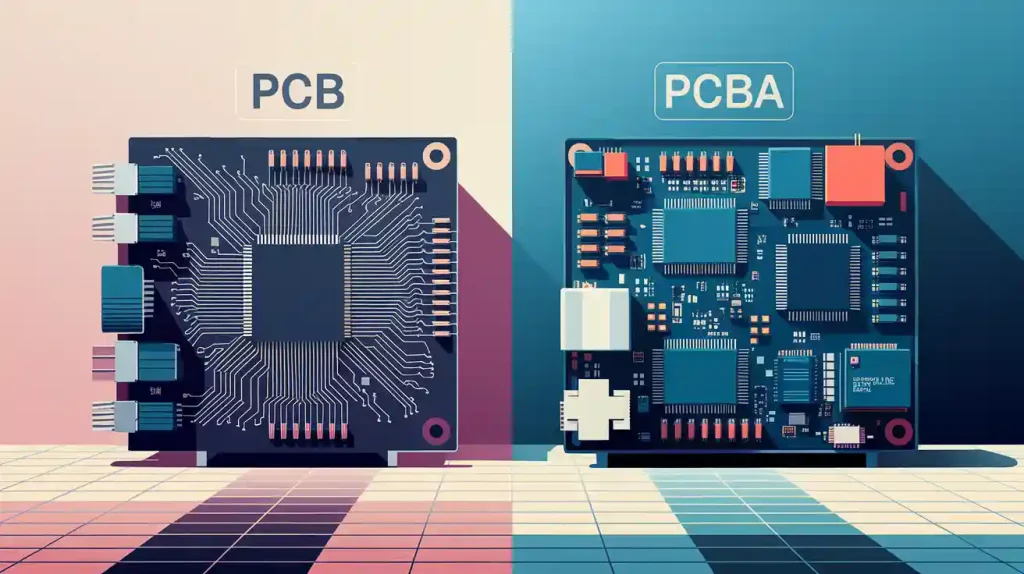
A pcb copy board is a physical or digital duplicate of an existing pcb. Engineers or technicians create a pcb copy board by studying the original pcb and then making a new version. This process often uses special tools to scan or map the layers of the pcb. A pcb copy board matches the layout, connections, and sometimes even the components of the original pcb. People may call this process a circuit board copy or a circuit board clone.
A pcb copy board can look almost the same as the original. The main goal is to make a working copy that performs like the first pcb. Some people use a pcb copy board to repair old devices. Others use it to learn how a pcb works. The process of making a pcb copy board can be simple or complex, depending on the design.
Note: A pcb copy board does not always include the software or firmware that runs on the original pcb.
Common Reasons for PCB Cloning
People choose to make a pcb copy board for many reasons. Some want to fix broken equipment when the original pcb is no longer available. Others use a pcb copy board to study how a device works. In some cases, companies use a circuit board copy to test new ideas or improve old designs.
Here are some common reasons for pcb copy board cloning:
Repairing devices when the original pcb is out of production
Learning about electronics by making a pcb copy board
Creating backups in case the main pcb fails
Testing changes before making a new pcb design
Supporting legacy systems with a circuit board copy
A pcb copy board can help keep old machines running. It can also help students and engineers understand how a pcb works. Sometimes, a pcb copy board helps companies save money by avoiding the need to design a new pcb from scratch.
Caution: Making a pcb copy board for commercial use can lead to legal issues if the original pcb is protected by patents or copyrights.
Legal Issues
Patent Protection
A patent lets inventors stop others from using their inventions. Many companies use patents to keep their pcb designs safe. A patent can protect how a pcb works or how it is made. If someone copies a pcb with a patent, they can get in trouble. Only the patent owner can use the invention. This is called having exclusive rights.
Patents last for a certain number of years. After that, anyone can use the idea. Until then, copying a patented pcb is not allowed. Some people try to change a pcb a little to avoid a patent. This does not always help them. Courts look at the details to see if someone broke the law.
Tip: Always check if a pcb has a patent before copying it.
Copyright Infringement
Copyright protects the creative parts of a pcb. This means the layout, artwork, and design are covered. Copyright starts as soon as someone makes the pcb design. You do not have to register it, but registration helps in court. If someone copies a pcb without asking, it is copyright infringement.
You can break copyright even if you do not sell the pcb. Making a digital copy or sharing the design online also counts. The law lets the creator control how others use the pcb. Copying a pcb design without permission is copyright infringement.
A table below shows what copyright can protect in a pcb:
Protected by Copyright | Not Protected by Copyright |
|---|---|
Artwork | Ideas |
Layout | Methods |
Drawings | Facts |
Note: Copyright only protects how a pcb looks, not how it works.
Trade Secrets
Some companies keep their pcb designs secret. They do not use patents or copyright. Instead, they use trade secrets. A trade secret is information that helps a company stay ahead. The law protects trade secrets as long as they are kept secret. If someone steals or shares a secret pcb design, it is a problem. This can lead to legal trouble.
Trade secrets can be about how a pcb is made or special features. If someone takes apart a pcb to learn how it works, this can be legal. The law allows this if the pcb was bought and no rules were broken. But if someone uses secret information without permission, it is infringement.
Caution: Sharing or using trade secrets without permission can cause big legal problems.
When Reverse Engineering Is Legal
Reverse engineering means taking apart a pcb to learn about it. The law sometimes allows this. If you buy a pcb and study it, it can be legal. The law does not allow reverse engineering if it breaks a contract or uses stolen secrets. If a pcb has a patent, reverse engineering can still break the law. If a pcb is protected by copyright, copying the layout can break copyright rules.
Reverse engineering does not let you use a trademark. A trademark protects logos, names, and symbols on a pcb. Using a trademark without asking is not allowed. This can confuse people and cause legal trouble.
A list of protections for pcb designs:
Patent: Protects inventions and new ideas in a pcb.
Copyright: Protects the creative design of a pcb.
Trademark: Protects logos and names on a pcb.
Trade Secret: Protects secret methods or features in a pcb.
Always check the law before copying or studying a pcb. Using a pcb the wrong way can lead to lawsuits.
Ethical Considerations
Legal vs. Ethical
Many people think that if something is legal, it must also be right. This is not always true. Copying a pcb may follow the law, but it can still raise questions about ethics. Some engineers see pcb copying as a way to learn. Others see it as plagiarism. Plagiarism means taking someone else’s work and calling it your own. When a person copies a pcb without giving credit, they risk plagiarism. Even if the law does not punish them, the community may not trust them.
Ethics guide people to do what is right, not just what is legal. The ethical implications of cloning a pcb go beyond the law. If a person copies a pcb and sells it, they may hurt the original creator. This can stop new ideas. Plagiarism in pcb design can damage trust in the industry. People who care about ethics try to avoid plagiarism. They respect the hard work behind every pcb.
Tip: Always ask, “Is this action fair to the creator?” before copying a pcb.
Professional Standards
Engineers and companies follow rules called professional standards. These standards help people decide what is right when working with pcb designs. Most groups say that plagiarism is wrong. They teach that copying a pcb without permission or credit breaks trust. Professional standards ask engineers to respect the work of others.
A table below shows how standards address pcb copying:
Standard | View on PCB Copying |
|---|---|
IEEE Code | Says plagiarism is wrong |
Company Policies | Ban pcb plagiarism |
School Rules | Teach against plagiarism |
People who follow professional standards avoid plagiarism in pcb work. They give credit to the original creator. They ask for permission before using a pcb design. These actions show respect for ethics and help keep the industry strong. When engineers follow these rules, they help everyone trust pcb products.
Remember: Good ethics and strong standards protect both creators and users in the pcb world.
Copying a pcb can lead to legal trouble and ethical problems. People risk breaking patent, copyright, or trade secret laws when they copy a pcb. They may also lose trust in the industry. Before making a pcb copy, readers should:
Check if the pcb has legal protection.
Ask for permission to use the pcb design.
Talk to a lawyer about pcb rules.
Respecting pcb rights helps everyone. Always think about the law and ethics before copying a pcb.
FAQ
What is a pcb and why do people copy it?
A pcb is a printed circuit board. People copy a pcb to repair old devices, learn how electronics work, or save money. Some use a pcb copy to keep equipment running when the original is not available.
Is it always illegal to make a pcb copy?
Making a pcb copy is not always illegal. If the pcb does not have patent or copyright protection, copying may be allowed. People should always check the law before making a pcb copy.
Can someone use a pcb copy for school projects?
Many schools let students use a pcb copy for learning. Teachers often allow this if students do not sell or share the pcb copy. Students should ask for permission and give credit to the original creator.
What risks come with selling a pcb copy?
Selling a pcb copy can break the law if the original has protection. Companies may sue for damages. People who sell a pcb copy without permission risk losing trust and facing legal action.