Have you thought about unlocking the hidden power of an IC? IC unlock helps you break limits on an IC. It lets you see its programming, data, or full features. This is important for research, fixing, and testing. It helps you learn more about how ICs work. But, you must follow laws and act responsibly when unlocking ICs.
Key Takeaways
Unlocking an IC shows its secret programs and features. This helps in research and making new things.
Always ask for permission before unlocking an IC. This avoids breaking laws and respects ownership rights.
Use software tools or debugging tools for safer unlocking. These methods help protect the IC from harm.
For hard-to-unlock chips, hire experts with good reviews. Make sure they keep your data safe.
Practice on cheap chips first to learn and gain confidence before unlocking expensive ones.
What is IC Unlock?
Definition and Purpose
IC unlock means finding hidden parts of an integrated circuit (IC). It’s like opening a locked box to see its programming, data, and features. This process, also called IC decrypt, makes encrypted ICs readable. But why unlock an IC? Let’s find out.
Unlocking ICs for Research and Development
If you work in research, unlocking ICs can help a lot. It lets you study the chip’s design and learn how it works. For example, you can use this knowledge to improve your projects or make matching devices. Unlocking ICs also helps test ideas without starting over. It’s like having a guide to help you create.
Applications in Repair and Diagnostics
Have you ever had a broken device and didn’t know why? Unlocking ICs can help you find the problem. By looking at the chip’s data, you can fix issues easily. This is helpful for old devices with missing instructions. Whether fixing gadgets or solving system problems, IC unlock gives you the tools to succeed.
Ethical and Legal Considerations
IC unlock has many uses, but it needs careful thought. There are important rules and ethics to follow.
Importance of Compliance with Laws
You must obey laws when unlocking ICs. Many chips have encryption to protect their designs. Breaking these protections without permission can cause legal trouble. Always get the right approval first. Think of it as respecting the creator’s rules.
Risks of Unauthorized IC Unlock
Unlocking without permission can cause harm. It might reveal private data or weaken a device’s security. For example, breaking encryption could make systems open to attacks. Also, using methods like UV light or probes without skill can ruin the IC. Always think about the risks and act carefully.
Tip: Unsure about the rules or risks? Ask an expert. They can help you stay safe and follow the law.
Methods for IC Unlock

Unlocking an IC can be done in many ways. Each method uses different tools and skills. Let’s look at some common ones.
Software-Based Attacks
These methods find weak spots in the IC’s software. They often focus on encryption or firmware flaws. Here’s how they work:
Use chip communication ports to reach locked areas.
Break encryption by finding its weak points.
Look for design flaws in the chip’s system.
For example, the ATMEL AT89C microcontrollers have a known flaw. Attackers erase the encryption lock bit but stop memory erasure. This lets them access the program data inside the IC.
Debugging tools are also helpful in these attacks. They study the IC’s actions to find weak spots. This helps bypass limits and unlock the chip’s full abilities.
Electronic Probing
This method uses tools to physically check the IC’s signals. It needs special equipment and careful handling.
Checking Internal Signals
Probing watches the IC’s signals, like electromagnetic waves, while it works. These signals give clues about how the chip functions.
Tools for Probing
You’ll need tools like oscilloscopes and logic analyzers. These measure and read the IC’s internal signals. But this method needs skill to avoid harming the chip.
Reverse Engineering
Reverse engineering studies the IC’s design to learn its secrets. It’s like solving a puzzle step by step.
Studying IC Design
This step looks at the chip’s layout and structure. By learning its design, you can find out how it works and its weak points.
Rebuilding Circuit Designs
After studying the design, you can recreate the IC’s circuits. This helps unlock features or copy its functions for research.
Reverse engineering is very useful but takes time and knowledge.
Note: Always get permission before trying any IC unlock method. Doing it without approval can cause legal and ethical problems.
Physical Attacks
Physical attacks mean working directly with the IC to break its encryption or see its data. These methods need special tools, steady hands, and careful work. Let’s explore some common ways and the problems they bring.
Methods like Decapsulation and Microprobing
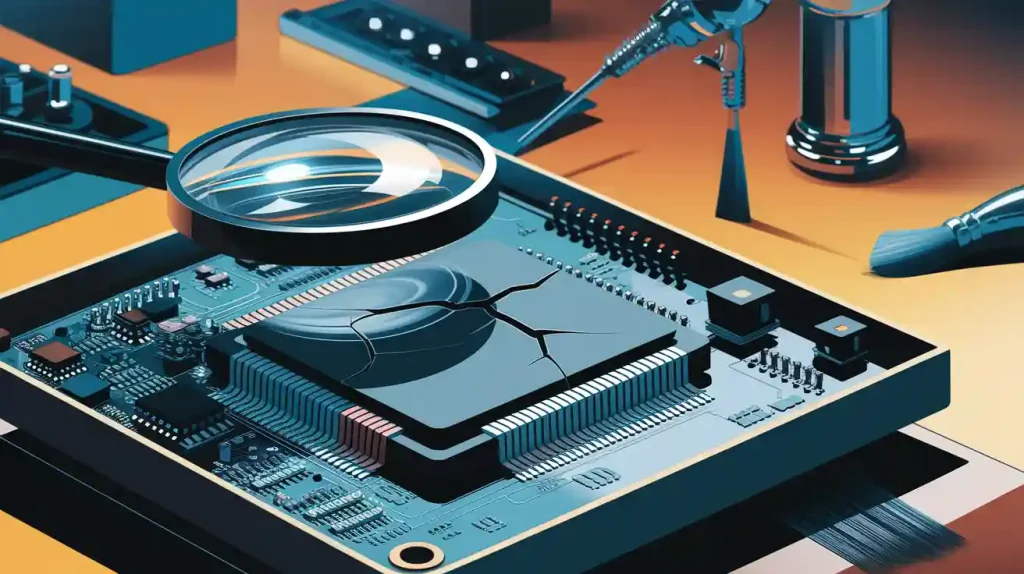
Decapsulation is a well-known method. It removes the IC’s outer cover to show its inside parts. Chemicals, lasers, or tools can peel off the layers. Once open, you can reach the circuits and unlock its features.
Microprobing is another tricky method. Tiny probes are used to touch the IC’s signals. These probes can read data, skip encryption, or change how the chip works. For example, microprobing can catch signals between parts and get important data.
Both methods need skill and care. It’s like doing surgery on a chip—one mistake can ruin it forever.
Problems and Risks of Physical Methods
Physical attacks have risks. First, the IC might get destroyed. Decapsulation can harm the chip if done wrong or with bad tools. Microprobing needs exact moves, and small errors can break the IC.
Another problem is cost. Tools like strong microscopes and lasers are pricey. Also, these methods often leave marks on the IC. These marks show tampering, which can cancel warranties or cause legal trouble if done without permission.
Tip: Practice on cheap chips before trying on important ones. This helps you get better and avoid big mistakes.
Physical attacks are strong ways to unlock ICs, but they’re risky. Be careful and think about the dangers first.
H2: Tools and services for IC unlock

Tools for chip unlocking
Debugging tools
Debugging tools are key for unlocking an IC. They study the chip’s actions to find weak spots in its security. These tools can watch how the processor works during normal use. This method is called electronic detection attacks. Another way, error generation attacks, forces the processor to act strangely. This helps find hidden flaws.
Probe technology is another option. It connects to the chip’s inner parts to change how it works. For older chips, UV attack methods might work well. Ultraviolet light can turn encrypted chips into open ones, especially OTP chips. Some chips also have design flaws that let you read their memory directly.
Decryption software
Decryption software is important for unlocking ICs. It breaks encryption codes to reach locked data. These programs use chip weaknesses, like bad encryption or firmware issues. With good software, you can unlock chips without touching them. This makes it safer and easier for many users.
Professional IC unlock services
Benefits of professional services
Professional IC unlock services are skilled and dependable. They use advanced tools to unlock chips without harm. These services are great for complex chips where DIY methods fail. Full-custom design ICs are common in the market, making experts essential for these tough chips. Services are available in places like North America, Europe, and Asia-Pacific, so users can access them easily.
Risks and limitations
Professional services work well but have downsides. They can be expensive, especially for advanced chips. There’s also a chance of data leaks if the provider isn’t secure. Always pick a trusted service to keep your data safe.
Tip: Check the provider’s skills and reviews before choosing. This helps you avoid problems and ensures a smooth IC unlock.
IC Unlock Services
Types of Services Available
Professional IC Unlock Providers
Experts in IC unlock use advanced tools to decrypt chips. They follow a clear process for success. First, you pay a starting fee. Then, they show proof of their work. Finally, you pay the rest after testing the results. For common ICs, success is almost always guaranteed. Special ICs may need extra checks before starting. These services are best for tough or valuable ICs.
DIY Tools and Kits
DIY kits let you unlock ICs on your own. They include tools, software, and guides to help you. These kits cost less than hiring experts but lack their process. Success depends on your skills and the IC’s difficulty. DIY kits are good for hobbyists or simple ICs.
Tip: If you’re a beginner, try easy DIY kits first. Build your skills before moving to harder projects.
Choosing a Service Provider
Factors to Consider
Pick a service with skill, good reviews, and fair prices. Choose providers who know your IC model well. Read reviews to check their reliability. Compare costs, but don’t pick cheap over quality. A skilled provider saves time and avoids mistakes.
Ensuring Data Security and Confidentiality
Protecting your data is very important. Make sure the provider keeps your IC’s data private. Ask how they secure sensitive information. A trusted provider will focus on keeping your data safe.
Availability and Accessibility
Regional Availability of Services
IC unlock services are common in North America, Europe, and Asia-Pacific. But access depends on costs, tools, and IC difficulty. Advanced ICs may need special tools, raising costs or limiting access in some areas.
Online Resources and Platforms
Online platforms make IC unlock easier to access. Many services let you mail your IC for unlocking. You can also find DIY tools and guides online. These are great for learning and trying new methods.
Factor | Description |
|---|---|
Pricing | Costs depend on the IC model being unlocked. |
Equipment Requirements | Extra costs may come from renting special tools like FIB equipment. |
Complexity of IC Models | Unlocking gets harder if the IC is modified or uncommon. |
Note: Always check if online platforms are trustworthy before using their services or buying tools.
Ethical and legal considerations in IC unlocking
Intellectual property and ownership
Unlocking an IC involves dealing with intellectual property (IP) rights. These rights protect the design and layout of ICs. They ensure creators get credit for their work. Unlocking without permission can cause ownership disputes or IP violations.
For example, courts often check if unlocking breaks exclusive rights. A recent case from the Intellectual Property Tribunal showed this.
The Intellectual Property Tribunal of the Supreme People’s Court reviewed a case about IC layout design rights. The ruling focused on the facts, legal reasons, possible harm, and urgency. It supported protecting the applicant’s rights.
This case shows how important IP laws are. Always respect IC ownership to avoid legal issues.
Risks of misuse
Unlocking ICs can be risky if done carelessly. Misusing unlocked ICs may cause security problems or harm the owner. For instance, accessing private data without permission can expose sensitive information. It might also weaken device security, making it easier for hackers to attack.
Unlocking can also damage the IC. Physical methods, like probing, might ruin the chip permanently. This could void warranties or lead to financial losses. Always think about these risks before unlocking.
Guidelines for ethical unlocking
Authorization and consent
Always get permission before unlocking an IC. Ask the owner or manufacturer for approval. It’s like borrowing something—you need to ask first. Consent ensures you act ethically and respect the creator’s rights.
Compliance with laws
Different countries have laws about IC unlocking. Some have strict rules to protect IP and prevent misuse. Learn these laws before starting. Following them keeps you safe from legal trouble and shows respect for industry standards.
Tip: Unsure about the rules? Ask an expert. They can guide you and help you follow the law.
By following these steps, you can unlock ICs responsibly and avoid problems.
Unlocking an IC lets you do many things. It helps you use its full features for research, fixing, or creating new things. Methods like software attacks, reverse engineering, and probing can unlock ICs. Each method works well but has risks. For example, UV light might ruin the chip, and probes can leave marks.
Here’s a simple look at methods and their risks:
Method | What It Does | Risks and Problems |
|---|---|---|
Electronic Detection Attacks | Watches the chip’s signals and electromagnetic waves while it works. | Needs special tools and high accuracy to work well. |
Error Generation Attack | Causes errors in the chip to find hidden data. | Voltage changes might break protections or cause wrong actions. |
Probe Technology | Physically touches the chip to get information. | Can damage the chip or trigger security alarms. |
UV Attack Methods | Uses ultraviolet light to change or erase memory. | Might destroy the chip or delete important data. |
Exploiting Chip Loopholes | Finds and uses mistakes in the chip’s design. | Could make the chip act strangely or create security risks. |
If you’re not sure how to unlock an IC, ask experts. They can handle tough chips safely. Always follow the rules and get permission first. If unsure, talk to a pro or check trusted guides for help.
FAQ
1. Is IC unlocking legal?
Unlocking an IC is legal if you have permission. Without approval, it may break intellectual property laws. Always check local rules and get consent first.
Tip: Unsure about the law? Ask a legal expert for advice.
2. Can I unlock an IC without damaging it?
Yes, safe unlocking is possible with non-invasive tools. Debugging tools or decryption software work well. Physical methods, like decapsulation, are riskier. Practice on cheap chips to improve your skills.
3. What tools do I need for IC unlocking?
You’ll need debugging software, oscilloscopes, or logic analyzers. For physical methods, tools like microscopes or lasers are needed. Pick tools based on the IC’s difficulty and your skill level.
4. Are DIY IC unlock kits effective?
DIY kits are good for simple ICs or hobbies. They include basic tools and instructions. For advanced ICs, professional help is better.
Note: If you’re new, start with beginner-friendly kits to learn.
5. How do I choose a professional IC unlock service?
Pick a provider with experience in your IC type. Check reviews and ensure they protect your data. Compare prices, but focus on quality and trust.
Reminder: Always check the provider’s reputation to avoid problems.