Comparing New Energy Vehicles and Electric Vehicles
Explore key differences between new energy and electric vehicles.
Features | new energy vehicles | electric vehicles |
|---|---|---|
Main power sources | Electricity, hydrogen, or hybrid power | Electricity only |
Types included | BEVs, PHEVs, FCEVs, hybrids | Mostly BEVs, sometimes PHEVs |
Fuel usage | May use gasoline, hydrogen, or none | No gasoline, only electricity |
Regional terminology | “NEV” term common in China | “EV” term used worldwide |
Environmental impact | Lower pollution, some use gasoline | Zero tailpipe emissions |
Range and charging | Longer range with hybrids and fuel cells | Limited range, needs charging stops |
Infrastructure needs | Needs charging and hydrogen stations | Needs widespread charging stations |
Cost and incentives | Lower initial cost, possible fuel expenses | Lower running cost, bigger incentives |
Technology features | Includes hybrids and fuel cell tech | Focus on electric motors and batteries |
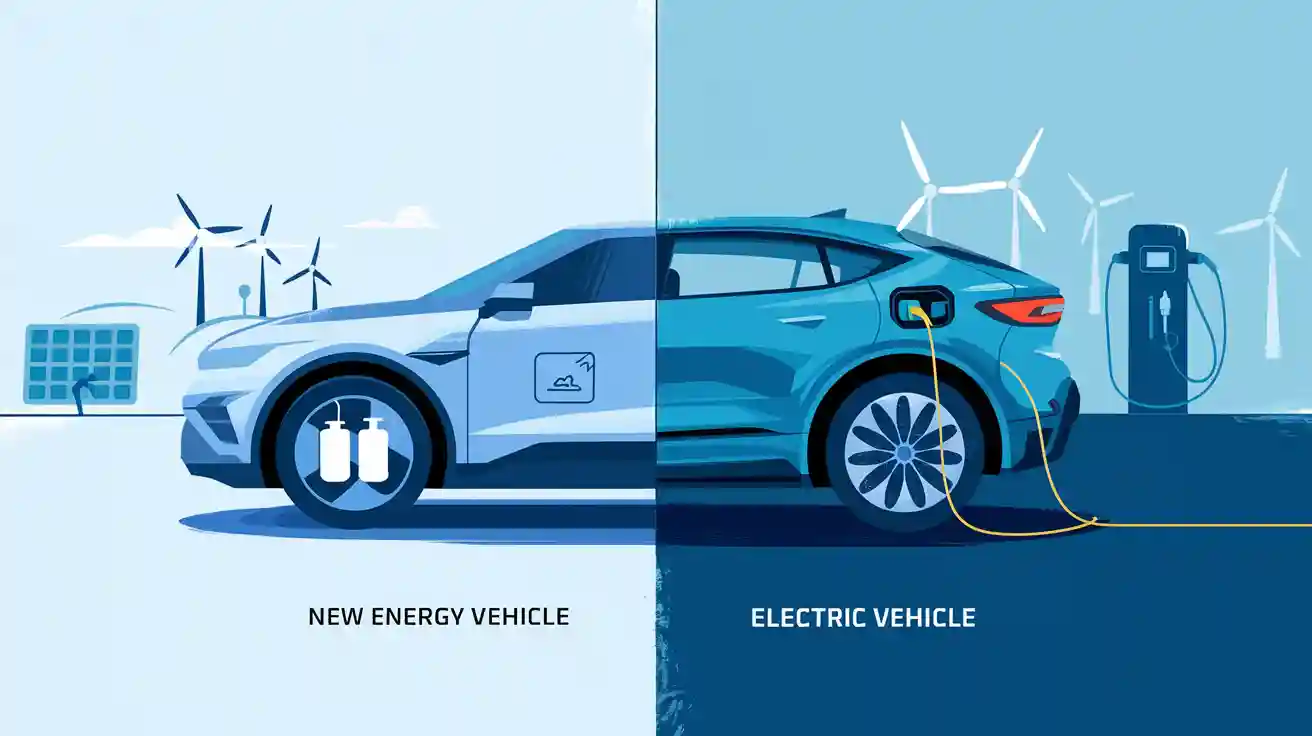
You might ask what makes new energy vehicles different from electric vehicles. New energy vehicles come in many types, but electric vehicles use only electric power to move. All electric vehicles are also new energy vehicles because they use electricity, not gasoline. But some new energy vehicles do not use only electric power. Electric vehicles use just electric motors, but new energy vehicles can use other new technologies too.
Key Takeaways
New energy vehicles are electric cars, hybrids, and fuel cell cars. Electric vehicles only use electricity to move. Electric vehicles do not make tailpipe pollution. They save energy and are good for short trips. They help keep the air cleaner. Plug-in hybrids and fuel cell vehicles can go farther. But they might need gasoline or hydrogen. These cars need special fuel stations. Charging stations and local roads are important when picking a car. Check what is close to you before you buy. The government often gives rewards for electric vehicles. This is because they lower pollution more. Look for local deals to save money.
Definitions
New Energy Vehicles
You might hear “new energy vehicles” a lot, especially in China. These cars do not just use gasoline or diesel. They use new technology to help the environment and save energy. There are three main kinds in this group:
Battery electric vehicles run only on electricity from batteries.
Plug-in hybrid electric vehicles have an electric motor and a gasoline engine. You can charge them with electricity, but they also use fuel.
Fuel cell electric vehicles use hydrogen to make electricity for the motor.
New energy vehicles are more than just electric cars. They include any car that uses electricity, hydrogen, or both electric and fuel power. In China, people often call all these cars “NEV.”
Electric Vehicles
Electric vehicles move using only electric power. They do not have a gasoline engine. The most common kind is the battery electric vehicle. This car keeps energy in a battery and uses it to power an electric motor. Some people count plug-in hybrid electric vehicles as electric vehicles because they can drive short trips on electricity. But most experts say electric vehicles use only electric motors and batteries.
You can charge electric vehicles at home or at public charging spots. These cars do not make tailpipe pollution. They help keep city air cleaner.
Key Differences
When you look at new energy vehicles and electric vehicles, you can see some big differences.
Feature | New Energy Vehicles (NEVs) | Electric Vehicles (EVs) |
|---|---|---|
Main Power Sources | Electricity, hydrogen, hybrid | Electricity only |
Types Included | BEVs, PHEVs, FCEVs, hybrids | BEVs, sometimes PHEVs |
Fuel Use | May use gasoline, hydrogen, or none | No gasoline, only electricity |
Regional Usage | “NEV” common in China | “EV” used worldwide |
Remember, all electric vehicles are new energy vehicles. But not all new energy vehicles are electric vehicles. New energy vehicles also include hybrid and fuel cell cars. Electric vehicles use only electric power. In China, “NEV” means all cars that use new energy, like hybrids and plug-in hybrids. In other places, “electric vehicles” means cars that run only on electricity.
Types
New Energy Vehicles: Types
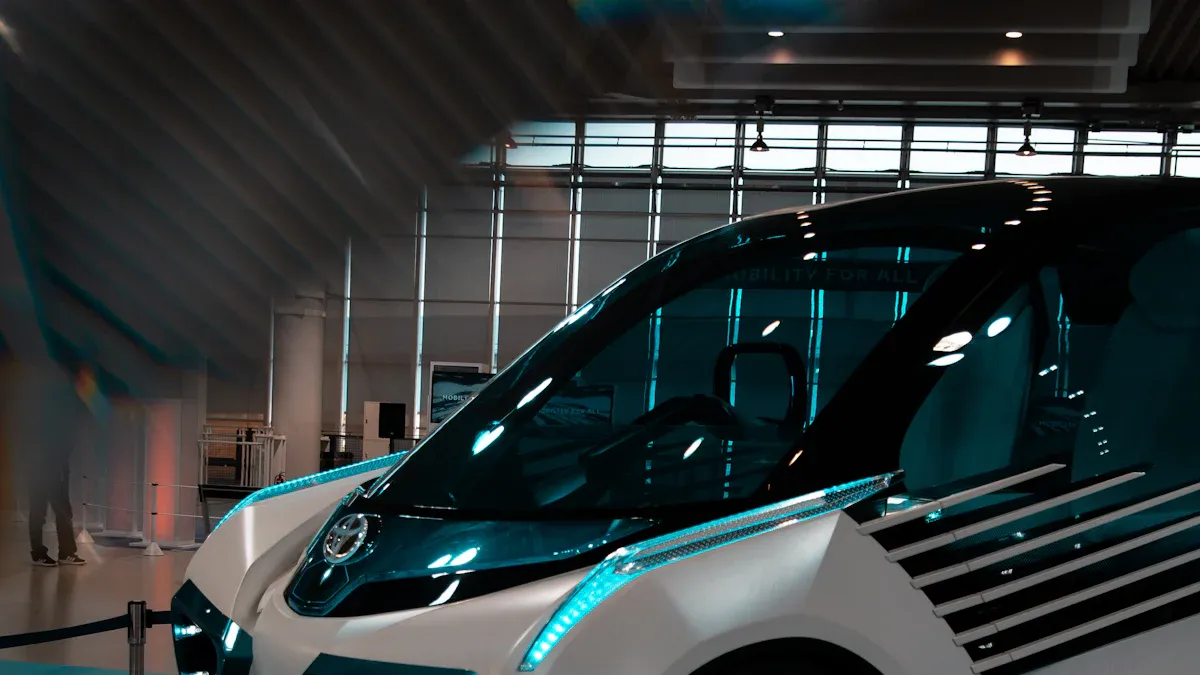
There are different kinds of new energy vehicles you can buy. The main kinds are:
Battery electric vehicles (BEVs): These cars use batteries for power. You plug them in to charge. They do not need gasoline.
Plug-in hybrid electric vehicles (PHEVs): These cars have an electric motor and a gasoline engine. You can drive short trips with just electricity. For longer trips, they use gasoline.
Fuel cell electric vehicles (FCEVs): These cars use hydrogen to make electricity. The electricity moves the car’s motor.
Some new energy vehicles are hybrids. They use both fuel and electric power. People like these cars in places that want less pollution and to save energy.
Electric Vehicles: Types
Electric vehicles come in a few main kinds. The most common is the battery electric vehicle. This kind uses only electric power. It does not have a gasoline engine. Some people think plug-in hybrid electric vehicles are electric vehicles. That is because they can go short distances on electricity. But most experts say electric vehicles should only use electric motors and batteries.
You can charge electric vehicles at home or at public stations. These cars help you use less gasoline and lower pollution.
Overlap and Distinctions
Tip: All electric vehicles are new energy vehicles, but not all new energy vehicles are electric vehicles.
There is some overlap between these groups. Both new energy vehicles and electric vehicles include battery electric vehicles and plug-in hybrid electric vehicles. Only new energy vehicles have fuel cell electric vehicles and some hybrids that use both fuel and electric power. Electric vehicles focus on electric motors and batteries. New energy vehicles include more types, like hydrogen and hybrids.
Here is a simple table to compare:
Type | New Energy Vehicles | Electric Vehicles |
|---|---|---|
Battery electric vehicles | ✅ | ✅ |
Plug-in hybrid electric vehicles | ✅ | ✅ |
Fuel cell electric vehicles | ✅ | ❌ |
Hybrid vehicles | ✅ | ❌ |
Benefits
Efficiency
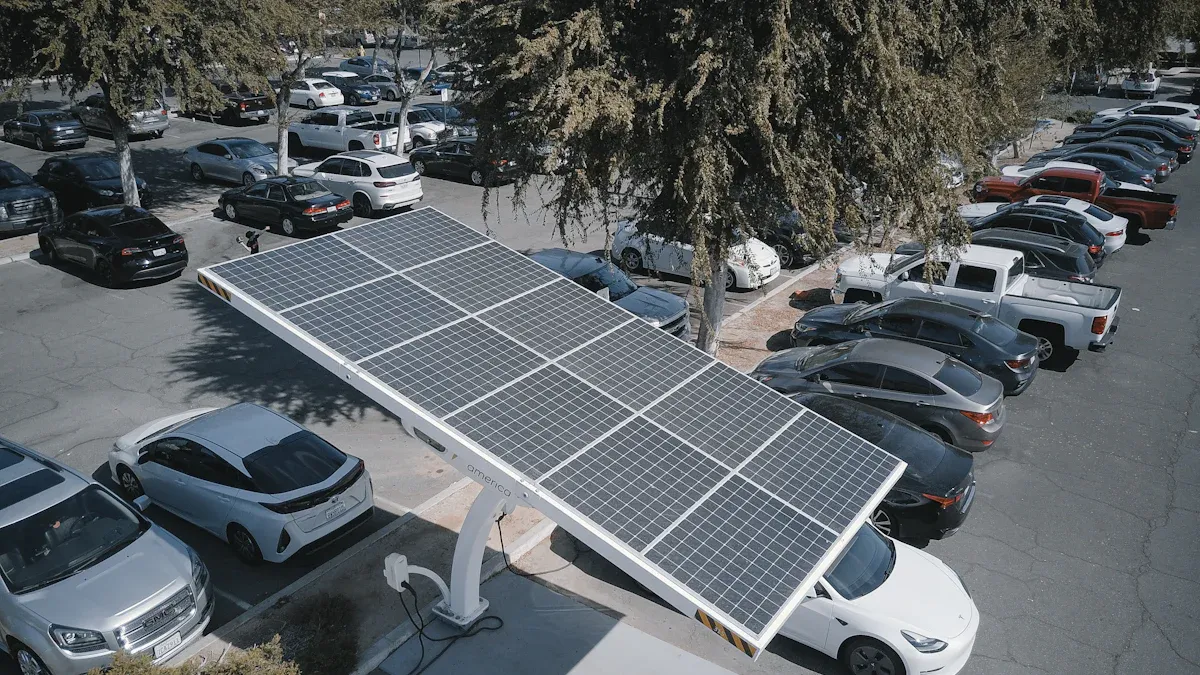
You want a car that saves energy. Electric vehicles use most battery power to move. This helps you drive more miles per charge. New energy vehicles, like plug-in hybrids, use both electricity and gasoline. Hybrids can switch between these two power sources. But they are not as efficient as electric vehicles. Fuel cell vehicles also use energy well. But it is harder to find places to refuel them. Electric vehicles usually win when it comes to saving energy.
Cost and Incentives
You might think about how much these cars cost. Electric vehicles cost less to run. You pay less for fuel because electricity is cheaper than gasoline. Charging at home can save you even more money. New energy vehicles, like hybrids, may cost less to buy at first. But you could spend more on fuel later. Many governments give rewards for both types of cars. These rewards can be tax breaks, rebates, or free charging. Some places give bigger rewards for electric vehicles. That is because they help lower pollution more.
Tip: Always look for local rewards before you buy. These rewards can change often.
Environmental Impact
You want to help the planet. Electric vehicles do not make tailpipe pollution. This keeps city air cleaner. If you charge with green energy, they are even better for the earth. New energy vehicles, like hybrids and fuel cell cars, also make less pollution than regular cars. But hybrids still use gasoline, so they make some pollution. Fuel cell vehicles only make water vapor, which does not hurt the air. If you want the least pollution, electric vehicles are the best.
Limitations
Range and Charging
Range and charging are important when picking a car. Electric vehicles do not go as far as some plug-in hybrids or fuel cell cars. You must plan trips around charging stops. Plug-in hybrids can go farther because they use both electric power and gasoline. Fuel cell vehicles fill up faster, but hydrogen stations are hard to find. Charging takes a while. Fast chargers help, but not every car can use them. Think about how far you drive each day. Make sure the range works for you.
Infrastructure
Charging stations are important for electric vehicles. Cities and highways need many charging spots. Some places have lots of chargers, but others do not. Plug-in hybrids let you use gasoline if you cannot find a charger. Fuel cell vehicles need hydrogen stations, which are rare. Check your area for charging or hydrogen stations before you choose. More stations make owning an electric vehicle easier.
Other Challenges
There are other problems with new energy vehicles and electric vehicles. Battery management systems keep batteries safe, but batteries lose power over time. Cold weather can make batteries weaker. Fuel cell vehicles need clean hydrogen, which is hard to get. Electric vehicles are easy to care for because they have fewer moving parts. Plug-in hybrids and fuel cell vehicles may need more work. Think about these things when you compare cars.
Choosing Between New Energy Vehicles and Electric Vehicles
Factors to Consider
When you pick between new energy vehicles and electric vehicles, you should think about your daily needs. You also need to know what you want from your car. Here are some things to think about:
Driving Habits: If you drive short trips each day, an electric vehicle could be a good choice. You can charge it at home. You do not need to stop at gas stations. If you travel far often, a plug-in hybrid or fuel cell vehicle can go longer distances. These cars give you more choices for long trips.
Local Infrastructure: Check if your city has enough charging stations. Electric vehicles need places to charge. If there are not many chargers, a plug-in hybrid or fuel cell vehicle might be better. Hydrogen stations for fuel cell cars are hard to find in most cities.
Environmental Goals: If you want to help the planet, electric vehicles do not make tailpipe pollution. Plug-in hybrids and fuel cell vehicles also help the air. But only electric vehicles run without any gasoline.
Technology Features: Many new energy vehicles and electric vehicles have smart safety systems. These features help keep you safe and make driving easier. Some electric vehicles can even drive themselves. If you want cool new tech, look for these features.
Budget and Incentives: Electric vehicles usually cost less to use because electricity is cheaper than gasoline. You may get government rewards for both types of cars. Some places give bigger rewards for electric vehicles.
Tip: Think about your daily life and what you need most in a car. This will help you pick the best one.
You have learned how new energy vehicles and electric vehicles are different. New energy vehicles have more kinds. Electric vehicles only use battery power. Think about how you drive each day. Check if there are charging stations near you. Think about how you want to help the environment. New technology and more charging stations will come soon. This will help you pick the best car for you.
FAQ
What is the main difference between new energy vehicles and electric vehicles?
All electric vehicles use only electricity to move. New energy vehicles include electric vehicles, plug-in hybrids, and fuel cell cars. Electric vehicles do not use gasoline at all. New energy vehicles can use electricity, hydrogen, or both together.
Can you charge both new energy vehicles and electric vehicles at home?
Most electric vehicles and many plug-in hybrid new energy vehicles can charge at home. Fuel cell vehicles need hydrogen, so you cannot fill them up at home. Always check your car type before you plan to charge at home.
Which type is better for long trips?
Plug-in hybrid new energy vehicles and fuel cell vehicles can go farther on road trips. Electric vehicles are best for daily drives or short trips. Pick your car based on how far you travel and where you can charge or refuel.
Do both types help the environment the same way?
Electric vehicles do not make tailpipe pollution. Plug-in hybrids and fuel cell vehicles also lower pollution, but plug-in hybrids still use some gasoline. If you want the cleanest car, pick an electric vehicle.
Are government incentives the same for both types?
You may get different rewards for each type. Some places give bigger rewards for electric vehicles because they lower pollution more. Always check local programs before you buy.