Rechargeable batteries are important for powering today’s devices and systems. There are different types of rechargeable batteries for various uses. Lithium-Ion (Li-ion) batteries are popular because they store lots of energy and are lightweight. Nickel-Metal Hydride (NiMH) batteries are eco-friendly and work well in daily gadgets. Nickel-Cadmium (NiCd) batteries are long-lasting, and Lead-Acid batteries are used for heavy jobs. Lithium Polymer (LiPo) batteries are great for small, flexible devices.
The need for rechargeable batteries is growing fast. In 2020, the global market was worth $90 billion. By 2030, it might grow to $150 billion. Industries like car-making, especially electric cars, are helping this growth. Learning about these batteries’ features can help you pick the best one for your needs.
Key Takeaways
Rechargeable batteries come in different types for specific uses. Lithium-ion batteries work well in portable devices. Lead-acid batteries are better for heavy-duty tasks.
Picking the right battery is important for good performance. Think about your device’s power needs and how often you use it to choose the best battery.
Taking care of batteries makes them last longer. Don’t overcharge them or leave them in very hot or cold places.
Nickel-metal hydride batteries are good for the environment. They are great for everyday gadgets and eco-friendly users.
Knowing the pros and cons of each battery type helps you choose wisely. This ensures your devices work safely and perform their best.
Lithium-Ion Batteries
Features of Lithium-Ion Batteries
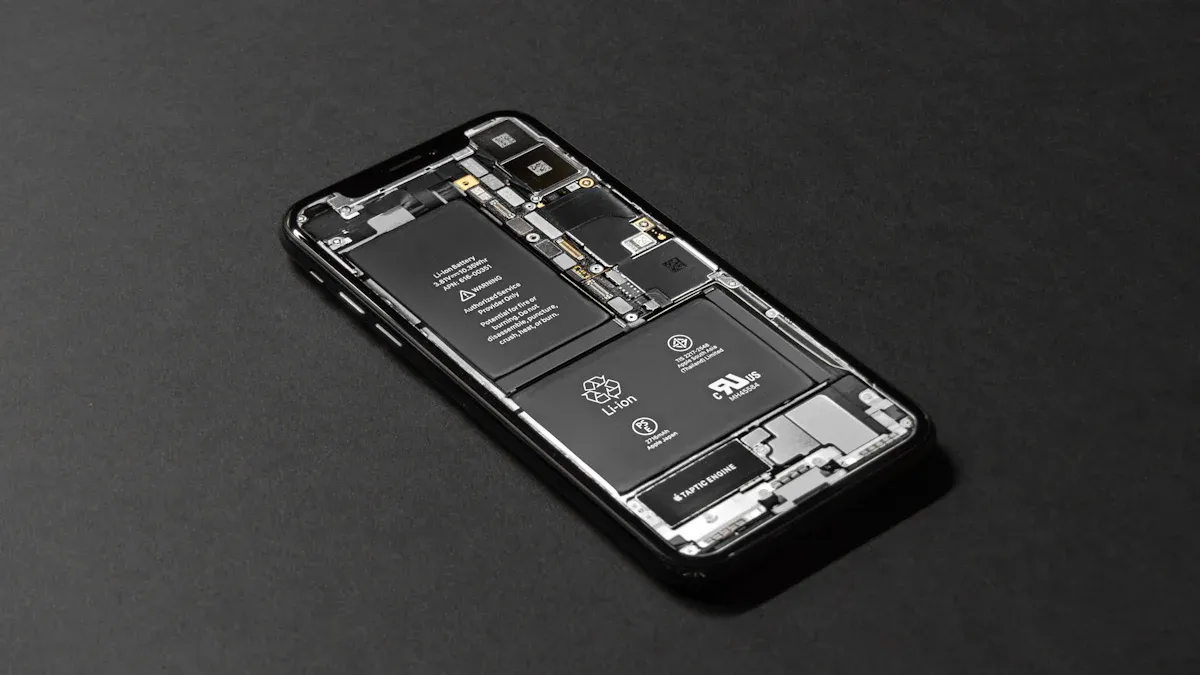
Lithium-ion batteries are special because they store lots of energy in small sizes. They work by moving lithium ions between the anode and cathode during charging. New improvements have made them even better. For instance, using silicon or lithium-metal anodes can increase energy storage by 30-40%. Cathodes made with high-manganese or ultra-high nickel materials improve performance and lower costs.
Here’s a table showing key improvements:
Metric | Details |
|---|---|
Historic Data | 2020 – 2023 |
CAGR | Demand for Li-ion batteries may grow at 15.5% yearly from 2024-2034. |
Forecast Period | 2024 – 2034 |
Forecast Units | US$, GWh, kt |
Regions Covered | Worldwide |
Segments Covered | Silicon anodes, Li-metal anodes, solid electrolytes, high manganese cathodes, high nickel cathodes, lithium manganese iron phosphate cathodes, CAM synthesis. |
Advantages of Lithium-Ion Batteries
Lithium-ion batteries have many benefits for modern devices. They store a lot of energy, so gadgets last longer without needing frequent charges. Between 1995 and 2005, their energy density doubled to 580 Wh/L. By 2015, it reached 676 Wh/L, and today’s models are close to 800 Wh/L.
These batteries lose very little charge when not used. Their lightweight design makes them perfect for portable devices, electric cars, and storing renewable energy.
Disadvantages of Lithium-Ion Batteries
Lithium-ion batteries also have some downsides. They wear out over time, losing power with each charge. For example, electric car batteries lose about 2.3% of their capacity every year. After 20 years, this could mean a 46% drop in capacity. A battery is no longer useful when its capacity falls below 70%.
They are also sensitive to heat, which can cause overheating or even fires. Making these batteries is complicated and depends on materials like cobalt, which can be hard to get.
⚠️ Note: Taking care of batteries, like avoiding heat and overcharging, can make them last longer.
Applications of Lithium-Ion Batteries
Lithium-ion batteries are used in many everyday devices. Their ability to store lots of energy and light weight make them great for portable gadgets. Phones, laptops, and tablets use these batteries to work for hours without needing a charge.
Electric cars also depend on lithium-ion batteries. These batteries let cars travel far and recharge quickly. Big companies like Tesla and Nissan use them to make eco-friendly cars that lower pollution.
Solar panels and wind turbines use lithium-ion batteries to save energy. This stored energy powers homes and businesses when there’s no sun or wind. You’ll find these batteries in backup systems or off-grid setups.
Medical tools also use lithium-ion batteries. Pacemakers, hearing aids, and portable medical machines need these batteries to work well and last long. Their small size and long life make them perfect for healthcare.
Even space and defense equipment rely on lithium-ion batteries. Satellites, drones, and military gear use them because they are strong and work well. These batteries help important systems run smoothly in tough conditions.
💡 Tip: Think about your device’s power needs before picking a lithium-ion battery. This helps you choose the right size for the best performance.
Nickel-Metal Hydride Batteries
Features of Nickel-Metal Hydride Batteries
Nickel-metal hydride batteries work well and are better for the environment. They use a special alloy to absorb hydrogen at the anode and nickel oxyhydroxide at the cathode. These batteries balance storing energy and lasting a long time, making them useful for many devices.
Here’s a table with their main details:
Specification | Value |
|---|---|
Specific energy | 0.22-0.43 MJ/kg |
Energy density | 140–300 W·h/L |
Specific power | 250–1,000 W/kg |
Charge/discharge efficiency | 66%–92% |
Self-discharge rate | 13.9–70.6% per month at room temperature; 36.4–97.8% at 45 °C; Low self-discharge: 0.08–2.9% |
Cycle durability | 180–2000 cycles |
Nominal cell voltage | 1.2 V |
These batteries are good for gadgets that need medium energy and regular charging. They last through many uses without losing much power.
Advantages of Nickel-Metal Hydride Batteries
Nickel-metal hydride batteries have many good points. They are safer for the planet than older types like nickel-cadmium. Their compact size lets them store more energy, which is great for small electronics and hybrid cars.
They also give steady power, making them dependable for cameras, toys, and medical tools. Plus, they don’t have the memory effect, so you don’t need to fully drain them before charging again.
💡 Tip: Choose nickel-metal hydride batteries if you want good performance and care about the environment.
Disadvantages of Nickel-Metal Hydride Batteries
Nickel-metal hydride batteries have some downsides too. They cost more than other rechargeable batteries, which can make devices pricier.
They lose charge faster when not used, especially in hot places. At 45°C, they can lose almost all their charge in a month. They also get hot while charging or being used, which can lower safety and performance.
Here’s a table showing common problems:
Drawback | Description |
|---|---|
High Cost | Nickel-metal hydride batteries are expensive. |
High Self-Discharge Rate | They lose charge quickly when not in use. |
Heat Generation at High Temperatures | They can generate excessive heat under certain conditions. |
Need to Control Hydrogen Loss | Management of hydrogen loss is necessary. |
Taking care of these batteries, like keeping them cool and not overcharging, can help reduce these issues.
Applications of Nickel-Metal Hydride Batteries
Nickel-Metal Hydride (NiMH) batteries are used in many gadgets. Their small size and ability to recharge make them great for portable devices. Items like cameras, gaming consoles, and remotes often use these batteries. Instead of buying many disposable batteries, a few NiMH batteries can save money and cut waste.
Hybrid electric cars also use NiMH batteries. These batteries are safe and store enough energy for good performance. As more people buy hybrid cars, the need for NiMH batteries grows. They can handle being charged and used often, making them ideal for this purpose.
Medical tools also rely on NiMH batteries. Devices like blood pressure monitors and infusion pumps need these batteries for steady power. This ensures they work properly when needed the most.
You’ll also see NiMH batteries in toys and cordless tools. They give steady power, helping toys last longer and tools work better. Their strength allows them to handle high-power devices without losing performance.
💡 Tip: Choose NiMH batteries for good performance and eco-friendly benefits.
NiMH batteries are useful in many areas. From powering your gadgets to helping medical tools, they are reliable and green. Their role in hybrid cars and portable devices shows their value today.
Nickel-Cadmium Batteries
Features of Nickel-Cadmium Batteries
Nickel-cadmium batteries are strong and very dependable. They use nickel oxide hydroxide for the positive side and cadmium for the negative side. These batteries work well in hot or cold places, making them versatile. Their energy density is between 50-80 Wh/kg, which means they store a fair amount of energy for their size.
A key feature is their long life. If cared for properly, they can last 500–1,000 cycles. They also lose less than 20% of their charge each month when not used. This helps them stay ready for use over time.
Advantages of Nickel-Cadmium Batteries
Nickel-cadmium batteries have many good points. They can be charged and used often without losing much power. This makes them great for devices that need frequent charging. They also work well in extreme heat or cold, staying reliable in tough conditions.
Other benefits include:
Long-lasting with proper care.
Reliable performance over many uses.
Keep charge well when stored for a long time.
These qualities make nickel-cadmium batteries a solid choice for industrial tools, emergency lights, and airplanes.
Disadvantages of Nickel-Cadmium Batteries
Nickel-cadmium batteries also have some problems. Cadmium, a toxic metal, is harmful to health and the environment. It can build up in living things, causing issues like kidney damage and breathing problems.
Harmful Material | Effects on Health and Nature |
|---|---|
Cadmium (Cd) | Toxic, may harm kidneys and weaken bones. |
Bioaccumulation | Builds up in animals and people, causing harm. |
Long-Term Risks | Can lead to breathing and nerve problems. |
Environmental Impact | Stays in soil and water, causing pollution. |
These batteries are also heavier than newer ones. They can lose capacity if not fully drained before recharging, known as the memory effect. Recycling them properly is important to reduce environmental damage.
⚠️ Note: Always recycle nickel-cadmium batteries to protect the environment.
Applications of Nickel-Cadmium Batteries
Nickel-cadmium (NiCd) batteries are useful in many fields. They are tough and work well in extreme conditions. Here are some common uses:
Industrial Tools: Power tools like drills and saws use NiCd batteries. These batteries give steady power for heavy tasks. Their long life makes them dependable for tough jobs.
Emergency Lighting: Backup lights often use NiCd batteries. They keep their charge and work instantly during blackouts. This makes them important for safety in buildings.
Aviation: Planes use NiCd batteries to start engines and power systems. They work well in very hot or cold conditions, ensuring safe flights.
Railways: Trains rely on these batteries for signals and backup power. Their strength and long life make them great for transportation needs.
Medical Equipment: Devices like defibrillators and monitors use NiCd batteries. These batteries ensure critical tools work when needed most.
💡 Tip: Choose NiCd batteries for tough jobs or frequent use.
NiCd batteries also power toys, phones, and cameras. They recharge fast and work well in daily gadgets. Always recycle them to protect the environment. Picking NiCd batteries for the right tasks helps you enjoy their benefits while reducing harm.
Lead-Acid Batteries
Features of Lead-Acid Batteries
Lead-acid batteries are one of the oldest rechargeable types. They create electricity using lead dioxide, sponge lead, and sulfuric acid. These batteries are dependable and handle high power needs well.
Key features include:
Depth of Discharge: Deep-cycle lead-acid batteries can use over 50% of their energy. This makes them good for tasks needing steady power.
Battery Lifetime: How long they last depends on care and temperature. Problems like sulfation can lower their performance over time.
Maintenance Requirements: Regular care, like checking fluids and cleaning, keeps them working well.
💡 Tip: Take care of your battery by avoiding overcharging and keeping it clean. This helps it last longer.
Advantages of Lead-Acid Batteries
Lead-acid batteries have many benefits for heavy-duty jobs. They are trusted for important power needs.
Aspect | Lead-Acid Batteries |
|---|---|
Reliability | Trusted for critical power tasks. |
Cost | Cheaper upfront than lithium-ion batteries. |
Deep Discharge Capability | Works well with deep energy use. |
Temperature Tolerance | Performs in very hot or cold conditions. |
These batteries are affordable and handle deep discharges without much damage. They also work well in extreme weather, making them great for outdoor and industrial use.
Disadvantages of Lead-Acid Batteries
Lead-acid batteries have some downsides too. They are heavy and large, so they’re not ideal for portable devices. They also need regular care to avoid problems like sulfation.
Safety can be an issue because they might release harmful gases. For example, mistakes in setup or charging can create hydrogen sulfide, a dangerous gas.
Date | Incident Description |
|---|---|
November 8, 2016 | A golf cart battery caused strange fumes, raising safety concerns. |
October 21, 2016 | A user worried about charging batteries in a bedroom. |
October 8, 2016 | Wrong battery setup caused harmful gas, creating health risks. |
October 4, 2016 | A woman and child died from toxic gas linked to a battery issue. |
⚠️ Note: Always use lead-acid batteries in open spaces and follow setup rules to stay safe.
Applications of Lead-Acid Batteries
Lead-acid batteries are used in many industries and daily life. They are reliable and provide steady power for important systems. These batteries are found in cars, backup power setups, and renewable energy systems.
In vehicles, lead-acid batteries are very common. They help start engines and power lights in cars, trucks, and motorcycles. In 2017, over 260 million lead-acid batteries were used in vehicles. This made up about 60% of the battery market. They are affordable and give strong bursts of power, which is perfect for vehicles.
Telecom and data centers also depend on lead-acid batteries. These places need backup power to keep running during outages. During the pandemic, demand for these systems grew a lot. For example, uninterruptible power supply (UPS) systems needed over 65 million lead-acid batteries in 2017. This shows how important they are for critical systems.
Renewable energy systems also use lead-acid batteries. They store energy from solar panels and wind turbines. This ensures power is available when there’s no sun or wind. Their ability to handle deep discharges makes them great for this job.
Here’s a table showing battery demand in different areas:
Year | Electric Mobility Demand (GWh) | Energy Storage Demand (GWh) | Consumer Electronics Demand (GWh) |
|---|---|---|---|
2018 | 446 | 393 | 53 |
2020 | 470 | 413 | 57 |
2025 | 476 | 407 | 69 |
Lead-acid batteries are also used in electric mobility. They power golf carts, forklifts, and small electric vehicles. These batteries are strong and can handle frequent charging, making them a good choice.

From vehicles to renewable energy, lead-acid batteries are very useful. Their flexibility and dependability make them important for many industries and uses.
Lithium Polymer Batteries
Features of Lithium Polymer Batteries
Lithium polymer batteries are light and flexible. They use a polymer electrolyte instead of liquid, allowing thin and adaptable shapes. This makes them great for gadgets like smartphones and drones.
Key features include:
Voltage: Each cell has 3.6V. Charging stops at 4.20V.
Currents: Continuous and pulse currents vary by device use.
Temperature: Charge between 0°C and +45°C. Discharge from -20°C to +60°C.
Dimensions: Small sizes, but swelling may happen over time.
Capacity: Measured in mAh or Ah, showing how long power lasts.
Safety: Built-in electronics stop overcharging and deep discharge.
These features make them useful for many devices.
Advantages of Lithium Polymer Batteries
Lithium-polymer batteries have many benefits. They store lots of energy (250–693 W⋅h/L), making them compact and lightweight. Their low self-discharge rate (0.35–2.5% per month) helps them keep power when not used.
Here’s a table of their performance:
Metric | Value | Unit | Description |
|---|---|---|---|
Charge/Discharge Efficiency | 80 – 90 | % | Uses energy efficiently |
Specific Energy | 100 – 265 | W⋅h/kg | Great for weight-sensitive devices |
Energy Density | 250 – 693 | W⋅h/L | Allows small and light designs |
Self-Discharge Rate | 0.35 – 2.5 | % per month | Keeps charge longer |
Cycle Life | 400 to 1,200 | cycles | Lasts longer than some other batteries |
They are also safer with built-in protection systems. Their flexible design works well for foldable phones and wearable tech.
💡 Tip: Pick lithium polymer batteries for light and efficient power in portable devices.
Disadvantages of Lithium Polymer Batteries
Lithium-polymer batteries have some downsides. They cost more to make, which raises device prices. They are also sensitive to overcharging and damage, which can cause swelling or fires.
Their lifespan is shorter than lithium-ion batteries, lasting 400 to 1,200 cycles. Misuse can lower this further. Extreme heat or cold can also hurt their performance and life.
⚠️ Note: Handle lithium-polymer batteries carefully and follow safety rules to make them last longer.
Applications of Lithium Polymer Batteries
Lithium polymer batteries are used in many modern gadgets. They are light and flexible, making them great for portable devices.
1. Consumer Electronics
Smartphones, tablets, and laptops often use lithium polymer batteries. These batteries keep devices slim and light while lasting a long time. Foldable phones and smartwatches also depend on them for their small size and flexibility.
2. Drones and RC Vehicles
Drones and remote-controlled cars need lithium polymer batteries. These batteries are light and store lots of energy. They help drones fly longer and RC cars move faster. Their high discharge rate ensures smooth performance.
3. Electric Mobility
Electric scooters and bikes use lithium polymer batteries. Their small size fits well in these vehicles. They store energy efficiently, allowing longer rides without adding much weight.
4. Medical Devices
Portable medical tools like monitors and pumps use these batteries. They are reliable and small, making them perfect for healthcare needs. These batteries ensure critical devices work when needed most.
5. Wearable Technology
Fitness trackers and smart glasses rely on lithium polymer batteries. Their flexible design allows for comfortable and creative device shapes. These batteries are light and last long between charges.
💡 Tip: Pick lithium polymer batteries for gadgets needing light, flexible, and efficient power.
Lithium polymer batteries power many modern tools. From drones to medical devices, they provide dependable energy in small designs. Their flexibility makes them ideal for innovative uses.
Rechargeable batteries come in different types, each with special uses. Lead-acid batteries are cheap and common in cars and backup systems. Lithium-ion batteries store lots of energy, perfect for gadgets and electric cars. Nickel-metal hydride batteries are eco-friendly and work well in toys and tools.
Think about your device’s power needs when picking a battery. Lithium-ion batteries are great for high-energy devices. Lead-acid batteries are better for heavy-duty jobs. Handle batteries carefully by avoiding heat and overcharging to make them last longer.
Battery Type | Key Features | Advantages | Applications |
|---|---|---|---|
Lead-Acid | Affordable, provides strong power | Budget-friendly, widely used | Cars, UPS systems, backup power |
Lithium-Ion | High energy, lasts longer | No memory effect, great for portable gadgets | Phones, laptops, electric vehicles |
Nickel-Metal Hydride | Green option, easy to recycle | Cheaper, good for lower energy needs | Tools, electric toys |
💡 Tip: Choose the right battery type for your device to get the best performance and safety.
By knowing these differences and using batteries properly, you can make them last longer and pick the best one for your needs.
FAQ
What are rechargeable batteries?
Rechargeable batteries store energy and can be used many times. They turn stored chemical energy into electricity when needed. These batteries are common in devices, cars, and green energy systems.
How do I choose the right rechargeable battery?
Think about your device’s power needs and how often you use it. Lithium-ion batteries are great for small gadgets. Lead-acid batteries are better for heavy tasks. Always make sure the battery fits your device.
How can I extend the life of my rechargeable batteries?
Don’t overcharge or expose them to heat or cold. Keep them in a cool, dry spot when not in use. Follow the maker’s instructions for charging and using them.
Are rechargeable batteries environmentally friendly?
Yes, they help reduce waste by replacing single-use batteries. But recycling is important to avoid harm from materials like lead or cadmium.
Can rechargeable batteries lose their capacity over time?
Yes, they wear out with use. Things like frequent charging, heat, or bad storage can make this happen faster. Taking care of them can slow down this process.