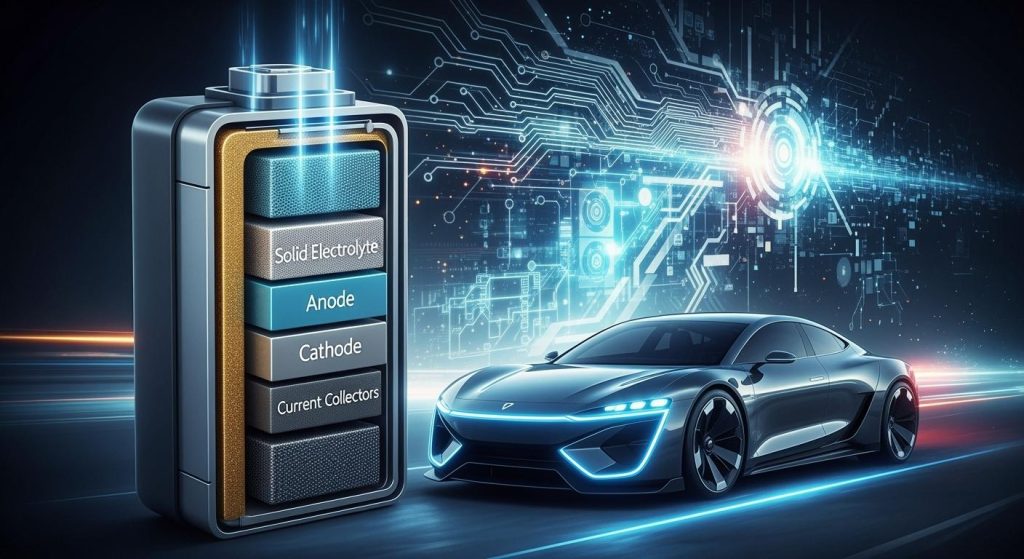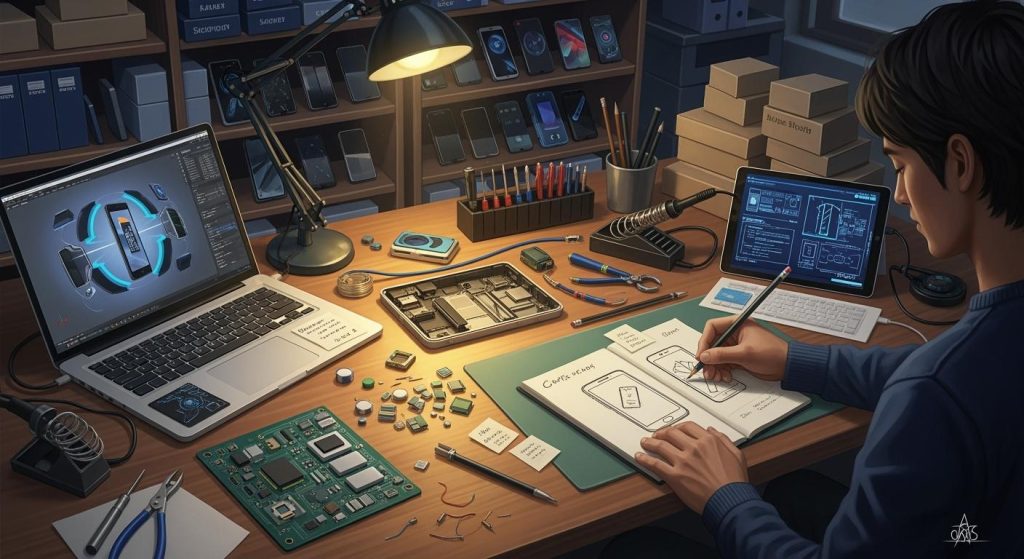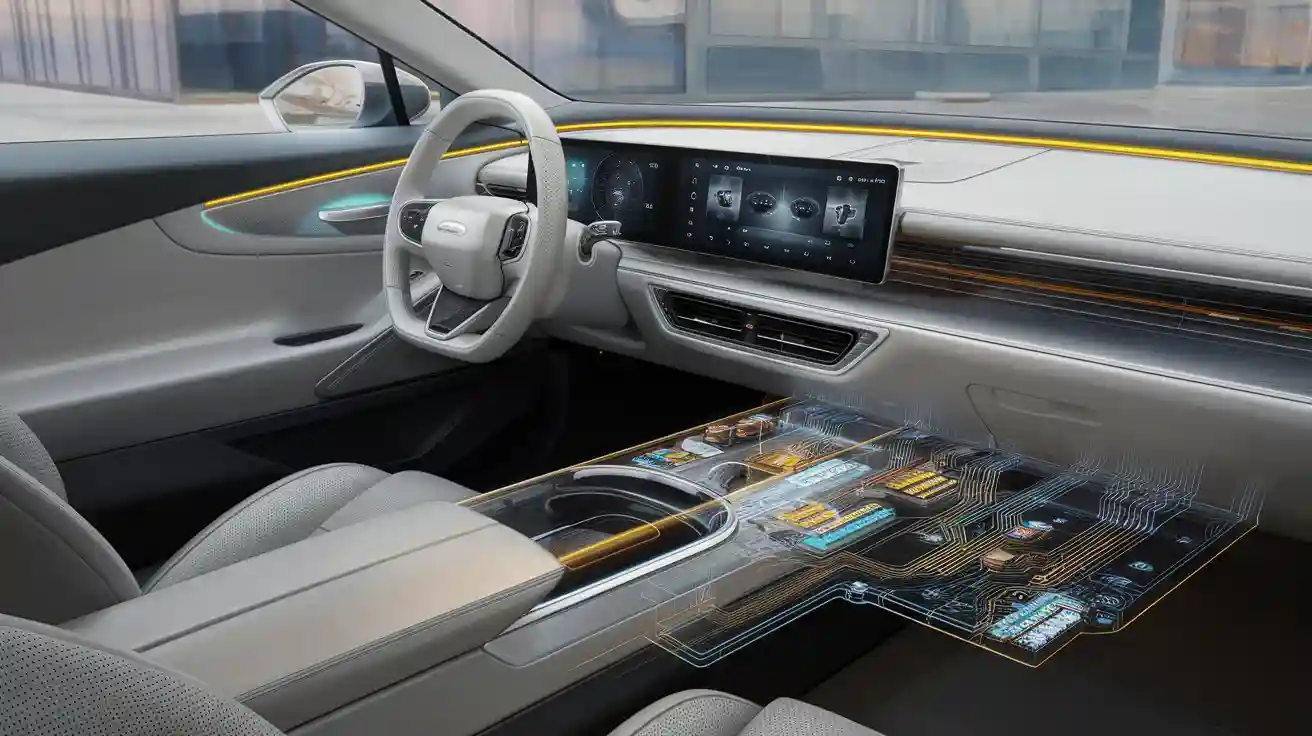
A printed circuit board plays a crucial role in every electric vehicle, serving as a key component in various PCB applications such as smart entertainment and central control systems. In cars, PCB applications connect infotainment systems, sensor data, and control units seamlessly. Reports indicate that high-density PCB technology enhances smooth communication and efficient power transfer. It also supports real-time data processing essential for advanced features like automatic emergency braking and 5G connectivity, which rely heavily on robust PCB applications. PCBs ensure electric vehicles operate safely while conserving energy. The automotive industry leverages PCB applications for numerous advanced functions, including entertainment systems and autonomous driving technology. Flexible PCB designs contribute to keeping electric vehicles lightweight and efficient. As demand for smart cars grows, PCB applications become increasingly vital, enabling self-driving capabilities and shaping the future of electric and autonomous vehicles.
Key Takeaways
PCBs link sensors, control units, and entertainment systems in electric vehicles. This lets data move quickly and helps everything work well. Advanced PCB designs help keep batteries safe. They also control power and temperature. This makes electric vehicles work better and last longer. Flexible PCBs are light and fit in small spaces. This helps cars save energy and work for more years. PCBs help smart features like touchscreens and wireless connections. They also help self-driving technology by moving signals fast and working in hard places. Strong testing and quality rules make sure PCBs are safe in cars. This protects important parts like brakes, engines, and batteries.
PCB Application in Central Control
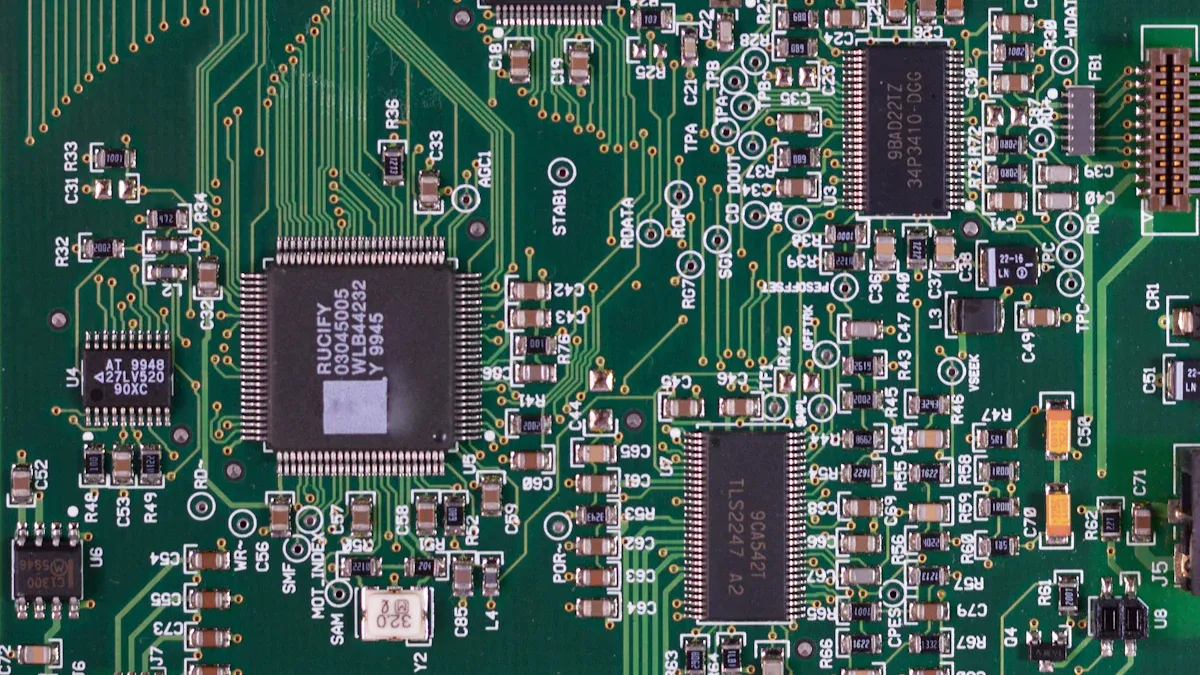
The central control unit in new cars uses advanced pcb application. It helps manage how the car works. PCBs and pcba are very important in the control system. They connect sensors, controllers, and actuators. This makes sure everything talks to each other fast and well. This part explains how pcbs help collect data, process it, send commands, and connect systems in the central control unit.
Data Collection and Processing
PCBs help gather and use data from many sensors in the car. These sensors check things like voltage, temperature, current, and battery charge. The pcb application holds both sensors and controllers. This lets the central control unit get and study information quickly.
PCBs are the main part that connects sensors and control units in central control systems. They help watch and manage important things in real time. This keeps the battery safe and working well.
PCBs in electric vehicles use fast communication methods like Gigabit Ethernet and PCIe. This helps move data quickly from many sensors. Signal quality stays good with special routing and matching. Strong connectors and cables handle shaking and heat changes. This keeps the system working well.
Main functions of pcbs in managing sensor data include:
Holding sensors and controllers so they can talk easily.
Watching each battery cell by checking important things.
Making sure each cell gets the right amount of charge.
Checking temperature to stop damage.
Stopping too much current to keep things safe.
Stopping overcharging or using up cells too much.
Making charging work for different power sources.
Shutting down the system if something is not safe.
New car designs use zonal control systems with Ethernet backbones. This replaces old wiring. It helps the system grow, stay strong, and move lots of data. These things are needed for new electric vehicle features.
Command Execution
The central control unit uses pcba and pcb technology to carry out commands. These commands are for the engine, safety, and entertainment. PCBs give support and connect electronic control units (ECUs). ECUs use sensor data and control actuators. They run the engine, safety systems like airbags and brakes, and entertainment.
PCBs help commands happen fast with these parts:
Microcontrollers work like the brain and handle sensor data.
Analog and digital interfaces change sensor signals and make control signals.
Communication protocols like CAN, LIN, and Ethernet help control units share data fast.
Memory and power parts keep data and code safe and running.
Monitoring and control functions gather data from ECUs, manage power, and react to changes.
High-temperature-resistant pcbs, high-frequency pcbs, and heavy copper pcbs help with fast processing and safe work in tough car conditions.
This strong pcb application lets the central control unit react fast to sensor data. It sends commands to important systems and keeps the car safe and working well.
System Integration
System integration in central control units uses advanced pcb application and pcba. It brings many control systems together into one main platform. PCBs join power modules, communication modules, control units, and safety circuits. This makes up the heart of the car’s electronics.
Surface Mount Technology (SMT) lets many parts fit in small spaces.
High-density pcb layouts help with battery, motor, and charging subsystems.
Flexible and rigid-flex pcbs fit into tricky car shapes.
Advanced packaging like System-in-Package (SiP) and 3D stacking put many chips together.
Thermal management uses copper layers, thermal vias, and heat sinks. This keeps things working in tough places. Vibration resistance uses special materials and designs to keep parts safe.
PCBs in car control boards are the main platform. They join subsystems like engine, brakes, and lights. They use smart microcontrollers and digital signal processors for hard control jobs.
Here is a table that shows key integration features:
Integration Feature | Benefit |
|---|---|
SMT & High-Density Layouts | Small size and saves space |
Flexible/Rigid-Flex PCBs | Fits different car shapes |
Advanced Packaging | Better performance and smaller size |
Thermal Management | Works well in tough places |
Vibration Resistance | Lasts long and stays strong |
PCBs also help subsystems talk using fast protocols like CAN, LIN, and Ethernet. PCB-to-wire harness connectors keep power and signals moving both ways. This helps the central control unit handle all its complex needs.
Electric Vehicle PCB for Entertainment

Infotainment Systems
PCBs are very important in car entertainment systems. These systems give you music, videos, maps, and ways to connect your phone. Multi-layer pcba and flexible printed circuit boards help engineers fit lots of parts into small spaces in the dashboard. This design lets you use maps, watch movies in the back seat, and listen to music easily. Flexible PCBs make the car lighter and help it use less energy, which is important for electric vehicle pcb applications. These systems are strong and last a long time, even when the car shakes or gets hot or cold. The table below shows the main things that make pcbs good for these systems:
Key Feature | Description |
|---|---|
High Reliability | Handles shaking, heat, cold, wetness, and dust. Special coatings make them last longer. |
Miniaturization | HDI technology and 3D design put lots of parts in small places. |
Advanced Materials | Copper, aluminum, and ceramics help get rid of heat. |
High Power Density | Thick copper and EMI suppression let them handle lots of power. |
Compliance | Follows ISO and IPC rules for safety and how well they work. |
Advanced Manufacturing | Uses HDI, flexible PCBs, and machines to build them carefully. |
Thermal Management | Heat sinks and thermal vias stop them from getting too hot. |
Display and User Interface
PCBs help run the screens and controls in electric cars. High-density interconnect pcba move power and signals for touchscreens and heads-up displays (HUDs). These boards send touch and screen data through many layers, so controls work fast and right. Power and voltage parts in the pcb keep the screens working without flicker or slowdowns. Heat sinks and thermal vias keep the parts cool and safe. New cars, like the Xiaomi SU7, have big, clear screens and HUDs because of advanced pcb applications.
Communication Modules
Communication modules in electric cars use pcbs and pcba to send data fast and connect to other things. These modules use CAN, LIN, Ethernet, Bluetooth, and Wi-Fi. PCBs put antennas and wireless parts together, so you can use your phone, unlock the car without a key, and get updates over the air. The table below shows the main ways these protocols help:
Communication Protocol | Role in EV Connectivity Modules | Key Features and Applications |
|---|---|---|
CAN | Sends messages quickly | Runs engine, keeps you safe, charges battery |
LIN | Handles slow, simple jobs | Works doors, lights, and heaters |
Ethernet | Moves lots of data fast | Streams video, gets updates |
Bluetooth & Wi-Fi | Connects wirelessly | Uses phone, telematics, checks car health |
PCBs make sure wireless connections work well by using RF circuits and stopping interference. These things help make car entertainment and connections easy and dependable.
PCBs in Automotive Electronics
Power and Data Signal Management
PCBs are very important in car electronics. They help control power and data signals. Modern cars need fast data and steady power. Engineers have many problems to solve when making these boards:
Noise, crosstalk, and reflection can mess up signals.
Changing trace width and spacing helps signals stay clear.
Impedance control and differential signaling keep signals strong.
Heat and shaking in cars make these problems worse.
More parts on the board mean careful planning is needed.
To fix these problems, designers do a few things:
Keep analog and digital parts apart to stop crosstalk.
Put decoupling capacitors close to IC power pins.
Use solid ground planes for better return paths.
Cover sensitive circuits with metal or extra PCB layers.
These steps help make sure pcbs work well in cars.
Reliability and Safety
Car companies need electronics that always work right. PCBs must pass hard tests before going in cars. These tests check:
Thermal cycling to see if the board works after big temperature changes.
Thermal shock tests to check heat resistance.
Humidity bias tests to make sure wetness does not break the board.
PCBs also have to meet rules like IPC-A-610 Class 2 or 3, IPC-6012E, and IATF 16949:2016. The Automotive Electronics Council makes rules for testing. These rules help pcbs last 10-12 years and work safely in cars. Car pcb makers use special materials and coatings to protect against water, shaking, and chemicals.
Defect Impact
If a pcb has a problem, it can cause big trouble. Power modules need good boards to control the motor. If there is a crack or bad solder, the car might lose power or be unsafe. Bad boards can make electricity act strange and waste energy. Inverters need strong pcbs for cooling and support. When something breaks, engineers look for the cause to fix it next time. Car makers work hard to check quality and keep cars safe.
Note: Good pcbs are needed for safe and strong car electronics.
Test Type | Purpose |
|---|---|
Thermal Cycling | Checks function after temperature swings |
Thermal Shock | Verifies heat resistance |
Humidity Bias | Prevents insulation breakdown |
Powering Electric Vehicles with PCBs
Energy Efficiency
PCBs help electric vehicles use energy better. Engineers make these boards to handle lots of power and heat. In battery management systems, PCBs check voltage and temperature for each cell. This stops batteries from getting too hot and keeps them working well. PCBs control how batteries charge and discharge. This keeps batteries from charging too much or losing too much power. These steps help batteries last longer and waste less energy.
Automotive-grade PCBs have tight layouts and metal cores. These help spread power and heat in small battery packs. Smart sensors on PCBs let cars check battery health from far away. New designs use chip embedding and thick copper layers. These cut down on energy loss and help more power flow. PCBs also join power parts and control boards. This lowers power loss and makes the system stronger.
PCBs with good heat control, like heat sinks and thermal vias, keep things cool and steady. This saves power and helps electric vehicles work better.
Battery Life Optimization
PCBs help car batteries last longer. They use heat control tricks like copper holes and heat sinks to move heat away. Circuits on the board keep the battery charged just right. They also make sure power flows well. Multi-layer PCBs and surface-mount parts make small, strong boards that fit in tight spots.
PCBs protect batteries from overcharging, too much current, and short circuits. These features keep batteries safe and healthy. Cell balancing makes sure each battery cell charges and drains the same. This helps batteries work better and last longer. Engineers pick materials like copper and polyimide because they move heat well and bend easily. They also use computer tests and stress checks to make sure PCBs survive tough car use.
Flexible PCB Benefits
Flexible PCBs give many good things to car power systems. They make wiring lighter by up to 70%. This helps cars go farther and use less battery. Their bendy shape fits tricky and small spaces. This lets car parts connect easily in new electric vehicles.
Benefit Category | Description |
|---|---|
Weight Savings | Lighter wiring helps cars go farther and use less battery |
Reliability | Stays strong in hot and rough places |
Design Flexibility | Fits odd shapes and small spaces |
Electrical Performance | Handles lots of power and fast charging |
Sustainability & Safety | Light and tough for safer, greener cars |
Flexible PCBs can bend all around and stand up to shaking. They take the place of old wiring, cost less to put in, and work better. Their small wires save space and bend without breaking. These things make flexible PCBs very important for powering electric vehicles and meeting car rules.
PCBs and Self-Driving Cars
Advanced Control Systems
Self-driving cars use advanced control systems to make fast, safe choices. PCBs in these cars must handle a lot of heat. Engineers pick materials that move heat away quickly. They also use special cooling to keep power parts steady. These cars drive on rough roads and face heat and shaking. So, PCBs need to be very strong and last a long time. Makers follow strict IPC rules and add coatings to protect the boards.
Making things smaller is important in self-driving cars. HDI technology and stacking layers help make small PCBs. These small boards fit in tight spots and keep signals clear. Thick copper and wide lines help PCBs handle lots of power. This is needed for electric self-driving cars. Advanced PCBs also let cars use AI and IoT. This helps cars process data and connect to networks. Careful building and testing make sure PCBs work well in heat, cold, wet, and dusty places. These steps help self-driving cars stay safe and work right.
Self-driving cars need PCBs that follow ISO 16750 and IPC rules. This keeps them safe and working their best.
Integration with Sensors
Self-driving cars have many sensors to see and learn about the world. PCBs help link and power these sensors. The table below lists important PCB features that help sensors work well in self-driving cars:
PCB Feature | Description and Importance |
|---|---|
Power Supply Design | Many voltage rails and steady power keep sensors on. Decoupling capacitors near chips stop voltage drops. Wide traces carry high current. |
Ground Plane Layout | Solid ground planes cut noise and keep signals strong. Short vias lower impedance. |
Signal Integrity and Routing | Careful routing stops crosstalk and keeps signals clear. Differential pairs help with fast data like CAN-FD. |
Thermal Management | Thermal vias and sensors near chips move heat away and stop overheating. |
EMI Mitigation | Filters and shielding block noise. Good layout avoids signal problems. |
Modular Interfaces and Scalability | Modular designs let cars add new sensors and upgrade easily. |
PCBs in self-driving cars use strong microcontrollers and good power management. These parts help watch things in real time and process data fast. SMT makes PCBs small and tough, so they can handle bumps and shakes every day.
Future Innovations
The future will bring even better PCB technology for self-driving cars. Engineers use HDI and multi-layer PCBs to make cars smaller and lighter. Low-loss materials and controlled impedance help cars process data faster than 10 Gbps. Metal-core PCBs, thermal vias, and heat sinks keep cars cool and working well.
Makers use coatings and rigid-flex designs to protect cars from shaking, water, and chemicals. RF modules with EMI shielding help cars talk to each other and to the world. Eco-friendly materials and modular designs help recycling and meet green rules. Automated checks and new ways to build improve quality and speed.
Flexible and multilayer PCBs let cars fit more features in less space. High-frequency PCBs help cars send signals faster. AI in PCB design helps make better boards. As more people want self-driving cars, the need for these PCBs will grow. Startups and big companies work together to make self-driving cars safer, smarter, and save more energy.
PCBs help make electric cars better by running control and entertainment systems. They are important for self-driving cars because they can bend, handle fast signals, and stand up to heat. Self-driving cars need PCBs to stay safe and work well. As more self-driving cars are made, PCBs must move more power and data. These cars need small and tough boards. Self-driving cars use PCBs for ADAS and to keep batteries safe. Fast PCBs help these cars make quick choices. AI helps design better PCBs for self-driving cars. New ideas in PCBs will keep coming as self-driving cars get better.
Some big changes in PCBs for self-driving cars:
Flexible PCBs help self-driving cars last longer.
High-frequency PCBs run self-driving car systems.
Heavy copper PCBs keep self-driving car batteries safe.
AI-designed PCBs make self-driving cars work better.
PCB Advancement Type | Impact on Self-Driving Cars |
|---|---|
Flexible and Rigid-Flex PCBs | Makes self-driving cars stronger and fit in small spaces |
High-Frequency PCBs for 5G | Lets self-driving cars use real-time data |
AI-Powered PCB Design | Helps self-driving cars stay safe and work well |
FAQ
What role do PCBs play in electric vehicle safety?
PCBs watch sensors and help run safety systems. They help control airbags, brakes, and battery safety. Engineers make these boards to work in hard places. Good PCBs help keep people safe in the car.
How do flexible PCBs benefit electric vehicles?
Flexible PCBs make cars lighter and fit in small spots. They let engineers add more features to cars. These boards handle shaking and heat better than stiff boards.
Why is thermal management important for automotive PCBs?
Good thermal management stops parts from getting too hot. It helps electronics work well for a long time. PCBs with heat sinks and thermal vias move heat away. This keeps electric cars safe and working longer.
What trends shape the future of PCBs in electric vehicles?
Trend | Impact |
|---|---|
AI-powered design | Makes PCBs faster and smarter |
High-frequency boards | Gives better speed and connections |
Eco-friendly materials | Makes cars greener and better for Earth |
Engineers keep making PCBs better for smart and safe cars.