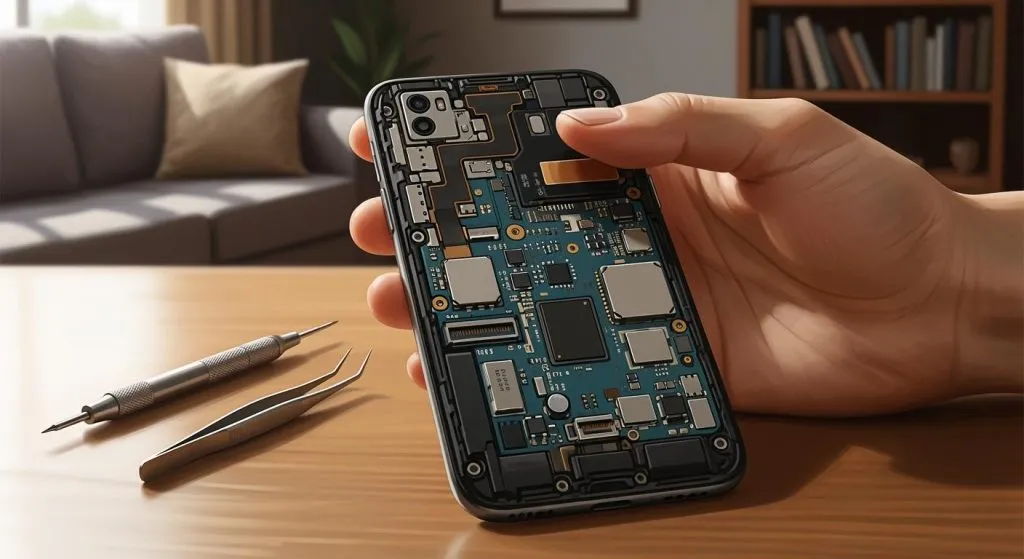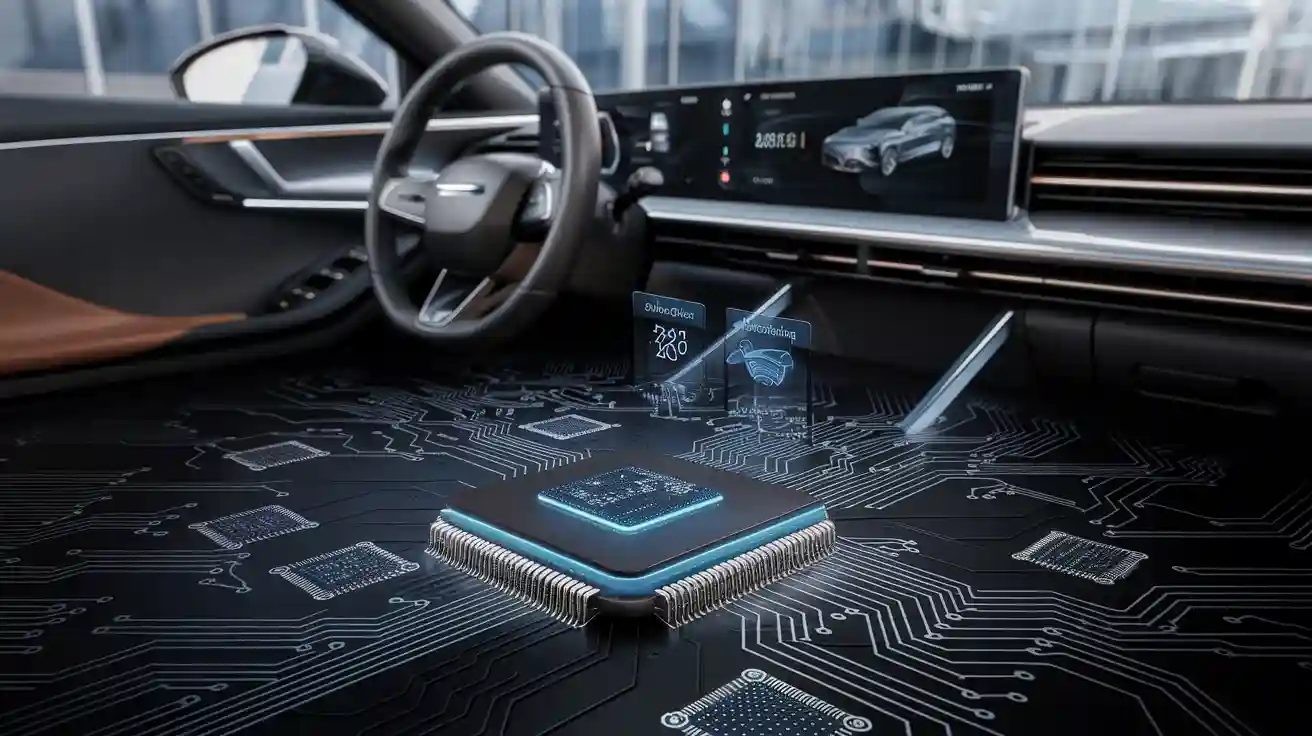
Advanced driver-assistance systems need advanced PCBs. These PCBs are very important for adas assisted driving in electric vehicles. Special printed circuit board materials help connect sensors, cameras, and radar easily. These systems use high-frequency materials with low loss. This helps sensors send clear and fast signals with little interference. Automotive pcbs must handle many sensors working together. They also need to process data in real time for adas assisted driving. Modern vehicles need printed circuit boards that are reliable. They also need to be small to fit many sensors in tight spaces.
High-Tg materials in pcbs help them stay stable in heat. This makes automotive pcbs strong in tough conditions. This helps adas assisted driving systems stay dependable even in extreme environments.
The market for pcbs in these systems is still growing.
Metric/Segment | Projection/Value |
|---|---|
CAGR (2025-2035) | About 5.5% |
Market Size 2025 | USD 10.98 billion |
Market Size 2035 | USD 18.79 billion |
Leading PCB Type (2025) | Multi-layer PCBs (53.4% revenue share) |
Engineers work on new problems and ideas. They design systems that connect more sensors and handle more data than before.
Key Takeaways
Advanced PCBs link sensors, cameras, and radar. They help electric cars drive safely. They also help cars react fast.
PCBs change sensor signals into digital data. They do this quickly and clearly. This lets ADAS features work in real time.
Power management PCBs keep batteries safe. They control charging, temperature, and safety in electric cars.
Small PCBs save space and weight. This lets more sensors fit in tight spots. The sensors still work well.
New types like flexible and high-density PCBs make cars safer. They make data move faster. They also help the car be better for the environment.
ADAS Assisted Driving and PCBs
Sensor and Camera Integration
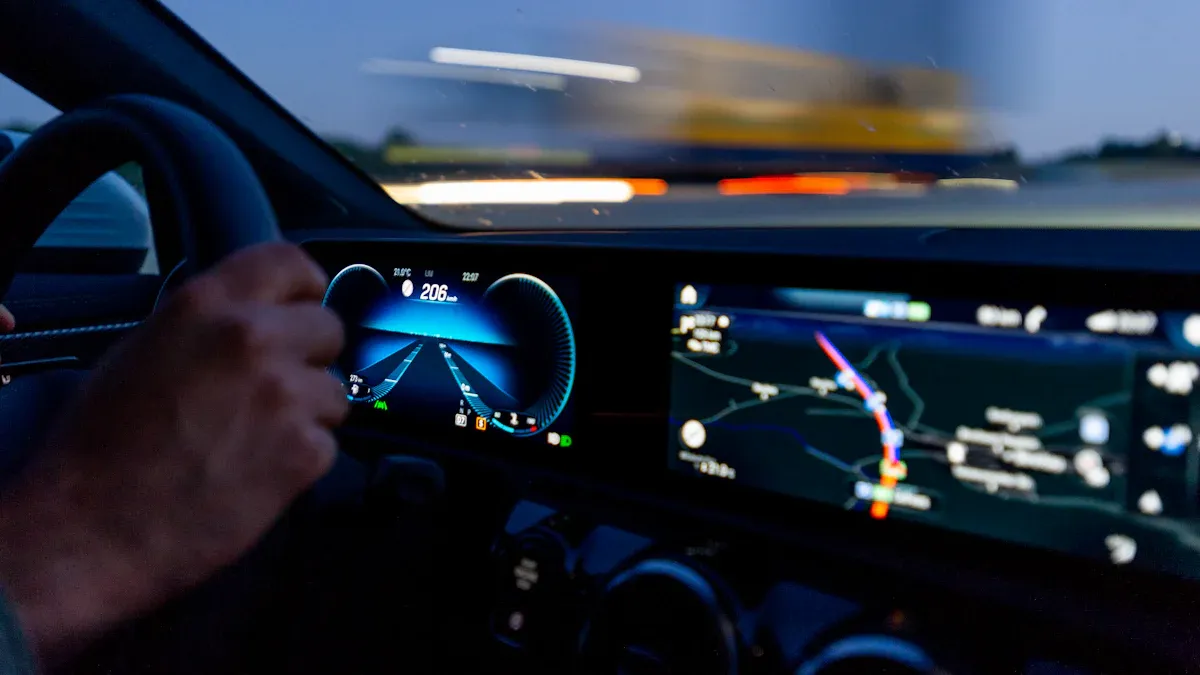
Automotive pcbs help connect sensors for adas assisted driving. These pcbs link sensors and cameras to the car’s control units. Radar, lidar, cameras, and ultrasonic sensors are the most common types. Each sensor helps the car know what is around it.
Radar units use radio waves to find objects far and near. They help with cruise control and watching blind spots.
Lidar sensors use lasers to scan the area around the car. They give detailed maps for spotting obstacles and staying in lanes.
Camera systems include front, side, and thermal cameras. These cameras help with parking, lane finding, and driving when it is hard to see.
Ultrasonic sensors work close to the car. They help with parking and checking blind spots.
Automotive pcbs must connect all these sensors at the same time. They use special chips to manage power and data. Some power chips can give energy to many cameras at once. Advanced processors can handle data from cameras, radar, and lidar on one chip. This makes the system smaller, stronger, and better.
Note: Sensors and cameras must be lined up and set just right. Automotive pcbs also protect them from heat, water, and shaking so they last a long time.
Data Conversion and Processing
PCBs in adas assisted driving systems change sensor signals into digital data. Most sensors send out analog signals first. The pcb uses amplifiers to make these signals stronger. Then, converters turn the signals into digital data.
Programmable gain amplifiers help use the converter’s full range. This makes the signal more accurate.
Sigma-delta converters are used a lot because they are clear and quiet. This is important for safety.
Fast sample rates let the system work quickly for real-time control.
After changing the signals, the pcb sends the digital data to the control units. These units use strong storage, like tough SSDs, to save and get data fast. The storage works quickly, has low wait times, and fixes errors. This helps the system make safe choices for self-driving.
Automotive pcbs also keep things cool and signals clear. They use special materials and designs to control heat and stop interference. This helps the system use data from all sensors without waiting. Good data conversion and processing are needed for things like crash avoidance and lane warnings.
Block Quote: Advanced pcbs let cars use and control data from many sensors at once. This helps adas and self-driving features work safely and well.
Automotive PCBs in Electric Vehicles
Power Management
Automotive pcbs help control power in electric vehicles. They move energy from the battery to car parts. These pcbs keep the battery safe and working well for a long time. Here are some ways automotive pcbs manage power:
They watch voltage and temperature to stop overheating. This keeps the battery working its best.
They control charging and discharging to protect the battery from harm.
Cell balancing helps the battery last longer and work better.
Safety features like short-circuit and overvoltage protection keep the car safe.
High-density pcb designs make power flow better in small spaces.
Metal core pcbs move heat away from important parts.
Smart sensors in the pcb give real-time data for better control.
These pcbs stay strong even with shaking, heat, or wetness.
Special design features help automotive pcbs work well when power needs change. The table below shows how these choices help electric vehicles stay safe and work well:
Design Feature | Purpose/Benefit |
|---|---|
High TG Materials | Keep the pcb strong when it gets hot, stopping damage. |
Carry more current and move heat away, which helps batteries and charging. | |
Multi-layer PCB Design | Move power and ground better, making the system work faster. |
Controlled Impedance | Keep signals clear for safety and high-speed control. |
Thermal Management | Use heat sinks and special materials to stop overheating. |
Automotive pcbs use these features to help the ev run well, even during fast charging or quick speed changes. Good pcbs make sure the car’s control and safety systems always work.
High-Speed Communication
Electric vehicles need fast and safe data movement for adas. Quick data lets the car’s control units act fast when sensors send information. Pcbs in these cars help connect sensors and computers. They help with things like adaptive cruise control and lane warnings.
Pcbs must handle sensor data right away to keep the car safe.
High-frequency pcbs let data move fast so the car can react quickly.
High-performance pcbs help with 5G, which is needed for V2X communication.
Flexible and rigid-flex pcbs help data move well and fit in small spaces.
Automotive pcb designs also make sure data stays safe and correct. Engineers test signals to keep them clear and stop mistakes. EMI testing checks that the pcb does not mess up other car systems. Following rules like ISO 26262 and CISPR 25 keeps the car safe and reliable.
Tip: Fast and safe communication between control units is very important for safety in every ev. Automotive pcbs make this happen with smart design, testing, and following rules.
PCB Challenges in Self-Driving Cars
Miniaturization
Self-driving cars need lots of sensors and cameras in small spaces. Miniaturizing pcbs helps fit more things into tight spots. But this is not easy and brings some problems:
Making tiny parts is harder and needs special tools. This makes building them cost more.
When parts are close together, they get hotter. It is harder to keep them cool.
Crowded layouts can mess up signals and cause more interference.
Small pcbs are tough to test and fix, so quality checks are harder.
Mini connectors like FAKRA-Mini and Mini Coax save a lot of space. They can make pcbs up to 80% smaller and 75% lighter. These connectors move data very fast, up to 28 Gbps and 20 GHz. They help self-driving cars send data quickly and safely. Their strong build keeps them working even in rough places. This lets more sensors work together without making the car bigger or heavier.
Aspect | Benefit for Self-Driving Cars |
|---|---|
Space and Weight Saving | More sensors in less space, lighter vehicles |
Data Speed | Fast, reliable data for radar, lidar, and cameras |
Durability | Consistent performance in tough environments |
Compact Design | More features without changing vehicle size |
Thermal Management
Self-driving cars use powerful pcbs that make a lot of heat. Good cooling keeps these systems safe and working well. Engineers use different ways to control heat:
Special materials like alumina or aluminum nitride handle high heat.
Thick copper pcbs carry more current and spread heat better.
Thermal vias help move heat through the board.
Placing parts carefully stops hot spots from forming.
Wider copper lines and big copper areas help heat move away.
Heat sinks and special pads keep parts cooler.
Computer tests during design help find heat problems early.
Testing in hot and cold checks if the board will last.
Materials like Isola FR408HR, aluminum core, and polyimide help pcbs stay cool and strong. These steps keep self-driving cars safe, even in very hot or cold weather.
Reliability and Compliance
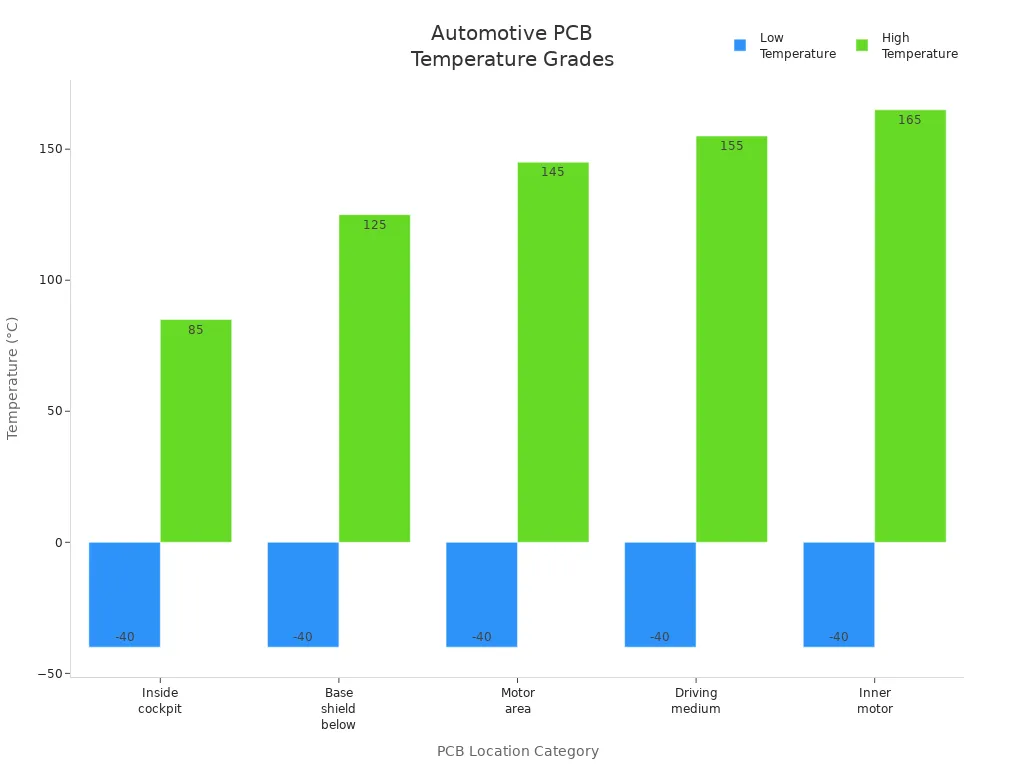
Self-driving cars must work safely for many years. Pcbs face shaking, water, and big temperature changes. To make sure they last, makers follow strict rules:
ISO 26262 checks safety and risk.
IPC-6012DA and IPC-6013E set rules for rigid and flexible pcbs.
AEC-Q100 and AEC-Q200 test parts for car stress.
ENIG finishes stop rust and keep signals clear.
Tests like heating, shaking, and dropping check if boards are tough.
Materials must stand up to heat, water, and stress.
Automotive pcbs must also follow green rules like RoHS. Quality rules like IATF 16949:2016 make sure boards are made right and can be tracked. These steps help printed circuit boards in driverless cars stay safe and last a long time.
Innovations in Autonomous Vehicles
HDI and Rigid-Flex PCBs
High-density interconnect and rigid-flex pcb designs are changing cars. HDI pcbs have tiny lines and spaces. This lets more circuits fit in a small area. Engineers can make smaller systems with more features. These features include self-parking and avoiding crashes. Rigid-flex pcbs mix hard and bendy parts. This makes them both strong and flexible. These designs help electronics fit in tight car spaces.
HDI pcbs let more sensors and processors work together. This helps cars drive themselves better.
Rigid-flex pcbs cut down on connectors and cables. This makes the system lighter and more dependable.
Big companies build new factories and team up to make more HDI and flexible pcbs for these cars.
More people want electric cars and better self-driving tech, so demand for these pcbs is rising.
HDI and rigid-flex pcbs help cars handle data fast and safely. This is very important for the future of self-driving cars.
Flexible Circuits and Sustainability
Flexible circuits are important in new self-driving cars. These circuits can bend and twist to fit small or odd spaces. Flexible pcbs connect sensors, screens, and control units. They also make cars lighter and use less material. This helps save energy.
Flexible circuits help make small and tough systems. This is needed for smart self-driving cars.
They let cars have light dashboards and smart screens.
Flexible pcbs use materials that are easier to recycle and less harmful. This is good for the planet.
Some new pcbs use plant-based materials like polylactic acid and cellulose. This lowers pollution.
Companies use water-saving tools, safer chemicals, and recycling to make pcbs better for nature.
These actions help meet rules like RoHS and ISO 14001 to keep people and the earth safe.
Sustainability Practice | Benefit for Automotive PCBs |
|---|---|
Lead-free solder | Reduces toxic waste |
Bio-based laminates | Uses renewable resources |
Water recycling | Saves fresh water and cuts pollution |
Additive manufacturing | Lowers material waste |
Easier disassembly | Helps with recycling at end of life |
Flexible and green pcb technology helps make cars safer, smarter, and better for the environment.
Advanced PCBs help self-driving cars get better. They let cars use real-time data and talk fast. These PCBs also help keep cars safe. More money goes into making these systems smaller and stronger. Engineers work to make sure cars can drive themselves well.
Aspect | Impact on Self-Driving Cars PCB Technology |
|---|---|
Integration | Real-time processing and safety-critical functions |
Reliability and Durability | Continuous operation in harsh environments |
High-Speed Data Transmission | Rapid data exchange for decision-making |
New research looks at multi-layer designs and flexible circuits.
People are also trying new materials for PCBs.
Experts think self-driving cars will use even better PCBs soon.
This will help cars become smarter and safer for everyone.
FAQ
What role do automotive pcbs play in adas assisted driving?
Automotive pcbs link sensors, cameras, and radar together. They help these parts work as a team. These boards move data fast between all the sensors. This lets adas assisted driving systems react quickly. Real-time control makes electric vehicles safer and more reliable.
How do pcbs improve safety in self-driving cars?
Pcbs help safety systems by moving data very fast. They keep connections strong between sensors and control units. Clear signals help cars spot danger right away. This lets driverless cars react fast to keep people safe.
Why is miniaturization important for printed circuit boards in autonomous vehicles?
Miniaturization lets engineers put more sensors in small spaces. This helps self-driving cars fit more features inside. Smaller boards also make cars lighter. Lighter cars use less energy and work better with new driving technology.
What challenges do automotive pcb designs face in ev applications?
Automotive pcb designs must handle heat, shaking, and wetness. They need to work well with high-speed data. Engineers must follow strict safety rules. This helps electric vehicles stay safe and work in any condition.
How do flexible circuits support sustainability in autonomous systems?
Flexible circuits use materials that are easy to recycle. They help cut down on waste and save energy. Companies use green ways to make these boards. This supports sustainability goals for autonomous driving systems.