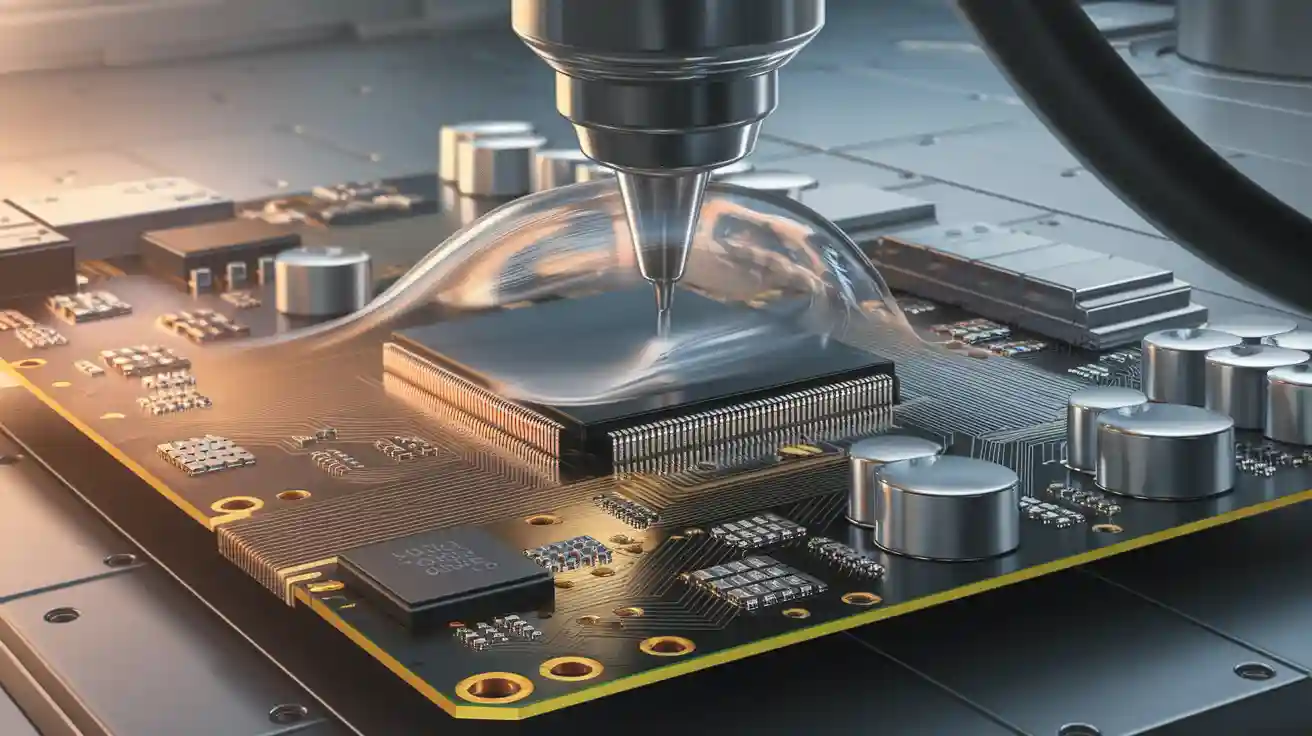
Protecting printed circuit boards (PCBs) from damage is very important, and using a PCB Conformal coating can significantly enhance their durability. Conformal coatings serve this purpose by adding a protective layer to the PCB. The main types of PCB Conformal coatings include acrylic, silicone, polyurethane, epoxy, and parylene. Each type offers unique advantages based on your specific requirements. Choosing the right PCB protection coating helps PCBs resist water, chemicals, and temperature changes, ultimately making them last longer and perform better.
Tip: Assess the environment and PCB needs to select the best Conformal Coatings for your project.
Key Takeaways
Pick the right coating based on your PCB’s surroundings. Think about moisture, chemicals, and heat.
Acrylic coatings are simple to use and fix. They work well for projects needing quick repairs and flexibility.
Silicone coatings handle high heat and protect delicate parts. They are great for cars and medical tools.
Polyurethane coatings resist chemicals and last long. They are perfect for tough industrial areas.
Parylene coatings are thin but strong. They are safe for medical use and protect without adding weight.
Acrylic Conformal Coating
Properties of Acrylic Coating
Acrylic coating is great for protecting PCBs. It insulates well with a dielectric strength of 8300 volts per mil. It works in temperatures from -75°F (-59°C) to 279°F (137°C). This coating meets important industry rules like MIL-I-46058C and IPC-CC-830A. It is also RoHS compliant, meaning it’s safe for the environment.
Here’s a simple look at its features:
Property | Specification |
|---|---|
Dielectric Strength | 8300 volts/mil |
Temperature Range | -75°F/-59°C to 279°F/137°C |
Compliance | MIL-I-46058C, IPC-CC-830A |
RoHS Compliance | Yes |
Repairability | Easy to fix |
Discoloration | Stays clear during normal use |
UV Indicator | Yes |
UL Recognition | File E76307 |
This coating uses solvents, so it’s simple to apply and fix. It dries fast and stays clear, letting you see PCB parts easily.
Advantages of Acrylic Coating
Acrylic coating keeps PCBs safe from water, dust, and chemicals. It helps electronics last longer and work better. It’s popular for consumer gadgets, cars, and airplanes.
It’s cheap and easy to use, making it useful for many industries. The UV indicator helps check quality, and its acid resistance works well in tough conditions. If damaged, you can repair it without removing the whole coating.
Applications of Acrylic Coating
Acrylic coatings are used a lot in electronics. They protect PCBs in devices, cars, and planes.
Here are some common acrylic coatings:
Product Name | Description | Key Features |
|---|---|---|
SanCryl 300 | Acrylic coating that resists moisture well. | Great for PCB protection and insulation. |
Humiseal 1B31S | Clear acrylic coating for electronic parts. | Blocks moisture, dust, and dirt. |
Konform AR | Acrylic coating for electronic assemblies. | Works in tough environments, good insulation. |
Conap CE-1170 | Acrylic coating known for handling humidity. | Strong insulation properties. |
These coatings work well in places with high humidity or changing temperatures. For special uses, coatings with graphene can lower PCB heat by up to 35°C, helping them work better.
Silicone Conformal Coating
Properties of Silicone Coating
Silicone coating has special features that protect circuit boards. It is made of silicon (Si), oxygen (O), and alkali groups. These materials make it flexible because of the wide bond angle between silicon and oxygen, which ranges from 100 to 180 degrees.
This coating can handle high heat and stays soft, making it good for delicate parts. It blocks mechanical and electrical problems by acting as a barrier. But it doesn’t stick well, so surfaces must be prepared carefully before use. While it protects against stress, it lets water through easily, so it’s not great for very humid places.
Advantages of Silicone Coating
Silicone coatings work well in places with very high heat. They don’t break down in heat, keeping PCBs working safely. Their softness helps protect fragile parts like sensors or bendable circuits.
These coatings also stop short circuits by providing strong electrical insulation. They stretch and shrink with temperature changes, avoiding cracks or damage. Even though they don’t stick well, preparing the surface properly helps them last longer.
Applications of Silicone Coating
Silicone coatings are used where temperatures change a lot. They are common in cars and airplanes to protect PCBs in engines or hot areas. Medical devices also use them to shield delicate parts with a soft but strong layer.
In gadgets, silicone coatings protect bendable circuits and sensors from stress. They’re also used in machines that face changing temperatures. When applied correctly, these coatings keep electronics safe and make them last longer.
Polyurethane Conformal Coating
Properties of Polyurethane Coating
Polyurethane coating gives strong protection to PCBs in tough places. It resists chemicals well, making it great for harsh conditions. This coating is strong, just a bit weaker than epoxy. Its flexibility lets it handle small movements or vibrations without breaking.
You can apply it by dipping, spraying, or brushing. These methods are simple and don’t need costly tools. The drying time depends on the type of coating. Some single-layer coatings dry in about three hours, speeding up production.
Advantages of Polyurethane Coating
Polyurethane coatings have many benefits for PCB protection. They resist chemicals better than acrylic coatings, keeping PCBs safe longer. Their strength protects PCBs from damage, making them good for tough jobs.
Applying these coatings is easy and can be done in different ways. Quick drying of single-layer coatings helps save time in large projects. They also work well in hot or cold temperatures, ensuring reliable performance.
Applications of Polyurethane Coating
Polyurethane coatings are used in many industries because they last long. They are common in factories where PCBs face chemicals and stress. Cars and boats use them to block moisture and handle vibrations.
In military and space electronics, they protect parts from extreme conditions. Wearable devices also use them to guard circuits while staying flexible. Their ability to work in many environments makes them a trusted choice for PCB safety.
Epoxy Conformal Coating
Properties of Epoxy Coating
Epoxy coating creates a strong, hard shield for PCBs. It is great at resisting chemicals and handling tough conditions. This coating blocks moisture, dust, and harmful substances effectively.
Here’s a simple summary of its tested features:
Test Type | Result Description | Notes |
|---|---|---|
Electrochemical Impedance Spectroscopy (EIS) | Studies how coatings block corrosion and break down over time. | A trusted method for testing corrosion protection. |
Shear Strength Test | Strength starts at ≈15 MPa but drops to ≈7 MPa after 8 hours. | Shows wear over time, but results vary widely. |
Water Uptake and Delamination | Examines how coatings handle water and peeling issues. | Helps understand how coatings last in different conditions. |
Epoxy coatings work well where stress and chemicals are common. But their stiffness makes them less ideal for flexible uses.
Advantages of Epoxy Coating
Epoxy coatings have many benefits for PCB safety, such as:
Thermal Stability: Handles high heat without breaking, perfect for hot areas.
Chemical Resistance: Blocks oils, solvents, and chemicals for long-lasting safety.
Mechanical Durability: Protects PCBs from impacts, scratches, and stress.
Dielectric Properties: Keeps strong insulation to stop electrical problems.
Environmental Benefits: Low harmful emissions make it eco-friendly.
These features make epoxy coatings reliable and reduce repair needs.
Applications of Epoxy Coating
Epoxy coatings are used in many fields because they are tough and versatile. Common uses include:
Electronics Industry:
Shields PCBs from water, dirt, and shaking.
Improves heat flow in LED lights.
Protects car electronics in rough conditions.
Aerospace and Defense:
Guards airplane electronics from heat and vibrations.
Ensures military devices work in extreme conditions.
Renewable Energy:
Keeps solar panels safe from water damage.
Makes wind turbines more reliable in harsh weather.
Industrial Automation:
Protects sensors from chemicals and stress.
Helps control systems work well in tough places.
Consumer Electronics:
Adds durability and water resistance to wearables.
Ensures home gadgets are safe and reliable.
Epoxy coatings are a dependable choice for protecting PCBs in tough environments.
Parylene Conformal Coating
Properties of Parylene Coating
Parylene coating gives excellent protection to circuit boards. It is applied as a vapor, forming a thin, even layer. This layer sticks to all parts of the PCB. It resists water, chemicals, and extreme heat, making it great for tough conditions.
Parylene is different because it is safe for medical use. It doesn’t cause bad reactions and stays stable over time. Its smooth surface reduces wear, helping devices last longer. It also blocks rust and damage, even in hot or harsh environments.
Advantages of Parylene Coating
Parylene coating is strong and works in many situations. It insulates well, stopping short circuits and keeping PCBs working. Its thin layer doesn’t make devices bulky, which is good for modern designs.
This coating works where others might fail. For example, it resists body fluids and chemicals, making it perfect for medical implants. It also protects electronics in planes and cars from heat and vibrations.
In medicine, Parylene improves devices like implants. It reduces irritation and shields tissues, making them safer. Its strong barrier keeps devices working well, even in hard conditions.
Applications of Parylene Coating
Parylene coating is used in industries needing strong PCB protection. In medicine, it helps carbon fiber electrodes work well for over a year. Its thin and flexible layer lowers tissue irritation, making it great for implants.
Evidence Description | Key Benefits |
|---|---|
Parylene coating used in carbon fiber electrode thread arrays | Improves electrode function and lasts longer in medical uses. |
Ultrathin and flexible implantable CF electrodes | Lowers tissue irritation and keeps measurements steady for a year. |
In aerospace, Parylene protects electronics from heat and shaking. Cars use it to shield sensors and systems from chemicals and water. Home gadgets benefit from its ability to protect parts without changing their design.
Parylene coating is trusted for jobs needing precision and strength.
Comparing Types of Conformal Coating
Key Differences Between Coating Types
Each conformal coating has its own strengths and weaknesses. Knowing these differences helps you pick the best one for your PCB.
Here’s a simple comparison of their main features:
Coating Type | Pros | Cons |
|---|---|---|
Silicone (SR) | Works well in high heat; resists chemicals and moisture. | Hard to remove; not scratch-resistant. |
Urethane (UR) | Resists humidity and corrosion; strong against scratches. | Takes longer to dry; contains more harmful fumes. |
Epoxy (ER) | Strong against chemicals and scratches; good for tough conditions. | Not good for high heat; hard to fix once applied. |
Acrylic (AR) | Easy to apply and fix; dries quickly; resists moisture. | Weak against chemicals; not good for hot or harsh conditions. |
Parylene (XY) | Very strong insulation; resists chemicals; no drying time needed. | Expensive; hard to fix or remove. |
Different coatings fit different uses. For example, silicone is great for hot areas, while acrylic is better for easy repairs.
Tip: Think about where and how the PCB will be used before choosing a coating.
Factors to Consider When Choosing a Coating
Choosing the right conformal coating depends on several things. First, think about the environment your PCB will face. For example, silicone or parylene is best for very hot places.
Next, consider how easy it is to apply and fix. Acrylic is simple to use and repair, making it good for projects needing changes. Epoxy and urethane are stronger but harder to fix.
Cost is also important. Parylene protects well but costs more. If you need a cheaper option, acrylic or urethane might work better.
Lastly, think about your project’s needs. Medical devices may need safe coatings like parylene. Industrial uses might need epoxy or urethane for chemical resistance.
Note: Always test the coating on a small PCB to make sure it works with your materials and design.
Picking the right conformal coating helps your PCB work well and last longer. The main types—acrylic, silicone, polyurethane, epoxy, and parylene—each have special uses. Acrylic is easy to fix, while silicone handles heat best.
Follow these steps to choose the right coating:
Match the coating to conditions like moisture, dust, or harmful gases.
Make sure it protects against things like electric shocks or fuel vapors.
Check the needed thickness and temperature range for your parts.
Pick coatings that absorb little water and resist rust well.
Protecting PCBs is important to keep electronics safe and working. The right coating keeps your devices strong and makes them last longer.
FAQ
What do conformal coatings do?
Conformal coatings shield circuit boards from water, dust, and chemicals. They help electronics last longer and work better in tough places.
How are conformal coatings applied?
You can spray, dip, or brush on conformal coatings. These methods cover the PCB evenly and suit different needs.
Can you take off conformal coatings?
Yes, you can remove conformal coatings with solvents or tools. Acrylic coatings are the simplest to fix or take off.
Which coating handles high heat best?
Silicone coatings are best for very hot areas. They stay strong and flexible, making them great for cars and planes.
Are conformal coatings okay for medical devices?
Parylene coatings are safe for medical tools. They block body fluids and chemicals while being gentle for implants and sensors.