You see more electric vehicles on the road every day. These vehicles use different ways to power your drive. Some run only on electric power, while others use a mix of electric and gas. Each ev offers its own set of features and benefits. When you know how each type of ev works, you can choose the right electric option for your needs. The world of electric vehicles keeps growing, and you play a part in shaping it. 🚗
Types of Electric Vehicles
Overview
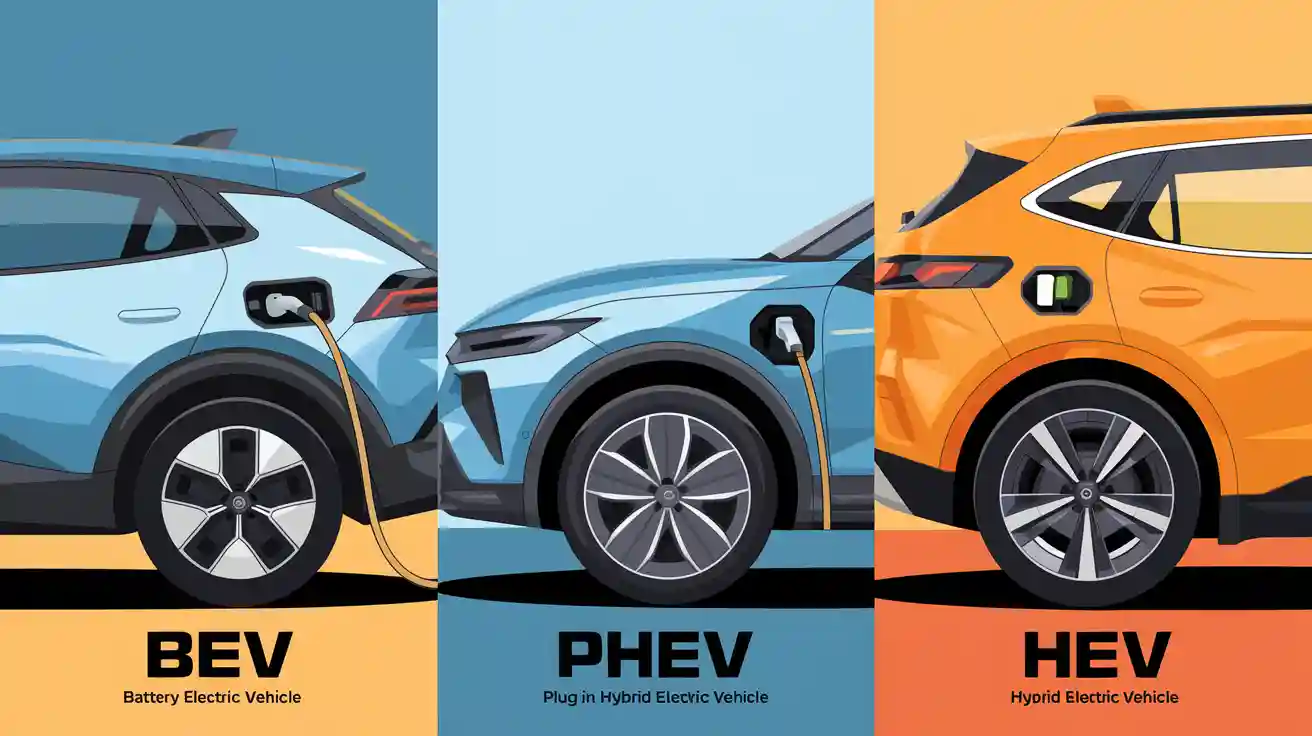
There are three main types of electric vehicles today. These are Battery Electric Vehicles (BEVs), Plug-in Hybrid Electric Vehicles (PHEVs), and Hybrid Electric Vehicles (HEVs). Each type powers your car in a different way. Some use only electric energy. Others use both electric and gasoline power. Learning about these types helps you pick what you need.
Tip: Electric vehicles can lower pollution and save you money on gas. You can find the best one by knowing how each type works.
Here is a quick look at the three main types:
BEVs: Use only electric power. You charge them at home or at public stations.
PHEVs: Use both electric and gasoline power. You can plug them in to charge.
HEVs: Use both electric and gasoline power. You do not plug them in. The battery charges while you drive.
Powertrain Differences
The biggest difference between these vehicles is how they move and charge. The powertrain is the part that makes the car go. BEVs use batteries and electric motors only. PHEVs have an electric motor and a gasoline engine. HEVs also have both, but you cannot plug them in.
Charging is important for how these cars work. BEVs and PHEVs need places to charge, like home chargers or public stations. HEVs do not need this because they charge while you drive. This makes each type of ev special in how you use and care for it.
Note: More people are choosing electric vehicles now. Charging stations are popping up in cities and on highways.
When you know these differences, you can choose the best ev for your life. The next parts will help you learn more about each type and how they fit your day.
Battery Electric Vehicles (BEVs)
What Are BEVs
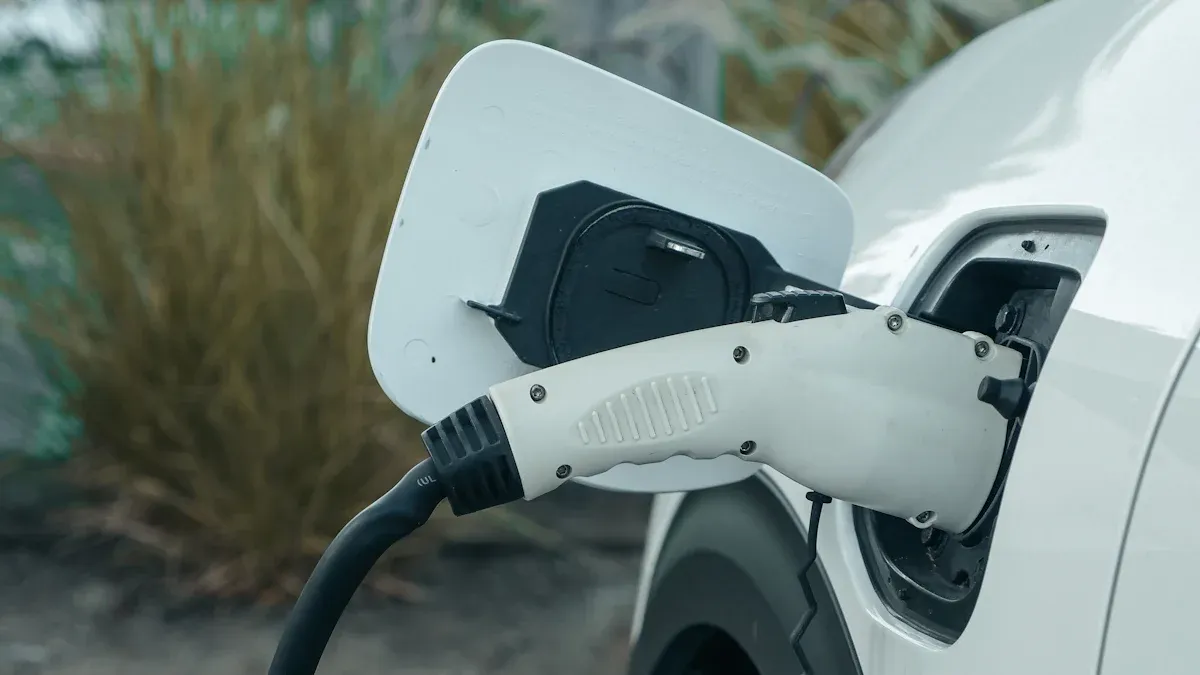
People sometimes call BEVs pure electric vehicles. Some say all-electric vehicles. These cars use only electricity to run. BEVs do not need gasoline or diesel. You charge them with electricity from a wall outlet. You can also use a charging station. BEVs are fully battery-powered electric vehicles. They use special batteries to store energy for driving.
How BEVs Work
BEVs have big batteries that power an electric motor. When you press the pedal, the battery gives energy to the motor. The car starts moving. You can charge the battery at home. You can also use public charging stations. Many BEVs can charge fast. This helps you get back on the road quickly. Some BEVs can go over 250 miles on one charge. You do not need to stop at gas stations with these cars.
Tip: BEVs make no emissions when you drive. You help the planet every time you drive a BEV.
BEV Features
The ride is quiet and smooth
No noise from the tailpipe or engine
Maintenance costs are lower than gas cars
Fast charging is available in many places
Quick acceleration with instant torque
Feature | BEVs |
|---|---|
Power Source | Battery only |
Emissions | Zero emissions |
Charging | Home & public |
Fuel Cost | Low |
Maintenance | Low |
Pros and Cons
Pros:
Zero emissions help keep air clean
Fuel and maintenance cost less
Driving is quiet and comfortable
Cons:
Range is less than some gas cars
Charging takes more time than gas fill-ups
Some places have fewer charging stations
BEVs have lots of good things. If you want an EV that uses only electricity, BEVs might be the best choice for you.
Plug-in Hybrid Electric Vehicles (PHEVs)
What Are PHEVs
Plug-in hybrid electric vehicles use two ways to move. They have an electric motor and a gasoline engine in one car. You can charge the battery at home or at public stations. PHEVs let you drive short trips using only electricity. When the battery gets low, the gasoline engine starts working. Many people call these cars plug-in hybrid electric vehicles because you can charge them with electricity.
How PHEVs Work
You start your trip using the electric motor. The battery gives you quiet and clean driving for many miles. When the battery is low, the gasoline engine turns on. This engine helps you keep going without stopping. PHEVs switch between electric and gas power when needed. You can use plug-in chargers to fill up the battery. Some PHEVs let you pick electric mode or gas mode. This makes them good for city or highway trips.
Tip: PHEVs are great if you want to use less gas but still need to drive far sometimes.
PHEV Features
Two power sources: electric motor and gasoline engine
Battery can be charged with plug-in chargers
Quiet electric driving for short trips
Gasoline engine helps on longer trips
Lower emissions than regular cars
Feature | PHEVs |
|---|---|
Power Source | Electric + Gasoline |
Charging | Plug-in chargers |
Range | Extended (electric + gas) |
Emissions | Lower than gas vehicles |
Flexibility | High |
Pros and Cons
Pros:
You can use electric power for daily trips
Gasoline engine lets you drive farther
Fuel costs are lower than regular cars
Charging is easy at home or public places
Cons:
Battery range is shorter than BEVs
Maintenance can cost more than BEVs
Some PHEVs cost more than regular cars
PHEVs give you both electric and gasoline power. You get electric driving for short trips and a gasoline engine for long trips. If you want an EV that works for many needs, PHEVs could be a good choice.
Hybrid Electric Vehicles (HEVs)
What Are HEVs
You might see hybrid electric vehicles often. These cars use a gasoline engine and an electric motor together. You cannot plug in an HEV to charge it. The battery charges itself while you drive. HEVs are part of the group that makes less pollution. They help you use less fuel than normal cars.
How HEVs Work
HEVs have a smart system that switches power. The electric motor moves the car when you go slow or stop. The gasoline engine helps when you need more speed or power. The battery charges itself from the engine and braking. This is called regenerative braking. You do not need to plug in your HEV. The car charges the battery as you drive.
Note: HEVs let you try electric driving. You do not need to look for a charging station.
HEV Features
No plugging in to charge
Quiet and smooth at low speeds
Uses less fuel than regular cars
Makes less pollution than most gas cars
Regenerative braking helps save energy
Feature | HEVs |
|---|---|
Power Source | Gasoline + Electric Motor |
Charging | Self-charging (no plug-in) |
Emissions | Lower than gas vehicles |
Maintenance | Similar to regular cars |
Pros and Cons
Pros:
You spend less money on fuel
You help the planet with fewer emissions
You can drive like you always do
Cons:
You cannot drive far using only electric power
You save less fuel than with BEVs or PHEVs
Battery repairs may cost more than regular cars
HEVs are an easy way to start with electric vehicles. If you want to save fuel and make less pollution, HEVs could be a good choice for you.
BEVs vs PHEVs vs HEVs
Energy Source
You will notice that BEVs, PHEVs, and HEVs use different energy sources. BEVs run only on batteries. You charge them with electricity. PHEVs use both a battery and a gasoline engine. HEVs also use a battery and a gasoline engine, but you cannot plug them in. The battery in HEVs charges itself while you drive. This difference changes how you use each type of electric vehicle.
Charging Methods
BEVs need you to plug them into charging stations or home chargers. You can use fast charging to fill up the battery quickly. PHEVs also need charging, but you can switch to gas if you run out of battery. You can use fast charging for some PHEVs, but not all. HEVs do not need charging stations. The car charges the battery as you drive. You do not need to worry about charging options or charging infrastructure with HEVs.
Tip: If you want to use public charging stations, BEVs and PHEVs give you more choices.
Emissions
BEVs produce zero emissions when you drive. You help keep the air clean every time you use a BEV. PHEVs and HEVs make fewer emissions than regular cars. PHEVs can drive short trips with zero emissions if you use only the battery. HEVs lower emissions, but they still use gasoline most of the time.
Driving Range
BEVs can go far on one charge, but the range depends on the battery size. PHEVs let you drive on electric power for short trips and switch to gas for longer trips. HEVs do not have a long electric range. The gasoline engine does most of the work on long drives.
Type | Energy Source | Charging Needed | Emissions | Driving Range |
|---|---|---|---|---|
BEVs | Battery only | Yes | Zero | Medium to High |
PHEVs | Battery + Gasoline | Yes | Low | High (with gas) |
HEVs | Battery + Gasoline | No | Low | High |
Choosing the Right Type
You should think about your driving habits. If you want zero emissions and use charging stations often, BEVs work best. If you want to drive electric for short trips but need gas for longer drives, PHEVs are flexible. HEVs are good if you want to save fuel but do not want to worry about charging. Each type of electric vehicle fits a different lifestyle. You can pick the one that matches your needs.
You now know how BEVs, PHEVs, and HEVs work. BEVs use only electricity to move. PHEVs use both electricity and gas. HEVs charge their battery while you drive. Think about your daily trips before you choose. Look at charging options near you. Decide what matters most for the planet. BEVs are best if you want zero emissions. HEVs help you use less fuel and support green travel. Picking the right car helps make the world cleaner.
BEVs: No emissions, need to charge
PHEVs: Use both gas and electric power
HEVs: No plug needed, save on fuel
Tip: The car you pick helps the planet and supports green choices.
FAQ
What is the main difference between BEVs, PHEVs, and HEVs?
You will find that BEVs use only electricity, PHEVs use both electricity and gasoline, and HEVs use gasoline with some electric help. Each type has a different way to charge and power your drive.
How long does it take to charge a BEV?
Charging time depends on the charger and battery size. Home charging can take several hours. Fast chargers at public stations can fill most batteries in about 30 minutes to an hour.
Can you drive a PHEV if the battery runs out?
Yes, you can. When the battery runs out, the gasoline engine takes over. You can keep driving without stopping to charge right away.
Do HEVs need to be plugged in?
No, you do not need to plug in an HEV. The car charges its battery while you drive using the engine and braking. You never need to look for a charging station.