You may ask which popular sensor brands are the best right now. Some of the top sensor brands include:
Bosch Sensortec, a leader in mobile and wearable MEMS sensors.
Honeywell International, known for its many industrial and aerospace sensors.
Texas Instruments, which sells high-performance analog sensors.
STMicroelectronics, recognized for its motion and environmental sensors.
TE Connectivity, famous for its strong custom-built sensors.
Amphenol Advanced Sensors, providing temperature and pressure sensors.
Infineon Technologies, focusing on automotive radar sensors.
If you look at prices, you will notice big changes between popular sensor brands and sensor types:
Sensor Type | Average Price (Brand A) | Average Price (Brand B) |
|---|---|---|
Digital Temperature Sensors | $X | $Y |
Industrial Sensors | $Z | N/A |
High Performance Sensors | $C | Increasing |
When you buy smart sensors, you should check both brand reputation and price among popular sensor brands. These two factors help you choose what is best for you, whether you need sensors for home security or something else.
Popular Sensor Brands
Brand Reputation
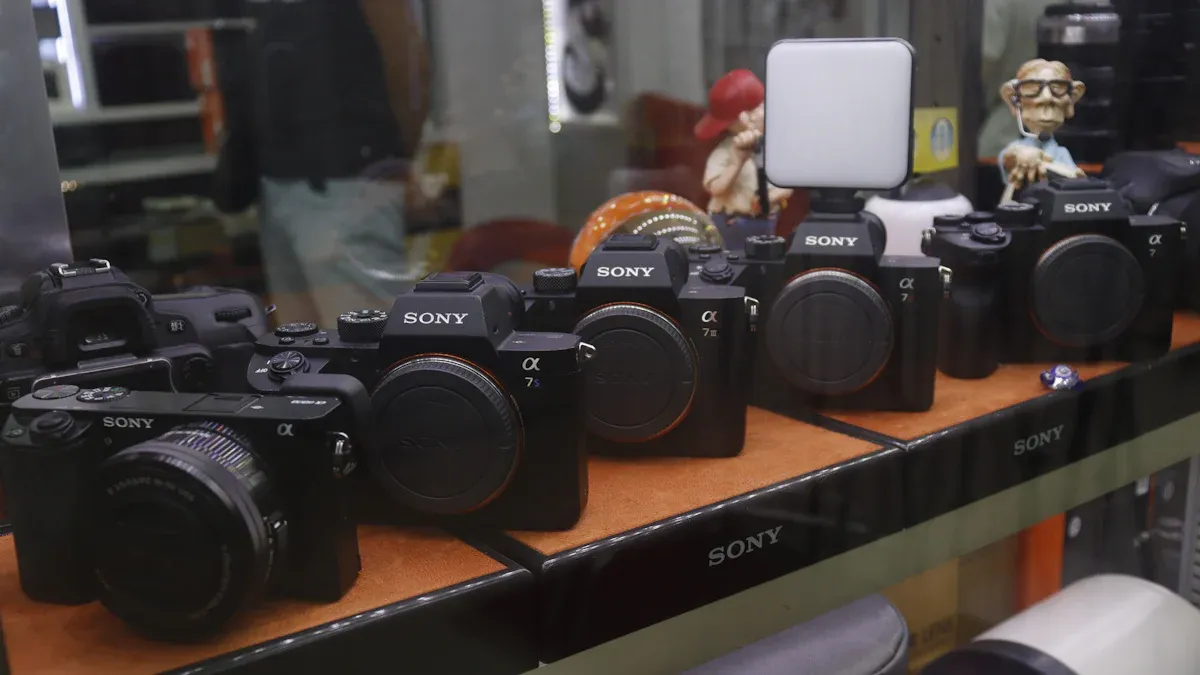
When you check popular sensor brands, some names show up a lot. TP-Link Tapo, Aqara, SimpliSafe, ADT, and Tuya are well-known for smart homes. Big companies like LG Electronics, Amazon, Samsung, and Sony are also easy to spot. People trust these brands and buy their products often because they are famous.
Brand Name | Market Recognition |
|---|---|
LG Electronics Inc. | High |
ASSA ABLOY AB | High |
Amazon.com, Inc. | High |
Samsung Electronics Co., Ltd | High |
Sony Group Corporation | High |
Some brands have special features. TP-Link Tapo sensors use a Sub-GHz network. This means they work farther and the battery lasts longer than Aqara’s 2.4GHz network. The Tapo app is simple to use, and you can connect up to 64 sensors to one hub. Tapo sensors cost less than Aqara, so you save money.
If you want sensors with batteries that last long, Blink Camera and ADT are good choices. Blink sensors can work for two years before you need new batteries. ADT also has great battery-powered sensors. Ring, Lorex, Nest, and Arlo are known for battery life too, but Blink lasts the longest.
Jazz Imaging gives you a lifetime warranty and support for their sensors. Most other brands only give you one or two years of warranty. You might have to pay for help after that. Jazz Imaging is a good pick if you want help for a long time.
Product Range
There are many options when you shop for popular sensor brands. TP-Link Tapo, Aqara, SimpliSafe, ADT, and Tuya sell sensors for motion, temperature, and security. Amazon Alexa works with over 100,000 devices, so you can connect almost anything. Google Nest and Apple HomeKit also work with lots of devices and focus on privacy and safety.
Brand | Product Range | Compatibility with Smart Home Systems | Security Features |
|---|---|---|---|
Amazon Alexa | Supports over 100,000 devices | Widely integrated | Voice control |
Google Nest | Extensive device compatibility | Strong security measures | User privacy and control |
Apple HomeKit | Over 1,000 certified devices | Seamless integration with Apple | Strong security measures |
Popular sensor brands give you smart features like real-time data, automatic calibration, and multi-sensing. These features help you get correct readings and make your smart home safer and easier to use.
Price Comparison
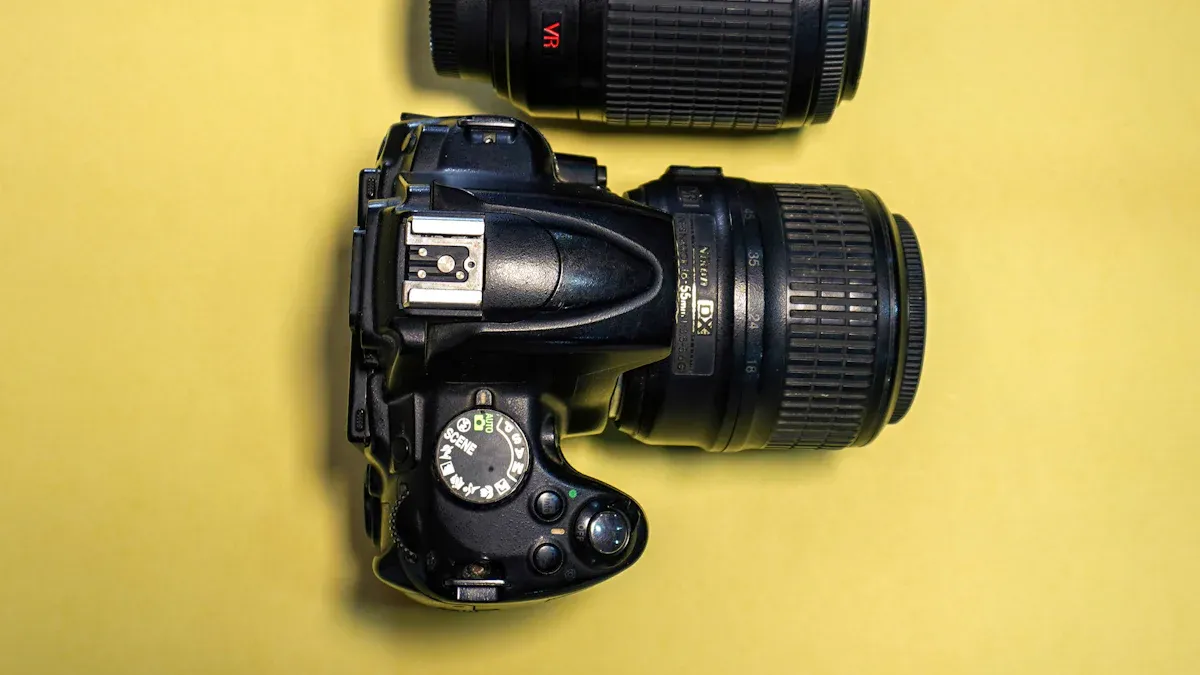
When you look for smart sensors, prices can be very different. Some sensors cost a lot less than others. Let’s talk about why prices change. This will help you pick the best sensor for you.
Entry-Level Models
If you want basic smart sensors, you do not need to spend much. Entry-level models have simple features like motion or temperature checks. These sensors are good for small rooms or simple homes.
Here are some entry-level choices and their prices:
ecobee Smart Sensor 2 Pack: $95.83 for two (about $47.92 each)
TP-Link Tapo Motion Sensor: Usually costs €10 to €25
Aqara Motion Sensor: Costs around €20 to €30
Tuya Smart Motion Sensor: Prices start at €15 and go up to €40
Most entry-level smart sensors cost between €10 and €75. TP-Link Tapo and Tuya have some of the lowest prices. Aqara is in the middle. Ecobee gives you a deal for two sensors. You get basic features for less money. This is good if you want to save.
Tip: Entry-level sensors are great for renters or people who want to try smart home tech without spending a lot.
Mid-Range Models
Mid-range sensors have more features. You might get better battery life or stronger security. These sensors are good for bigger homes or people who want more control.
Let’s see how SimpliSafe and ADT compare:
Feature | SimpliSafe | ADT |
|---|---|---|
Contract Length | No long-term contracts | Usually needs a 3-year contract |
Starting Price | Cheaper options available | Higher starting prices |
Unique Features | Intruder Intervention, Secret Alarms | Not many unique features |
Monitoring Options | Flexible plans, free self-monitoring | Plans based on equipment and services |
SimpliSafe has flexible plans and lower prices. You do not need a long contract. This helps you control your spending. ADT wants longer contracts and higher prices. SimpliSafe has more special features. ADT focuses on custom security.
Most mid-range smart sensors cost between €40 and €120. You pay more for extra features and better performance. If you want a sensor for a security camera, check each brand’s camera prices. Some bundles have sensors and cameras together. This can change the total price.
High-End Models
High-end smart sensors use new technology. These sensors have mmWave, advanced motion, and even face recognition. You find these in fancy homes, offices, or places that need strong security.
Here is the price range for high-end sensors:
Category | Price Range |
|---|---|
High-End Sensors | $200-$500+ |
High-end sensors cost a lot. Some can be over $500 for the best features. Bosch Sensortec, Honeywell, and Infineon make these models. You get longer battery life, better accuracy, and more smart features. If you need sensors for a big place or want top security, expect to pay more.
Note: High-end sensors often need professional installation. This can make the total cost higher. Check if installation is included in the price.
When you compare entry-level, mid-range, and high-end sensors, price depends on features, brand, and what you need. Always check the price before you buy. Some brands have bundles or discounts to help you save. If you want better home security, look at both price and features to get the best deal.
Smart Sensors Value
Price-to-Performance
When you buy smart sensors, you want good value. Look at what features you get for the price. Some brands give you long battery life and smart detection. Some even have facial recognition. These features make your sensor worth more. TP-Link Tapo gives many features for a low price. Aqara has smart home integration and strong battery life. High-end brands add mmWave technology and facial recognition. These features make smart sensors work better.
Here’s a quick look at new smart sensor advancements:
Advancement Type | Description |
|---|---|
AI-Enhanced Sensor Data Processing | AI and machine learning help sensors process data fast and make smart choices. |
Miniaturization and Integration | Smaller sensors fit in more devices and work well in wearables and IoT systems. |
Pick smart sensors with features that match your needs. This helps you get more value.
Reliability
You want smart sensors that work every time. Reliable sensors help you feel safe. Some brands are known for being reliable. SimpliSafe is one example. People trust SimpliSafe because it works well. It does not fail often. Aqara also gets good reviews for reliability.
SimpliSafe has a SecureScore of 9.2 out of 10.
Customers say SimpliSafe is easy to use and reliable.
Aqara sensors also get high marks for reliability.
If you choose trusted brands, you get better value and fewer problems.
Customer Reviews
Customer reviews show the real value of smart sensors. People talk about battery life, smart detection, and facial recognition. These features matter most to users. Smart sensors with facial recognition are used in hotels and tourism. They read faces to see how happy people are. This helps hotels give better service and make guests happier. The Campanile hotel chain in Spain uses these sensors to find unhappy guests and fix problems fast. When you read reviews, you see that facial recognition and smart detection add real value.
Tip: Always read what other buyers say about smart sensors before you buy.
Smart sensors keep improving. Brands add new features every year. You get more value and smarter features with each new model.
Sensor Recommendations
For Budget Buyers
Do you want smart home sensors that are not expensive? You can make a smart home with cheap motion sensors and still get good quality. Many brands have basic models that work for simple automation and home safety. Here is how you can begin:
You can use cheap motion sensor switches for smart lights. This lets you turn lights on and off from far away. It also helps you save energy.
Smart thermostats and occupancy sensors make AC control easy. These devices help you use less air conditioning and save money.
You can change fan speed with temperature sensors and smart switches.
You can use motion-sensing lights and smart exhaust fans in the bathroom. This gives you more comfort and cleaner air.
Smart locks, cameras, and motion sensors help keep your home safe. You do not need to spend a lot of money.
The best smart home devices are smart plugs, Wi-Fi doorbells, and smart hubs. These let you control everything from one place.
If you want cheap motion sensors, TP-Link Tapo and Tuya have the lowest prices. Aqara costs a little more. You can buy a door and window sensor for under €20. These sensors are good for simple smart homes. They are easy to set up and work well.
Tip: Start with a few cheap motion sensors and door and window sensors. You can add more smart devices later as your smart home gets bigger.
For Home Security Cameras
You want the best security cameras and motion sensors for your smart home. Security cameras work better with good motion sensors and door and window sensors. This setup gives you alerts right away and better video.
Here is a table with top systems for home security camera setups:
System | Features | Integration with Cameras |
|---|---|---|
ADT | Simple design, AI works with Trusted Neighbor | Works with Nest Cam (indoor, wired) |
SimpliSafe | Live video, two-way talk, easy DIY system | Works with Wireless Indoor/Outdoor Cameras |
SimpliSafe lets you see live video and talk through the camera. You can use both indoor and outdoor cameras for more safety. ADT uses AI and works with Nest Cam for clear video. Both brands work with motion sensors and door and window sensors for smart homes.
If you want cheaper cameras, Blink and Ring are good picks. Blink cameras last long on batteries and are not expensive. Ring has cameras with motion sensor lights for extra safety. Lorex and Arlo have cameras for outside use. Google Nest gives you smart motion detection and clear video.
Here are some top motion sensor devices for home safety:
Caregiver Smart Solutions Individual Movement Sensor – $62.45
Optex FlipX Series Indoor PIR Detector – $23.95
Optex 360-Degree Ceiling Mount PIR Detector – $119.95
Enbrighten Outdoor 2-Head Motion-Sensing Back Lit Wi-Fi LED Security Light – $98.95
SATCO LED PIR Sensor Lamp, A19, 5000K – $12.95
Optex Indoor Recessed Mount PIR Detector, Curtain Detection – $40.40
You can pick the best cameras and motion sensors for your needs. If you want clear video, choose cameras with smart motion sensors. Door and window sensors make your home even safer.
Note: Always check if your cameras work with your motion sensors and door and window sensors. This helps your smart home work better and gives you the best results.
For Specialized Needs
Do you need smart sensors for special uses? Some smart devices have features like human presence detection and IoT use. These sensors are good for custom smart homes and factories.
Here is a table with top choices for special needs:
Sensor | Detection Type | Price | Applications |
|---|---|---|---|
mmWave Human Detection Sensor Kit | Human Presence | $26.99 | Custom Smart Home Projects |
24GHz mmWave Sensor | Static Presence | $4.49 | Entry-level Accurate Detection |
You can use mmWave sensors to find people in your smart home. These sensors are very accurate and work with other smart devices. If you want a cheap option, the 24GHz mmWave sensor is a good choice.
Smart sensors are important in factories and big businesses. They help machines work by themselves and track things. You get better data and can fix problems before they get worse. These sensors help things run smoothly and show how well machines are working.
Experts say smart sensors are changing how factories work. They help fix machines before they break, find problems, and make things better. You can use these new tools in your smart home or business.
Here are some ways advanced smart sensors help:
Smart sensors collect more data and help fix things before they break.
They help things work better and show how machines are doing right now.
Better processing lets you get more useful data and control things better.
If you want a smart home with special sensors, look for models with advanced motion sensors and door and window sensors. These work well for IoT and smart home setups. You get better quality and more control.
Tip: Pick sensors that fit your smart home needs. You can use cheap motion sensors and advanced sensors together for the best results.
Sensor prices can be very different. Some TPMS sensors cost $30 to $100 each. The brand, technology, and extra features change the price. Expensive sensors are not always better.
Here is how you can choose a sensor:
Think about what your system needs.
Look at specs, features, and prices.
Try to avoid problems from sensor flaws.
Choose between cost and performance wisely.
If you want to learn more, try these research ideas:
Research Type | Description |
|---|---|
Secondary Research | Use journals, reports, press releases, and databases like Factiva and Hoovers. |
Primary Research | Ask experts in the industry for more details. |
Methodologies | Find market size estimates and use data triangulation for better accuracy. |
Remember, you get the best sensor when you balance price, features, and reliability.
FAQ
What is a temperature and humidity sensor, and why do you need one?
A temperature and humidity sensor checks the air in your house. It helps keep your rooms nice and comfy. The sensor tells your system when to heat or cool. You can see the temperature and humidity on your phone.
How do wireless security cameras work with smart sensors?
Wireless security cameras do not need wires to connect. Smart sensors can tell the camera to start recording if they sense movement. You get a message on your phone right away. This helps you watch your house and keep it safe.
Can you use a camera for high-definition video in your security system?
Yes, you can use a camera that records in high-definition. This gives you sharp pictures and videos. Your security system saves these files for you. You can watch them later if you want to see what happened.
What features should you look for in a security sensor system?
You should pick sensors that work with your cameras. Choose a system that is easy to use. Make sure it sends alerts quickly. Good systems use temperature and humidity sensors, motion sensors, and cameras for better safety.