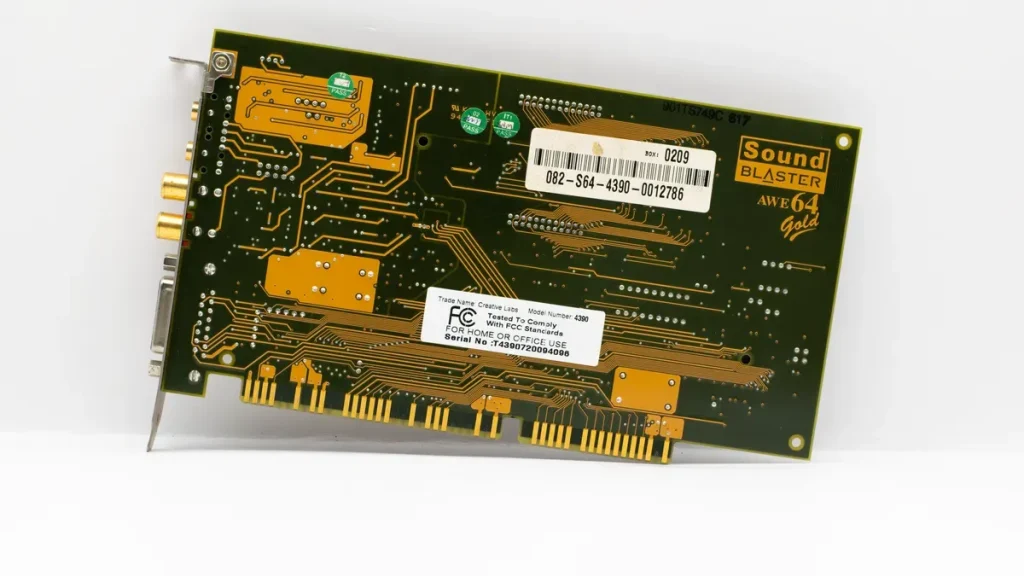
Understanding the cost of PCB design services is essential for effective budgeting. Hourly rates vary widely based on expertise. Entry-level designers charge $25-$75 per hour, while mid-level designers range from $75-$150 per hour. For complex designs, expert designers may charge $150-$300+ per hour. Project-based costs typically fall between $1,500 and $10,000+. Factors like the number of layers, component density, and advanced features significantly influence pricing. By planning carefully and considering these variables, you can achieve a cost-effective printed circuit board design without compromising quality.
Key Takeaways
PCB design costs depend on how complex the design is. Simple boards cost less than multi-layer ones.
Pick the right designer. Freelancers are cheaper for easy jobs. Firms are better for harder designs.
Share clear details like schematics and BOM. Good info helps designers give correct prices and avoid delays.
Avoid many changes by explaining your needs well. Fewer edits save both time and money.
Use common parts to cut costs. They are easy to find and make designing simpler.
Factors Influencing PCB Design Services Cost

Design Complexity
Number of layers and component density
The complexity of your PCB design directly impacts the cost. Simple designs, such as single-layer boards, are more affordable compared to multi-layer boards. As the number of layers increases, so does the expense. High component density also adds to the cost since it requires precise routing and placement.
Single-layer boards are the most cost-effective option.
Multi-layer boards, especially those with 6 or more layers, demand advanced tools and expertise, increasing the overall cost.
High-density designs require additional time and effort, further driving up expenses.
Advanced features and functionality
Incorporating advanced features into your PCB design can significantly raise the cost. High-speed circuits, impedance control, and RF design require specialized tools and expertise. These features also involve additional testing and simulation, which adds to the overall expense.
High-speed circuits demand sophisticated design techniques.
RF designs require precise calculations and advanced software.
Additional testing ensures functionality but increases the cost.
Designer Expertise
Freelancers vs. professional firms
The choice between hiring a freelancer or a professional firm affects the cost of PCB design services. Freelancers often charge lower hourly rates, making them suitable for simple projects. However, professional firms provide greater reliability and fixed project costs, which can be beneficial for complex designs.
Feature | Freelance PCB Designer | Professional PCB Design Service/Firm |
|---|---|---|
Cost | Lower hourly rates; unpredictable costs. | Higher rates; fixed project costs. |
Reliability | Varies based on individual expertise. | Consistent quality and expertise. |
Impact of experience on cost
The experience level of the designer plays a crucial role in determining the cost. Entry-level designers are ideal for basic projects, while mid-level and expert designers handle more complex designs.
Experience Level | Typical Hourly Rate Range | Project Complexity Impact |
|---|---|---|
Entry-Level | $25 – $75 | Suitable for simple, standard PCB designs. |
Mid-Level | $75 – $150 | Handles moderately complex, multi-layer designs. |
Expert/Senior | $150 – $300+ | Specialized in high-density or high-speed designs. |
Tools and Software
Licensing and advanced tools
The tools and software used in the PCB design process can influence the cost. High-end software like Altium Designer or Cadence Allegro requires expensive licenses, which can increase the overall expense. Open-source tools like KiCad are more budget-friendly but may lack advanced features.
Software | Licensing Cost | Complexity | Expertise Level | Impact on Cost |
|---|---|---|---|---|
Altium Designer | High (Subscription) | High | Expert | High due to licensing and skills. |
KiCad | Free (Open Source) | Medium | Beginner | Low, reduces overall design costs. |
Simulation and testing software
Simulation and testing software are essential for ensuring the functionality of your PCB. These tools help identify potential issues early in the design process, saving time and money. However, their use can add to the overall cost of the project.
Advanced simulation tools ensure signal integrity and thermal performance.
Testing software validates the design before manufacturing.
Additional Services
Prototyping and testing
Prototyping and testing play a critical role in ensuring your PCB functions as intended. These services involve creating physical prototypes of your design to validate its performance. Prototyping often requires building at least two iterations to identify and resolve potential issues. Each iteration incurs material costs, which vary based on the size and shape of the PCB. For example, prototyping can cost up to $2,000 per iteration, significantly adding to the overall expense.
Testing ensures the board meets all functional requirements. Advanced testing methods, such as signal integrity analysis, help detect flaws early in the process. While these steps increase the cost, they save you from expensive errors during manufacturing. Testing and prototyping also involve multiple iterations, which further impacts the total cost. However, these services are essential for achieving a reliable and high-quality PCB design.
Design for manufacturability (DFM)
Design for manufacturability (DFM) focuses on optimizing your PCB design for efficient production. This service ensures your design adheres to manufacturing standards, reducing the risk of errors during fabrication. DFM reviews address issues like trace width, spacing, and component placement to ensure compatibility with manufacturing processes.
By investing in DFM, you minimize production delays and avoid costly revisions. Manufacturers often charge extra for handling designs that lack DFM considerations. Including DFM in your PCB design services helps you achieve a smoother production process and reduces overall costs. It also ensures your design meets industry standards, enhancing its reliability and performance.
Tip: Including prototyping, testing, and DFM in your PCB design services ensures a robust and manufacturable design, saving you time and money in the long run.
Information Required for Accurate PCB Design Quotes
Accurate quotes for PCB design services depend on the quality and completeness of the information you provide. By supplying detailed inputs, you help designers create precise estimates and avoid unnecessary delays.
Essential Inputs
Schematics and circuit diagrams
Schematics form the foundation of your PCB design. Providing a source file, such as Altium or Eagle, ensures designers can work efficiently. If unavailable, a PDF version is acceptable but may require additional effort to interpret. Clear schematics reduce errors and save time during the design process.
Bill of Materials (BOM)
A detailed BOM is crucial for accurate estimates. Include specifications, quantities, and part numbers for all components. This information helps designers assess material costs and availability. For example:
Evidence Type | Description |
|---|---|
Price | Access to the latest component prices ensures accurate cost expectations. |
Availability | Confirming that components are in-stock prevents last-minute sourcing issues. |
Lifecycle information | Knowing the status of components (obsolete, EOL, or in production) aids in planning. |
PCB footprint | Updated CAD data and footprints reduce design time and errors. |
Price breaks | Understanding volume discounts helps maintain budget constraints. |
Mechanical and enclosure details
Mechanical details, such as board dimensions and mounting hole locations, are essential for ensuring compatibility with the enclosure. Formats like DXF, IDF, or PDF provide the necessary data. Including these details early prevents costly revisions later.
Optional Inputs
Specific design constraints
Defining constraints upfront helps designers tailor the PCB to your needs. For example:
Clearly outline the functionality, size, and performance requirements.
Specify design parameters like component count, board size, and routing complexity.
Highlight any unique requirements, such as high-speed signals or impedance control.
These details allow designers to estimate the time and cost more accurately.
Preferred manufacturing processes
If you have a preferred manufacturing process, share it with the designer. This includes details like material type, surface finish, and solder mask color. For instance:
Material type affects cost and complexity.
Surface finish and solder mask color influence pricing and availability.
Providing this information ensures the design aligns with your manufacturing preferences, reducing the risk of rework.
Tip: Comprehensive inputs lead to precise quotes and minimize redesign risks. Use online PCB quote calculators to streamline the process and get instant estimates.
Time Estimation for PCB Design Services
Baseline Tasks
Schematic capture and layout
The schematic capture and layout phase forms the foundation of your PCB design. During this step, you translate your circuit diagrams into a digital format. This task typically takes around 4 hours, depending on the complexity of the design. A consistent task order ensures efficiency and accuracy in this phase. Tools like Altium Designer or KiCad streamline the process, but the time required may vary based on the software’s capabilities.
Component placement and routing
Component placement and routing are critical for ensuring your PCB functions as intended. Placement involves arranging components on the board to optimize space and performance. Routing connects these components through electrical paths. On average, placement takes about 15 hours, while routing requires approximately 24 hours. Factors like component pin density and routing topologies can significantly impact the time needed. Proper planning during this stage minimizes errors and reduces the need for revisions.
Task | Estimated Time (hours) |
|---|---|
Library | 4 |
Placement | 15 |
Routing | 24 |
Outputs | 6 |
Total Estimate | 54 |

Advanced Tasks
Signal integrity and thermal analysis
Signal integrity and thermal analysis ensure your PCB performs reliably under various conditions. Signal integrity focuses on maintaining the quality of electrical signals, while thermal analysis evaluates heat distribution. These tasks require advanced tools and expertise, adding several hours to the project timeline. For high-speed or RF designs, these analyses become even more critical.
Power distribution optimization
Power distribution optimization ensures your PCB delivers consistent power to all components. This task involves designing power planes and minimizing voltage drops. High-density interconnect (HDI) boards and complex routing topologies often demand additional time for optimization. Proper power distribution reduces the risk of performance issues and enhances the overall reliability of your design.
Factors Affecting Time
Revisions and iterations
Revisions and iterations can significantly extend the time required for PCB design services. Each revision involves re-evaluating the design to address errors or incorporate changes. Providing detailed inputs upfront minimizes the need for multiple iterations, saving both time and cost.
Communication and feedback
Effective communication between you and the designer plays a vital role in meeting project deadlines. Clear feedback ensures the designer understands your requirements, reducing the likelihood of errors. Regular updates and prompt responses help maintain a smooth workflow, preventing unnecessary delays.
Tip: Use a calculator to estimate project hours based on factors like component pins, nets, and layers. Adjust baseline estimates for advanced tasks to get a more accurate quote.
Example PCB Design Cost Estimation

Simple PCB Design
Cost breakdown for single-layer PCB
A single-layer PCB is the most basic type of printed circuit board. It typically costs less due to its straightforward design and minimal material requirements. For a small board with standard components, the cost can range from $500 to $1,500. This includes design services, prototyping, and basic testing. If you use open-source tools like KiCad, you can further reduce expenses. However, advanced software or additional features may increase the cost.
Time and resources required
Designing a single-layer PCB usually takes less time compared to multi-layer boards. The process involves schematic capture, component placement, and routing. On average, it requires 20 to 40 hours, depending on the complexity of the design. A single designer with basic tools can handle this task efficiently. Prototyping and testing add another 10 to 15 hours, bringing the total time to around 50 hours.
Complex PCB Design
Cost breakdown for multi-layer PCB
Multi-layer PCBs are more expensive due to their complexity and the need for advanced tools. A typical 4-layer board can cost between $3,000 and $10,000, depending on the size and features. High-density designs or boards with advanced functionality, such as RF circuits, may exceed this range. The cost includes design services, prototyping, and extensive testing. Advanced simulation tools and design for manufacturability reviews also contribute to the higher expense.
Time and resources required
Designing a multi-layer PCB demands more time and expertise. Tasks like signal integrity analysis and power distribution optimization add to the timeline. A 4-layer board may take 80 to 120 hours to complete, including prototyping and testing. Complex designs often require a team of designers and specialized software, increasing both time and resource requirements.
Tip: For an accurate estimate, provide detailed inputs like schematics, BOM, and mechanical details. This helps designers streamline the PCB design process and avoid unnecessary delays.
Tips to Reduce PCB Design Services Cost
Optimize Design
Avoid unnecessary complexity
Simplifying your PCB design can significantly reduce costs. Avoid adding extra layers or advanced features unless absolutely necessary. For instance, a single-layer PCB is more affordable than a multi-layer one. Focus on the essential functionality of your design to save both time and money. Keeping the layout straightforward also minimizes the chances of errors during manufacturing.
Use standard components
Using standard components instead of custom or rare parts can lower the cost of your PCB design services. Standard components are easier to source and often come with lower prices. They also simplify the design process, reducing the time required for component placement and routing. When creating your Bill of Materials (BOM), prioritize commonly available parts to streamline the process and avoid delays.
Choose the Right Provider
Compare multiple quotes
Requesting quotes from multiple providers helps you find the best value for your project. Each provider may offer different pricing based on their expertise and tools. Comparing these quotes allows you to identify the most cost-effective option without compromising quality. Ensure the quotes include all necessary services, such as prototyping and testing, to avoid hidden costs later.
Evaluate expertise and portfolio
Choosing a provider with a strong portfolio ensures high-quality results. Review their previous projects to assess their experience with similar designs. A skilled provider can complete the project efficiently, saving you time and money. While freelancers may offer lower rates, professional firms often provide more reliable services for complex designs.
Plan and Communicate
Provide complete inputs
Providing detailed and accurate information upfront helps designers create an efficient plan. Include schematics, BOM, and mechanical details to ensure the design aligns with your requirements. Clear inputs reduce the need for revisions, saving both time and cost. The more precise your initial information, the smoother the process will be.
Minimize revisions
Revisions can quickly increase the cost of PCB design services. To avoid this, communicate your requirements clearly from the start. Regularly review the progress and provide timely feedback to keep the project on track. Minimizing revisions not only saves money but also ensures the project meets its deadlines.
Tip: Planning ahead and maintaining clear communication with your provider can significantly reduce the overall cost of your PCB design.
Understanding the factors that influence pcb design services cost helps you make informed decisions. Design complexity, expertise, tools, and additional services all play a role in determining the cost. Providing accurate inputs like schematics and BOM ensures a smoother pcb design process and avoids unnecessary delays. Planning ahead and communicating effectively with your provider minimizes revisions and keeps costs under control. By optimizing your design and choosing the right services, you can achieve a high-quality pcb without exceeding your budget.
FAQ
What is the typical hourly rate for PCB design services?
The hourly rate for PCB design services varies based on expertise. Entry-level designers charge $25-$75 per hour, while mid-level designers range from $75-$150 per hour. Expert designers may charge $150-$300 or more.
How can I get an accurate estimate for PCB design services?
Provide detailed schematics, a bill of materials, and mechanical details. Clear inputs help designers create precise quotes and avoid unnecessary delays during the PCB design process.
What factors influence the cost of printed circuit board design?
Design complexity, designer expertise, tools, and additional services like prototyping and testing impact the cost. Multi-layer boards and advanced features increase expenses.
How long does the PCB design process usually take?
The timeline depends on complexity. Simple designs may take 50 hours, while complex multi-layer boards can require 80-120 hours, including prototyping and testing.
Can I reduce PCB design services cost without compromising quality?
Simplify your design, use standard components, and provide complete inputs. Compare quotes from multiple providers and minimize revisions to save time and money.