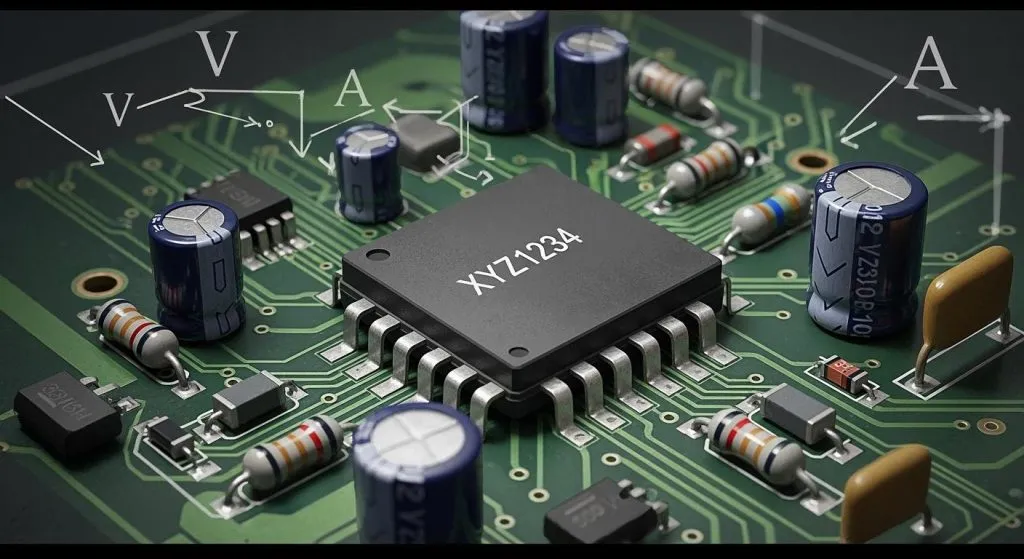
You see ai changing how Humanoid Robot technology grows each year. Companies join together to make smarter robots for healthcare, customer service, and factories.
The global humanoid robot market could rise from USD 1.49 billion in 2023 to USD 29.12 billion by 2033.
By 2027, robots might do jobs in warehouses and stores.
By 2031, they could help people in more than 3.5 billion homes.
Developers have made new progress in autonomous task execution and human-like interaction. You can expect more big changes and new jobs for robots soon.
AI and Humanoid Robot Progress
Automation to Intelligence
Humanoid robots have changed a lot over time. They used to only follow simple instructions. Robots did the same thing again and again. Now, artificial intelligence helps robots learn new things. Robots can change how they act and make choices. This makes people interact with robots in new ways.
AI-powered humanoid robots use special tools to solve problems. These tools help robots learn from what they see and hear. Robots can now spot patterns and learn from humans. They do many jobs without needing new instructions each time. Advanced AI lets robots work with people in real places. Robots can change what they do if things around them change.
Many companies are helping robots get smarter. BMW uses humanoid robots to help workers and make work easier. These robots learn by listening to people or watching them work. This shows how much robots have improved.
Perception and Sensing
Robots need to see and feel what is around them. New sensors help robots notice things and be careful. These sensors let robots move safely and pick up objects gently.
Technology Type | Description |
|---|---|
Force Perception | Robots can feel push and pull. They do careful jobs and avoid accidents. |
Vision Sensors | Robots can see things and know where they are. They use many sensors to understand better. |
Tactile Sensors | Robots have skin-like sensors. They feel heat, pressure, and texture for careful handling. |
With these sensors, robots can pick up breakable things. They do not bump into stuff. Robots can tell if something is hot or cold. This helps robots work safely in homes, stores, and factories.
Dexterity and Movement
People want robots to move smoothly and hold things well. Top companies work hard to make robots better at moving. They want robots to be quick, strong, and gentle.
Company | Key Innovations |
|---|---|
Boston Dynamics | Atlas robot does hard jobs. Stretch moves boxes. Spot walks on rough ground. |
Figure AI | Figure 02 has hands like humans. It learns fast and works with BMW. |
1X | EVE does service jobs. NEO Beta works at home. Both are safe and gentle. |
Apptronik | Apollo works with people and is tested in many places. |
Engineered Arts | Ameca shows real facial expressions and uses AI to talk. |
PAL Robotics | TALOS II works fast in factories. It can be changed for different jobs. |
Shadow Robot Company | DEX-EE hand moves fingers well. It works with Google DeepMind to handle objects better. |
UBTECH Robotics | Walker S works in factories. It has strong support and is popular. |
Tesla Optimus | Optimus Gen 2 handles things well. It will be used in Tesla factories. |
Robots now use one AI model for many jobs. They do not need to change software. EVE learns by voice and grabs things strongly. It works in stores and warehouses. Figure 02 can talk, walk, and lift heavy stuff. Alex does chores at home. HMND 01 does hard jobs in factories. These changes show robots are much better at moving and handling things.
AI Capabilities in Humanoid Robots
Language and Communication
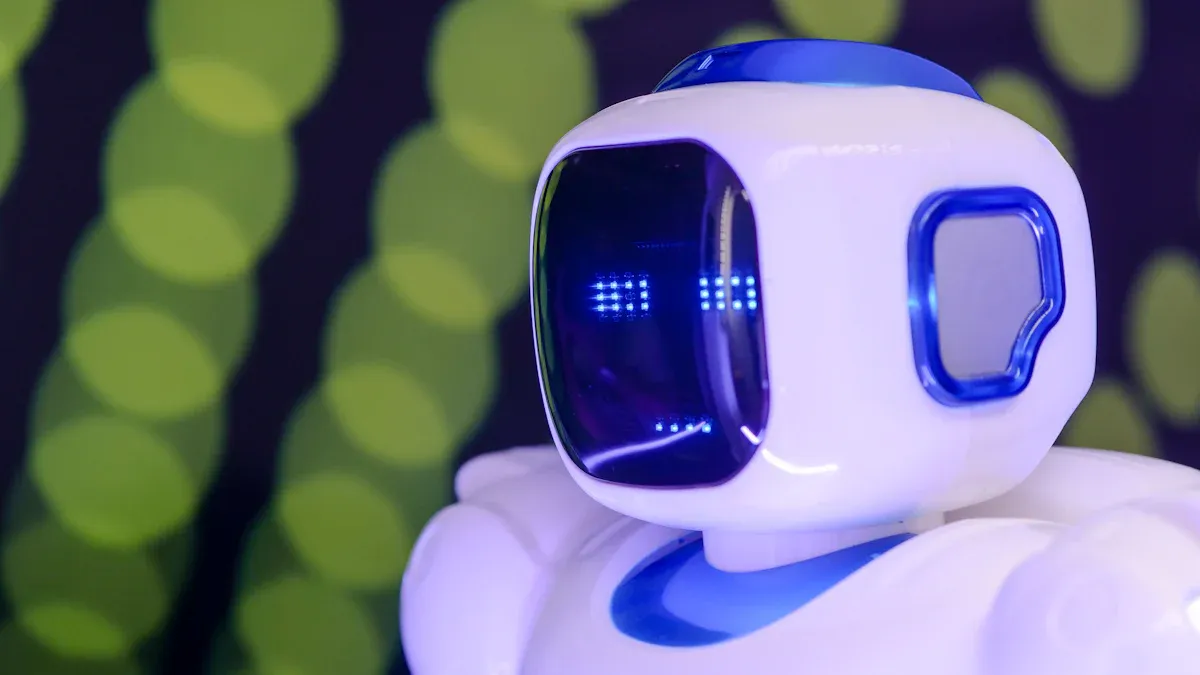
Now, you can talk to humanoid robots and they understand you. Artificial intelligence has changed how these robots use language. Robots do more than just follow simple commands. They can have real talks and notice your feelings. This makes talking to a robot feel more normal.
Here are some ways AI has made language and communication better:
Technology | Description |
|---|---|
NLP Evolution | Robots now get your words and feelings. |
Speech Recognition | Robots hear your voice and turn it into text. |
Sentiment Analysis | Robots see your mood and change their answers to fit. |
Conversational AI | Robots can chat with you and make it feel real. |
Deep Learning Impact | New deep learning helps robots act more like people. |
Robots use large language models to break your instructions into steps. These planners help robots do many jobs without new code. Some robots use multimodal perception models. These models help robots understand what they see, hear, and feel at the same time. For example, Google’s PaLM-E lets robots use vision and language together. Robots using Sanctuary AI’s Carbon™ can explain their choices while following your commands.
Navigation and Decision-Making
Humanoid robots must move safely and make smart choices in busy places. AI gives them tools to do this well. Robots use many new technologies to find their way and decide what to do.
LiDAR and GPS help robots make 3D maps and know where they are.
SLAM lets robots map new places and track themselves, even when things change.
Edge AI lets robots make fast choices without waiting for the cloud.
Robots like Digit and Atlas now have much more computing power. They process information faster and remember more things. This helps them see what is happening and make choices right away.
Feature | Description |
|---|---|
AI Compute | 7.5 times stronger than before |
CPU Performance | 3.1 times faster than old robots |
Memory | Twice as much memory for more data |
Applications | Real-time seeing and choosing in robots like Digit |
“Jetson Thor’s edge processing will help Digit do more. It will make Digit faster and able to learn more skills,” said Peggy Johnson, CEO of Agility Robotics.
You will see these robots working in warehouses and moving boxes. They use their smart tools to avoid things and finish jobs alone.
Human-Robot Interaction
Humanoid robots now connect with you in more personal ways. AI helps them sense your feelings and answer kindly. New emotional AI lets robots read your feelings with special sensors like EEG. These robots can change their faces or actions to match your mood.
New emotional AI lets robots sense and understand your feelings. EEG technology helps robots know how you feel. Robots can change how they look or act based on your emotions. This makes time with robots feel more special.
You will see robots smile, nod, or show care. This makes being with a robot more fun and helpful. Robots use their smart tools to learn from each meeting. They remember what you like and try to make each visit better.
Overcoming Challenges
Learning and Adaptation
You want robots to learn fast and change for you. Artificial intelligence helps robots get better by using feedback. Robots learn from your corrections when you guide them. After some time, robots need less help and do more alone.
Human feedback helps robots learn new jobs faster.
Robots use reinforcement learning to study each try, good or bad, and improve.
Robots with feedback-driven adaptation change how they teach or help, based on what you say or do.
This way, humanoid robots get smarter and more helpful every time. You see robots change their actions to match what you like. This makes your time with robots better each use.
Unstructured Environments
Humanoid robots have trouble in messy or changing places. You might see robots in mines, caves, or busy streets. Maps and GPS do not work there. Field AI’s software lets robots move in hard places without a map.
AI helps robots make choices and find safe paths alone. Machine learning helps robots see and understand new things. Robots can now work where humans cannot go easily.
Challenge | Description |
|---|---|
Affordability and Durability | Humanoid robots cost a lot, like Boston Dynamics’ Atlas, which is over $500,000. |
Functional Performance | Humanoids move slower and need better hands and eyes than special robots. |
Safety in Shared Spaces | Robots must not hurt people, so they need strong safety features. |
You will see robots use artificial intelligence to fix these problems and keep getting better.
Safety and Reliability
Safety matters a lot when you use robots at home or work. You want robots to move safely and work well with people. Many groups make rules to keep robots safe and reliable.
Experts focus on classification, stability, and human-robot interaction.
They set rules with clear tests and minimum safety levels.
These rules help robots know what to do if they fall or face danger.
Standard | Description |
|---|---|
ISO 13482 | Personal care robots |
ISO 10218 | Industrial robotics |
UL 4600 | System-level safety and hazard assessment |
BSI 8611 | Ethical robot deployment |
A new rule, ISO 25785-1, will soon help guide safety for robots with active balance. You can trust that as robots get smarter, their safety and reliability will keep getting better.
Breakthroughs in Human-Like Robots
Real-World Applications
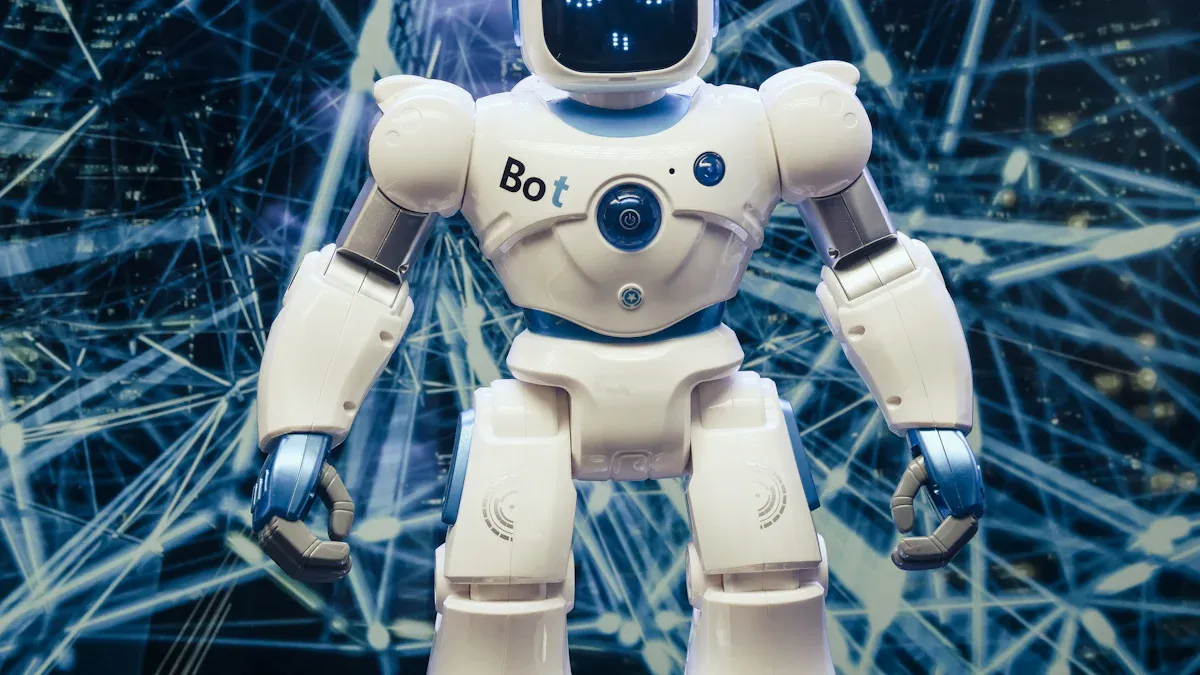
Human-like robots are now part of daily life. Realbotix makes robots that talk and keep you company. These robots use smart talking skills to help you feel listened to. Boston Dynamics’ Atlas and Tesla’s Optimus show how robots can move and work in real places. Atlas jumps, runs, and carries things well. Optimus helps in factories and learns new jobs fast. These robots do more than easy chores. They work with people and learn new tasks.
There is a gap between how robots and AI chatbots learn skills. Chatbots learn words and ideas quickly. Humanoid robots need more time to learn how to move and do jobs. Engineers are working hard to make robots smarter and train them better.
Machine Learning Integration
Machine learning helps robots learn and work better. Robots use feedback to fix what they do. Multi-modal models help robots see, hear, and feel things. This makes robots act more like people. Generative AI lets robots listen to you and follow your instructions. Robots get better and safer because they learn from mistakes.
Robots learn from data and change for new jobs.
Multi-modal models help robots work with people in busy places.
Generative AI helps robots understand words and act on them.
Easy controls make working with robots simple.
Robots use feedback to improve and make fewer mistakes.
Industry and Healthcare Use
Humanoid robots help in hospitals, clinics, and factories. Robots like Kaspar, Grace, and HAL work with patients and staff. These robots help with therapy, elder care, and recovery. Moxi and ZenaRX bring supplies and medicine, saving time for nurses and doctors. PARO helps patients with dementia feel calm. NAO helps kids feel better during treatments.
Robot Name | Application | Description |
|---|---|---|
Kaspar | Autism Therapy | Helps kids with autism talk and play. |
Grace | Elder Care | Watches feelings and changes care. |
HAL | Rehabilitation | Helps people get better after strokes. |
Moxi | Logistics | Brings supplies and medicine. |
ZenaRX | Logistics | Moves pharmacy samples and medical things. |
PARO | Companion Care | Helps patients feel less stressed. |
NAO | Pediatric Care | Helps kids during treatments. |
About 60% of hospitals use robots for some jobs. Moxi has made over one million deliveries in hospitals. Robots help with patient care, surgery, and daily work. You see robots helping, checking, doing surgery, helping people get better, and letting doctors talk from far away.
Future Impact
Workplaces and Daily Life
You will see robots change how you work and live every day. In offices and factories, robots can take care of boring tasks, so you can focus on creative ideas. Many companies expect robots to boost productivity and help workers do more in less time. You may find new jobs in robot design, repair, and management.
Here is how robots will shape your world:
Aspect | Description |
|---|---|
Automation of Chores | Robots will clean your home and watch over security. |
Workplace Efficiency | Robots will move goods and help build things, making work faster. |
Job Creation | You can work as a robot manager or technician, helping robots run smoothly. |
Robots also help with elder care, letting older people live more freely. Medical robots can support doctors with diagnosis and treatment, making healthcare better.
Studies show that one-third of all jobs could face automation in the next ten years. Adding one robot to a city may reduce jobs for six workers, but new roles will appear as technology grows.
Ethics and Society
You must think about the effects robots have on people and communities. Some worry that robots may cause job loss or lower wages, especially in places with many automated tasks.
Other concerns include:
Should robots tell you they are not human to keep trust?
Can robots make people feel lonely if they replace friends or helpers?
Do robots treat everyone fairly, or do they show bias?
How do robots keep your personal data safe?
You need clear rules to protect privacy and make sure robots act fairly. Schools and groups work together to study these issues and help people adjust to changes.
Next Steps
You will see big changes as ai gets smarter. Researchers want robots to make better choices and handle tough jobs with less help. Companies plan to build robots that work with other machines, like cobots and mobile robots.
Here are some goals for the future:
Smarter robots that use strong vision and language models.
Better batteries and new materials for longer use.
Simple robots for homes, helping with chores and safety.
Special robots for jobs in hospitals, hotels, and dangerous places.
Teams from schools and businesses working together to solve new problems.
Boston Dynamics and Toyota Research Institute now use Large Behavior Models to control robots like Atlas. These models help robots move and act more like people. You will see more robots in homes and workplaces soon.
AI helps humanoid robots get smarter and more useful each year. Companies such as Figure and Cognitive Robotics team up to make robots for homes and jobs.
Company | Innovation Description |
|---|---|
Figure | Creating robots that do chores by themselves. |
Cognitive Robotics | Designing robots for everyday work in Europe. |
AI keeps getting better, so robots can learn, talk, and move well. Soon, you might see robots cooking at home or helping in hospitals.
Physical AI will change how you use technology.
Robots could be in many homes by the 2030s.
Prices might go down as more people want robots.
You should look for new discoveries, rule changes, and how people feel about robots. News stories and what people think can change what you expect from robots.
FAQ
What jobs can humanoid robots do today?
Humanoid robots work in many places like hospitals and stores. They help deliver things and greet people. Robots also help care for patients. Some robots clean or carry stuff. Others teach kids or help older adults at home.
How do humanoid robots learn new skills?
You can show robots how to do tasks. Robots use artificial intelligence to watch and listen. They practice and get better by learning from mistakes. Some robots use programs to remember steps and do them right.
Are humanoid robots safe to use around people?
Most robots have strong safety rules to follow. Robots use sensors and smart software to avoid accidents. Companies test robots before people use them. If a robot finds danger, it stops or changes what it does to keep you safe.
Will robots take away jobs from people?
Robots now do some jobs people did before. But new jobs appear for robot repair and design. You can learn new skills to work with robots. Many experts think robots will help people, not replace everyone.
Can you talk to a humanoid robot like a person?
You can talk to many robots using normal words. Robots use artificial intelligence to understand your voice. They answer your questions and sometimes notice your feelings. Some robots reply kindly, so it feels like talking to a real helper.