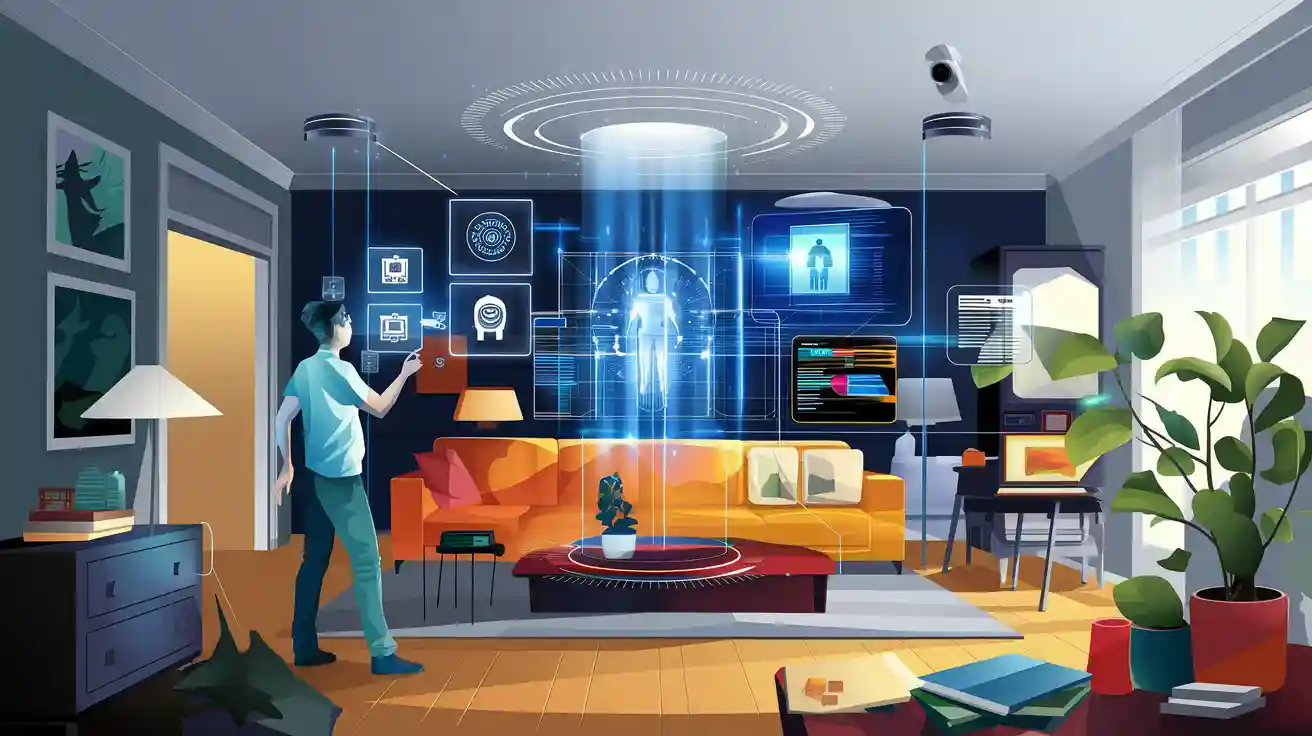
You use different human presence detection technologies to make rooms smarter. These include PIR sensors, ultrasonic detectors, mmWave sensors, thermal cameras, and LiDAR sensors. Detecting human presence helps you turn on lights, keep buildings safe, save energy, and help with healthcare. Each technology lets you know if people are in a room. This makes your space safer and helps things work better.
Human Presence Detection Technologies
PIR Sensors
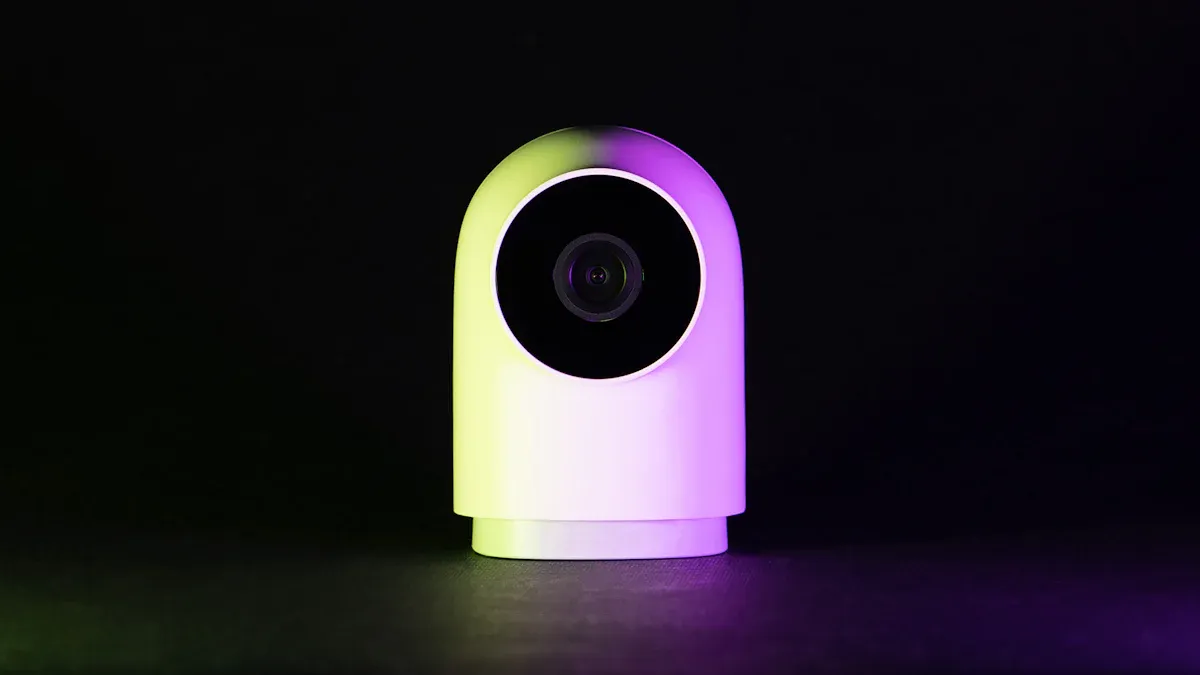
PIR sensors notice movement by sensing heat changes. When you walk in, your body gives off heat. The PIR sensor sees this and knows someone is there. You find PIR sensors in lights, alarms, and smart thermostats. These sensors work best when you want to know if someone comes or goes.
Advantages of PIR sensors:
Low cost
Simple design
Low power use
Typical applications:
Automatic lights
Intruder alarms
Energy-saving systems
When you make a PCB for PIR sensors, keep it away from heat. You also need to block electrical noise. Put PIR sensors in corners to see more area. PIR sensors help save energy and keep you safe.
Ultrasonic Detectors
Ultrasonic detectors use sound waves to spot movement. They send out sound waves that bounce off people. The detector measures the change when this happens. You use ultrasonic detectors to find small movements in places like offices or bathrooms.
Advantages of ultrasonic detectors:
Finds small moves
Works in the dark
Covers big areas
Typical applications:
Occupancy sensors
Automatic doors
Smart HVAC systems
When you build electronics for ultrasonic detectors, manage power well. Try to stop other devices from causing problems. Put the detector where sound can move easily. Ultrasonic detectors help make spaces comfy and save energy, even if people do not move much.
mmWave Sensors
mmWave sensors use radio waves to spot movement and people. They send out signals that bounce off people. The sensor checks the change in the signal. mmWave sensors can even sense tiny moves, like breathing.
Advantages of mmWave sensors:
Very sensitive
Works through things
Finds vital signs
Typical applications:
Smart lighting
Elderly care
Security systems
When you design PCBs for mmWave sensors, keep signals strong. Use shields and short wires. mmWave sensors help smart spaces react to people and keep them safe.
Thermal Cameras
Thermal cameras see heat from people and things. They show temperature differences. When someone enters, the camera spots their heat. You find thermal cameras in security, healthcare, and smart buildings.
Advantages of thermal cameras:
Sees people in dark
Finds hidden things
Measures temperature
Typical applications:
Security watching
Patient care
Fire detection
When you make PCBs for thermal cameras, handle heat well. Keep the lens clean and dust-free. Thermal cameras help watch spaces and keep people safe, even in low light.
LiDAR Sensors
LiDAR sensors use lasers to map rooms and spot movement. They send out laser pulses that bounce off people. The sensor checks how long the light takes to return. LiDAR sensors make detailed maps and track where people go.
Advantages of LiDAR sensors:
Very accurate
Makes 3D maps
Works in all light
Typical applications:
Smart building navigation
Security systems
Occupancy tracking
When you design PCBs for LiDAR sensors, use exact timing. Keep the sensor clean and clear of things in its way. LiDAR sensors help make indoor spaces smarter by showing where people are.
Tip: You can use more than one human presence detector to get better results in smart indoor spaces.
Technology | Working Principle | Main Advantage | Typical Application |
|---|---|---|---|
PIR | Senses infrared changes | Low cost | Lighting, alarms |
Ultrasonic | Uses sound waves | Finds small moves | Doors, HVAC |
mmWave | Uses radio waves | Very sensitive | Care, security |
Thermal | Sees heat patterns | Works in dark | Watching, healthcare |
LiDAR | Uses laser pulses | Very accurate | Navigation, tracking |
You use human presence detection technologies to make spaces smarter and safer. Each sensor has special benefits for finding people. By knowing how each works, you can pick the best human presence detectors for your needs.
Sensor Technology in Smart Spaces
Operation Principles
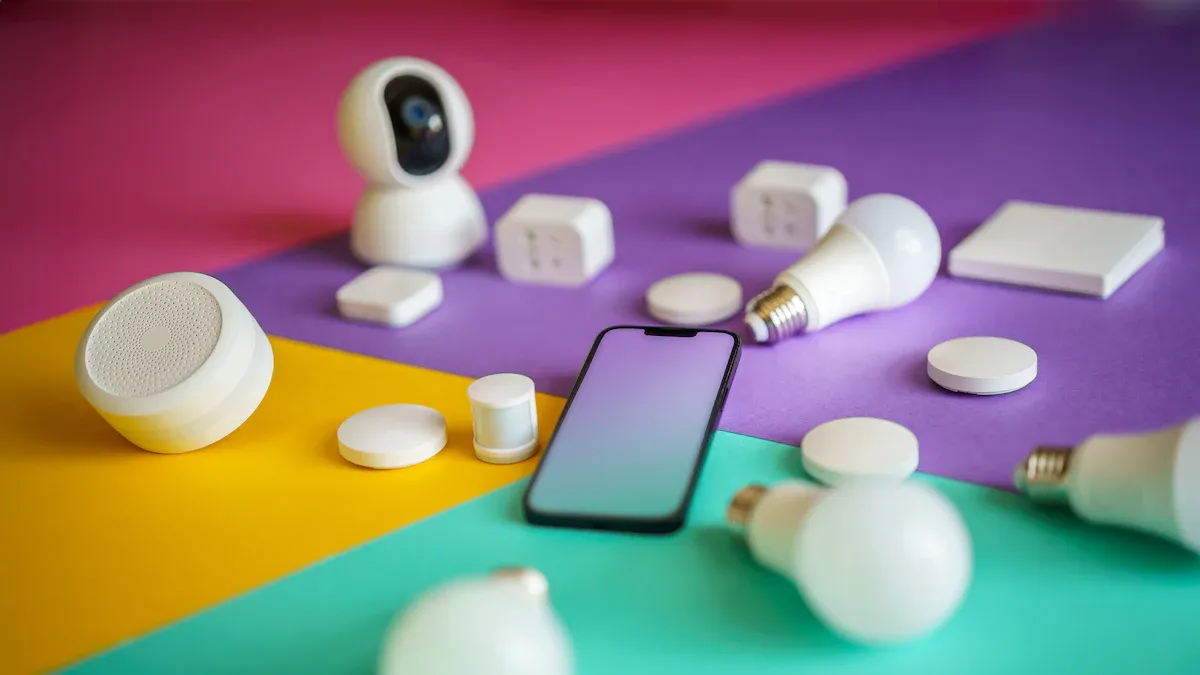
Sensors work in different ways. PIR sensors notice heat changes when someone moves. Ultrasonic sensors send sound and listen for echoes. mmWave sensors use radio waves to spot movement and breathing. Thermal cameras see heat from people and things. LiDAR sensors use lasers to measure distance and make maps. Sensors help smart spaces know if people are there.
Tip: Using more than one sensor can make results better in smart spaces.
Strengths and Limitations
Each sensor has good and bad sides. PIR sensors are cheap and use little power, but miss small moves. Ultrasonic sensors find tiny moves and work in dark, but can get noise from other devices. mmWave sensors sense through things and spot vital signs, but need careful setup. Thermal cameras work in darkness and see temperature changes, but cost more. LiDAR sensors make detailed maps and track movement, but need a clear path.
Sensor Type | Strengths | Limitations |
|---|---|---|
PIR | Low cost, simple | Misses small moves |
Ultrasonic | Sensitive, dark use | Noise interference |
mmWave | Very sensitive | Complex setup |
Thermal Camera | Sees in dark | High cost |
LiDAR | Accurate mapping | Needs clear path |
Application Scenarios
You pick sensors for what you need. PIR sensors turn lights on and off. Ultrasonic sensors help in places where people move a little. mmWave sensors work in healthcare and security because they sense breathing and movement. Thermal cameras help with patient care and fire detection. LiDAR sensors guide robots and track people in smart buildings. Sensors make spaces safer, smarter, and more efficient.
IoT Integration and Design
Real-Time Data and Automation
You can connect sensors to iot systems to make your space smarter. When sensors detect people, iot devices can turn on lights or adjust the temperature. You get real-time data from sensors, so your building responds quickly. For example, iot can close doors when no one is in the room. You can use iot to track how many people enter or leave. This helps you save energy and keep everyone safe.
Tip: You can set up iot to send alerts if sensors notice something unusual, like someone entering a restricted area.
Electronic and PCB Design
You need to design electronics and PCBs that work well with iot and sensors. You should choose parts that use little power. This helps your devices last longer and saves energy. You can place sensors on the PCB so they get the best signal. You must keep wires short to avoid signal loss. You should use shields to block electrical noise. You can connect sensors to microcontrollers that talk to iot networks. You need to make sure your hardware and software work together. This helps your iot system run smoothly.
Design Tip | Why It Matters |
|---|---|
Short wires | Stronger signals |
Power-saving parts | Longer battery life |
Shields | Less electrical noise |
Good placement | Better sensor results |
Integration Challenges
You may face problems when you connect sensors to iot systems. Sometimes, sensors send too much data. You need to manage this so your iot network does not slow down. You may see interference from other devices. You can fix this by using shields and good placement. You must keep your iot system secure so no one can hack it. You should test your sensors and iot devices often. This helps you find problems early and keep your smart space working well.
You can use many sensors to make your space smart and safe. These sensors help you use less energy. They also help keep people safe and help with health. If you put sensors together in a smart way, they work better.
In the future, sensors may work quicker and connect easier to IoT. You might see smart rooms that change to fit what you need.
FAQ
What is the main benefit of using multiple human presence detectors together?
When you use more than one detector, you get better results. For example, you can use pir and ultrasonic sensors at the same time. This helps you notice small moves and stops false alarms in smart rooms.
How does sensor technology help save energy in smart buildings?
Sensors help control lights and HVAC by knowing if people are there. If no one is in the room, your iot system can turn things off. This saves energy and makes your bills lower.
Can mmwave and lidar sensors work in the dark?
Yes, both mmwave and lidar sensors work even when it is dark. mmwave uses radio waves, and lidar uses laser pulses. These technologies do not need light to find people or things.
What challenges might you face during integration with iot systems?
You might have problems like too much data, electrical noise, or security risks. You need to put sensors in good spots and use shields on electronics. Testing your iot setup helps everything work well in smart spaces.