You may ask if you can use a NiCad battery instead of a NiMH. Or you may want to use a lithium-ion battery in its place. Each battery type has its own chemistry and voltage. They also have different safety features. Using the wrong battery can cause big problems. For example, e-bike fires have gone up over the years. This is because of bad rechargeable battery compatibility and using batteries the wrong way.
Year | Incident Type | Number of Incidents | Percentage Increase |
|---|---|---|---|
2021 | e-bike fires | 18,000 | 23% |
2022 | fire incidents in residences | 3,242 | 17% |
2023 | e-bike fires | 21,000 | 17.4% |
Throwing away lithium-ion batteries the wrong way can also start fires in recycling trucks. You need to know the basics to keep your devices safe.
Key Takeaways
Always make sure the battery fits your device before using it. The wrong battery can break your device or be unsafe.
Do not mix battery types or brands. This can cause power problems and may lead to leaks or too much heat.
Use the right charger for your battery. The wrong charger can overcharge, break the battery, or start a fire.
Keep batteries in a cool and dry place. This helps them last longer. Do not let them get too hot or wet.
Using rechargeable batteries saves money and cuts down on trash. One rechargeable battery can take the place of 1,000 regular ones.
Rechargeable Battery Compatibility
Interchangeability
Not all rechargeable batteries work the same. Each type has its own chemistry, voltage, and size. These things make most batteries not able to swap with others. If you use the wrong battery, your device can break or become unsafe.
Here is a table that shows some main differences between common rechargeable batteries:
Battery Type | Capacity | Weight | Memory Effect | Life Cycle | Temperature Range |
|---|---|---|---|---|---|
NiCad | Lower | Lighter | Yes | 1000 | -20 to 60 °C |
NiMH | Medium | Heavier | No | 500-800 | -5 to 95 °F |
Lithium-Ion | Highest | Heaviest | No | 700-950 | -40 to 60 °C |
Lithium-ion batteries hold the most energy, but they are heavy. NiCad batteries are lighter but have a memory effect. This means they lose power if you do not drain them before charging. NiMH batteries are heavier than NiCad. They do not have a memory effect, but they do not last as long.
The size and shape of batteries also matter. Two batteries may look alike, but small changes can stop them from working. For example:
Cylindrical lithium-ion batteries are used in portable electronics because they store more energy.
Lead-acid batteries are big and heavy, made for cars.
AA and AAA sizes help with swapping, but voltage and discharge rates can still cause issues.
If you use the wrong battery, your device might not work. It could also show wrong battery levels. Some waterproof devices can even explode if you use the wrong battery. This happens because gas builds up from overcharging.
Risks of Mixing Types
Mixing brands or chemistries in one device or charger is dangerous. You might think it saves money, but it can cause problems or even harm.
Don’t mix battery chemistries. Using different types together can damage your device. Electrolyte leakage and over-discharge can ruin the product. Don’t mix rechargeable and non-rechargeable. This can destroy rechargeable batteries forever.
When you mix brands, power can be uneven. One battery may run out faster. This hurts how well your device works and can make all batteries wear out sooner. Here is a table that explains some common problems:
Issue Type | Description |
|---|---|
Uneven Power Distribution | Mixing brands can make one battery drain faster, hurting performance. |
Reduced Lifespan | Weaker batteries can make stronger ones wear out faster, so you replace them more often. |
Risk of Leakage | Weaker batteries can leak, which can break your device. |
Overheating | Mixing batteries can make them overheat, which can cause fires or explosions. |
Groups like the Consumer Product Safety Commission have made new rules to keep you safe. They want better labels and higher standards for lithium-ion batteries. This is important for things like e-bikes and scooters. These rules help stop fires, explosions, and other dangers.
Throwing away batteries the wrong way also hurts the environment. Rechargeable lithium-ion batteries have toxic metals like lead, cobalt, and nickel. If you throw them away wrong, these metals can get into the ground and water. This can hurt people and animals.
Throwing away lithium-ion batteries the wrong way can hurt the soil and release toxic stuff into nature, which is bad for people and animals.
You should always check rechargeable battery compatibility when you buy, use, or recycle batteries. This keeps your devices, you, and the environment safe.
Battery Chemistries
NiCad
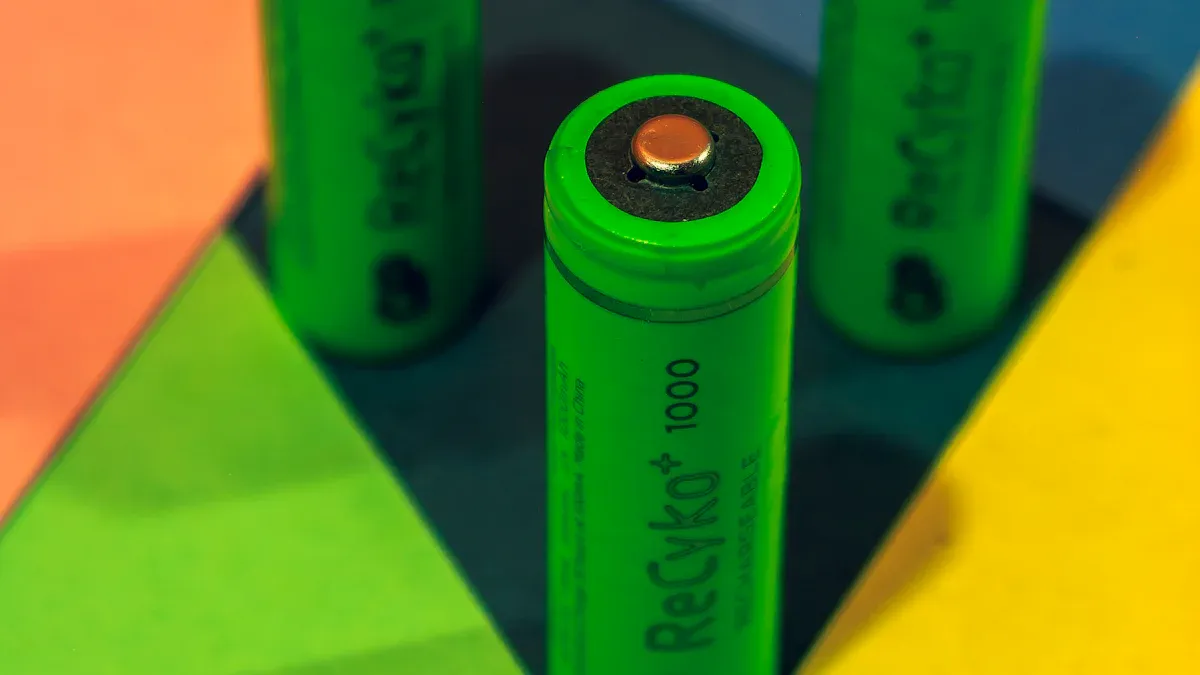
Nickel-cadmium (NiCad) batteries are in old cordless phones and tools. You also find them in emergency lights. They usually have about 1.2V when used. If you use and charge them right, they last over 500 cycles. Here are some main things about them:
Characteristic | Value |
|---|---|
Typical Voltage | About 1.2V when used |
Capacity | Changes with how you charge |
Cycle Life | Over 500 cycles if used right, more than 400 cycles at 1C charge/discharge |
NiCad batteries work well in hot or cold places. They can sit unused for a long time. But they have a memory effect. If you do not drain them all the way, they lose power. Cadmium inside can hurt the environment if not recycled.
NiMH
Nickel-metal hydride (NiMH) batteries are in cameras, toys, and hybrid cars. They store more energy than NiCad batteries. They do not have a memory effect. You can charge them anytime and they still work well. Here is a table that compares NiMH and NiCad batteries:
Feature | NiMH Batteries | NiCad Batteries |
|---|---|---|
Capacity | Holds more energy | Holds less energy |
Durability | Handles overcharging better, less tough | Tougher, works in hot or cold places |
Memory Effect | No memory effect, charge anytime | Has memory effect, loses power if not drained |
Environmental Impact | No toxic cadmium, safer for nature | Has cadmium, can harm nature |
Discharge Rate | Power drops slowly | Power drops fast, good for high-drain devices |
Shelf Life | Does not last as long unused | Lasts longer unused, resists overcharging |
NiMH batteries do not have cadmium, mercury, or lead. This makes them safer for nature.
It can be hard to recycle NiMH batteries in a green and cheap way.
Lithium-Ion
You use lithium-ion batteries in phones, laptops, and e-bikes. They hold a lot of energy. Cobalt cathodes give twice the energy of nickel batteries. They give four times more than lead acid batteries. Lithium-ion batteries lose only about 5% charge each month. This means they keep their charge longer when not used.
⚠️ Lithium-ion batteries can get too hot and catch fire if broken or charged wrong. Always follow safety rules.
Makers add safety features to lithium-ion batteries. But you still need to be careful with them. Even small problems can cause trouble. About 59% of lithium-ion batteries get recycled worldwide. This is more than other types. But safe disposal is still important for battery compatibility and the environment.
Substitution Guidelines
NiMH vs NiCad
You can use NiMH batteries instead of NiCad ones. Both have a 1.2V voltage, so they work in older devices. NiMH batteries last longer and give more energy. They are better for the environment because they do not have cadmium.
If you want to switch, follow these steps:
Open your device’s battery compartment.
Take out the old NiCad batteries and check their size and direction.
Put in new NiMH batteries that are the same size and match the direction.
Tip: NiMH batteries usually do not hurt NiCad chargers, but they might get too much charge. Use a smart charger to help your batteries last longer.
Changing to NiMH batteries is smart for most devices that used NiCad. You get better power and help stop pollution.
Lithium-Ion Limits
Do not use lithium-ion batteries instead of NiCad or NiMH in most devices. Lithium-ion batteries need special circuits to stay safe. They can get too hot or catch fire if not watched. Devices made for lower voltage batteries may not work with lithium-ion ones.
Lithium-ion batteries need safety circuits.
They can get too hot or start fires if not used right.
Devices for NiCad or NiMH may not work with lithium-ion batteries.
Always read your device’s manual before using lithium-ion batteries. Using the wrong battery can break your device or be unsafe.
Device Needs
Always use the battery type your device needs. Makers design devices for certain battery types for safety and good performance. They may add things like heat control and battery management.
Here is a table to help you pick the right battery:
Best Practice | Description |
|---|---|
Device Compatibility | Make sure the battery fits your device’s needs. |
Battery Type | Check if your device uses rechargeable or non-rechargeable batteries. |
Voltage | Use the right voltage to avoid damage or weak power. |
Capacity | Pick a bigger capacity for longer use, especially for strong devices. |
Size and Shape | Choose a battery that fits your device. |
Safety Features | Look for batteries with safety labels and features. |
Note: Following these tips helps you keep battery compatibility and keeps your devices safe.
Charger Safety
Correct Charger Use
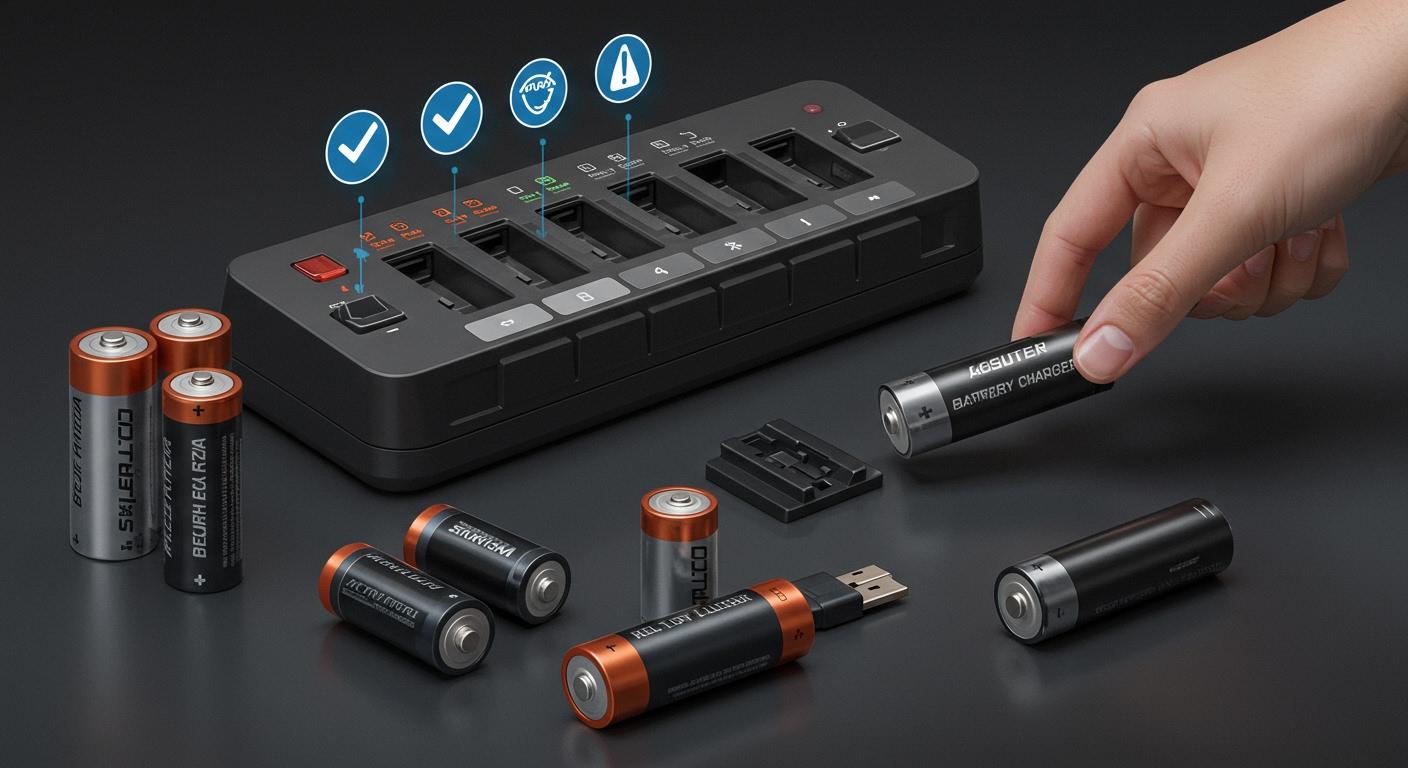
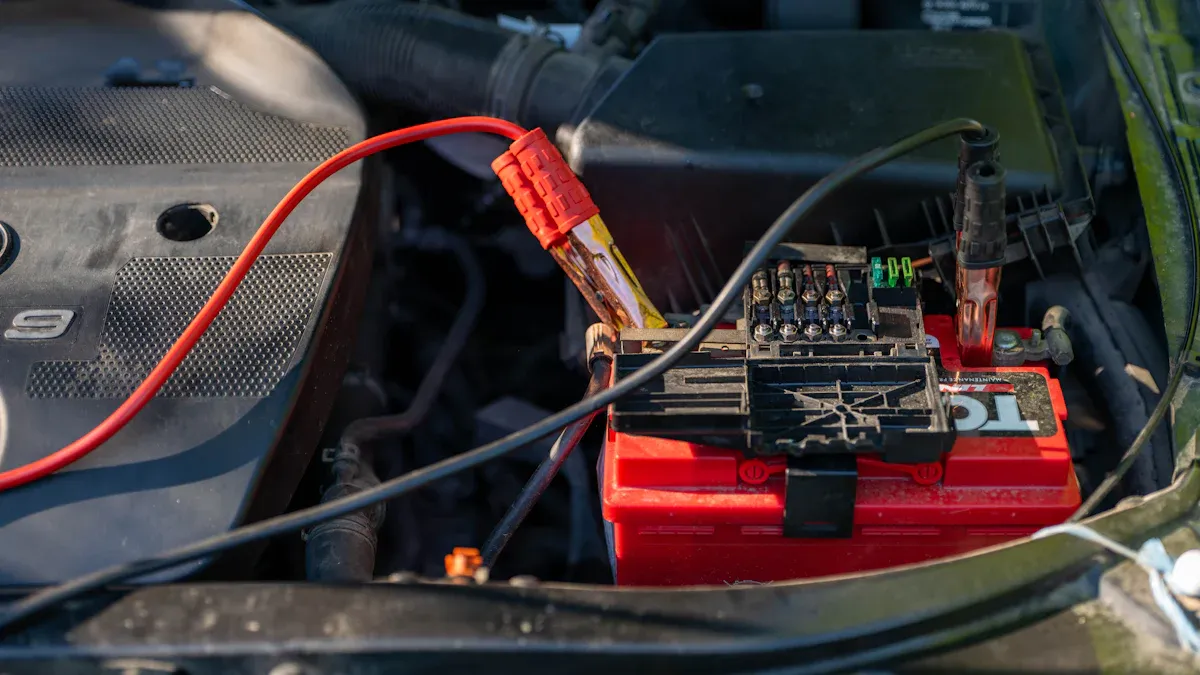
You must use the right charger for your rechargeable battery. Each battery type, like NiMH or lithium-ion, needs its own charger. Using the wrong charger can hurt your battery or device. Always look at the voltage and current on both labels. If the charger does not match, you could overcharge or undercharge. This can make your battery weak or unsafe.
Tip: Always pick a charger made for your battery type. Using the wrong charger can break things or even start a fire.
Charging Risks
Charging batteries the wrong way is risky. You might think any charger works, but that is not true. Here are some dangers if you use the wrong charger:
Reverse Polarity: If you connect it backward, the current goes the wrong way. This can ruin your battery.
Battery Damage: Fast charging or wrong voltage can make batteries too hot, leak, or even explode.
Charger Damage: Too much power can break the charger.
Fire Hazard: Too much heat can start a fire near things that burn.
Always charge batteries on a fireproof surface. Do not leave them charging near paper, cloth, or other things that can catch fire.
Manufacturer Advice
Big battery companies give clear safety rules for charging. You should follow these rules every time you charge a battery.
Key Safety Guidelines | Details |
|---|---|
Device Compatibility | Use chargers made for your battery type (like lithium-ion or NiMH). |
Voltage and Current Match | Make sure the charger matches the battery’s numbers. |
Non-rechargeable Batteries | Never try to charge non-rechargeable batteries. |
Charging Environment | Charge on fireproof surfaces, away from things that burn. |
Inspection Before Charging | Check batteries and chargers for damage before using them. |
Environmental Precautions | Do not charge in very hot or cold places. Store batteries in cool, dry spots. |
Prohibited Activities | Do not try to fix or change chargers yourself. |
Emergency Guidelines | Unplug the charger if you see smoke or sparks. |
You keep your devices and yourself safe when you follow these rules. Always pay attention and use good chargers that meet safety rules.
Safe Usage Tips
Handling & Storage
You can make your rechargeable batteries last longer if you store them right. Always keep batteries in a cool and dry place. The best temperature for most batteries is about 59°F (15°C). Try not to let them get hotter than 86°F (30°C). Very hot or cold places can hurt batteries and make them unsafe.
Put batteries in a clean place with good airflow.
Keep the humidity below 75%.
Do not leave batteries in sunlight or near heaters.
Never pack lithium-ion devices in checked bags when flying.
Keep batteries away from water and do not let them get wet.
Tip: If a battery gets bigger, leaks, or feels hot, stop using it. Recycle it safely.
Most battery problems happen because people make mistakes. Some mistakes are charging too much, using the wrong charger, or charging in places with no airflow. Dropping batteries or putting them in very hot or cold places can also make them break or catch fire.
When to Use Rechargeables
Use rechargeable batteries in things you use a lot. These batteries save you money and help the planet. After charging them 5 or 6 times, you start saving money compared to buying regular batteries. One rechargeable battery can take the place of up to 1,000 regular ones. This means less trash in landfills.
Use rechargeables in game controllers, cameras, flashlights, and toys.
Pick regular batteries for emergency medical gear because they last longer on the shelf (up to 10 years).
Here is how rechargeable batteries help you and the earth:
Benefit | Description |
|---|---|
Cost Savings | Rechargeables can save you up to $100 each year after a few uses. |
Waste Reduction | One rechargeable battery can replace hundreds of regular ones. |
Consistent Power | Rechargeables often give steady power, which keeps your devices safe. |
Note: Rechargeable batteries work best in things you use a lot. You help the planet and save money when you use them.
You should know that most rechargeable batteries cannot replace each other. The chemistry, voltage, and charger must match for safety. Always listen to what the maker says. These steps help stop your device from breaking and keep you safe:
Use batteries that have the right safety labels.
Pick chargers that are made for your battery type.
Make sure batteries pass real-life safety checks.
Battery Safety Feature | Why It Matters |
|---|---|
BMS keeps batteries safe and warns you of problems | |
Following safety guidelines | Helps BMS work well and stops device problems |
Pick batteries that are right for your device. Always put safety first when you use or change a battery.
FAQ
Can you mix different brands of rechargeable batteries in one device?
Do not mix battery brands in one device. Each brand charges and holds power differently. Mixing brands can make power uneven. It can cause leaks or break your device.
Is it safe to use a higher-capacity battery in my device?
You can use a higher-capacity battery if the voltage is the same. Your device will work longer. Always read your device manual for rules. Never use a battery with more voltage than allowed.
What should you do if a rechargeable battery gets hot while charging?
Stop charging if a battery gets hot. Unplug the charger and take out the battery. Let it cool down in a safe spot. Do not use or charge it again until you check for problems.
Can you charge NiMH batteries with a NiCad charger?
Do not use a NiCad charger for NiMH batteries. NiMH batteries need a special way to charge. A NiCad charger can overcharge or hurt NiMH batteries. Use a charger made for NiMH batteries.
How do you know when to replace a rechargeable battery?
Replace the battery if it runs out fast, swells, leaks, or cannot hold a charge. If you see these signs, get a new battery and recycle the old one safely.