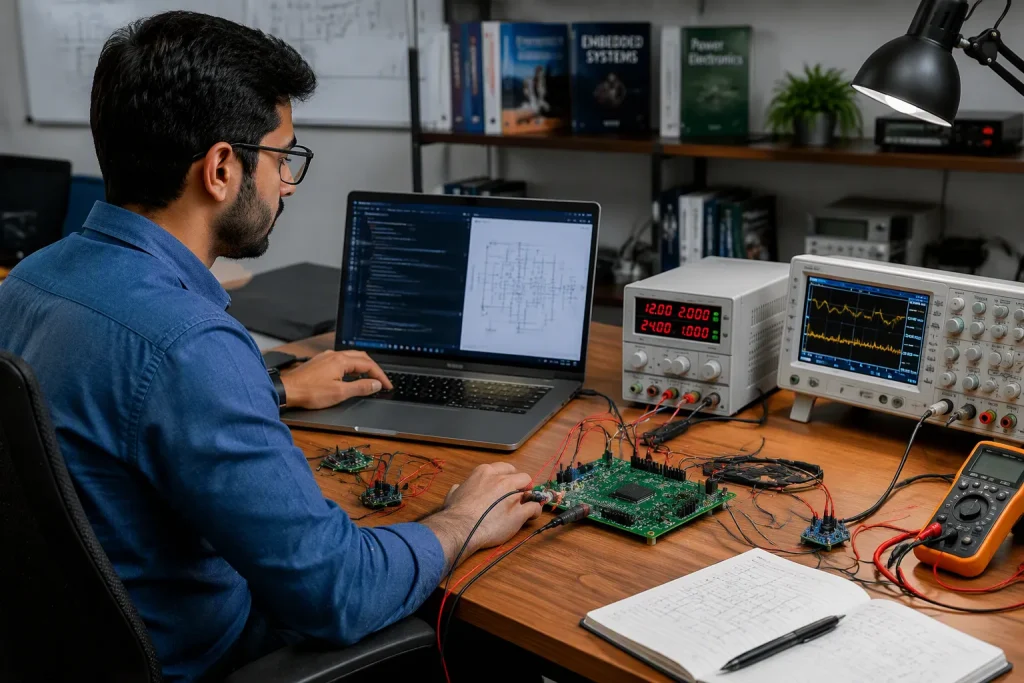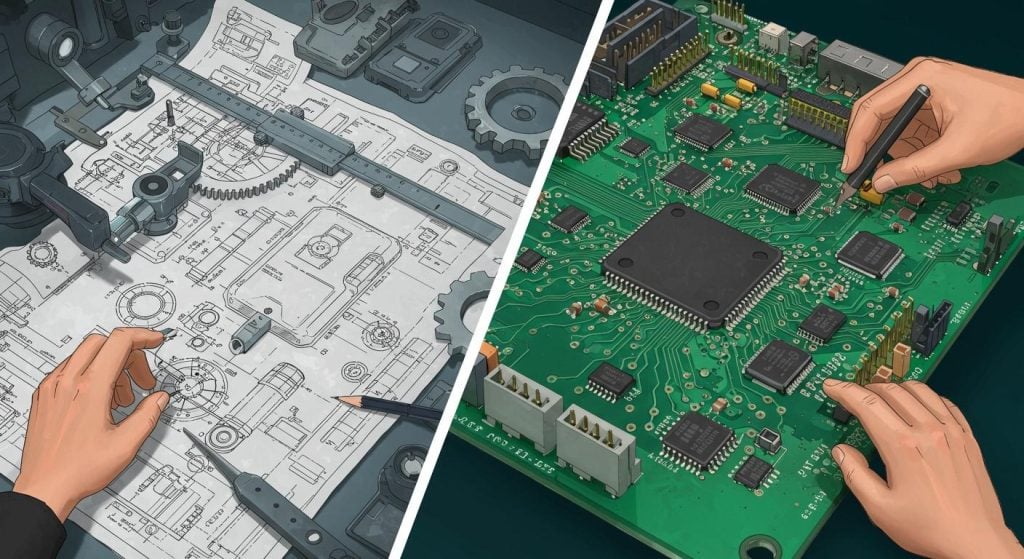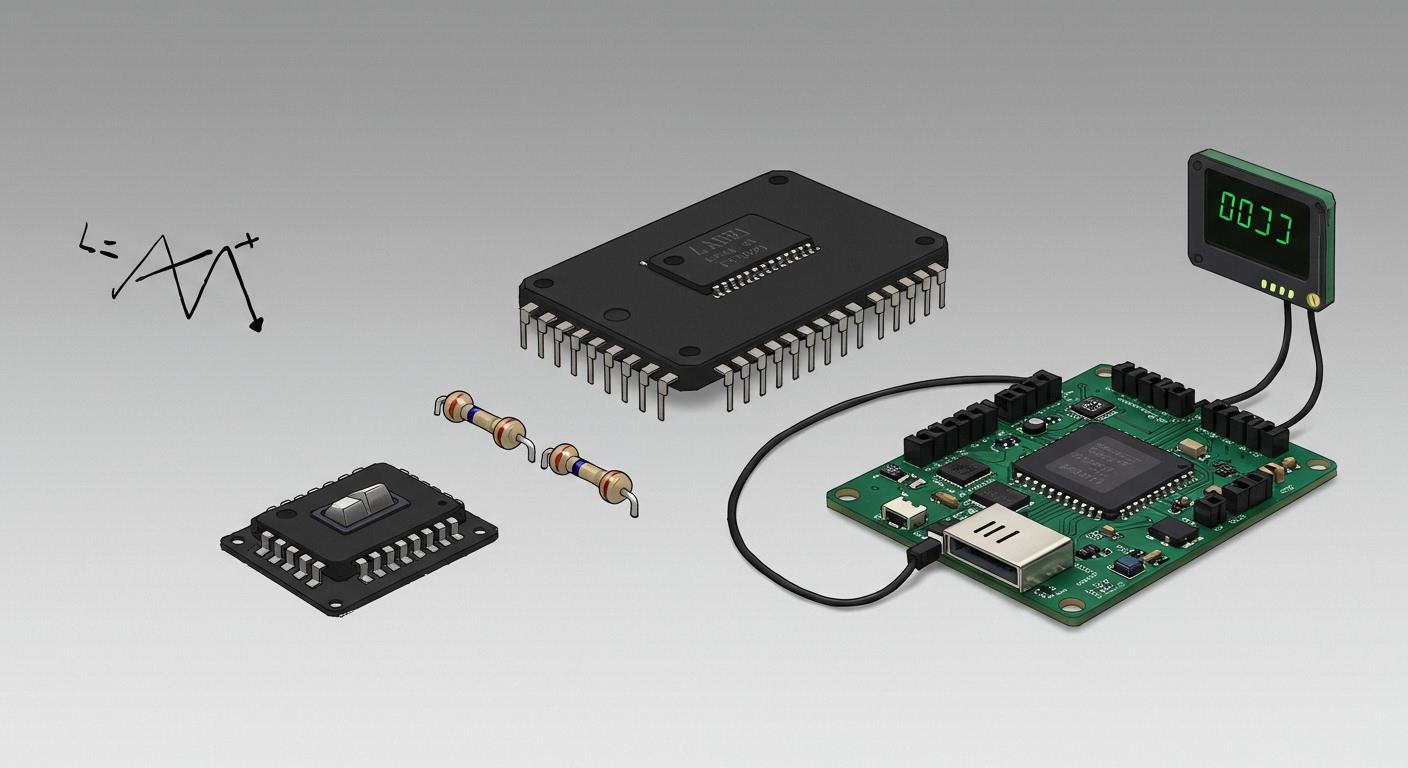
Have you ever thought about how one chip can run your microwave, car, or smart watch? The Texas Instruments TMS1000 came out in 1971. It changed electronics by putting a processor, memory, and input/output on one chip. This big idea made devices smaller and simpler to make. Now, you can see microcontrollers in many things around you.
In 2021, companies sent out about 31 billion microcontroller units worldwide.
Key Takeaways
Microcontrollers put processing, memory, and input/output on one chip. This makes devices smaller. It also makes them cheaper.
The 8-bit microcontroller era grew quickly. These chips powered toys and appliances. They are still popular because they cost less.
16-bit and 32-bit microcontrollers brought more power. They help make smarter devices for healthcare and industry.
Modern microcontrollers have features like Wi-Fi and Bluetooth. These let devices talk to each other and share data well.
AI in microcontrollers is helping new ideas grow. This leads to smarter and energy-saving devices for many uses.
Origins of Microcontrollers

Early Designs
Microcontrollers started in the early 1970s. Engineers wanted electronics to be smaller and faster. They also wanted them to be easier to build. Before microcontrollers, devices used many separate chips. These chips handled processing, memory, and input/output. This made products bigger and cost more money. Putting everything on one chip changed electronics. It made designing and using devices much easier.
Using single-chip microcontrollers made things smaller and cheaper. You did not need lots of different parts anymore. This helped microcontrollers become popular very quickly.
Here is a table that shows some important changes that helped:
Advancement Type | Description |
|---|---|
You could put processor, memory, and I/O on one chip. | |
Advancements in MOS technology | More parts fit on a chip and they worked better. |
EEPROM and Flash memory | You could store programs and update them easily. |
Early microcontrollers like the TMS1000 used Harvard architecture. They had more memory than older logic devices. You could see they were smaller, cost less, and were easier to design.
N-MOS 8048 and MC6801
Microcontrollers got better in the late 1970s. Intel made the N-MOS 8048 in 1976. This chip was a big improvement. Motorola made the MC6801 in 1978. General Motors wanted the MC6801 for new car rules. The MC6801 was used in the TripMaster meter for the 1978 Cadillac Seville.
The MC6801 had a stronger CPU and did more math. Customers liked this.
By the early 1980s, General Motors used 25,000 Motorola microcontrollers in cars every day.
Intel and Motorola competed and made microcontrollers even better.
These changes made microcontrollers more powerful and useful. Advances in semiconductor technology helped a lot. Industries like automotive needed better microcontrollers. These early steps helped microcontrollers grow and improve.
8-Bit Microcontroller Era
Market Growth
The microcontroller market grew fast in the 8-bit era. In the late 1970s and 1980s, companies like Intel, Atmel, and Microchip made 8-bit microcontrollers. These chips changed many things in the world. They became the main part inside lots of products. You could find them in toys, calculators, and early computers. The 8-bit microcontroller stayed popular for many years. It was the main choice for systems until 2011.
Did you know? Billions of 8-bit microcontrollers sold every year. This made it one of the most successful electronic parts ever.
During this time, microcontrollers got smaller and cheaper. You could buy these chips for a low price. This helped more people and companies use them in their designs. The changes in microcontrollers during this era led to smarter and more connected devices.
Applications and Impact
8-bit microcontrollers were used in many things. They powered home appliances, remote controls, and early video game consoles. You could also find them in cars, where they controlled lights and wipers. These microcontrollers made products work better and easier to use.
Here is a table showing some common uses for 8-bit microcontrollers:
Application Area | Example Products |
|---|---|
Consumer Electronics | TV remotes, toys |
Industry | Motor controllers, meters |
Automotive | Dashboards, sensors |
Microcontroller technology made these products smarter. The 8-bit microcontroller changed how you use everyday things. As microcontrollers improved, you saw new features and better performance. This era showed that microcontrollers could fit almost anywhere. They became a big part of modern life.
16-Bit and 32-Bit Microcontrollers
Processing Power
Microcontrollers changed a lot in the 1990s. New 16-bit and 32-bit chips came out. These chips worked faster than before. They could do harder jobs and use more data. The 16-bit microcontroller was quicker than the 8-bit one. The 32-bit microcontroller was even stronger. People used these in things like medical tools and big machines.
Tip: A 32-bit microcontroller can use bigger numbers and more memory. This lets you make smarter devices.
Here is a table that shows how processing power changed:
Type | Data Width | Speed | Memory Support |
|---|---|---|---|
8-bit | 8 bits | Slow | Limited |
16-bit | 16 bits | Faster | More |
32-bit | 32 bits | Fastest | Much more |
Expanding Capabilities
Microcontrollers started to do more jobs than before. They got new features as they improved. You could use more memory and connect to more things. You could also run bigger programs. Microcontrollers added timers, analog-to-digital converters, and ports for talking to other devices. These changes helped people build robots, smart home items, and space tools.
Microcontrollers were used in many new things.
They became the main part of modern systems.
They made products work better and last longer.
Microcontrollers in this time helped you make faster and better devices. They changed how people design and use electronics.
Evolution of Microcontrollers in Connectivity

Networking Features
Microcontrollers have changed a lot over time. They started simple but now connect many devices. These changes let devices talk to each other easily. When you use a smart speaker, it uses these new features. Fitness trackers also depend on them.
Microcontrollers now have ways to talk like Ethernet, Wi-Fi, and Bluetooth. These ways help devices share data fast and safely. This has changed how you use technology every day.
Wi-Fi microcontrollers help devices get on the internet. You see them in smart TVs and security cameras. They are also in machines at factories. These chips help make smart homes and smart cities. They link many devices together.
Bluetooth Low Energy (BLE) uses less power than others. You find BLE in fitness bands and wireless headphones. Smart locks also use BLE. BLE lets devices last longer on small batteries. It also keeps costs down.
Microcontrollers with BLE and Wi-Fi help people make new products faster. You get more choices and better features in your devices.
These networking features help collect and send data. This lets you make better choices with real-time information.
Tip: BLE is a top pick for the internet of things. It saves energy and works well in many connected devices.
IoT Integration
Microcontrollers are now the heart of the internet of things. You use IoT devices at home and at work. You also see them in public places. Microcontrollers help these devices collect, process, and share data.
You find microcontrollers in smart thermostats and lights. They are also in industrial robots. They help control systems and keep things running well. The microcontroller market grows as more industries use IoT.
Here is a table that shows how microcontrollers help smart home and industrial IoT:
Evidence Description | Key Points |
|---|---|
Integration of AI and ML | Microcontrollers let devices think and act fast, right at the edge. |
Multi-protocol Support | You can switch between different ways to connect, making devices flexible. |
Dominance of 32-bit MCUs | These chips handle tough jobs and save power, perfect for complex systems. |
Role in Industrial Automation | Microcontrollers control and watch over machines in smart factories. |
Microcontrollers now support many ways to connect. This means your devices can keep up with new standards. They also work in many places. The rise of 32-bit microcontrollers gives you more power and better energy use. This helps advanced systems do harder jobs.
Microcontrollers are important in industrial automation. They control machines and watch systems in real time.
More IoT use means more microcontrollers are needed. They manage data and help systems work together.
Microcontrollers have changed how you live and work. You now expect your devices to connect and share quickly. Microcontroller technology makes this happen. It keeps pushing what devices can do.
Modern Microcontroller Innovations
System-on-Chip
Today’s microcontrollers have many features on one chip. This is called system-on-chip. It puts lots of parts together in one place. Devices get more power and use less energy. They are also smaller than before. These chips can do many things at the same time. Some parts handle graphics, sound, or artificial intelligence.
Here is a table that shows what makes system-on-chip microcontrollers special:
Feature | Description |
|---|---|
Advanced Integration | Many processors work together to do different jobs. |
Improved Energy Efficiency | Uses less power but still works fast. |
Specialized Processing | Has special parts for AI and multimedia. |
Compact Design | Puts more features in a small space. |
High-Speed Communication | Has fast wireless built right in. |
Advanced Multimedia | Can show 4K video and AR with special hardware. |
You use these features in phones, smart home gadgets, and cars. Microcontrollers have helped make these smart systems real.
Tip: Real-time operating systems help microcontrollers do many jobs safely. RTOS keeps devices working well and secure.
You also have better tools to build new products. Modern tools help you test and fix your ideas. You can get help from experts and use easy software.
AI and Future Trends
Microcontrollers now use artificial intelligence on the chip. You can run machine learning models on small chips with little memory. Tools like LiteRT and TensorFlow Lite add smart features to sensors and wearables. Devices can now see, hear, and learn from what is around them.
Here are some trends in microcontroller technology:
Multi-core designs let chips do more at once.
AI and machine learning help make fast choices.
More microcontrollers are used in homes, healthcare, and industry.
Microcontrollers keep getting better every year. You will see stronger, smarter, and more energy-saving systems soon.
Impact on Electronic Design and Manufacturing
Transformation of Design Methodologies
Microcontrollers have changed how people design electronics. Before, you needed many parts to build a system. Now, one microcontroller can do many jobs. This makes devices smaller and saves energy. You can add more features without making things too hard. Real-time control and smart functions are easier to use now.
Microcontrollers help make advanced embedded systems for IoT and AI.
You can connect sensors and actuators for real-time checks.
These changes help build smart homes and better transport.
You can collect and study data fast to make good choices.
Modern microcontrollers use less power, so battery devices and green energy work better.
Advancements in Manufacturing Processes
Microcontrollers have led to new ways to make things. Now, microcontrollers can use AI and neuromorphic computing. These features help devices learn and change as they work. You can also use RISC-V architecture for custom and cheap designs.
Tip: RISC-V lets you make special products for less money. It also helps new ideas in manufacturing.
Industry-Wide Changes and Innovations
New microcontrollers mean you must follow new rules. Moving from single-core to multicore means parts must talk to each other. You also need to keep software safe and working well, especially with AI.
Industry | Key Standard Needs |
|---|---|
Automotive | Reliable coding and long-lasting systems |
Aerospace | Stable hardware and strict safety rules |
Consumer Tech | Security for smart and connected devices |
Now, products last longer and work better than before. Microcontrollers have made systems smarter and more connected. You will see even more changes as technology gets better.
You have watched microcontrollers change how we use technology. Here are the main steps:
In the 1970s, microcontrollers put logic and processing together.
In the 1980s, 8-bit chips made electronics stronger.
In the 1990s, 16-bit and 32-bit chips helped new fields grow.
In the 21st century, IoT made devices talk to each other.
In recent years, special features made automation and control better.
Leap | Impact on Applications and Industries |
|---|---|
Wearables and medical devices became real. | |
Real-Time Operating Systems | Cars and medical tools got smarter and safer. |
In the future, microcontrollers will have more smart features. Chips will work together better and solve more problems. What cool things will you make with the next microcontrollers?
FAQ
What is a microcontroller?
A microcontroller is like a tiny computer on one chip. It helps control things like microwaves, cars, and toys. It has a processor, memory, and input/output all together.
How do microcontrollers differ from microprocessors?
Microcontrollers have memory and input/output inside them. You use them for certain jobs in devices. Microprocessors need extra chips for memory and input/output. You usually see microprocessors in computers.
Why are 8-bit microcontrollers still popular?
People still use 8-bit microcontrollers because they are cheap and save power. They are good for simple things like remote controls and small gadgets. You can program them easily for basic tasks.
Can you use microcontrollers for learning programming?
Yes! You can learn programming with microcontrollers like Arduino. You write easy code and watch it control lights or motors. This shows you how computers work in real life.