Thick gold PCB technology is very important in electric vehicles. These gold plated PCBs are strong and reliable where it is needed most. Gold plated PCBs can handle strong shaking, high heat, and wet air in cars. With thick copper layers and special gold finishes, gold plated PCBs carry more current, lower heat, and stop rust. Gold plated PCBs keep connections steady, so they are needed for electric vehicles. Thick gold PCB solutions last longer than regular PCBs, giving long-lasting gold performance in tough electric vehicles.
Gold plated PCBs can handle:
Shaking and hard hits
Fast changes in temperature
Wet and rusty places
Big amounts of current
Key Takeaways
Thick gold PCBs make strong and steady connections. They do not rust or break from heat or shaking. This makes them great for electric vehicles.
Heavy copper layers with gold on top help these PCBs carry lots of electricity. They also keep the heat under control.
Gold plating helps signals stay clear and strong. It lets data move fast and keeps EV systems working well for a long time.
Gold plated PCBs are very important in main EV parts. These include battery management, power conversion, charging modules, and edge connectors.
Thick gold PCBs cost more money. But smart ways to make them and good checks help them last long and keep electric vehicles safe.
Thick Gold PCB Basics
Structure and Materials
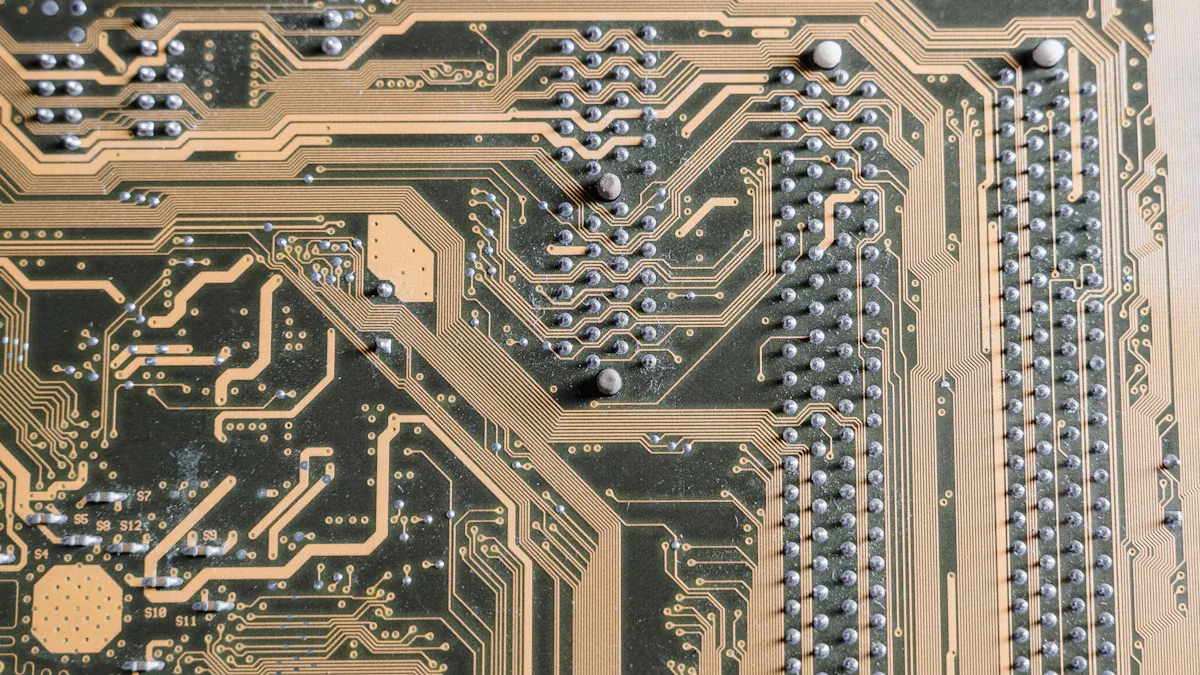
A thick gold pcb has a tough base made of fiberglass and epoxy resin. This base helps heavy copper pcbs carry more current. Engineers put a gold layer on top of these gold plated pcbs. The gold covers the copper lines and pads. This gold layer keeps the printed circuit board safe from rust and harm. Gold also makes it easier to solder parts onto the board.
Gold plated pcbs use gold because it does not get rusty or break down. The gold layer stays strong even in rough places. Gold lets electricity and signals move fast across the board. Heavy copper and gold together make printed circuit boards strong and dependable for electric vehicles.
Note: Gold plated pcbs last longer than normal boards because gold does not wear out easily.
Types of Gold Plating
Manufacturers use two main kinds of gold plating for gold plated pcbs: hard gold and soft gold. Hard gold has nickel and other metals mixed in. This kind gives the pcb extra strength and helps it last longer. Hard gold is good for edge connectors and spots that get used a lot. Soft gold is made of pure gold. This kind is better for soldering, which helps when putting parts on. Soft gold works best where engineers need to attach pieces.
The table below shows how hard gold and soft gold are different:
Type | Composition | Best Use | Solderability | Durability |
|---|---|---|---|---|
Hard Gold | Gold + Nickel | Edge connectors | Medium | High |
Soft Gold | Pure Gold | Component attachment | High | Medium |
Gold plated pcbs use both types to get both strength and easy soldering. The choice depends on what the electric vehicle system needs. Gold helps gold plated pcbs keep strong connections and work well.
Importance in Electric Vehicles
High Current Handling
Electric vehicles need strong and steady power. Thick gold PCBs help with this by using heavy copper and special gold plating. These PCBs let a lot of current move with little resistance. Engineers make the paths and layers to spread power evenly. Gold plating adds protection, so rust does not form and connections stay good.
Heavy copper PCBs help control heat from high current. The gold layer keeps the surface smooth and stops rust. This mix makes sure electric vehicles work safely, even with heavy use. The system gives power well and stays reliable for a long time.
Heat and Vibration Resistance
Electric vehicles shake a lot and get hot and cold fast. Thick gold PCBs use strong materials like ceramic-filled epoxy and polyimide to handle this. These materials keep their shape and strength at high heat, from 170°C to 220°C. Engineers add special holes and heat sinks to move heat away from important parts.
Polyimide and PTFE keep their shape above 250°C.
Heavy copper helps spread heat and makes the board strong.
Copper coins inside the board move heat fast.
Special lamination stops the board from coming apart when it gets hot and cold.
ENIG finish protects against chemicals and heat.
Gold plating, especially hard gold, helps stop rust and wear. The nickel under the gold helps it stick and keeps it from peeling. These things help PCBs stand up to shaking and heat changes, meeting car rules. Electric vehicles last longer because these PCBs keep working in tough places. This strong resistance means electric vehicles can be trusted for a long time.
Conductivity and Performance
Low Resistance Connections
Thick gold PCBs help electric vehicles by making strong connections. Engineers use heavy copper layers and thick gold on these PCBs. This mix lets more electricity move with less energy wasted. Gold covers the copper lines and pads, keeping them smooth and safe from rust. Because of this, the PCBs stay good at carrying electricity for many years.
Gold stops rust from forming. This means the PCBs keep working well, even in tough places. Good conductivity lets power move fast and easy through the car. This keeps heat low and protects important parts. In electric vehicles, strong connections are needed for batteries, power, and safety.
Tip: Gold-plated PCBs help electric cars stay cool and last longer by keeping resistance low and conductivity high.
Signal Transmission
Modern electric vehicles need fast and clear signals. Thick gold PCBs help by keeping signals strong and steady. Gold plating and thick layers work together to stop signal loss and noise. This is very important for things like radar and ADAS.
Engineers use special controls and gold to keep signals clear. Gold’s high conductivity lets signals move with little change. This stops signal problems and errors in car systems. Gold also keeps out rust, so signals stay strong for a long time.
A 20-layer gold-plated PCB can handle very high frequencies, up to 77GHz. Its design, like smooth edges and good heat flow, helps signals stay clear. These features make thick gold PCBs great for important electric vehicle jobs where performance matters.
Technical Advantages
Corrosion Resistance
Gold plated pcbs are very good at stopping rust. Gold does not react with air or water. This keeps the copper under it safe from harm. Engineers pick gold plated pcbs for electric vehicles because they last a long time. Gold makes a shield that blocks water and chemicals. This shield keeps the circuits safe in tough places. Because of this, gold plated pcbs keep working for many years. Gold also stops oxidation, which can make connections weak. This means the boards last longer and break less often. Gold plated pcbs keep working well and carry electricity over time.
Note: Gold plated pcbs stop rust, so electric vehicles need fewer repairs and have less downtime.
Mechanical Strength
Gold plated pcbs are strong and tough. The gold layer makes the surface harder. This helps the board resist scratches and damage. Heavy copper inside the pcbs makes them sturdy. These layers help the board handle bumps and shaking. Gold plated pcbs do not break or crack easily. Both gold and copper make the boards last longer. Engineers use these boards because they can take a lot of stress. Gold and copper together give the pcbs a longer life. The boards stay strong even in hard car conditions.
Thermal Management
Thermal management is very important in electric vehicles. Gold plated pcbs help move heat away from key parts. Gold spreads heat fast because it conducts well. This lowers the chance of getting too hot. The gold layer and heavy copper work together to control heat. Gold plated pcbs keep the board cool when lots of current flows. They do not get damaged by heat, so they last longer. Gold also stops hot spots from forming on the board. Good thermal management makes cars safer and work better. Gold plated pcbs help with both carrying electricity and handling heat.
Manufacturing Process
Gold Plating Methods
Manufacturers use advanced methods to add gold to gold plated pcbs. The most common process is called Electroless Nickel Immersion Gold (ENIG). In this method, they first cover the copper pads with a thin layer of nickel. After that, they add a layer of gold on top. This process helps gold stick well and protects the copper from air and moisture. ENIG gives gold plated pcbs a flat surface, which makes it easier to attach parts.
Some gold plated pcbs need even thicker gold for extra strength. In these cases, engineers use hard gold plating. They use an electric current to deposit a thicker layer of gold mixed with nickel. This method works well for edge connectors and contact points that face a lot of wear. Both ENIG and hard gold plating help gold plated pcbs last longer in electric vehicles.
Tip: ENIG is the best choice for most gold plated pcbs because it gives a smooth finish and strong protection.
Quality Control
Quality control plays a big role in making gold plated pcbs. Engineers check every step to make sure the gold layer is even and thick enough. They use special tools to measure the gold thickness on the pcbs. If the gold is too thin, the board may not last long. If it is too thick, it can waste material and raise costs.
Inspectors also look for cracks, bubbles, or spots where gold did not cover the copper. They test the pcbs for good electrical flow and strong connections. Some teams use machines to bend and shake the boards to see if the gold stays in place. These tests help make sure gold plated pcbs meet the high standards needed for electric vehicles.
Note: Careful quality checks help gold plated pcbs work well and last longer in tough car environments.
Applications of Gold Plated PCBs
Gold plated pcbs are used in many parts of electric vehicles. These boards are very reliable and conduct electricity well. They also last a long time. Engineers pick gold plated pcbs for important systems. These systems need steady connections and must work in tough places. The next sections show where gold plated pcbs are used in electric vehicles and cars.
Battery Management Systems
Battery management systems, or BMS, watch and control batteries in electric vehicles. These systems need to get data quickly and respond fast. This helps batteries work their best. Gold plated pcbs let signals and power move with little resistance. The gold layer keeps the board safe from rust, which is good for long use. In BMS, gold plated pcbs help balance battery cells and check voltage. They also help control charging. This keeps batteries safe and helps them last longer. Many car systems use these boards to keep batteries working well.
Power Conversion
Power conversion units change electricity from one type to another. These include inverters and DC-DC converters. These jobs need pcbs that can handle lots of current and switch quickly. Gold plated pcbs have thick copper and many layers to help with this. The gold finish keeps connections strong, even at high speeds. Wide-bandgap semiconductors like SiC and GaN work well with these boards. They help with high voltage and make power conversion better. This makes electric vehicles more reliable and saves energy.
Feature | Description |
|---|---|
Thick Copper PCBs | Use very thick copper to carry over 400A. This helps with motor control and power conversion. |
Multilayer PCBs | Use 6 or more layers for complex circuits. This keeps signals and power moving well. |
Thermal Management | Designs help move heat away and block interference. This keeps things working under heavy use. |
Inverter/Converter PCBs | Use special layouts and materials for high power and fast switching in electric vehicles. |
Engineers also use special layouts and ways to move heat away. This helps these systems work well. Gold plated pcbs lower power loss and make the whole system better.
Charging Modules
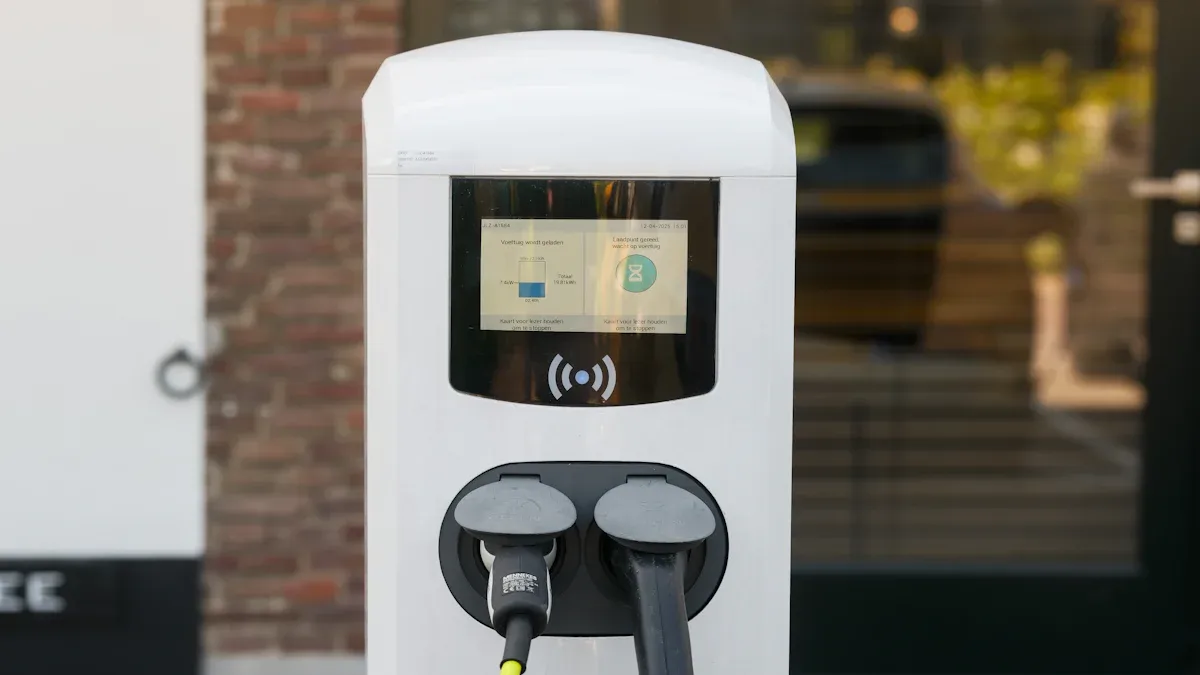
Charging modules give power to electric vehicles quickly and safely. These need gold plated pcbs to move power well and stop damage. The gold layer protects the board from water and chemicals. This is important because charging modules face hard conditions. Gold plated pcbs also work well at high speeds, which helps charge cars faster. Using these boards helps engineers make charging systems that last and work well.
Wide-bandgap semiconductors like SiC and GaN switch faster and handle heat better.
SiC devices work with high voltage and power, so they are good for charging.
GaN devices switch fast and waste less power, which helps charging.
Good heat control and layout keep things working at high speeds.
Charging modules get stronger and more efficient with gold plated pcbs.
Edge Connectors
Edge connectors join different parts inside electric vehicles. These connectors are plugged in and out many times and face tough conditions. Engineers use thick gold on pcbs in edge connectors to make them last longer. Gold layers between 1.0 and 2.5 microns can handle lots of use and keep signals strong. Hard gold plating makes a tough surface that stops rust and damage. Beveled edges and a good nickel layer help these connectors last even longer.
In electric vehicles, edge connectors with gold plated pcbs keep important systems connected. These connectors work well at high speeds and help spread power. Gold plated pcbs in edge connectors keep working well, even when used a lot.
Tip: Gold plated pcbs in edge connectors help them last longer and keep signals strong in busy car systems.
Gold plated pcbs are used in many parts of electric vehicles. They help with battery management, power conversion, charging, and edge connectors. These boards help move power and signals well and work at high speeds. Gold plated pcbs help engineers make safer and longer-lasting cars.
Challenges and Solutions
Cost Factors
Making gold plated pcbs for electric vehicles can be expensive. Thick gold and copper layers use more material, so costs go up. Special steps like HDI and microvias need careful machines and extra work. This makes the process cost more. The ENIG finish uses gold and needs more steps, so it is pricier than other finishes. More layers in a pcb mean more copper and base material, which adds to the price. The type of base material matters too. Thicker or special materials for high-frequency use cost more than regular ones.
Using robots and building in places with cheaper workers, like Asia, can cut costs by about 15%. Making better designs also saves money. For example, in 2025, a study showed that using robots and smart design dropped the price of an EV battery management gold plated pcb from $18 to $15.30 each. These ideas help balance out the high price of thick gold and copper.
Manufacturability
Making gold plated pcbs with thick gold is not easy. Thicker copper and gold need stronger drills and take longer to shape. This can slow down making the boards and cause more mistakes. Boards with many layers must be lined up just right and pressed together carefully. If the layers are not lined up, the pcb might not work. The ENIG finish must cover the board evenly so there are no weak spots. Quality checks look for cracks, bubbles, or places where gold did not cover well. Using robots helps keep the process steady and stops people from making mistakes. Factories use smart machines to do the extra work needed for gold plated pcbs.
Integration with New Technologies
Electric vehicles use new things like wide-bandgap semiconductors and high-frequency circuits. Gold plated pcbs must work with these new parts. Gold helps electricity move fast and keeps signals strong. But engineers must design the boards to handle more power and heat. They use special shapes and materials to fit the new parts. Gold plated pcbs also need to work with new ways of putting pieces on, like robot soldering and machine placement. By making new designs and using better materials, factories make sure gold plated pcbs keep up with new electric vehicle technology.
Future Applications
Evolving EV Designs
Engineers keep finding new ways to improve electric vehicles. They want to use thick gold PCBs in more future projects. As electric vehicles get smarter, they need better circuit boards. Gold finishes help these boards last longer in tough places. Designers put gold PCBs in driver-assistance systems and self-driving modules. They also use them in fast car communication networks. These jobs need strong connections and quick signals.
In the future, cars will need even more power and faster data. Gold PCBs help by giving low resistance and lasting a long time. Engineers want to use gold PCBs in wireless charging and new battery packs. They also plan to use them in smart power units. These new uses will change how electric vehicles work.
Note: Gold PCBs help engineers make safer and better electric vehicles for the future.
Material Innovations
Material science keeps getting better, so gold PCBs can do more. Researchers look for new base materials that work with gold finishes. These new materials can take more heat and stress. This makes them good for hard jobs in electric vehicles. Some teams try ceramics and special plastics to make boards stronger and bendy.
Engineers also find new ways to put gold on PCBs. They use thinner gold layers that still protect but cost less. These new ideas make gold PCBs cheaper for more uses. As new materials and ways appear, gold PCBs will be used more in electric vehicles.
New materials help gold PCBs work better in high-power jobs.
Better gold plating saves money and cuts waste.
Future electric vehicles will use these new ideas to meet bigger needs.
Thick gold PCBs are very important for electric vehicles. They help cars work better and last longer. These PCBs have special parts that give big benefits:
Thicker copper layers let more electricity move easily.
Immersion Gold finishes make the boards tough and stop damage from hard car use.
Copper core PCBs move heat away, which helps batteries and power parts.
These things help electric vehicles stay safe and work for many years. Engineers should use thick gold PCBs in new EV designs to make sure the systems are strong and reliable.
FAQ
What makes thick gold PCBs better for electric vehicles?
Thick gold PCBs let electricity move easily. They do not rust and are very tough. These features help electric vehicles use lots of power. They also handle heat and shaking well. Engineers pick them for important car parts. These boards work well for many years.
How do thick gold PCBs improve safety in EVs?
Gold plating stops rust and keeps connections steady. This lowers the chance of electrical problems. Strong connections help batteries and power systems stay safe. They work even in rough places.
Can thick gold PCBs handle fast charging?
Yes. Thick gold PCBs let lots of power move fast. They also spread heat well. This helps charging parts give power quickly and safely. Their design lets cars charge fast without hurting the board.
Are thick gold PCBs expensive to produce?
Gold and thick copper make these boards cost more. But using robots and smart designs can save money. Many companies use machines and good layouts to keep prices low.
Where are thick gold PCBs most often used in EVs?
Battery management systems (BMS)
Power conversion units
Charging modules
Edge connectors
These parts need strong and steady connections. They also need to work really well. Thick gold PCBs help with these jobs in electric vehicles.