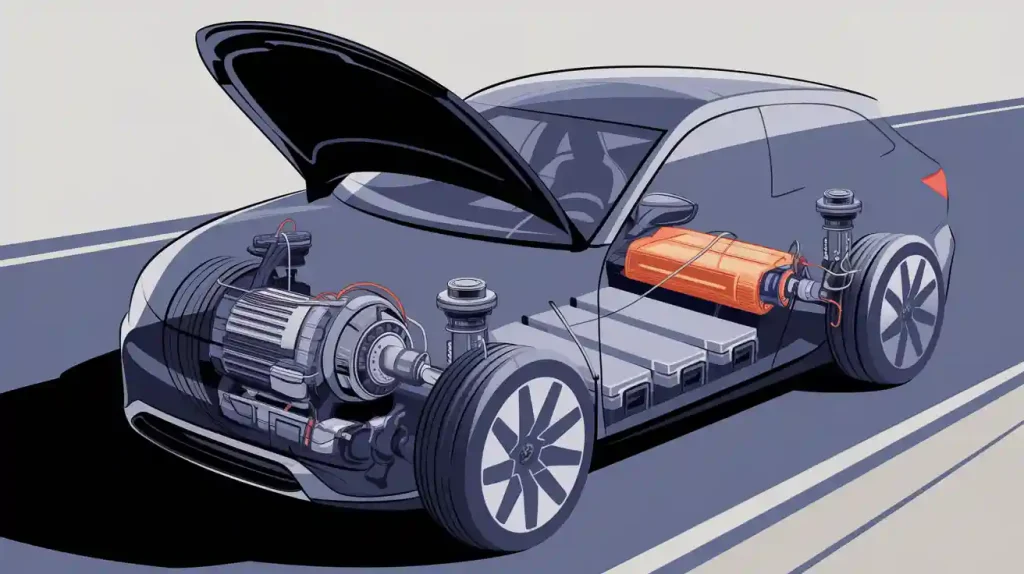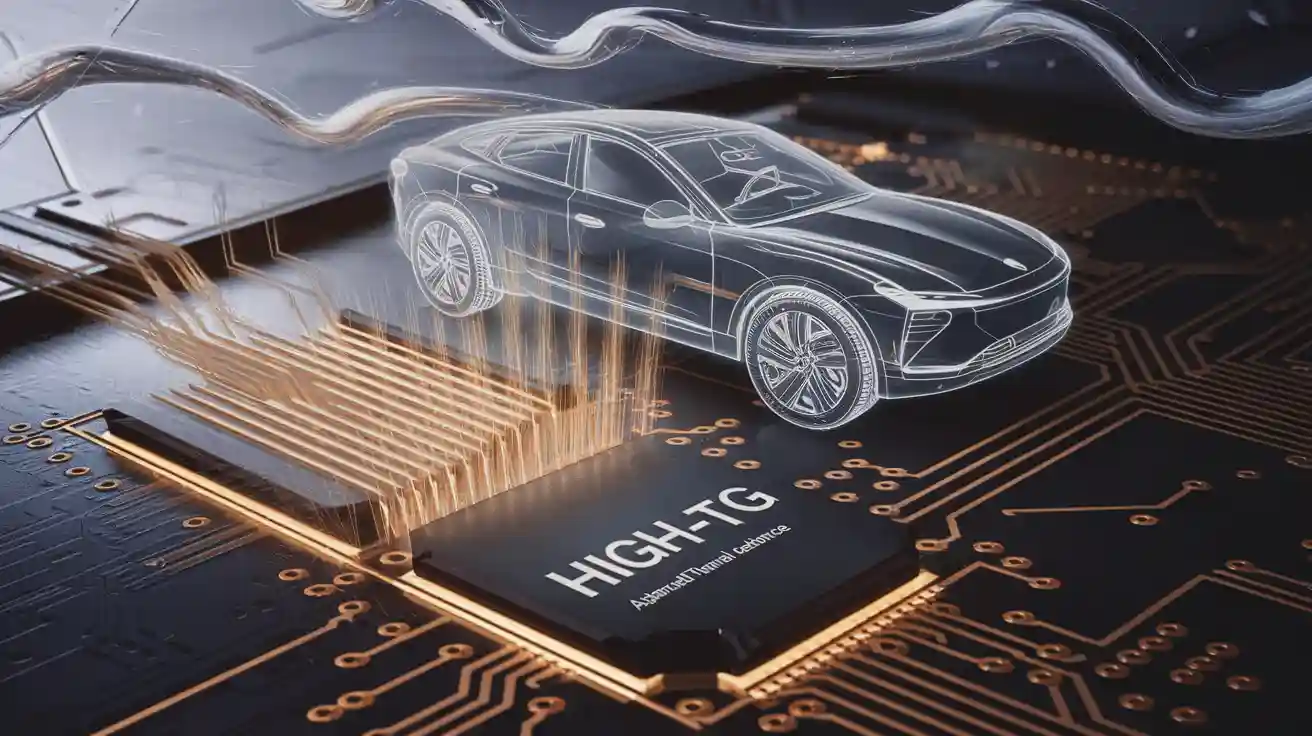
High-tg pcb technology helps fix heat problems in electric vehicles. Automotive electronics can get very hot. This heat can cause problems if not controlled. High-tg materials can handle higher temperatures. They keep working well even when it is hot. Automotive engineers use these strong solutions to protect important systems. This helps make sure vehicles stay safe in tough conditions.
Key Takeaways
High-Tg PCBs deal with heat much better than normal boards. They stay strong and steady even when it is hotter than 170°C. This helps protect electric vehicle electronics from getting hurt.
These PCBs do not bend, crack, or get damaged by water easily. This makes them good for hard situations like shaking, changing temperatures, and wet places in cars.
Thick copper layers and thermal vias in high-Tg PCBs help move heat away from hot spots. This keeps systems cooler and safer when used a lot or during fast charging.
High-Tg PCBs make important electric vehicle systems safer and last longer. This includes battery management, power control, and safety electronics.
High-Tg PCBs cost more at first, but they lower repair costs and last longer. This makes them a smart choice for new electric vehicles.
High-Tg PCB in EVs
High-Tg PCB Overview
High-tg pcb technology is very important in electric vehicles. These circuit boards use special materials that can take more heat than normal boards. High-tg pcb boards stay strong and do not bend when they get hot from EV parts. Regular boards start to get soft at about 130°C. High-tg pcb boards stay hard at 170°C or even hotter. This makes them great for control units, infotainment, and battery systems in electric cars. High-tg materials like ceramic-filled substrates and strong resins help stop bending and keep insulation good.
PCB Type | Glass Transition Temperature (Tg) | Thermal Endurance and Characteristics |
|---|---|---|
Standard FR4 PCB | 130–140°C | Gets soft and can bend when it gets hot; not good for places with lots of heat. |
High-Tg PCB | 170°C and above | Stays strong and hard at high heat; lasts longer, does not break as easily, and works better in tough heat. |
Designers pick high-tg pcb for spots where heat is a problem, like power converters and lights. These boards use special materials to handle heat and keep electronics safe.
Why High-Tg Matters
High-tg pcb boards are important because electric cars make a lot of heat when running or charging. High-tg pcb helps protect important electronics from getting too hot or breaking. These materials stop the boards from coming apart or bending, which could cause problems. In battery systems and motor controllers, high-tg pcb uses ceramic and thermal vias to move heat away from key parts.
Note: High-tg pcb boards are needed for safety and to work well in EVs, especially in places that get between 80°C and 150°C.
High-tg materials help the car last longer and break down less. With high-tg pcb, engineers can make electric cars that work better and last longer, even when it is hot. High-tg pcb is a smart pick for new electric cars because it helps control heat.
Thermal Challenges
High Temperatures
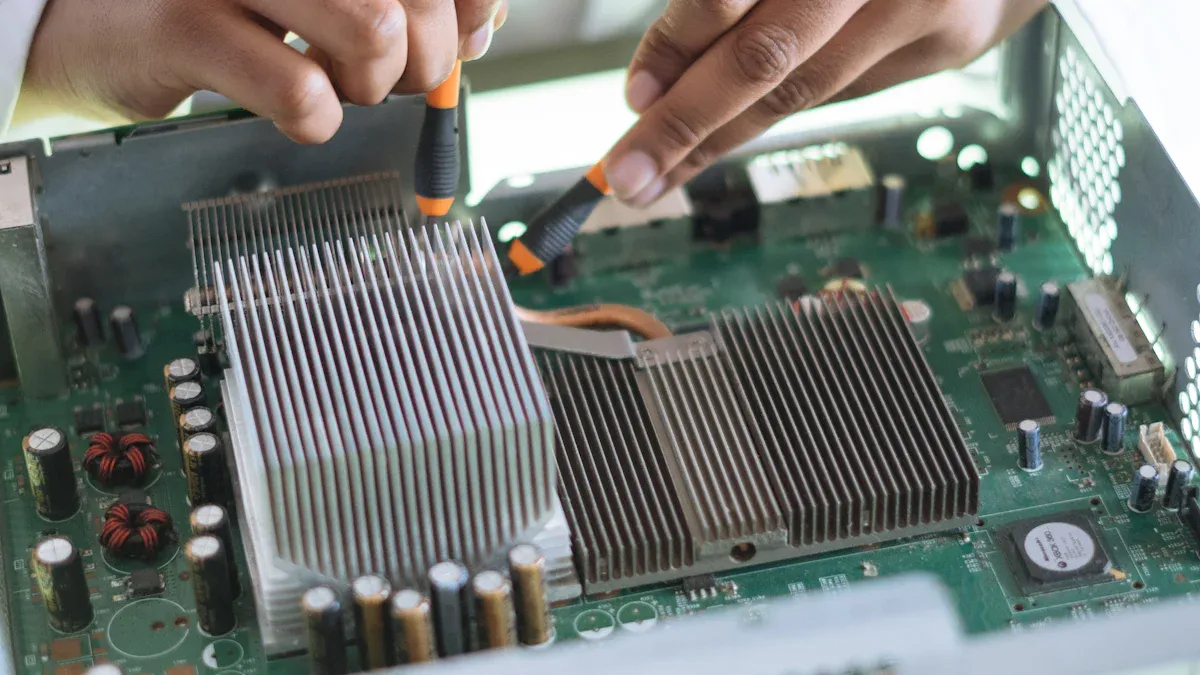
Electric vehicle electronics can get very hot when working. Power devices made from silicon can reach 125°C to 175°C. This means the PCB must handle a lot of heat. High-tg boards are good at staying stable in these hot places. Engineers pick materials like ceramics or PTFE laminates to help with heat. They use thermal pads, special traces, and thermal vias to move heat away. Good placement of parts and cooling, like heat sinks or fans, stop hot spots. High-tg PCBs keep their shape and work well even in extreme heat. This helps car systems stay safe and work right.
Power devices in EVs can get up to 175°C.
High-tg materials are better at handling heat than FR-4.
Designers use thermal vias and copper to move heat away.
Cooling uses heat sinks, fans, or even liquid cooling.
Good layout stops overheating and keeps things working.
Thermal Cycling
Thermal cycling is when temperatures go up and down many times. This can stress the PCB and make it wear out faster. High-tg boards are strong and do not get damaged as easily. The table below shows what happens to PCBs in cars when temperatures change a lot:
Effect Category | Description |
|---|---|
Material Degradation | Resin breaks down faster, which can make the board weak. |
Mechanical Stress from CTE Mismatch | Different parts expand at different rates, causing cracks or warping. |
Solder Joint Fatigue | Heating and cooling again and again can crack solder joints. |
Component Performance Drift | High heat can change how parts work and make them age faster. |
High-tg PCBs help stop these problems and keep cars working longer and safer.
Power Density
New electric cars use power modules that need to handle a lot of power. These modules can carry 50 to 200 amps and up to 360 volts. High-tg PCBs with thick copper layers help with this. Thick copper spreads out the heat and stops hot spots. This is important for small car designs. For example, a power converter with a thick high-tg PCB can run 20–30°C cooler than one with a normal board. Designers must pick the right copper thickness, trace width, and via design for good heat control. High-tg materials make sure the PCB can handle high current without bending or breaking. This keeps cars working well, even in tough situations.
High-tg PCBs can handle high current and voltage.
Thick copper helps move heat away like a heat sink.
Good design stops overheating and helps products last longer.
High-Tg PCB Materials
Key Properties
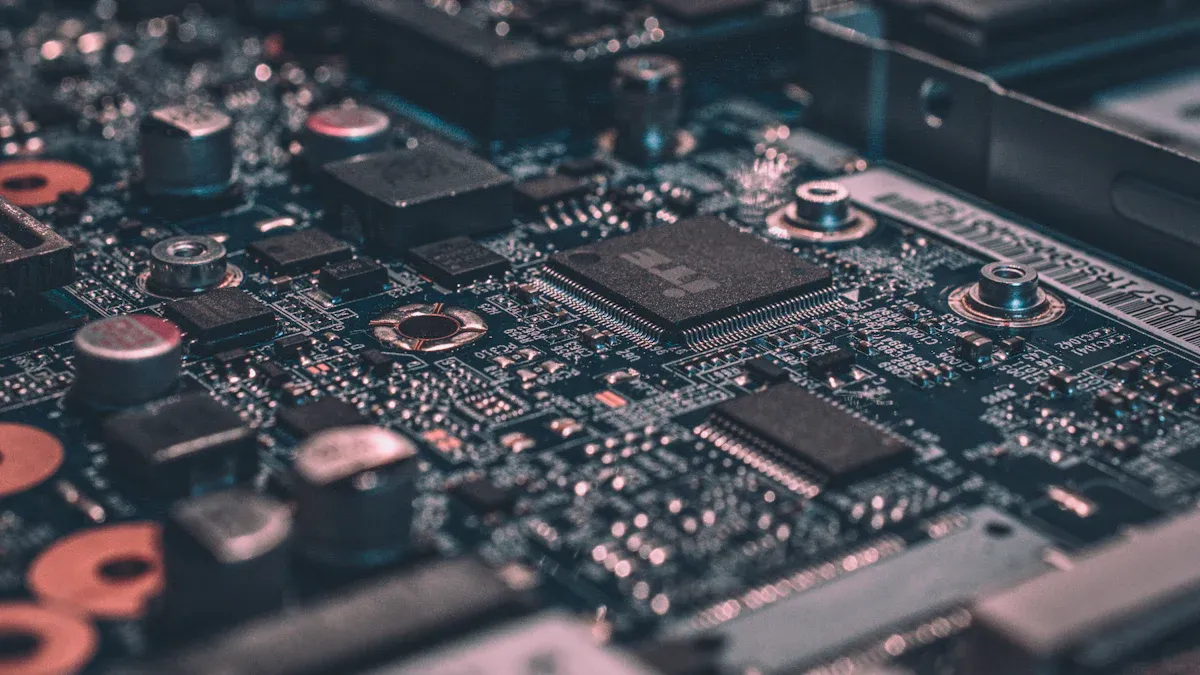
High-tg pcb materials are very important in electric cars. These materials must meet tough rules to keep cars safe and working well. Engineers pick high-tg pcb materials because they can handle heat, shaking, and wetness. The table below shows the most important things high-tg pcb materials need in electric cars:
Property | Requirement / Typical Value | Explanation / Importance |
|---|---|---|
Glass Transition Temperature (Tg) | Above 170°C (e.g., 170-250°C) | Makes sure the board stays hard and stable when it gets hot in electric cars. |
Coefficient of Thermal Expansion (CTE) | 50-60 ppm/°C (z-axis) | Low CTE means less stress on the board and solder when it heats up and cools down. |
Thermal Conductivity | ~0.4 W/m·K (High-Tg FR-4) vs. 0.3 W/m·K (standard FR-4) | Better at moving heat away, which helps cool the board in powerful electric cars. |
Mechanical Strength & Stability | High mechanical resilience under vibration and thermal cycling | Stops the board from bending, breaking, or coming apart in rough car use. |
Dielectric Constant (Dk) & Dissipation Factor (Df) | Stable at high temperatures (e.g., Dk ~3.48, Df ~0.0037) | Keeps the board working right even when it gets hot. |
Moisture Resistance | Enhanced compared to standard FR-4 | Helps the board last longer in different weather and wet places. |
High-tg pcb materials with a high glass transition temperature do not change shape or stop working when near the engine. These materials also do not bend or come apart when the temperature goes up and down. Engineers like high-tg pcb materials because they are strong and stable in heat. These things help stop electric cars from breaking down.
Tip: High-tg pcb materials with low CTE and good heat movement make electric car boards safer and cooler.
Some main features of high-tg pcb materials are:
High glass transition temperature keeps the board stable in heat.
Good heat resistance for hard jobs.
Strong against shaking and bending.
Better at keeping out water for longer life.
Less expansion from heat to protect many-layer boards.
These features make high-tg pcb materials a must for electric cars that face lots of heat, shaking, and changing weather.
IS410 and Advanced Materials
Many companies use special high-tg pcb materials for electric cars. IS410 is one of the best choices for these jobs. This material has a glass transition temperature of 180°C, so it stays strong and stable in heat. IS410’s low z-axis CTE of 45 ppm/°C helps stop bending and coming apart. Its thermal conductivity of 0.85 W/m·K helps move heat away in powerful circuits.
The table below compares IS410 with other top high-tg pcb materials:
Material | Glass Transition Temperature (Tg, °C) | Z-axis Coefficient of Thermal Expansion (CTE, ppm/°C) | Thermal Conductivity (W/m·K) | Lead-Free Soldering Compatibility | Reliability Notes |
|---|---|---|---|---|---|
Isola IS410 | 180 | 45 | 0.85 | Excellent | Stays strong during heating and cooling; does not bend or come apart easily; good for cars, planes, and data centers. |
Shengyi S1000H | 180 | 65 | N/A | Good | Higher CTE means it changes size more with heat; used in home electronics and phones. |
Panasonic Megtron 6 | 175 | 50 | N/A | Very Good | CTE is a bit higher than IS410; good for computer networks. |
Rogers RO4835 | 280 | N/A | 0.69 | N/A | Highest Tg but not as good at moving heat; used for radio and microwave. |
Taconic TLY-5 | N/A | N/A | 0.71 | N/A | Not as good at moving heat as IS410. |
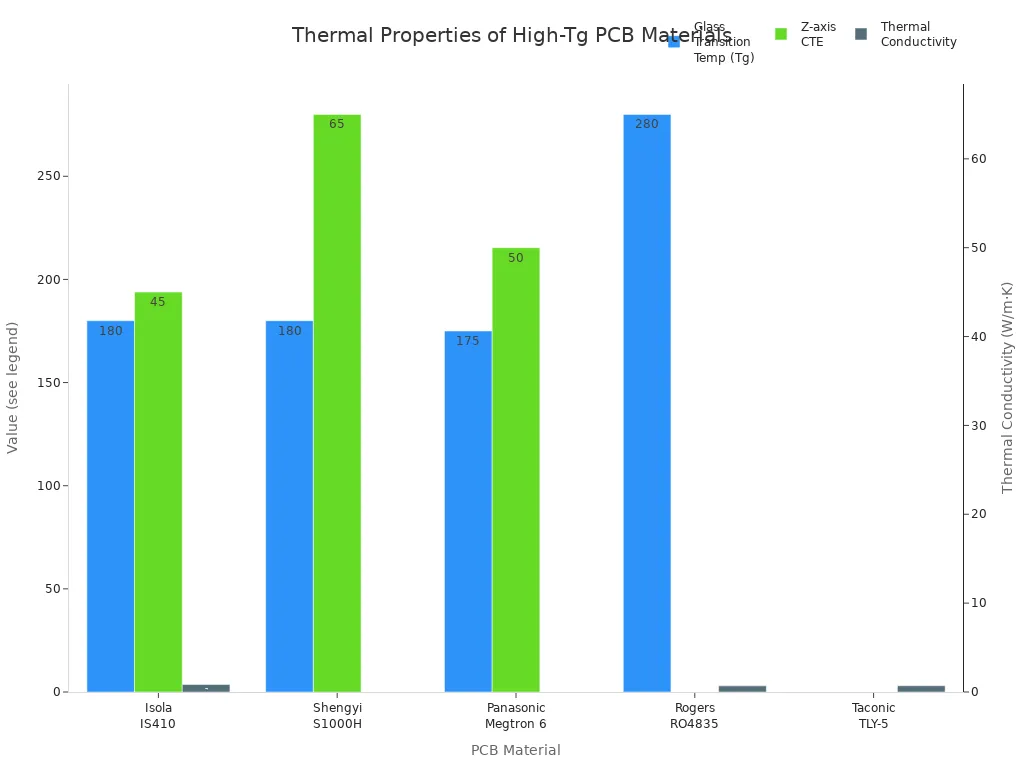
IS410 works well in high-power and high-speed uses in cars, planes, and phones. Its high glass transition temperature and strong heat control make it a good pick for electric cars. Other high-tg materials, like Panasonic Megtron 6 and Rogers RO4835, are also strong and stable in heat. But IS410 is a favorite because it balances price, strength, and how well it works, so it is picked a lot for tough jobs.
High-Tg PCB Solutions
Heat Resistance
High-tg pcb solutions help electric cars handle heat better. These materials have a glass transition temperature over 170°C. This means they keep their strength and work well, even when it gets very hot. Car makers use these materials to stop boards from breaking or bending when they get hot. Heavy copper layers help spread heat across the pcb. They act like heat sinks and stop hot spots from forming. Thermal vias are put near parts that get hot. These vias move heat to copper planes or outside heat sinks. A grid of thermal vias, spaced 0.3-0.5 mm apart, helps heat leave the board faster. High-tg pcb designs with these features help electric cars work well in tough places.
Tip: Using high-tg materials, heavy copper, and thermal vias together makes pcbs that stay cool and steady, even when charging fast or driving hard.
Mechanical Stability
Car pcbs face lots of shaking and big temperature changes. High-tg pcb materials give better strength and do not bend or crack easily. These materials are stiff and strong, so they do not change shape when shaken or pressed.
High-tg materials do not break or bend in high heat.
They slow down how much the board grows when hot.
Good moisture resistance keeps the board working in wet places.
Strong boards can have many layers and handle lots of power.
Car makers use these strong boards to make sure pcbs last inside electric cars. When they switch to high-tg pcb materials, the boards last longer and work better with less repair time.
Reliability
Reliability is very important for electric car electronics. High-tg pcb materials stay strong in heat and keep working for a long time. These materials do not break or bend when the temperature goes up and down.
Some important things for high-tg pcb reliability are:
They stay strong in high heat for a long time.
They do not break when the temperature changes quickly.
Plated through holes keep connections working.
Boards do not change shape much when heated.
Strong boards can hold more power and layers.
They last a long time, even with heat and shaking.
They keep working right, even when it is hot.
Note: High-tg materials help keep the board cool enough, at least 25°C below the glass transition temperature, so it does not get soft or stop working.
Car makers use high-tg materials and special connections to build strong boards for important electric car systems. These solutions help meet the need for pcbs that can handle more power and heat without losing strength.
EV Applications
Battery Management Systems
Battery management systems, or BMS, watch over the batteries in electric cars. These systems work in places that can get as hot as 150°C. High-tg pcb solutions are very important for BMS to work well. High-tg materials stay strong and keep working right, even when it is hot. This stops the board from bending, peeling, or having electrical problems. Engineers use high-tg pcbs in BMS to keep the system safe and working for a long time. In self-driving cars, BMS must not make mistakes to keep people and the car safe. High-tg materials also do not soak up much water, so there are fewer problems from wet air.
Note: BMS need high-tg materials to handle lots of heating and cooling and shaking.
ADAS and Safety Systems
Advanced driver help systems, called ADAS, and other safety parts like ABS and airbags, need strong pcbs. These car electronics face shaking, fast temperature changes, and electrical noise. High-tg pcb boards give the heat control needed for these tough jobs. High-tg materials keep boards stiff and stop cracks when they get hot and cool down. This is very important for safety in self-driving cars, because even small problems can be dangerous. High-tg pcbs also hold heavy parts and do not break when shaken, which is needed for safety systems.
ADAS and safety systems need high-tg materials to work the same every time.
High-tg pcb solutions help cars stay safe in very hard places.
Power Management
Power management parts in electric cars deal with lots of power and high voltage. These parts are often under the hood, where it can get hotter than 125°C. Regular PCB materials cannot take this much heat. High-tg materials, with glass transition temperatures over 170°C, are needed for power management to work well. High-tg pcb boards keep their shape and work right, even when they heat up and cool down fast. This helps self-driving cars, where power must always work. High-tg materials also do not grow much when hot, so solder joints stay strong and do not break.
Using high-tg materials in power management keeps cars safe and working.
Self-driving cars need strong pcbs that can take heat and shaking.
High-tg pcbs are very important for new car electronics, helping them stay safe, strong, and work well in tough places.
High-Tg vs Standard PCBs
Performance Comparison
High-tg pcb materials work better than standard boards in electric cars. These special boards stay strong and keep their shape when it gets hot. Regular boards can bend or break if the heat goes over 125°C. High-tg boards have a glass transition temperature above 170°C. They do not lose their shape or insulation when it is hot. This is important for car systems that get hot and shake a lot.
High-tg pcb solutions are also stronger. They can handle stress, bumps, and shaking in cars. Regular boards might crack or come apart in these situations. High-tg boards stop these problems and help safety and power systems work well. They also have lower dielectric loss and better signal quality. This helps high-frequency electronics work better. High-tg boards also last longer in wet or dirty places because they resist water and chemicals.
Cost and Longevity
High-tg pcb boards cost more to make than regular boards. They use more copper and special materials, so the price is higher at first. But these boards last much longer in electric cars. They do not break as often, so there are fewer repairs and replacements. One car company saw their circuits last 20-30% longer after using high-tg boards. This meant fewer problems and saved about $50,000 each year on fixing cars.
High-tg boards do not bend or get ruined by heat.
They keep working after many times of heating and cooling.
Cars with high-tg pcb boards need less fixing.
Even though they cost more at first, they save money over time.
Tip: Using high-tg boards makes car electronics more reliable and saves money in the long run.
Future of High-Tg in EVs
Evolving Demands
The electric car industry is growing very fast. High-tg materials are important for new car electronics. Experts think more high-tg PCBs will be needed each year, about 8% more. Many things make this happen:
Electric cars need PCBs that can take a lot of heat.
The car industry, especially electric cars, is making the high-tg PCB market bigger.
East Asia, led by China, makes and uses the most because they have many electronics factories.
New ideas like smaller parts, packed circuits, and hidden pieces need better high-tg materials.
Research and new ways to build PCBs help fix problems like changing prices and world issues.
Car PCB makers must keep up with these new needs. Companies spend money on better ways and materials to make cars safe and work well.
Material Innovations
New materials are changing high-tg PCBs for electric cars. Engineers make better FR-4 boards with stronger resin, so they can handle 170°C or more. These high-tg materials let PCBs work in heat without getting weak or losing power.
Ceramic boards like alumina and aluminum nitride move heat away well, so power parts stay cool. High-frequency boards keep signals clear at fast speeds and do not change in heat. New choices, like graphene boards and special mixes, may work even better with heat and electricity.
Makers also try metal core PCBs and thicker copper to move heat and carry more power. New designs, like putting parts inside the board or making 3D shapes, help use space and power better. Being eco-friendly is important, so people study green materials and ways to make PCBs. As car PCB making gets better, these new materials and ideas help cars use more power, last longer, and stay safe in hard places.
High-tg pcb materials help fix heat and safety problems in electric cars. These special boards can take high heat and do not bend easily. They last a long time, even when used a lot.
They keep important car systems safe by stopping failures.
Experts say high-tg pcb is needed for new electric cars with small and complex parts.
New ideas in materials and making boards will make future cars even safer and work better.
FAQ
What does “High-Tg” mean in PCB materials?
High-Tg means the board can take more heat before it gets soft. It shows the temperature when the board changes from hard to soft. High-Tg PCBs stay strong and do not bend when it is hotter than normal boards.
Why do electric vehicles need high-Tg PCBs?
Electric vehicles get very hot when they run. High-Tg PCBs can handle heat, shaking, and wet air. They help keep important parts like battery and power safe. This makes the car safer and more dependable.
How do high-Tg PCBs prevent board failure?
High-Tg PCBs use special stuff that does not bend or crack. They keep their shape when the board heats up or shakes. This stops problems with the electronics and helps them last longer.
Are high-Tg PCBs more expensive than standard PCBs?
Yes, high-Tg PCBs cost more money to make. They use better materials and thicker copper. But they last longer and need fewer repairs. Many companies save money over time.
Can high-Tg PCBs handle fast charging in EVs?
High-Tg PCBs can deal with the extra heat from fast charging. They use thick copper and special holes to move heat away from hot spots. This keeps the electronics safe and working during quick charging.