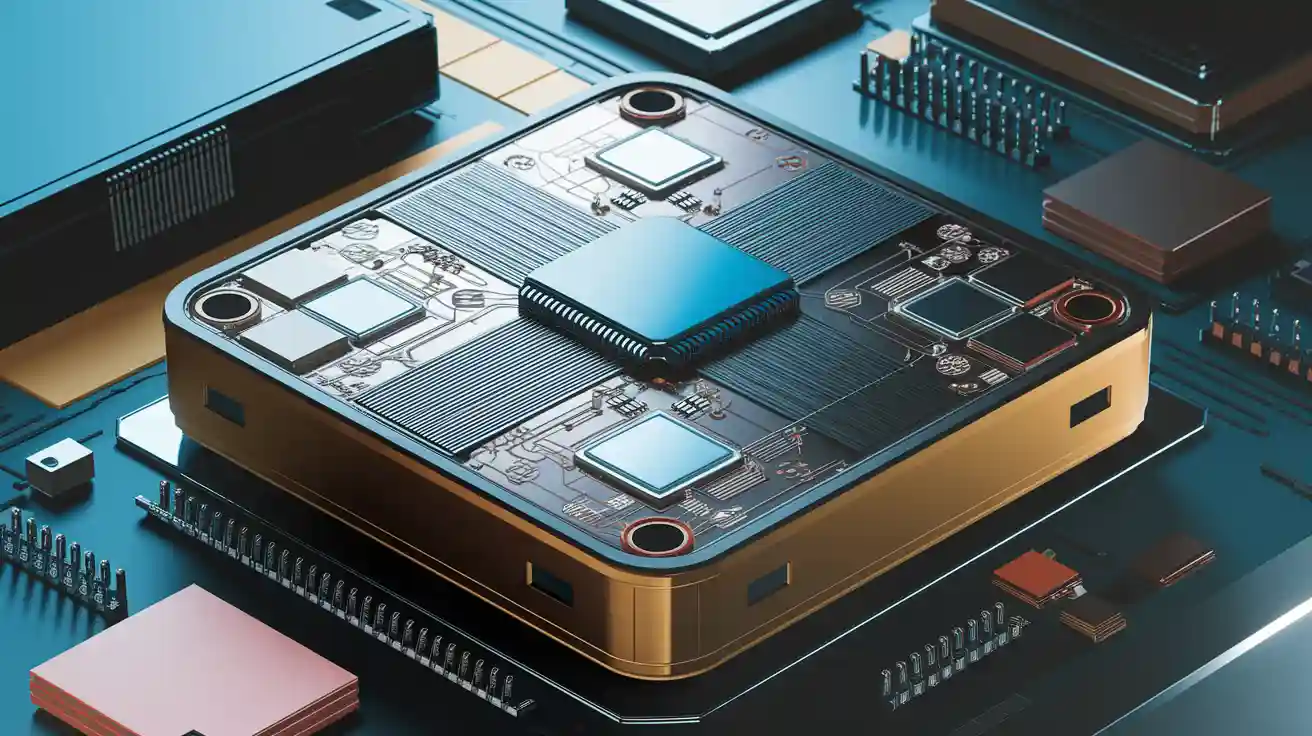
Ceramic PCBs are special circuit boards made with ceramic bases. These boards are known for handling heat well, insulating electricity, and lasting a long time. For instance, they can conduct heat between 15 to 260 W/(m·K). Regular PCBs only conduct heat between 1 to 9 W/(m·K). This makes ceramic boards great for devices that need to stay cool and work in tough conditions.
These boards are becoming more important in fields like space, cars, and medical devices. The ceramic PCB market is expected to grow from $1.2 billion in 2023 to $2.3 billion by 2032, with an 8% yearly growth rate. This shows the rising need for strong electronics and the unique benefits of ceramic materials.
Key Takeaways
Ceramic PCBs are made from materials that handle heat well. They work great for devices that need to stay cool.
Materials like alumina and aluminum nitride make ceramic PCBs better. They help control heat and make them strong.
Ceramic PCBs come in types like HTCC and LTCC. Each type is made for different uses and needs.
These PCBs are used in areas like space, cars, and health devices. They are strong and reliable for advanced technology.
Ceramic PCBs are good for the environment. They don’t have harmful metals and last longer, cutting down on waste.
Key Materials Used in Ceramic PCBs

Ceramic PCBs use special materials to work well in tough conditions. These materials help the boards handle heat, stay strong, and block electricity.
Ceramic Base Materials (e.g., Alumina, Aluminum Nitride, Beryllium Oxide)
The ceramic base is the main part of ceramic PCBs. Common materials include alumina, aluminum nitride, and beryllium oxide. Each one has unique features that improve the board’s performance.
Alumina (Al2O3): Alumina is popular because it is cheap and useful. It handles heat well (22-24 W/mK) and is strong. This makes it good for durable electronics. Its low dielectric constant helps with fast signals in advanced devices.
Aluminum Nitride (AlN): Aluminum nitride is great for managing heat, with up to 170 W/mK. It works well in electronics that produce a lot of heat. Its low thermal expansion (<4 ppm/ºC) keeps it stable when temperatures change.
Beryllium Oxide (BeO): Beryllium oxide has excellent heat-handling abilities but costs more. It is also toxic, so it is only used in special cases where extreme heat control is needed.
These ceramic materials help the boards survive harsh conditions and work reliably.
Conductor Materials (e.g., Silver, Gold, Copper)
Conductor materials in ceramic PCBs carry electrical signals efficiently. Metals like silver, gold, and copper are commonly used because they conduct electricity well and work with ceramic bases.
Silver: Silver is used for its excellent electrical conductivity. It allows fast signals, making it ideal for high-frequency electronics.
Gold: Gold resists corrosion and lasts a long time. It is used in fields like space and medicine, where reliability is key.
Copper: Copper is affordable and conducts electricity and heat well. It is widely used in many types of ceramic PCBs, including aluminum nitride ones.
These metals ensure smooth signal flow and keep the PCB structure strong.
Additional Materials (e.g., Boron Nitride, Silicon Carbide)
Other materials improve how ceramic PCBs work. Examples include boron nitride and silicon carbide.
Boron Nitride: Boron nitride helps with heat control and electrical properties. It is often added to improve heat management in ceramic PCBs.
Silicon Carbide: Silicon carbide makes the boards stronger and more heat-resistant. It is used in products that need to last and resist wear.
These extra materials work with the ceramic base and conductors to meet the needs of high-performance electronics.
Material | Thermal Conductivity (W/mK) | Coefficient of Thermal Expansion (ppm/ºC) | Operating Temperature (ºC) | Additional Benefits |
|---|---|---|---|---|
Alumina (Al2O3) | 22-24 | 6-8 | Up to 350 | Resists chemicals, seals well, low cost |
Aluminum Nitride (AlN) | 170 | <4 | >350 | Strong insulator, low gas release |
Boron Nitride | N/A | N/A | N/A | N/A |
Together, these materials make ceramic PCBs perform better, making them essential for advanced electronics.
Types of Ceramic PCBs
Ceramic PCBs come in different types for various uses. Knowing these types helps you pick the right one.
High-Temperature Co-Fired Ceramic (HTCC) PCBs
HTCC PCBs are made to handle very high heat. They are created by layering ceramic materials like alumina with metals such as tungsten or molybdenum. These layers are heated together at over 1,600°C. This process makes them strong and long-lasting.
HTCC PCBs work well in hot environments. They are used in fields like space, cars, and factories where heat resistance is important. They can handle temperatures above 350°C, making them great for tough jobs. However, they cost more to make, so they are used in special areas.
Tip: Use HTCC PCBs if your project faces extreme heat or tough conditions.
Low-Temperature Co-Fired Ceramic (LTCC) PCBs
LTCC PCBs are fired at lower temperatures, below 900°C. This allows the use of better conductors like silver or gold. These PCBs can also include parts like resistors and capacitors directly on the board.
LTCC PCBs are small and light, perfect for tight spaces. They are used in gadgets, medical tools, and communication devices. Combining many functions into one board saves space and money.
Note: LTCC PCBs are ideal for compact designs with great electrical performance.
Thick Film Ceramic PCBs
Thick-film ceramic PCBs are made by printing special pastes onto a ceramic base. These pastes are heated to form a strong, working layer. The thickness of the layer can be adjusted for specific needs.
These PCBs are used in areas needing strength and reliability. They are common in power devices, LED lights, and car systems. They handle high currents and tough conditions well. Their simpler production process also makes them cheaper than other types.
Did you know? Thick-film ceramic PCBs are great for LED lights because they manage heat well and help LEDs last longer.
Each type of ceramic PCB has its own strengths. Knowing their features helps you choose the best one for your needs.
Advantages of Ceramic PCBs
Superior Thermal Management
Ceramic PCBs handle heat better than regular PCBs. They use materials like aluminum nitride and beryllium oxide for great heat control. For example, aluminum nitride conducts heat at 150–180 W/mK, while beryllium oxide reaches up to 300 W/mK. Regular FR4 PCBs only manage 0.3–0.4 W/mK. This big difference helps ceramic PCBs stop devices from overheating, like in power electronics and LEDs.
Did you know? Ceramic PCBs don’t need extra insulation layers like metal-core PCBs. This makes their design simpler but still keeps excellent heat performance.
Ceramic Material | Thermal Conductivity (W/mK) |
|---|---|
Aluminum Nitride (AIN) | 150 – 180 |
Aluminum Oxide (Al₂O₃) | 18 – 36 |
Beryllium Oxide (BeO) | 184 – 300 |
Boron Nitride (BN) | 15 – 600 |
Silicon Carbide (SiC) | 70 – 210 |
These features make ceramic PCBs great for hot environments and devices needing steady heat control.
High Durability and Reliability
Ceramic PCBs are tough and last a long time. Their ceramic bases resist damage, rust, and high temperatures. They don’t crack or bend easily during temperature changes. For example, aluminum nitride has a thermal expansion rate of less than 4 ppm/°C, keeping it stable.
Ceramic PCBs work well in hard conditions like space, cars, and factories. They stay strong and insulate electricity, even under stress.
Key Benefits of Ceramic PCBs:
Strong electrical isolation.
No harmful metals like lead or mercury.
Resist heat and physical stress.
Compact Design and High Density
Ceramic PCBs are small and fit many parts on one board. They can include resistors and capacitors directly, saving space and improving function. This makes them perfect for modern electronics.
For devices needing fast signals, ceramic PCBs are ideal. Their low dielectric constant and good insulation allow quick and clear signal flow. They are great for communication tools and medical devices.
Pro Tip: Choose ceramic PCBs for small designs that need high performance.
Ceramic PCBs combine small size, strength, and heat control for advanced technology needs.
Low Coefficient of Thermal Expansion (CTE)
Ceramic PCBs have a special feature: a low CTE. This means they stay steady when temperatures change. Materials with low CTE barely expand when heated. This stops cracks or bends, keeping devices working well in hot or cold conditions.
Why Is CTE Important?
When parts heat up, they grow bigger. If the PCB grows too much, it can break connections. Ceramic materials like aluminum nitride and alumina have low CTE. This makes them perfect for precise and durable electronics.
Note: A low CTE helps ceramic PCBs keep their shape and work well, even in tough environments.
Comparing CTE Numbers
Here’s how ceramic materials compare to regular PCB materials:
Material | Coefficient of Thermal Expansion (ppm/°C) | Stability Under Heat |
|---|---|---|
Aluminum Nitride (AlN) | <4 | Excellent |
Alumina (Al₂O₃) | 6-8 | Very Good |
FR4 (Standard PCB) | 14-17 | Poor |
Ceramic PCBs are better than regular PCBs at staying strong during temperature changes.
Benefits for Your Projects
Better Reliability: Ceramic PCBs last longer by handling heat stress well.
Accurate Electronics: Low CTE stops parts from shifting in tight circuits.
Wide Use: Ceramic PCBs are great for aerospace, cars, and medical tools.
Pro Tip: Pick ceramic PCBs for projects needing steady performance in extreme heat or cold.
Low CTE is why ceramic PCBs are great for advanced electronics. They help devices stay strong and work efficiently in hard conditions.
Applications of Ceramic PCBs
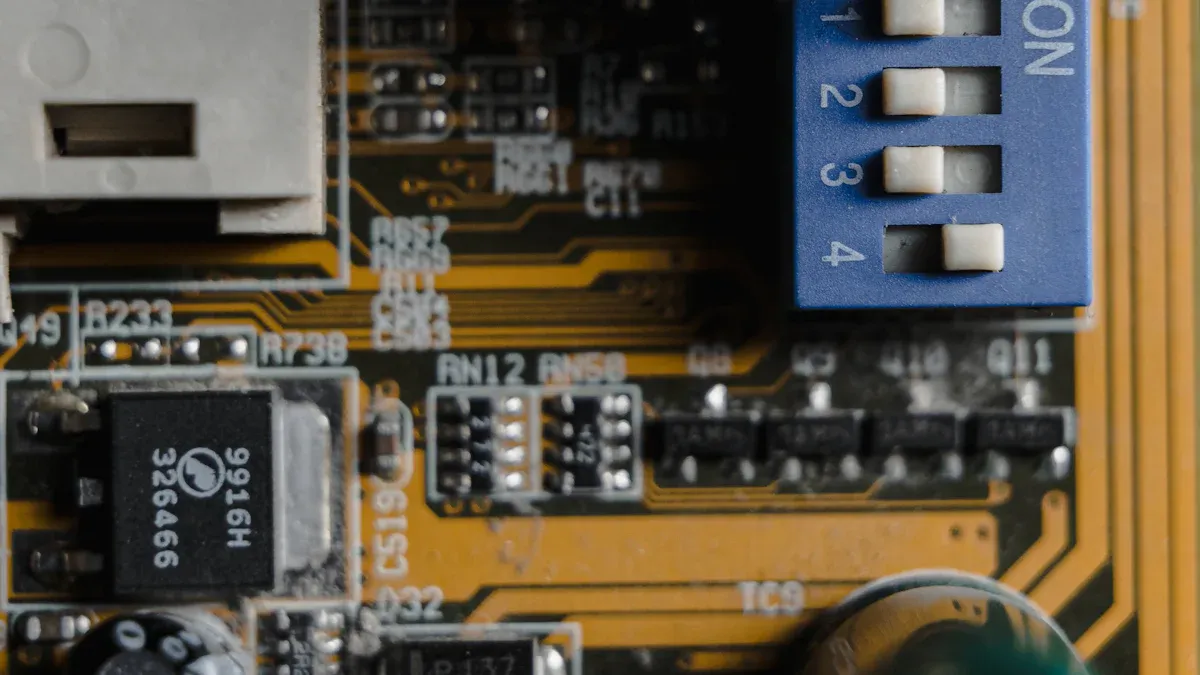
Ceramic PCBs are important for industries needing strong, reliable, and heat-efficient parts. Their special features make them useful in many advanced areas.
Aerospace and Defense
Ceramic PCBs are crucial for electronics in aerospace and defense. These fields face tough conditions like high heat, vibrations, and radiation. Ceramic PCBs work well in these situations because they manage heat and stay strong. They are used in satellites, radar systems, and missile controls. Their toughness ensures critical systems work without failing.
Fun Fact: Ceramic PCBs are great for space missions. They don’t release gases in space, unlike regular PCBs.
Automotive Electronics
Modern cars depend on ceramic PCBs for key systems. Electric vehicles (EVs) and driver-assistance tools need parts that handle heat and last long. Ceramic PCBs are perfect for this because they conduct heat well and resist damage. They are found in power systems, battery controls, and LED lights. Their small size also fits the trend of making car electronics smaller and better.
Tip: For high-power projects like EVs, ceramic PCBs are a smart pick. They manage heat and last a long time.
Medical Devices
Medical tools need to be safe, accurate, and reliable. Ceramic PCBs are used in machines like MRIs, pacemakers, and ultrasound devices. They stay stable and insulate electricity well, making them safe and precise. These qualities make ceramic PCBs perfect for medical equipment where performance matters most.
Industry | Application |
|---|---|
Aerospace | Used in harsh conditions needing strong and reliable electronics. |
Automotive | Key for EVs and driver-assist systems, focusing on heat and durability. |
Medical | Found in devices needing safety and accuracy, like MRIs and pacemakers. |
Industrial | Important for robots and machines that face heat and physical stress. |
Telecommunications | Helps with fast signals in 5G tools like routers and base stations. |
Consumer Electronics | Supports compact gadgets with great heat control and insulation. |
Ceramic PCBs are changing industries by making electronics stronger, smaller, and more reliable. Their use in aerospace, cars, and medical tools shows their value and flexibility.
Industrial Equipment
Ceramic PCBs are important for industrial machines. These machines often face tough conditions like heat, pressure, and vibrations. Parts must survive these challenges without breaking. Ceramic PCBs handle these demands with great heat control, strength, and insulation.
Factories use ceramic PCBs in robots, power systems, and high-frequency tools. Robotic arms depend on ceramic PCBs to stay accurate during long use. Power systems also use ceramic PCBs to resist heat and work steadily under heavy loads.
Tip: Use ceramic PCBs for equipment in extreme conditions. They boost reliability and lower repair costs.
Ceramic PCBs can also handle high voltages safely. Industrial machines need circuits that manage large power amounts. Ceramic PCBs stop electrical problems with their strong insulation. Their small size lets more parts fit into tight spaces, which is useful for modern machines.
Feature | Benefit for Industrial Equipment |
|---|---|
High Thermal Conductivity | Stops overheating in power systems |
Durability | Handles vibrations and physical stress |
Electrical Insulation | Prevents failures in high-voltage systems |
Ceramic PCBs make industrial machines stronger and more reliable. They help equipment work better in harsh conditions.
Consumer Electronics
Ceramic PCBs are changing how gadgets are made. Modern devices need to be smaller, faster, and more efficient. Ceramic PCBs meet these needs with their compact size, heat control, and electrical performance.
Devices like phones, tablets, and laptops use ceramic PCBs inside. These boards manage heat from processors and batteries, keeping devices cool. For example, ceramic PCBs in LED screens improve brightness and last longer by controlling heat.
Did you know? Wireless chargers use ceramic PCBs. Their low dielectric constant helps transfer energy efficiently.
Wearable gadgets like smartwatches and fitness trackers also use ceramic PCBs. Their small size and ability to combine parts make them perfect for tiny designs. Ceramic PCBs also resist water and corrosion, which is great for devices exposed to sweat or moisture.
Application | How Ceramic PCBs Help |
|---|---|
Smartphones | Control heat from processors and batteries |
LED Screens | Boost brightness and lifespan |
Wearable Devices | Support compact, water-resistant designs |
Ceramic PCBs are key for making better consumer electronics. They help create devices that are smaller, faster, and more dependable.
Ceramic PCBs are special because of their materials and benefits. They handle heat well, last long, and fit small spaces. This makes them great for industries like space, cars, and medical tools. Regular PCBs can’t perform as well in tough conditions. If you need strong and reliable electronics, ceramic PCBs are a great choice. They improve designs with better heat and electricity control.
FAQ
What makes ceramic PCBs different from regular PCBs?
Ceramic PCBs have bases made from materials like alumina or aluminum nitride. These materials help them handle heat, stay strong, and block electricity. Regular PCBs, usually made from FR4, can’t manage heat or tough conditions as well.
Can ceramic PCBs handle high temperatures?
Yes, ceramic PCBs work great in very hot places. Materials like aluminum nitride and beryllium oxide let them handle over 350°C. This makes them perfect for uses in space, cars, and factories.
Tip: Use ceramic PCBs for projects needing top heat resistance.
Are ceramic PCBs environmentally friendly?
Ceramic PCBs are better for the environment than regular ones. They don’t have harmful metals like lead or mercury. Plus, their long-lasting design means less electronic waste over time.
How do ceramic PCBs improve device performance?
Ceramic PCBs make devices better by controlling heat and saving space. Their low dielectric constant helps signals move quickly. This makes them great for advanced tools like 5G gadgets and medical machines.
Where can you use ceramic PCBs?
Ceramic PCBs are used in areas like space, cars, and medical tools. They’re great for jobs needing strength, small designs, and good heat control, like satellites, electric cars, and smart gadgets.
Fun Fact: Ceramic PCBs help LED lights shine brighter and last longer.