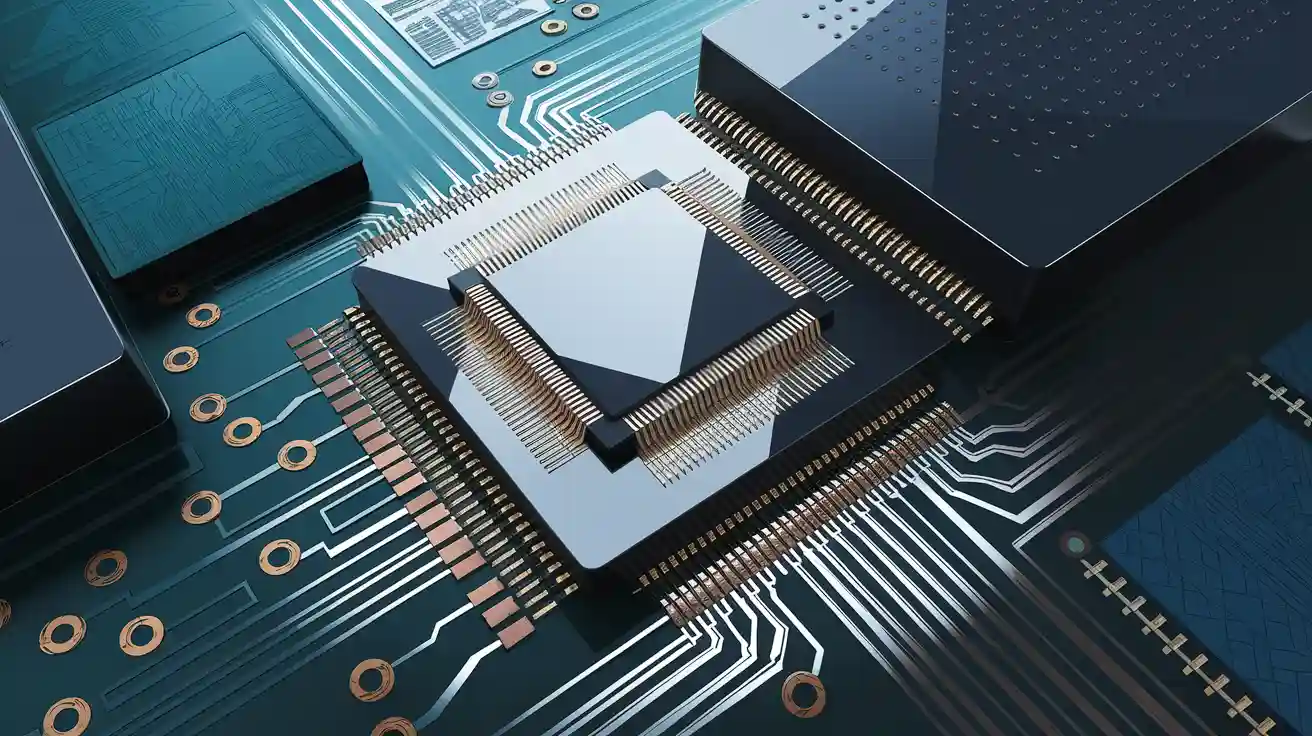
Choosing the right material for RF PCB is important. It affects how well the circuit works, like keeping signals clear and managing heat. A low dielectric constant (Dk) under 4 helps avoid delays. A dissipation factor (Df) below 0.005 lowers signal loss. Thermal conductivity over 0.5 W/mK helps remove heat, stopping RF PCBs from overheating. These features, along with strong materials, make circuits work better. It’s also key to balance cost and quality. For example, FR-4 is cheaper but doesn’t perform as well as high-end materials.
Key Takeaways
Pick materials with a dielectric constant (Dk) under 4. This helps signals move faster and reduces delays.
Use materials with a dissipation factor (Df) below 0.005. This lowers energy loss and keeps signals strong.
Look for thermal conductivity over 0.5 W/mK. This helps handle heat and stops circuits from overheating.
Choose materials that are strong and stable. This makes them reliable under stress and in tough conditions.
Compare cost and performance of materials like FR-4, Rogers, PTFE, and Polyimide. Know their pros and cons to decide wisely.
Key Performance Factors for RF PCB Materials
Dielectric Constant (Dk) and its Role in Signal Integrity
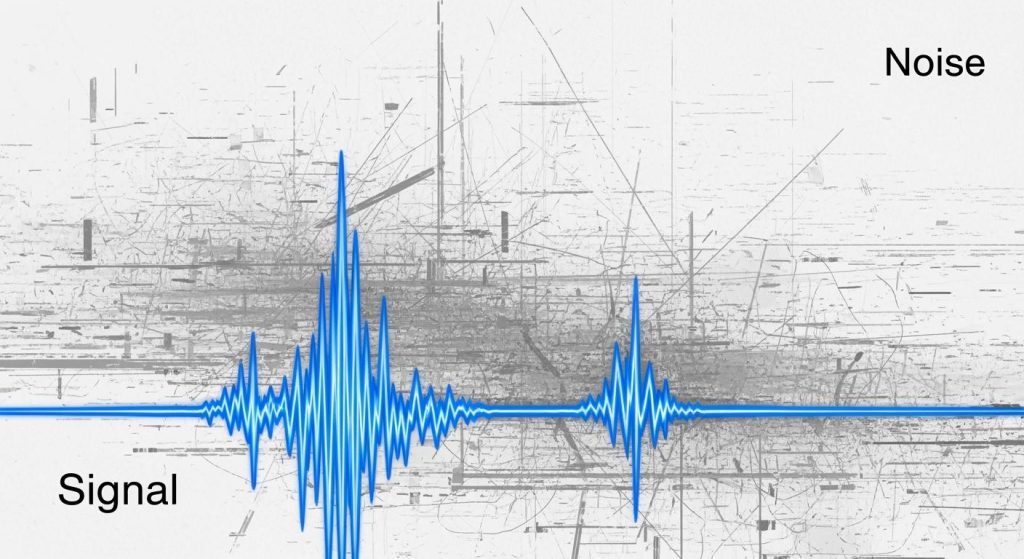
The dielectric constant (Dk) affects how signals move in circuits. It shows how much electrical energy a material can hold. A lower Dk helps signals travel faster, which is important for high-frequency uses. For example, materials like PTFE have low Dk values. This lets signals move quickly, reducing delays and boosting performance.
Did you know? A low Dk also cuts down crosstalk between signal lines. Crosstalk happens less because mutual capacitance is smaller compared to self-capacitance. This improves signal quality.
Materials with Dk below 4 are often chosen for RF PCBs. They lower signal loss and keep signals clear, which is crucial for wireless systems. Low Dk also helps maintain steady impedance, ensuring smooth signal flow.
Benefits of Low Dk Materials:
Signals move faster.
Less phase distortion.
Better impedance matching.
Loss Tangent (Df) and its Impact on Signal Loss
The loss tangent (Df) shows how much energy turns into heat during signal movement. A lower Df means less energy is wasted, keeping signals strong. For example, FR4 materials have Df values between 0.01 and 0.02 at RF frequencies. This means they lose less energy and work better.
Metric | Description |
|---|---|
Loss Tangent | Low Df materials keep signals strong by reducing energy loss. |
Signal Integrity | High Df causes more energy loss, weakening signals. |
Transmission Line Length | High Df limits how long transmission lines can be on PCBs. |
Materials with Df between 0.0022 and 0.0095 are best for RF PCBs. They keep signals strong over long distances and waste less energy. High Df values, however, weaken signals and lower PCB performance in fast circuits.
Thermal Properties and Heat Dissipation
Fast circuits create a lot of heat, so managing heat is important. Materials with thermal conductivity above 0.5 W/mK remove heat well. This stops overheating and keeps the circuit working reliably.
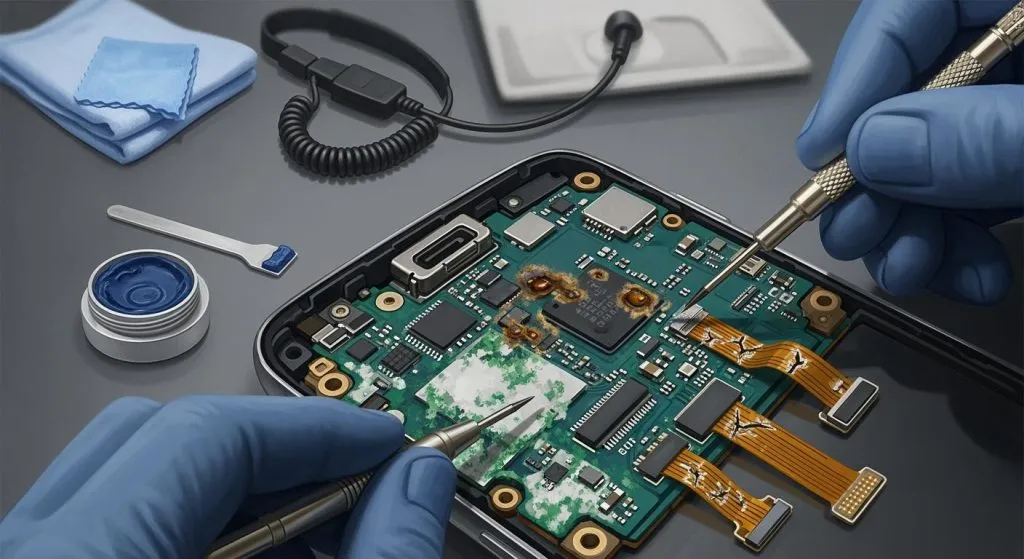
For example, during fast operation, an FET gate finger can reach 92.6°C with 2.9 W of power loss. Without good heat removal, this could break the device. Engineers use thermal tools and RF simulations to handle these heat problems.
Tip: Pick materials with great thermal properties to make your RF PCB last longer and work better.
Good heat removal makes PCBs last longer and keeps them working well even under fast conditions.
Mechanical Stability and Durability in High-Speed Applications
Mechanical stability is key for RF PCBs to work well. Strong materials are needed to handle stress without breaking the circuit. Things like vibration, shock, and heat changes can damage PCBs over time.
Engineers test durability using vibration testing. In this test, the PCB is placed on a table that shakes in different directions. This mimics real-life conditions, like bumps during transport. It shows weak spots in the design or materials. For example, solder joints can crack, or parts can come loose if the PCB can’t handle shaking.
Shock testing checks how PCBs handle sudden impacts. The PCB is hit with strong forces from different angles. This simulates drops or hits that might happen in use. If the material or design fails, the PCB may not last long.
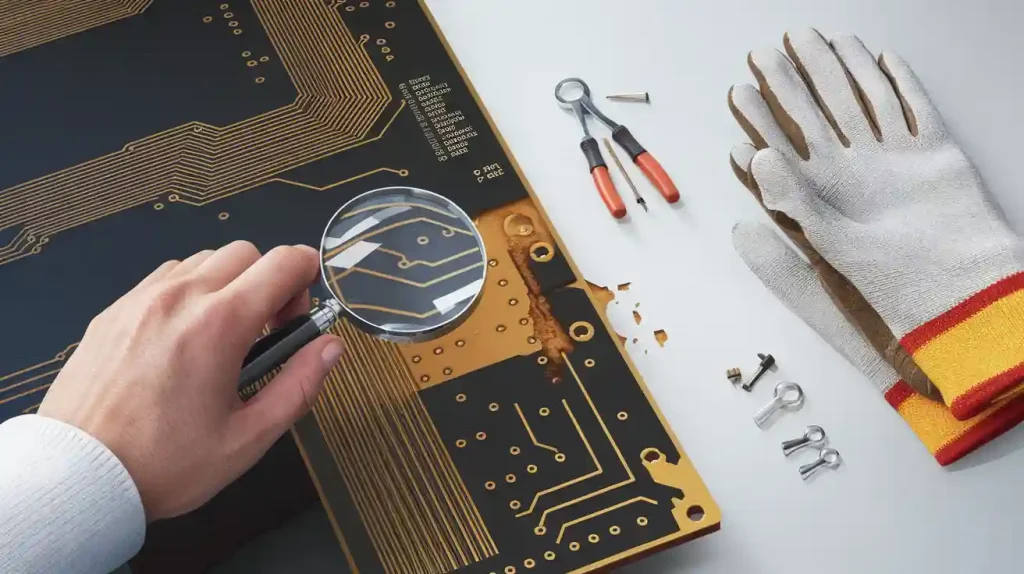
Materials also need to handle temperature changes. When it gets hot or cold, materials expand and shrink. Weak materials can crack or peel apart over time. This can hurt the circuit’s performance and make it fail sooner.
Picking strong materials helps RF PCBs survive these stresses. Polyimide is a good choice because it resists wear and handles tough conditions. It works well in places with lots of vibration, shocks, or temperature swings.
Tip: Check your PCB material’s strength during design. This avoids problems later and keeps your PCB reliable.
Common RF PCB Materials and Their Characteristics
FR-4
FR-4 is a common material for circuit boards. It is made of glass and epoxy, offering good cost and performance balance. Many basic PCBs use FR-4 because it is affordable and works well enough. But it has limits in high-frequency RF circuits.
The dielectric constant (Dk) of FR-4 is between 4.2 and 4.8. This is higher than ideal for RF circuits. A high Dk slows signals and causes more distortion. Its loss tangent (Df) is also high, from 0.01 to 0.02. This wastes energy and weakens signals at high frequencies.
FR-4 is not great at handling heat. Its thermal conductivity is low, so it struggles to cool down. This can cause overheating in fast circuits. Even with these issues, FR-4 is still popular for cheap projects where high-frequency performance isn’t needed.
Note: Use FR-4 for low-frequency circuits or when saving money matters most.
Rogers Materials
Rogers materials are made for high-frequency and RF uses. They work better than FR-4 in electrical performance. These materials have a low and steady dielectric constant (Dk), from 2.2 to 3.0. This helps signals move faster with less distortion.
Rogers materials also have a very low loss tangent (Df), often under 0.004. This keeps energy loss low and signals strong, even at high frequencies. They also handle heat well, improving circuit reliability.
A study showed Rogers materials are better for high-frequency tasks than FR-4. For example, in a 5G antenna, Rogers RO4350B cut crosstalk by 90%. This greatly improved signal quality.
Tip: Pick Rogers materials for 5G, satellites, or radar systems where signal quality is key.
PTFE-Based Materials
PTFE-based materials, like Teflon, are great for RF PCBs. They have excellent electrical properties for high-speed and high-frequency uses. Their dielectric constant (Dk) is between 2.1 and 2.5. This allows faster signals and fewer delays.
PTFE materials have a very low loss tangent (Df), from 0.001 to 0.002. This means less signal loss and better energy use over long distances. They also reduce signal distortion, which is important for RF amplifiers and filters.
PTFE materials are durable and handle extreme conditions well. They are reliable for tough applications. However, they are expensive and harder to work with because they are soft and flexible.
Key Benefits of PTFE-Based Materials:
Low Dk for faster signals.
Low Df for less energy loss.
Strong in harsh environments.
Did you know? PTFE materials are often used in aerospace and defense because they perform so well.
Polyimide Materials
Polyimide materials are a great pick for fast circuits. They are strong, handle heat well, and work in tough places. These materials are used in planes, cars, and telecoms where strength matters most.
A big plus of polyimides is their heat resistance. They work in temperatures from -200°C to over 300°C. They stay strong even with quick temperature changes or long heat exposure. Unlike other materials, polyimides don’t expand much with heat. This keeps parts aligned and stops signal problems.
Polyimides are also very tough. They don’t crack, bend, or peel under stress. This makes them perfect for places with shaking or sudden hits. For example, in cars, polyimide PCBs handle engine shakes and impacts without breaking.
For electrical use, polyimides have stable dielectric constant (Dk) and low loss tangent (Df). This means signals stay clear and strong, even at high speeds. They are a top choice for RF circuits where signal quality is key.
Tests show polyimides last a long time under voltage stress. Here’s how they perform:
Voltage (V) | Time to Failure (seconds) | MTTF (at 1 ppm) | MTTF (at 1000 ppm) |
|---|---|---|---|
1 | > 1E7 | > 24 years | > 30 years |
2 | < 1E7 | < 24 years | < 30 years |
3 | < 1E7 | < 24 years | < 30 years |
This table shows polyimides stay reliable for many years, even with high voltage. With over 24 years of mean time to failure (MTTF), they meet tough reliability needs for fast circuits.
Polyimides cost more than materials like FR-4. Their making process is harder, adding to the price. But their strength, heat resistance, and performance make them worth it. If you need strong and reliable PCBs, polyimides are a smart choice.
Tip: Pick polyimide materials for PCBs in hot, shaky, or high-speed places. They last long and keep circuits working well.
Detailed Comparison of RF PCB Materials
Pros and Cons of FR-4
FR-4 is a popular material for circuit boards. It is cheap and works well for basic uses. But it has problems in high-frequency circuits.
Aspect | Advantages | Limitations |
|---|---|---|
Cost | Low cost | N/A |
Mechanical Properties | Good strength | N/A |
Electrical Insulation | Decent insulation | Weak under high power, voltage, or heat |
Dielectric Constant | N/A | Uneven dielectric constant causing impedance issues (up to 10%) |
Signal Loss | N/A | Higher signal loss (Df of 0.020 vs. 0.004 for better materials) |
FR-4 is great for low-frequency circuits and simple projects. Its low price makes it a good choice for saving money. But its high dielectric constant and loss tangent cause more signal loss. This makes it less useful for fast or high-frequency circuits.
Tip: Pick FR-4 for cheap boards, but not for high-speed RF designs.
Pros and Cons of Rogers Materials
Rogers materials are made for high-frequency circuits. They have better electrical features than FR-4. This makes them great for advanced designs.
Pros | Cons |
|---|---|
Very low electrical loss | Can absorb moisture |
Easy to cut and shape | Costs more than other materials |
Resists chemicals used in PCB making | Less rigid than some materials |
Works well in wet conditions | N/A |
Trusted and reliable material | N/A |
Consistent electrical properties | N/A |
Rogers materials are perfect for things like 5G antennas and microwave systems. Their low dielectric constant and loss tangent keep signals strong and clear. But they cost more and can absorb water, which may cause problems.
Did you know? Rogers materials are used in military and space projects for their reliability.
Pros and Cons of PTFE-Based Materials
PTFE-based materials, like Teflon, are excellent for fast and high-frequency circuits. They have amazing electrical and heat-handling abilities.
Pros:
Very low dielectric constant (2.1–2.5) for faster signals.
Extremely low loss tangent (0.001–0.002), keeping signals strong.
Handles heat and tough conditions very well.
Cons:
Costs more than other materials.
Hard to work with because it is soft and flexible.
PTFE materials are used in aerospace and defense because they handle tough jobs. They keep signals clear even in extreme conditions. But their high price and tricky manufacturing make them less common for cheap projects.
Tip: Use PTFE materials for circuits that need top performance and can handle tough environments.
Pros and Cons of Polyimide Materials
Polyimide materials are tough and work well in fast circuits. They have good features but also some downsides.
Pros
Handle very high and low temperatures, from -200°C to over 300°C.
Strong and don’t crack, bend, or peel under stress.
Moderate dielectric constant (Dk) (2.8–4.1) keeps signals steady.
Low dissipation factor (Df) (0.003–0.01) reduces energy loss.
Resist vibration and shock, making them great for rough conditions.
Cons
Cost more than cheaper materials like FR-4.
Harder to make, which takes more time and money.
Electrical performance is okay but not as good as Rogers or PTFE.
Polyimide materials are strong and handle heat well. They may not be the best in every way, but they work great for tough jobs.
Note: Use polyimide materials when your design needs strength and heat resistance.
Best Uses for Each Material
Pick the right material based on what your project needs. Here’s a quick guide:
FR-4: Good for simple circuits and saving money. Works well in basic electronics.
Rogers Materials: Best for high-frequency uses like 5G, radar, and satellites. They keep signals clear and strong.
PTFE-Based Materials: Great for aerospace and defense. They handle heat and tough conditions while keeping signals perfect.
Polyimide Materials: Ideal for cars, planes, and factories. They resist shaking, impacts, and big temperature changes.
Metric | What It Means |
|---|---|
Dielectric Constant (Dk) | Helps signals move fast and stay clear in circuits. |
Dissipation Factor (Df) | Shows how much energy is lost, affecting signal strength. |
Thermal Conductivity | Measures how well heat is removed, stopping overheating. |
Coefficient of Thermal Expansion (CTE) | Shows how much the material grows or shrinks with heat, affecting reliability. |
Glass Transition Temperature (Tg) | Tells when the material gets softer, which impacts durability. |
Think about these factors when picking a material. Comparing them will help you find the best mix of cost, performance, and reliability.
Tip: For fast circuits, pick materials with low Dk and Df to keep signals strong.
Summary Table of RF PCB Material Properties
Key Features Compared (e.g., Dk, Df, Heat Handling, Cost)
When picking materials for RF circuit boards, some features are very important. These features affect how signals move, how heat is managed, and how well the circuit works. Below is a table showing key features and why they matter:
Feature | What It Does | Unit |
|---|---|---|
Dielectric Constant (Dk) | Controls signal speed and keeps impedance steady. | No unit |
Dielectric Loss Tangent (Df) | Shows energy loss; lower numbers mean stronger signals. | No unit |
Thermal Conductivity (k) | Measures how well the material removes heat. | W/m*K |
Thermal Expansion (CTE) | Tells how much the material grows or shrinks with temperature changes. | ppm/°C |
Glass Transition Temperature (Tg) | Shows when the material softens, which affects its strength. | °C |
Materials with low Dk and Df are best for fast circuits. They keep signals clear and reduce energy loss. High thermal conductivity helps remove heat, stopping the circuit from overheating. Features like Tg and CTE make sure the board stays strong under heat stress.
Tip: Choose materials with low Dk and Df for clear signals and better performance.
Quick Guide for Choosing Materials
The right material for RF boards depends on what your project needs. Use this table to match material features to your design:
Feature | Why It Matters for RF Boards |
|---|---|
Dielectric Constant | Helps signals move fast and keeps impedance steady. |
Loss Tangent | Cuts energy loss, keeping signals strong and clear. |
Frequency Range | Matches material to the circuit’s operating frequencies. |
Power Handling | Makes sure the material can handle high power levels. |
CTI or PLC Value | Improves resistance to electrical damage. |
TG and CTE Values | Adds heat resistance and keeps the board stable. |
Breakdown Properties | Keeps the material strong under stress. |
Material Thickness | Affects how the board is made and how it performs. |
For cheap projects, FR-4 is a good choice but doesn’t work well at high frequencies. Rogers materials are great for clear signals in 5G and radar systems. PTFE-based materials are perfect for aerospace because they are tough and lose little signal. Polyimide materials are strong and handle heat, making them ideal for cars and factories.
Note: Pick materials based on the features your design needs most. This ensures your circuit works well and lasts long.
Picking the right material for your RF PCB is very important. Different materials have their own pros and cons. You need to match the material to your project’s needs. For example:
Rogers materials are great for high-frequency circuits. They have low dielectric constants and loss tangents but cost more.
Teflon keeps signals clear at GHz frequencies. However, it is pricey and hard to work with.
FR4 is cheap and good for low-frequency circuits. But it doesn’t perform well in advanced RF designs.
When choosing a material, think about key factors like dielectric properties, signal loss, and frequency range. The table below explains these factors:
Key Factor | What It Means |
|---|---|
Dielectric Properties | Affect how clear signals are and how fast they move. |
Signal Loss | Impacts performance and reduces available bandwidth. |
Frequency Range | Shows if advanced materials are needed for GHz-level circuits. |
Material Thickness | Changes how the PCB works in fast circuits. |
The material you pick affects signal quality, heat control, and cost. For fast and high-frequency circuits, use materials with low dielectric constants and loss tangents. This helps keep signals strong and clear. By balancing cost, performance, and your project’s needs, you can make sure your RF PCB works well.
FAQ
What matters most when picking RF PCB materials?
The dielectric constant (Dk) is very important. It controls how fast and clear signals move. Materials with low Dk make signals better and reduce delays. For fast circuits, pick materials with Dk under 4.
Tip: Always check Dk to match your circuit’s frequency needs.
Can FR-4 work for high-frequency circuits?
FR-4 isn’t great for high-frequency circuits. Its high Dk and loss tangent (Df) cause signal problems and waste energy. Use FR-4 for low-frequency or cheaper projects.
Note: For GHz circuits, choose Rogers or PTFE-based materials instead.
How does heat affect RF PCB performance?
Thermal conductivity shows how well a material removes heat. High thermal conductivity stops overheating and keeps circuits working. Materials with over 0.5 W/mK are best for fast circuits.
Did you know? Bad heat control can damage PCBs and lower their lifespan.
Why are PTFE materials so pricey?
PTFE materials have amazing electrical and heat-handling abilities. Making them is hard, and they need special care because they’re soft. This makes them cost more.
Tip: Use PTFE for important jobs like aerospace where performance matters most.
What’s the best material for tough conditions?
Polyimide materials are great for harsh places. They handle extreme heat, shaking, and impacts. This makes them perfect for cars, planes, and factories.
Note: Polyimides cost more but last longer in tough environments.